You wake up with a line of itchy, red welts on your arm. Your first thought might be mosquitoes, but the pattern looks odd. Then you notice another one on your ankle. Panic starts to creep in. Could it be bed bugs? If you're searching for answers about bedroom bug bites, you're not just looking for an itch cream. You're looking for peace of mind, a solution, and your bedroom back. Let's cut through the noise and fear. This guide is based on over a decade of dealing with pest issues, and I'll walk you through exactly what you need to know—from identification to eradication.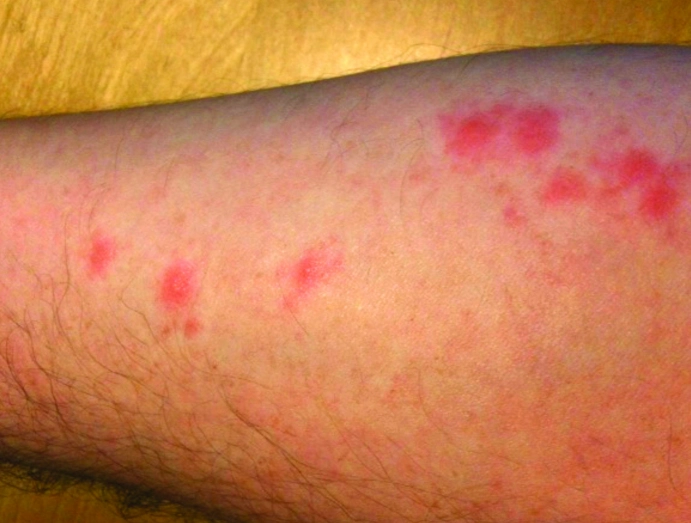
What’s Inside This Guide
How to Identify Bed Bug Bites with 100% Certainty
Most online guides get this wrong. They'll show you a picture of three bites in a row and call it a "breakfast, lunch, and dinner" pattern. In reality, it's messier. The bites often appear as small, raised, red welts that are intensely itchy. They can be solitary, but frequently show up in clusters or a rough line. Why a line? It's not the bug planning a meal course—it's usually because the bug was disturbed (by you moving) and re-attached a centimeter or two away.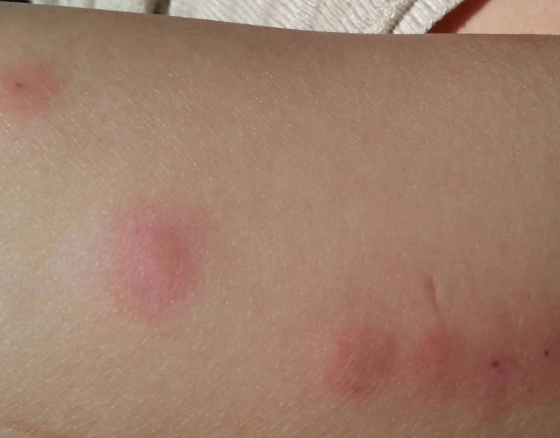
The biggest mistake I see? People fixate on the bites alone. Bites are a symptom, not proof. Your body's reaction varies wildly. Some people have no reaction at all, while others develop large, blister-like welts. Relying solely on bite appearance leads to misdiagnosis and unnecessary panic (or worse, ignoring a real problem).
You need to become a detective. Look for the corroborating evidence in your bedroom:
- Tiny rust-colored stains on your sheets or mattress seams. This is bed bug excrement.
- Minute white eggs or pale yellow shed skins in the crevices of your mattress, box spring, or bed frame.
- Live bugs themselves. Adults are about the size of an apple seed, flat, and brownish-red. After feeding, they become swollen and darker.
Use a credit card and a bright flashlight. Run the edge of the card along mattress seams, behind the headboard, and in the joints of your bed frame. You're scraping out the evidence.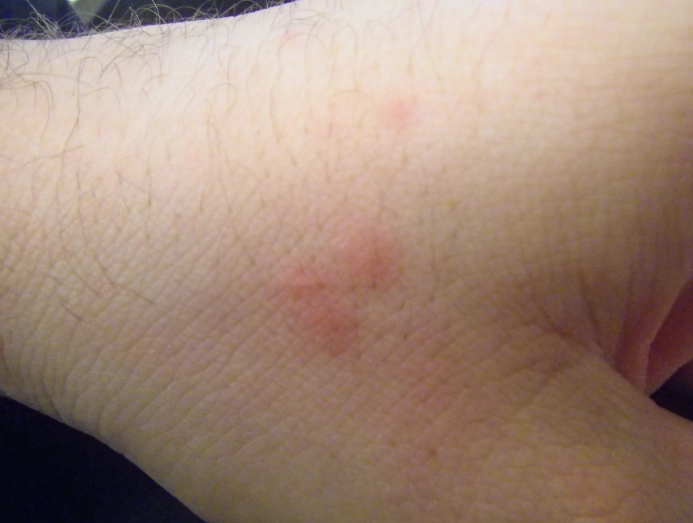
Bed Bug Bites vs. Other Common Culprits
It's easy to confuse them. Here’s a quick comparison to clear things up.
| Bug | Bite Appearance & Pattern | Key Differentiator | Where You'll Find Them |
|---|---|---|---|
| Bed Bugs | Red, itchy welts; often in clusters or a rough line. | Evidence on bedding (stains, shells). Bites often on exposed skin while sleeping (face, neck, arms, legs). | Mattress seams, bed frames, headboards, nearby furniture cracks. |
| Mosquitoes | Puffy, white-red bump, singular, instantly itchy. | Bites are random, not clustered. You often hear them buzzing. Activity is seasonal/warm weather. | Near standing water. Bites can happen anywhere, anytime. |
| Fleas | Small red bumps, often with a red "halo"; intensely itchy. | Bites are typically concentrated around ankles and lower legs. You usually have a pet with flea issues. | Pet bedding, carpets, upholstered furniture. |
| Spider (e.g., non-dangerous) | Single or double fang marks, may become a blister. | Usually a one-off, solitary bite. You might have seen the spider. Not typically itchy, more painful. | Corners, undisturbed clutter, basements. |
How to Treat Bed Bug Bites and Stop the Itch
The itching is maddening. Scratching can lead to infection, which is the real health risk from bed bug bites (they are not known to transmit disease).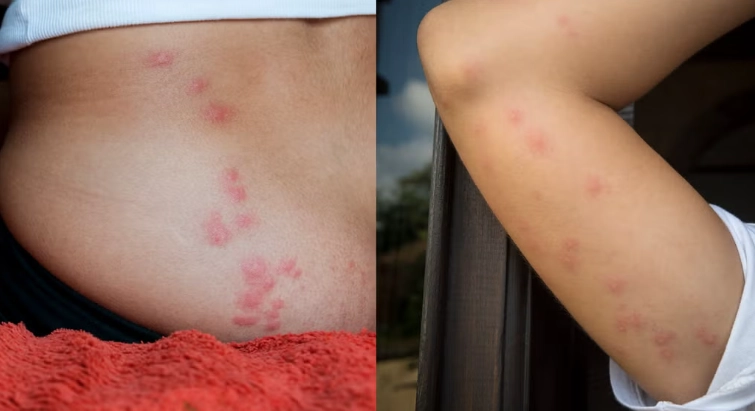
First, wash the bites with soap and water. This is basic but crucial to prevent infection from scratching.
For itch relief, you have a few solid options:
- Over-the-counter hydrocortisone cream (1%): This is your first line of defense. It reduces inflammation and itch.
- Oral antihistamines like cetirizine or diphenhydramine (Benadryl). These help control the allergic reaction causing the itch, especially helpful at night.
- Calamine lotion or a baking soda paste: Old-school, but the cooling effect can provide temporary relief.
- A cold compress: Wrap some ice in a cloth and hold it on the bites for 10-15 minutes. It numbs the area and reduces swelling.
See a doctor if: the bites show signs of infection (increased redness, warmth, pus, red streaks), if the itching is severe and uncontrolled, or if you experience a systemic allergic reaction (difficulty breathing, widespread hives). A doctor can prescribe stronger steroid creams or antibiotics if needed.
How to Get Rid of Bed Bugs: A Step-by-Step Guide
Treating the bites is just managing symptoms. You have to attack the source. This isn't a casual weekend project; it's a military-style campaign. Half-measures fail.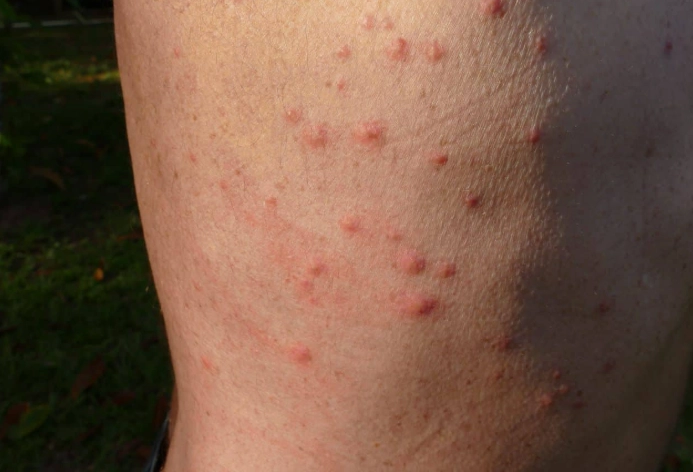
Step 1: Contain and Confirm
Don't start throwing things out yet. Purchase high-quality, certified bed bug proof encasements for your mattress and box spring. Zip them on. This traps any bugs inside, where they'll eventually die, and makes future inspection easier. This single act can save you hundreds on a new mattress.
If you're still unsure, consider a professional inspection. Some pest control companies offer this for a fee, or you can buy a bed bug monitoring trap (like a ClimbUp® Interceptor) for under your bed legs. These traps can confirm activity.
Step 2: The Great Clean-Out & Preparation
This is the most labor-intensive part, and where most DIY efforts falter.
- Declutter: Reduce hiding places. Get rid of cardboard boxes (they love the seams). Use plastic bins.
- Launder and Heat-Treat: Bag all bedding, curtains, and clothing from the affected room. Wash in hot water (at least 60°C/140°F) and dry on the highest heat setting for at least 30 minutes. The dryer's heat is more lethal than the wash. For items that can't be washed (shoes, stuffed animals), run them through the dryer on high heat alone for 30+ minutes.
- Vacuum Like a Pro: Use a vacuum with a crevice tool. Scour every inch of the mattress (especially seams), box spring, bed frame, baseboards, and furniture near the bed. Immediately seal the vacuum bag in a plastic bag and dispose of it outside.
Step 3: Choose and Apply Your Treatment
You have two main paths: DIY or Professional. The scale of the infestation often decides this for you.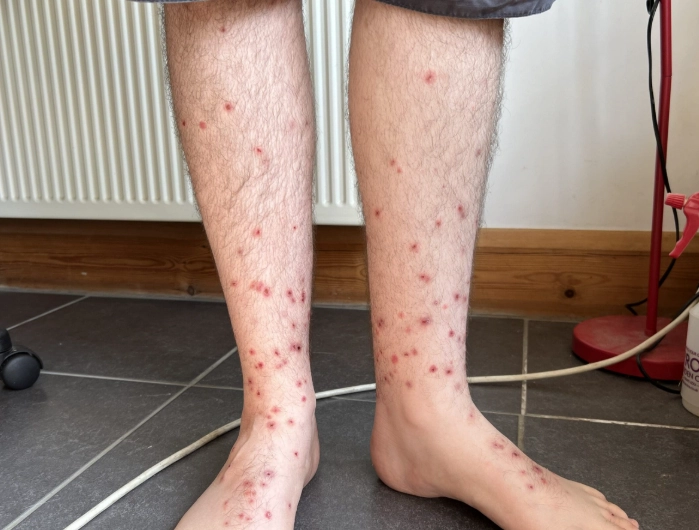
David's Case: The DIY Trap
David found a few bugs in his apartment. He sprayed a store-bought insecticide, saw dead bugs, and thought he'd won. He didn't follow up. The eggs hatched two weeks later, and the new generation, now possibly resistant to that chemical, spread to his living room. His $20 solution turned into a $1200 professional treatment. The lesson? One treatment is almost never enough. You must break the egg-to-adult life cycle, which requires persistence and often multiple methods.
For limited, early infestations, a rigorous DIY approach can work:
- Diatomaceous Earth (DE) or CimeXa: These are desiccants (drying agents). Lightly dust them in voids, behind outlets, along baseboards. Bugs walk through it, and the powder damages their waxy outer layer, causing them to dehydrate and die. It's non-toxic to humans/pets but wear a mask when applying. It works slowly but has a long residual effect. This is a key part of Integrated Pest Management (IPM).
- Targeted Contact Sprays: Look for EPA-registered bed bug sprays with ingredients like pyrethrins. These can kill bugs on contact. Use them carefully on bed frames and furniture seams, not on your sleeping surface. Never rely on spray alone.
When to call a professional (sooner than you think):
- The infestation is in multiple rooms.
- You live in an apartment building (they can travel between units).
- You've tried DIY and failed.
- You simply don't have the time or emotional bandwidth for the battle.
Pros have access to more effective methods like whole-room heat treatments (raising the room to 50°C/122°F for several hours) or professional-grade insect growth regulators and insecticides. Get multiple quotes and ask about their IPM approach and guarantees.
How to Prevent Bed Bugs from Coming Back
Vigilance is your new best friend.
- Keep those mattress encasements on for at least a year.
- Reduce clutter permanently—fewer hiding spots.
- Be vigilant when traveling: Never put your luggage on the bed or floor. Use the luggage rack, inspect it first, and keep your bag in the bathtub during inspection. Check the mattress seams and headboard. When you get home, unpack directly into the washing machine and inspect your suitcase.
- Be cautious with second-hand furniture. Inspect it thoroughly before bringing it inside. A quick pass with a steamer can be a good precaution.
- Consider keeping interceptor traps under bed legs long-term as an early warning system.
Common Mistakes That Make the Problem Worse
I've seen these over and over.
- Throwing out your mattress immediately. This is wasteful and can spread bugs through your building as you carry it out. Treat and encase it first.
- Moving to another room to sleep. The bugs will follow the CO2 you exhale. You'll just spread the infestation.
- Using "bug bombs" or total-release foggers. These are worse than useless for bed bugs. They drive them deeper into walls and neighboring rooms, making the problem much harder to solve.
- Not treating adjacent rooms. Bed bugs don't respect room boundaries. If they're in your bedroom, inspect and possibly treat the living room and any adjacent rooms.
- Giving up after one treatment. Eggs hatch in 6-10 days. You must have a plan to deal with the next generation.
LEAVE A REPLY
Your email address will not be published. Required fields are marked *