Let's cut to the chase. If you're reading this, you've probably seen one—a sleek, black and white wasp that looks like it's wearing a little mask. Or worse, you've found their football-shaped, gray paper nest hanging from a tree or tucked under your eaves. Your gut feeling is right: the bald faced hornet (Dolichovespula maculata) is a pest you need to take seriously. They're more aggressive than yellowjackets, their sting is memorably painful, and their nests can house hundreds of workers by late summer. This isn't a scare tactic; it's the reality I've seen after helping folks deal with these insects for years. The good news? With the right knowledge, you can identify them, understand the real risks, and—crucially—handle or remove a nest safely. This guide is that knowledge.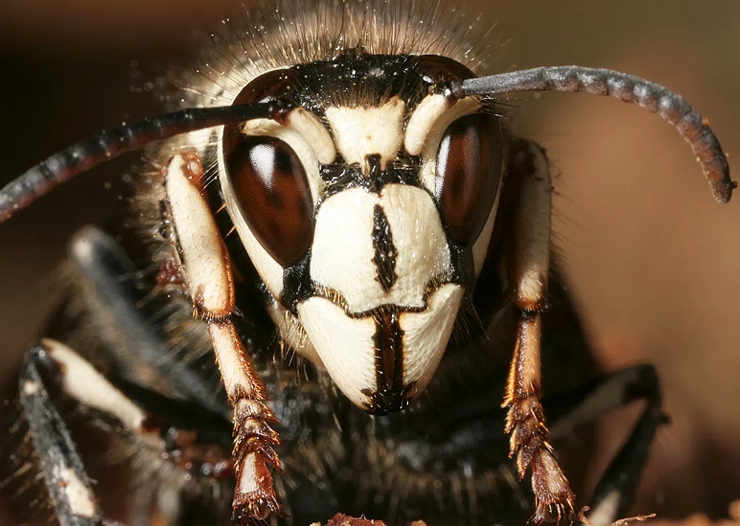
What You’ll Find in This Guide
Spot the Difference: Bald Faced Hornet vs. Everyone Else
Mistaking a bald faced hornet for a docile paper wasp or a ground-nesting yellowjacket is a common error that leads to underestimating the threat. Here’s how to be sure.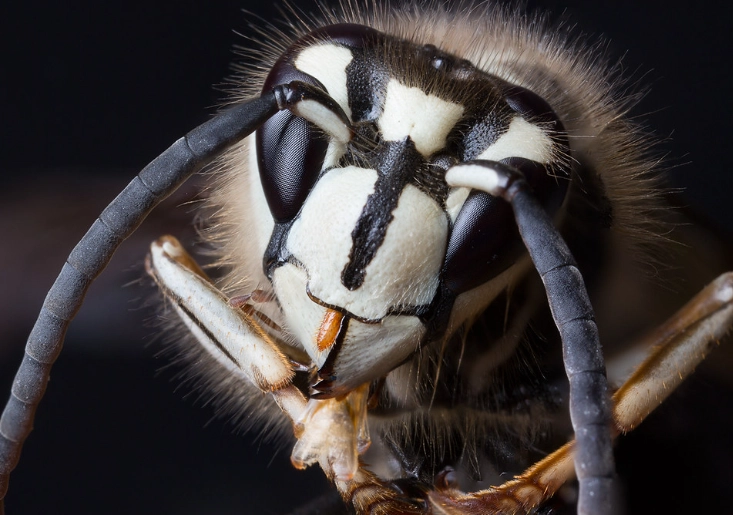
The Look: Black, White, and All Business
Forget yellow. Adult bald faced hornets are primarily black with stark white or ivory markings on their face, thorax, and the tip of their abdomen. That white face is where the "bald" name comes from (it's an old term for "white"). They're about 3/4 of an inch long—larger than most yellowjackets but with a more slender build than European hornets.
The Nest: A Gray Paper Fortress
This is the dead giveaway. Their nests are architectural feats made of chewed wood pulp, giving them that distinctive gray paper-mache look. They're usually:
- Football or teardrop shaped, with a single entrance hole at the bottom.
- Located aerial: hanging from tree branches, shrubs, or the overhangs of buildings. I've found them as low as eye-level in a bush and as high as 30 feet up.
- Layered: If you could cut one open (don't!), you'd see horizontal combs inside, enclosed by the outer shell.
A key observation most miss: Watch their flight path at dusk. Bald faced hornets are one of the last stinging insects to return to the nest for the night. If you see a steady stream of black and white insects funneling into a specific spot high up as light fades, you've found their home.
The Behavior: Defenders of the Realm
They are highly territorial. Vibrations from a lawnmower, a barking dog, or even just walking too close to the nest can trigger a defensive response. Unlike some bees that sting once and die, a bald faced hornet can sting repeatedly. They also can squirt venom from their stinger into the eyes of perceived threats, which according to entomologists at Cornell University, can cause temporary blindness and intense pain. This isn't typical behavior, but it underscores their defensive arsenal.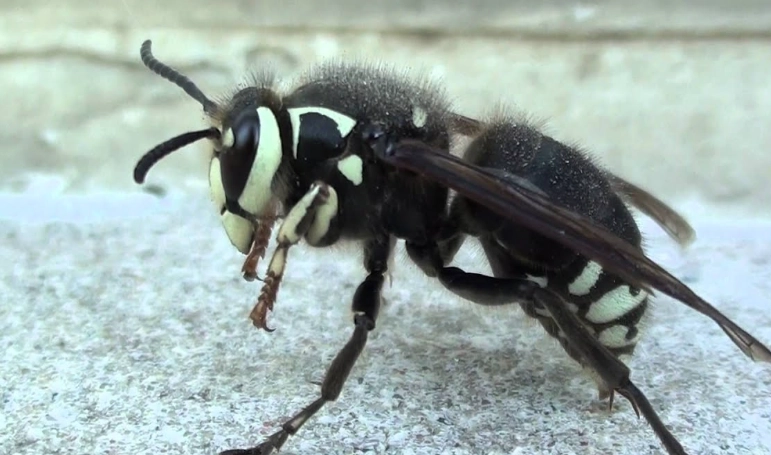
The Sting: Pain, Reaction, and When to Really Worry
"How bad is it?" Everyone asks. On the Schmidt Sting Pain Index, it's rated as a 2.0—"bold and unrelenting." Imagine a hot, throbbing pain that flares up instantly, like being jabbed with a red-hot needle. The area swells, turns red, and itches fiercely for a day or two.
For most people, that's the end of it. But there are two escalation levels you must recognize.
Large Local Reaction (LLR): This is more than your standard bump. The swelling can spread over a large area—your entire hand, forearm, or foot. It looks alarming, peaks in 48 hours, and can take up to a week to fade. It's an intense immune response, but it's not a life-threatening allergic reaction. An urgent care visit might be needed for strong antihistamines or steroids to manage the discomfort, but it's not a 911 emergency.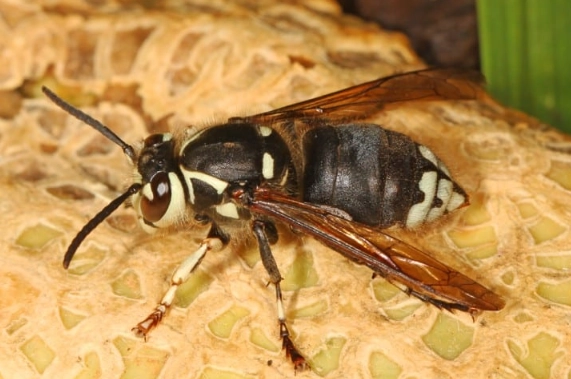
Anaphylaxis: The Real Emergency. This is systemic and can be fatal. Symptoms usually develop within minutes and involve systems away from the sting site: • Difficulty breathing, wheezing, or tightness in the throat. • Swelling of the lips, tongue, or face. • Dizziness, rapid pulse, a sudden drop in blood pressure, confusion. • Hives spreading over the body. If you or someone else experiences these symptoms after a sting, use an epinephrine auto-injector (EpiPen) if available and call 911 immediately. Do not wait.
How to Get Rid of a Bald Faced Hornet Nest Safely
Here's where I see the most dangerous mistakes. Pouring gasoline on a nest, trying to burn it, or whacking it with a baseball bat are not just ineffective—they're a great way to get hospitalized. If the nest is small (softball-sized or smaller) and easily accessible, a cautious DIY approach is possible. For anything larger, or nests near doorways, see the next section.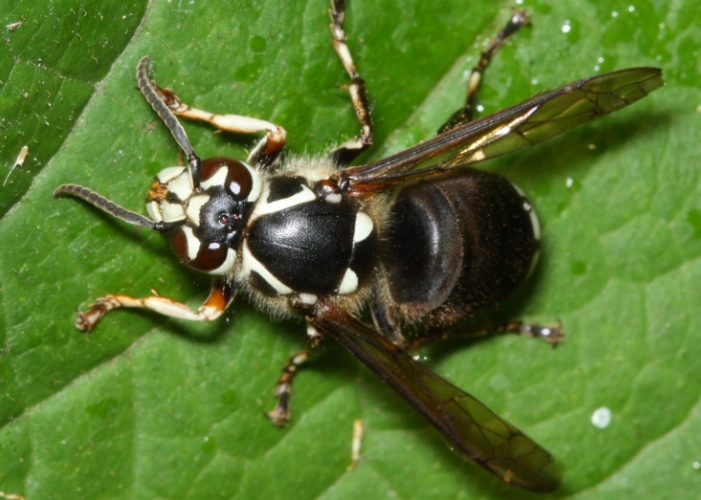
The Non-Negotiable Safety Gear
Do not skip this. You need: • A bee suit or at the very least a thick jacket with hood, gloves sealed to sleeves, pants tucked into socks, and a face veil. • Protective goggles that seal around your eyes (remember the venom-squirting). • Have an escape route planned to an enclosed space (like your house or car).
The Step-by-Step Nighttime Protocol
This work is done at night, period. All foragers are home, and they are sluggish in the cool, dark.
- Plan and Prep: Have everything you need at hand: a flashlight with red cellophane taped over the lens (insects see red poorly), your insecticide, and a large, heavy-duty garbage bag.
- The Right Insecticide: Use a foaming aerosol wasp and hornet spray specifically designed for aerial nests. The foam sticks and expands, suffocating and poisoning insects on contact. The stream can shoot 10-20 feet.
- Execute: Approach quietly. From a safe distance (follow the can's instructions), aim the stream directly into the nest's entrance hole at the bottom. Saturate the nest thoroughly. Do this for several seconds.
- Retreat and Wait: Leave the area immediately. Wait at least 24 hours before approaching the nest again.
- Removal: The next day, tap the nest gently with a long pole. If there's no activity, knock it down into your garbage bag, seal it tightly, and dispose of it in an outdoor trash bin.
One pro tip I've learned: If the nest is attached to a branch you can easily cut, you can sometimes spray it, wait 24 hours, then cut the branch and bag the entire thing without ever having it fall and potentially scatter survivors.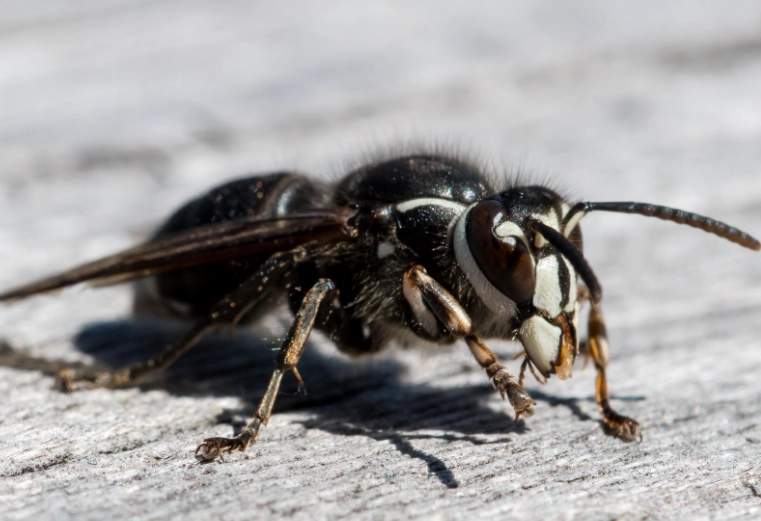
When to Wave the White Flag and Call a Pro
Your safety and the safety of your family isn't worth the $150-$400 a professional exterminator will typically charge. Call one immediately if:
- The nest is larger than a football.
- It's located inside a wall void, attic, soffit, or any enclosed space of your home. The insects will just chew through drywall if poisoned inside, creating a bigger mess and danger.
- It's at a high height requiring a ladder. A fall while being attacked is a severe risk.
- You or a family member has a known allergy to stings.
- The nest is in a high-traffic area like a doorway, porch, or near a children's play set.
A professional will have stronger chemicals, protective equipment, and the experience to handle complex removals, like vacuuming insects from a wall cavity.
LEAVE A REPLY
Your email address will not be published. Required fields are marked *