You've heard the horror stories. You see a brown spider scuttle across the basement floor, and your heart skips a beat. Is it a brown recluse? Before you panic and call the exterminator (or set the house on fire, a thought I admit has crossed my mind), let's get the facts straight. Knowing exactly what a brown recluse spider looks like is your first and best defense. It's not about memorizing a scary picture; it's about understanding a specific combination of features that, when put together, tell a clear story. I've spent years studying arachnids in the Midwest, and the number one mistake I see is people misidentifying common house spiders as recluses. That fear is real, but it's often misplaced. This guide will walk you through the definitive markers, the subtle details most articles miss, and the common imposters you can safely ignore.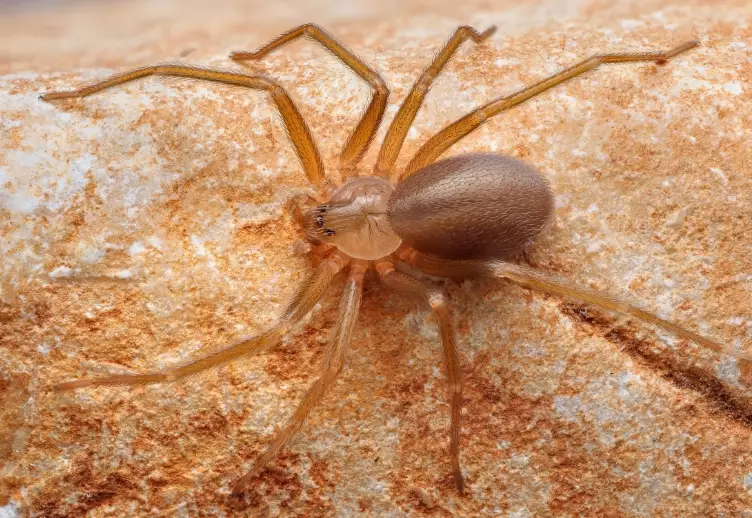
What’s in This Guide?
How to Identify a Brown Recluse: The Definitive Guide
Forget the generic "brown spider" description. Identifying a brown recluse (Loxosceles reclusa) is about a checklist. You need three key things to line up: a specific marking, a unique eye arrangement, and the right overall build. Miss one, and you're probably looking at something else.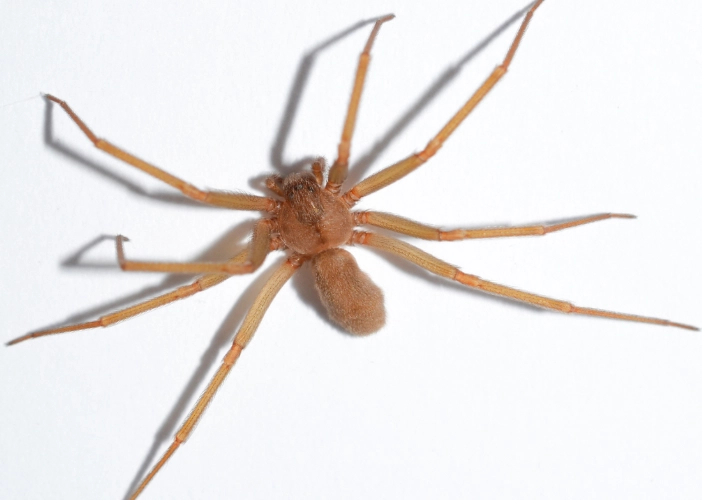
The Violin Marking: Not What You Think
Everyone talks about the "violin" or "fiddle" on its back. This is the most famous feature, but it's also the most misunderstood. The marking is on the cephalothorax (the front body segment where the legs attach). It's not a dark, perfectly shaped violin you'd see in an orchestra. It's more of a darker, somewhat fuzzy stain that's wider at the spider's head (the "body" of the fiddle) and tapers down to a narrow "neck" pointing toward the abdomen.
Here's the expert nuance most miss: on younger or recently molted brown recluses, this marking can be faint or even orange-ish. It darkens with age. Also, the "violin" is not always starkly contrasted. On a light tan spider, it's obvious. On a darker brown individual, it can blend in. Never rely on the violin alone.
Six Eyes, Not Eight: The Ultimate Giveaway
This is the single most reliable identifier, and it requires a close look (a macro camera on your phone or a magnifying glass helps). Almost all spiders have eight eyes. Brown recluses are oddballs. They have six eyes, arranged in three pairs. Picture a semi-circle or a gentle U-shape: one pair in the center, flanked by a pair on each side.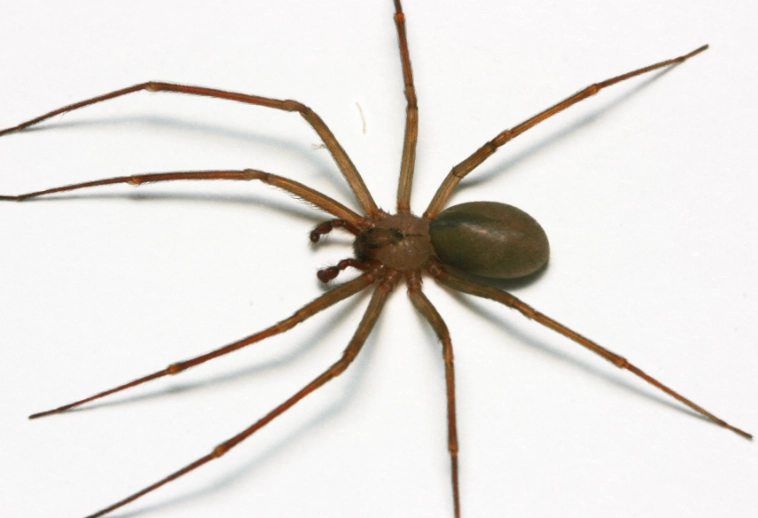
You won't see this from across the room. But if you can safely get a clear, close view of the front of the spider's head, this characteristic is foolproof. No other common North American spider with a violin-like marking has this six-eye arrangement. This one fact alone has saved countless harmless spiders from an undeserved fate.
Color, Size, and Hair
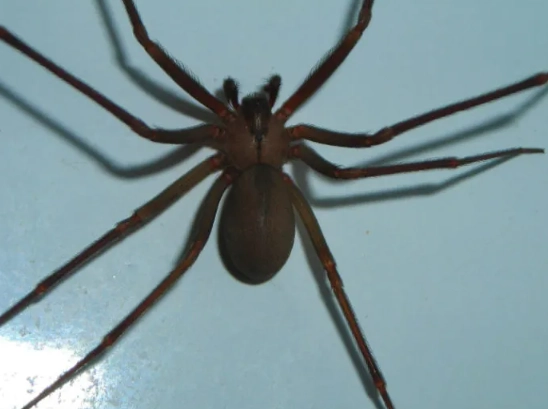
Putting it all together: A brown recluse's color ranges from a light fawn or tan to a darker chocolate brown. The abdomen is a uniform color, usually slightly darker than the cephalothorax, with no stripes, spots, or bands. There are no spines on its long, slender legs—they're smooth. Its body is covered in fine, short hairs that give it a soft, velvety appearance, not a shiny or spiky one.
Size? With legs outstretched, they're about the size of a U.S. quarter. The body itself (cephalothorax + abdomen) is typically between 1/4 to 1/2 inch long. They are not huge, monstrous spiders.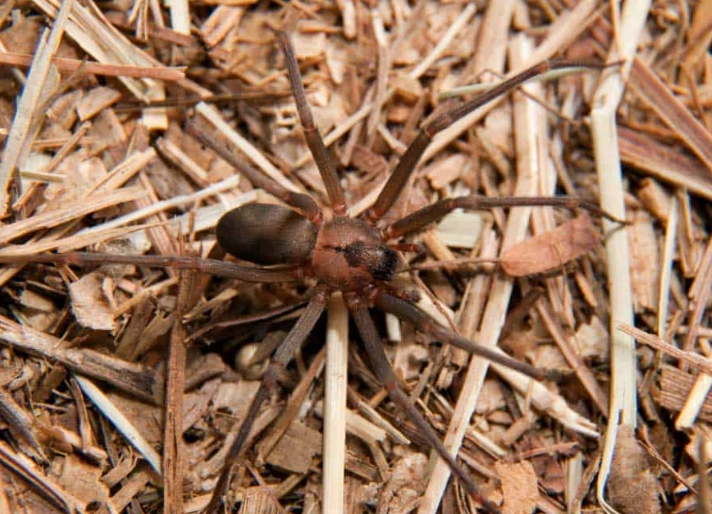
Where Are Brown Recluses Found?
Geography is a huge part of the identification. You can't find a polar bear in the desert. The native range of the brown recluse is quite specific and centered on the south-central United States. According to entomology departments like those at the University of Kentucky and Kansas State University, they are consistently found in a defined area.
Think of a rough triangle or a blob covering: Nebraska, Iowa, Illinois, Indiana, Ohio, south through Texas, Louisiana, Alabama, Georgia, and parts of Tennessee and Kentucky. States like Florida, California, New York, and Washington are outside their native range. Occasional finds happen due to human transport (in moving boxes, furniture), but established, breeding populations are rare outside the core zone.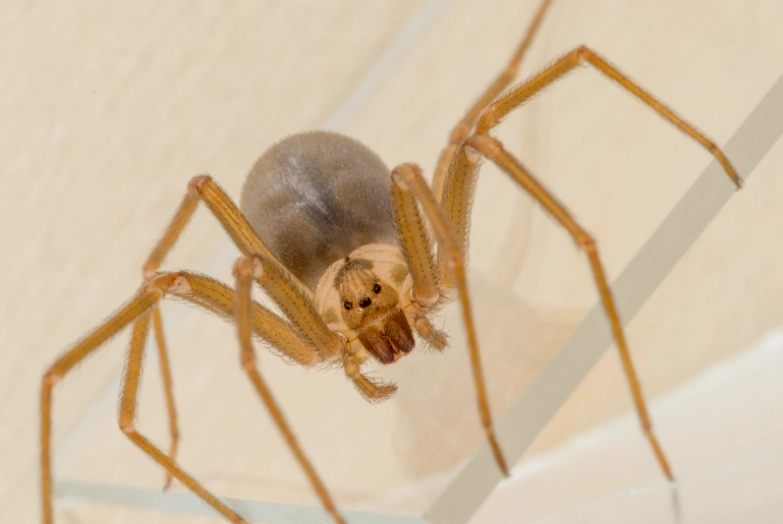
Inside that zone, they live up to their "recluse" name. They seek undisturbed, dry, cluttered spaces. We're talking cardboard boxes in attics, piles of old clothes, behind seldom-moved furniture, in storage sheds, and in the cracks of woodpiles. They are not web-builders that hang out in the center of a orb web. They make small, irregular, off-white webs used as a retreat.
Brown Recluse Look-Alikes: Don’t Panic!
This is where most of the fear comes from. So many common, harmless spiders get mistaken for recluses. Let's clear the air.
| Spider | Key Differences from Brown Recluse | Why It Gets Confused |
|---|---|---|
| Wolf Spider | Large, robust body. Eight eyes arranged in three rows. Often has patterned stripes on the cephalothorax and abdomen. Fast runners, often seen in the open. | Similar brown color and size range. Can look intimidating. |
| Cellar Spider ("Daddy Long-Legs") | Extremely long, thin legs. Small, oval, pale body. Makes messy cobwebs in corners. | Sometimes a light brown color. Found indoors, which triggers fear. |
| Parson Spider | Has a distinctive white or gray stripe running down the middle of its abdomen, like a clergyman's cravat. Eight eyes. | The dark cephalothorax can vaguely resemble a violin from a distance. |
| Southern House Spider (Male) | Males are often dark brown and can have a faint violin-like marking. However, they are much larger, have eight eyes clustered together, and males have enormous, bulbous pedipalps (mouthparts that look like boxing gloves). | The violin marking is the primary cause of misidentification. |
I once had a friend send me a frantic photo of a "brown recluse" in her Seattle garage. It was a perfectly harmless male cribellate spider. The geography alone made a recluse identification nearly impossible. Always consider location first.
What Does a Brown Recluse Bite Look Like?
Let's address the elephant in the room. Most "brown recluse bites" are not. Studies, including one often cited from the University of California, suggest many diagnosed recluse bites are actually infections from other causes (MRSA, strep). The spider gets blamed because it's a convenient villain.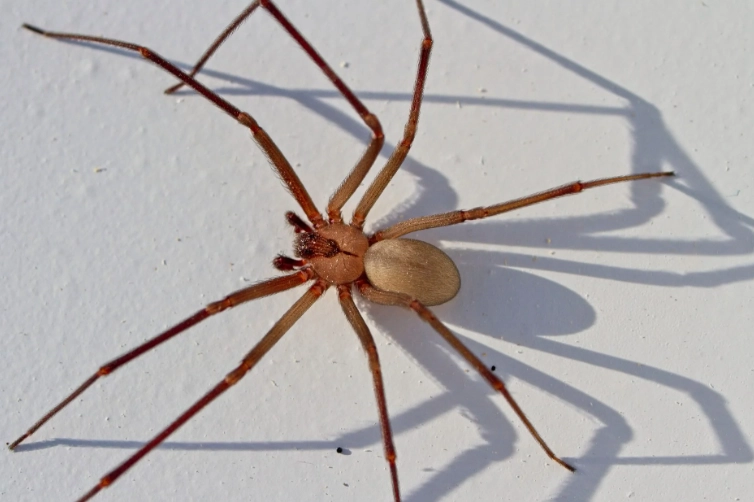
A genuine bite is usually painless at first. Within several hours, it may become red, swollen, and tender. The real concern is the potential for necrosis (tissue death) in a small percentage of cases. This doesn't happen instantly. Over the next few days, the center of the bite may blister, turn dark blue or purple, and eventually form an ulcer or an open sore as the damaged tissue breaks down. This can take weeks to heal and may leave a scar.
The key takeaway? Necrotic wounds have many causes. Finding a brown spider in your home and having a skin lesion does not automatically mean the spider caused it. Correlation is not causation.
How to Prevent Brown Recluse Spiders in Your Home
If you live in their range, prevention is straightforward. It's about making your home less inviting to a creature that loves clutter and darkness.
- Declutter Ruthlessly: This is number one. Reduce piles of newspapers, cardboard boxes, old clothing, and other stored items, especially in basements, attics, and garages. Use plastic, sealed totes instead of cardboard.
- Seal Entry Points: Caulk cracks and crevices around foundations, windows, and doors. Install tight-fitting screens and door sweeps.
- Move Beds and Furniture: Keep beds and furniture away from walls. Avoid letting bed skirts or blankets touch the floor, providing a hiding spot.
- Shake Out and Inspect: Before putting on shoes, gloves, or clothing that has been stored, give them a good shake. Inspect towels and bedding if they've been in a closet or on the floor.
- Reduce Outdoor Harborage: Keep firewood, lumber, and debris piles well away from the house exterior.
- Sticky Traps: Placing glue traps (like those used for mice) along walls, behind furniture, and in closets is an excellent, non-toxic way to monitor for spiders and insects. It gives you hard evidence of what's actually crawling around.
Insecticides have limited effectiveness because recluses don't groom themselves like ants or roaches. The goal is habitat modification—taking away their hiding spots.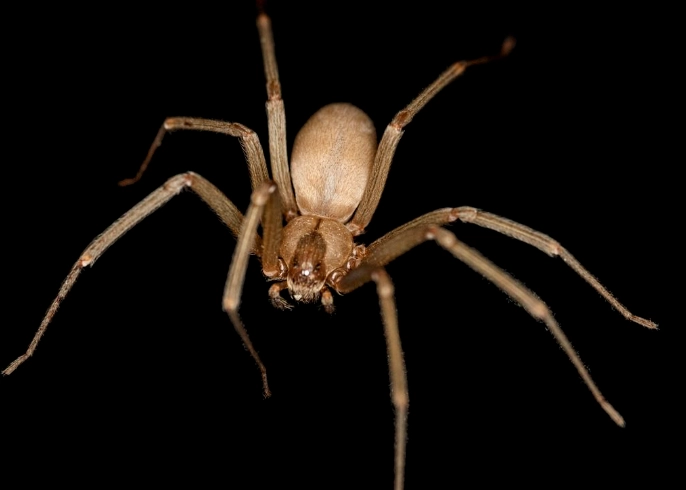
Expert FAQ: Your Brown Recluse Questions Answered
LEAVE A REPLY
Your email address will not be published. Required fields are marked *