You see them first as a lone scout, maybe on the kitchen counter. A day later, it's a steady line of tiny, dark bodies trailing from a crack near the floorboard to that drop of honey you missed. Black ants. They're one of the most common household pests, and dealing with them feels frustratingly repetitive. Spraying them seems to work for a day, then they're back, often in a different spot. Why? Because most of us are treating the symptom, not the colony. After years of helping homeowners, I've seen the same mistakes over and over. This guide isn't just another list of tips; it's a deep dive into the biology and behavior of black ants, which is the only way to get lasting control.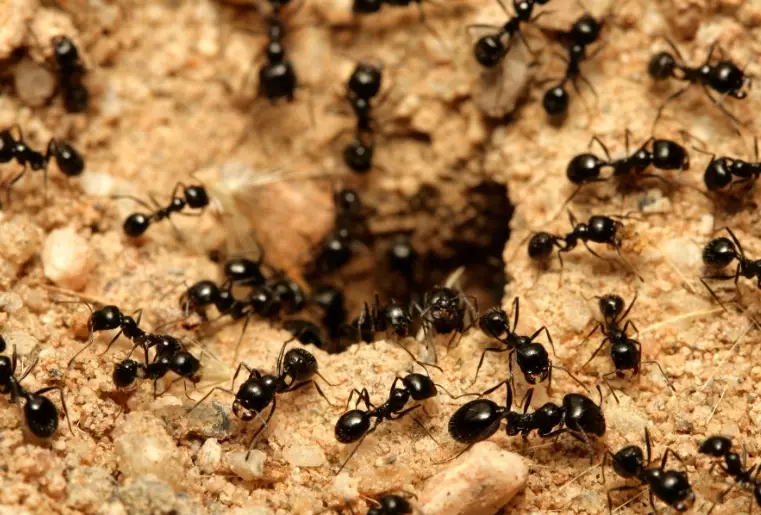
What's Inside This Guide
How to Identify Common Black Ant Species
Not all black ants are the same. Calling an exterminator and just saying "I have black ants" is like telling a mechanic you have a "car problem." The species dictates their nesting habits, food preferences, and the best control method. Here are the three you're most likely to meet indoors.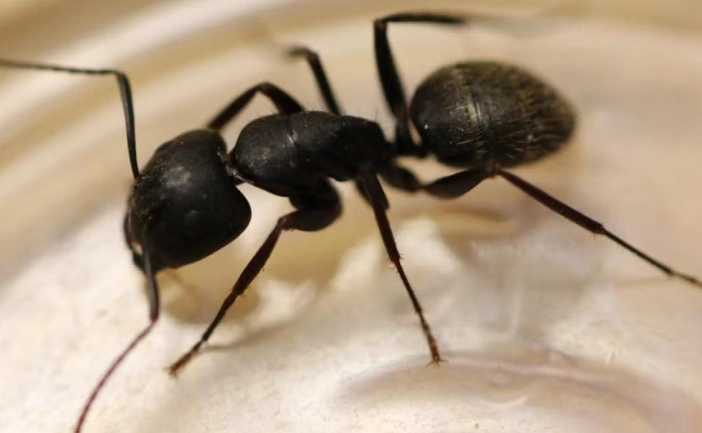
The Pavement Ant (Your Most Likely Visitor)
This is the classic tiny black ant. They're dark brown to black, about 1/8-inch long, and you'll find them nesting under sidewalks, driveways, and foundation slabs—hence the name. They come inside for sweets and greasy foods. In summer, you might see swarms of winged ants near their nest entrances, which freaks people out but is just their mating flight.
The Odorous House Ant (The Smelly One)
Similar in size and color to the pavement ant, but with a key difference: crush one, and it smells like rotten coconut or blue cheese. Seriously, try it. They love moisture and often nest near water sources—behind wall tiles, under leaky sinks, in damp insulation. They have multiple queens per colony, which makes them trickier to eliminate completely.
The Little Black Ant
Even smaller, maybe 1/16-inch, and jet black. They're super common and form large colonies. They'll eat almost anything but have a strong preference for sweets. They nest in soil, under rocks, and in woodwork. Their trails are often more erratic than the neat lines of pavement ants.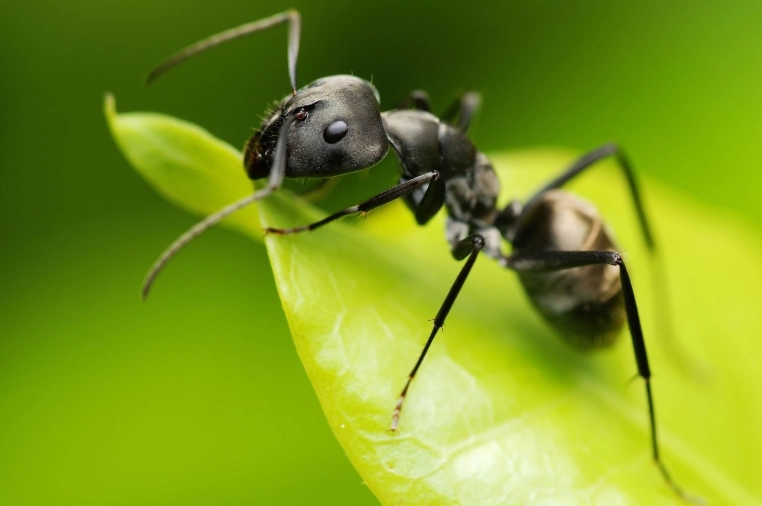
| Species | Size | Key Identifying Feature | Preferred Nesting Site (Outdoors/Indoors) | Favorite Food |
|---|---|---|---|---|
| Pavement Ant | 1/8 inch | Parallel grooves on head & thorax | Under pavement, stones, next to foundations / Wall voids, under floors | Sweets, greasy foods, meats |
| Odorous House Ant | 1/8 inch | Rotten odor when crushed | Under mulch, logs, debris / Near moisture, in wall voids | Sweets (honeydew, sugar) |
| Little Black Ant | 1/16 inch | Very small, shiny, uniform black | Soil, under rocks, in woodpiles / Insulation, woodwork | Sweets, insects, grease |
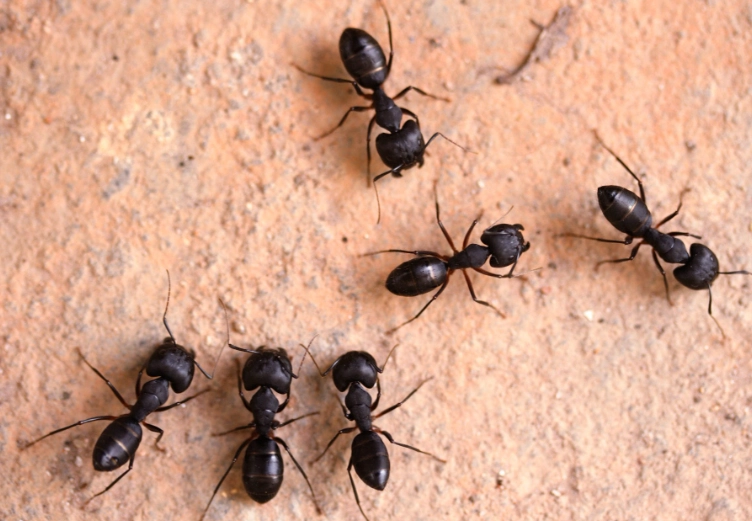
And let's clear up a major point of confusion: black ants vs carpenter ants. Carpenter ants are much larger (up to 1/2 inch), can be black, red, or a combination, and have a smoothly rounded thorax (the middle body segment). Most importantly, they excavate wood to nest, causing structural damage. The common black ants listed above do not eat wood; they're just a nuisance. If you see large, solitary black ants, especially at night, or find piles of sawdust-like frass, you might have carpenters—a different, more serious problem.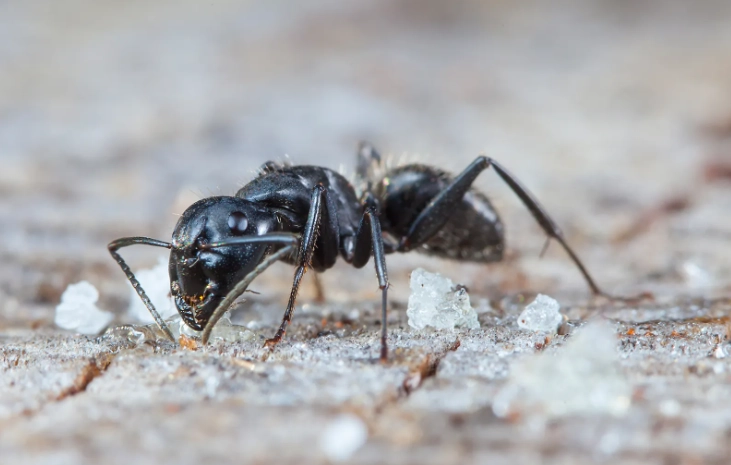
Why Are Black Ants in My House? (It's Not Just Food)
We blame the crumbs, and that's part of it. But ants are explorers. According to research from entomology departments like Cornell University, ant foraging is driven by colony needs. A scout's job is to find resources. If it's dry outside, they come in for water. A pet's water bowl is a desert oasis. If their outdoor nest is flooded by heavy rain, they'll move inside temporarily. Sometimes, it's simply because you've sealed off their preferred outdoor food source, like aphids on a plant you just treated.
The trail you see is a chemical highway. That first scout laid down a pheromone on its way back to the nest with a food sample. The others follow it, reinforcing the scent. Wiping the trail with cleaner breaks it, but if the resource is still there, a new scout will find it and start over. This is why killing the visible foragers does nothing. The colony, safe in its nest, just sends more.
A Foolproof Prevention Strategy: Deny Access, Remove Incentive
Prevention is always cheaper and easier than elimination. It's a three-part job: sanitation, exclusion, and landscape management. Do these consistently, and you'll stop most invasions before they start.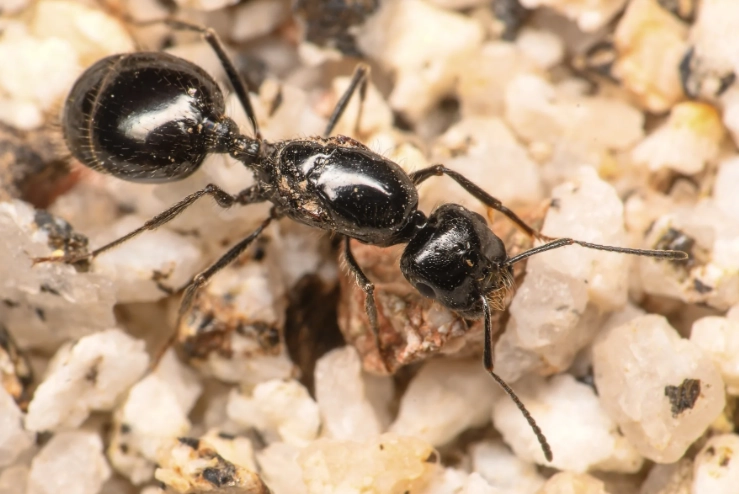
Sanitation is non-negotiable. This doesn't mean your house needs to be sterile. It means being smart about ant attractants. Wipe counters nightly. Don't leave dirty dishes in the sink. Store sugar, honey, and syrup in sealed containers or the fridge. Take the trash out regularly, and keep the kitchen bin lid closed. Pet food is a huge attractant—feed pets at set times and pick up the bowl afterwards, or place the bowl in a shallow moat of water.
Exclusion means sealing them out. Get a tube of silicone caulk and go on a hunt. Inspect the exterior of your home, foundation to roof. Seal cracks in the foundation, gaps around utility lines, and spaces around windows and doors. Replace worn weather stripping. I've seen ants use an electrical wire as a bridge into a house. Install door sweeps. Pay special attention to the kitchen and bathroom, where pipes enter walls.
Landscape management. Keep tree branches and shrubs trimmed back from the house. Rake mulch and leaf litter away from the foundation—create a 6-12 inch gravel or bare soil barrier. Fix leaky outdoor faucets and ensure downspouts direct water away from the house. Move firewood piles away from the structure.
How to Get Rid of Black Ants: A Step-by-Step Guide That Actually Works
Okay, but if you're already seeing ants, what now? The goal is to destroy the colony, not just the workers. Here's the process, based on Integrated Pest Management (IPM) principles.
Step 1: Find the Trail and Follow It (As Far As You Can)
Don't disturb them yet. Watch where they're going and coming from. Try to locate the entry point. Is it that crack near the back door? The gap under the baseboard? Knowing the entry helps with later sealing. Sometimes the trail just disappears into a wall—that's okay, note the location.
Step 2: Clean the Area Thoroughly
Use soapy water or vinegar solution to wipe down the entire visible trail. This disrupts the pheromone path. Clean up the food source that attracted them. This forces the colony to rely on the bait you're about to set.
Step 3: Deploy Ant Baits—The Right Way
This is the most critical step. Baits contain a slow-acting insecticide mixed with an attractive food (sugar, protein, or grease). Workers take it back to the nest and share it, poisoning the queen(s) and larvae. You must use the correct bait for the ant's current preference. In spring, they often crave protein for brood rearing. In summer, it's sugars for energy. If you put a sugar bait out for protein-seeking ants, they'll ignore it.
- For common sugar-loving ants (Odorous, Little Black): Use gel or liquid baits with borax or hydramethylnon. Brands like Terro (borax-based) are widely available and effective.
- For protein/grease lovers (Pavement ants in certain seasons): Use a protein-based bait paste or granular bait.
Place baits directly on the trail near the entry point. Do not spray near the baits! You'll repel the very ants you need to feed. Expect to see more ants at first—this means it's working. Leave the bait until the activity stops, which can take 3-5 days.
Step 4: Seal the Entry Points
Once activity has ceased, seal the cracks and holes you identified with caulk. This prevents a new colony from finding the same highway.
When to Call a Professional
If you have a persistent problem, the nest is inside a wall and inaccessible, or you suspect you're actually dealing with carpenter ants, call a licensed pest control operator. They have access to stronger, more targeted baits and application methods. Ask them about their IPM approach.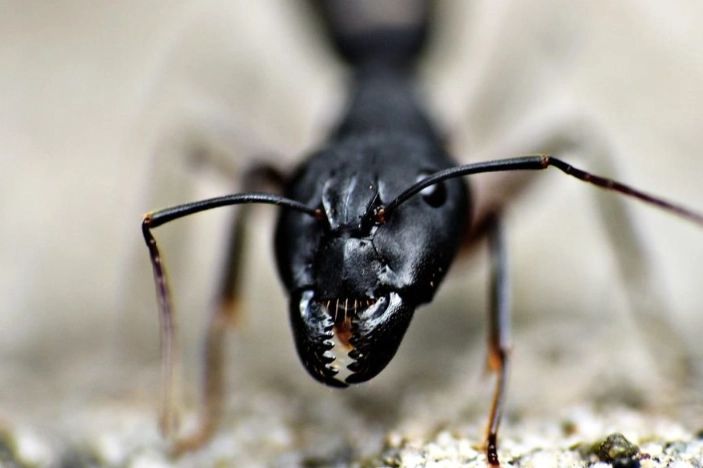
Your Black Ant Questions Answered
Why do I see black ants only in my bathroom, where there's no food?
I've used baits, but the ants just seem to multiply. What am I doing wrong?
How can I find the actual ant nest?
Are black ants dangerous? Can they cause damage?
Do natural remedies like cinnamon, peppermint oil, or vinegar work?
I see winged black ants inside my home. Is this worse?
LEAVE A REPLY
Your email address will not be published. Required fields are marked *