If you've spotted a large, burrowing rodent around your home or business, chances are you're dealing with a Norway rat. Forget the cute cartoon mice—this is a serious pest that causes billions in damage and spreads disease. I've spent over a decade in pest management, and I can tell you that most people misidentify them, underestimate them, and use control methods that fail within weeks. This guide cuts through the noise. We'll cover exactly how to identify a Norway rat, understand the real risks they pose, and implement a control strategy that actually works for the long haul.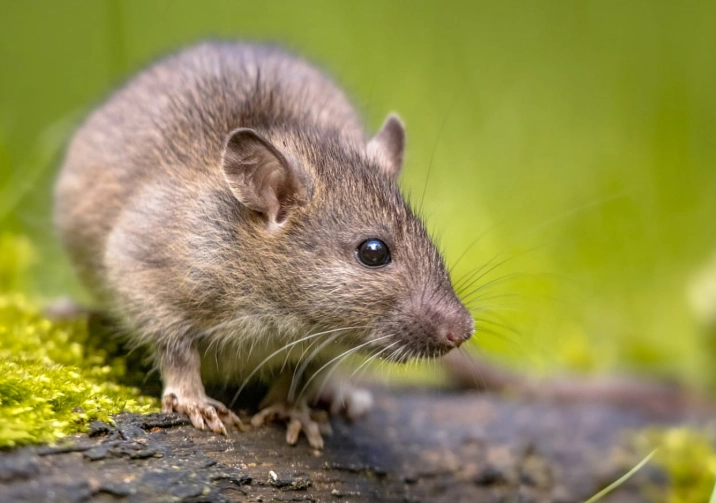
What's Inside This Guide?
Norway Rat Identification: Spotting the Difference
Knowing your enemy is half the battle. The Norway rat (Rattus norvegicus), often called the brown rat, sewer rat, or wharf rat, has distinct features that set it apart from other rodents like the roof rat or house mouse.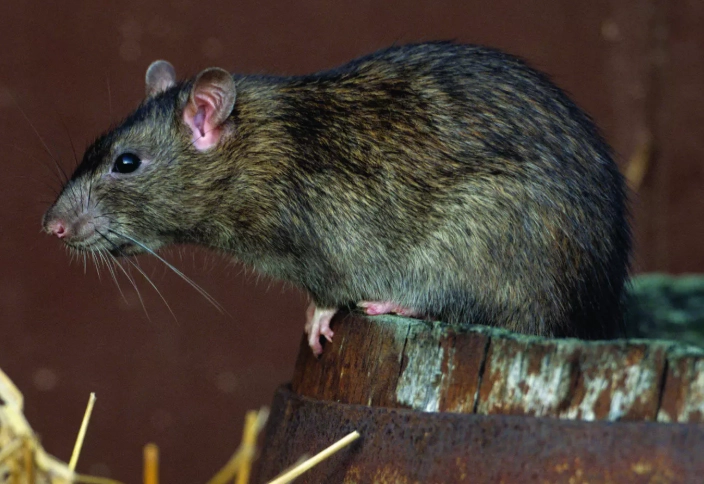
Here’s the quick visual checklist:
- Size & Build: They're stocky and heavy. Adults typically measure 7-10 inches in body length, with a tail another 6-8 inches. But it's the weight that's telling—they often weigh over a pound. A full-grown adult feels substantial, not scrawny.
- Head & Ears: Their head is blunt and their muzzle is rounded. The ears are small, furry, and look like they're tucked close to the head. If you pull the ear forward, it won't reach the eye. This is a key difference from roof rats, whose large ears do reach their eyes.
- Tail: The tail is shorter than the combined head and body length. It's thick, scaly, and mostly hairless—a useful but slightly unsettling detail.
- Color: Their coarse fur is usually brownish-gray with scattered black hairs, and the underside is lighter gray or yellow-white.
Signs of an Infestation (It's Not Always Sightings)
You might never see a live rat. They're nocturnal and cautious. Look for these secondary signs instead: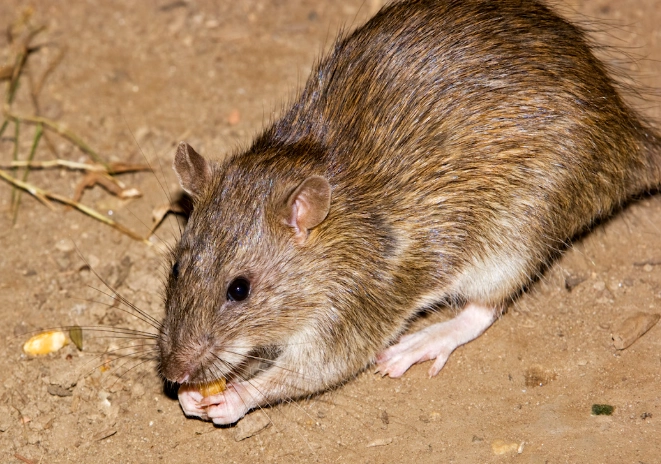
Droppings: Norway rat droppings are capsule-shaped, about ¾ inch long, with blunt ends. You'll find them concentrated along runways, near food sources, or in sheltered corners. Fresh droppings are dark and soft; old ones become gray and crumbly.
Burrows: This is their signature. They are exceptional diggers. Look for entrance holes 2-4 inches in diameter, often found along building foundations, beneath concrete slabs, in overgrown vegetation, or in compost piles. There's usually a fan of excavated dirt outside the hole.
Grease Marks: As they travel the same paths along walls and beams, their oily fur leaves dark, greasy rub marks. These are telltale signs of a high-traffic rodent highway.
Gnaw Marks: Fresh gnawing on wood, plastic pipes, wiring, or even soft metals will show lighter-colored wood or sharp edges. Older marks darken with age and dust.
Why Norway Rats Are More Than Just a Nuisance
It's easy to think of them as just dirty animals rummaging in the trash. The reality is far more concerning. The Centers for Disease Control and Prevention (CDC) lists numerous diseases directly linked to rodents like the Norway rat.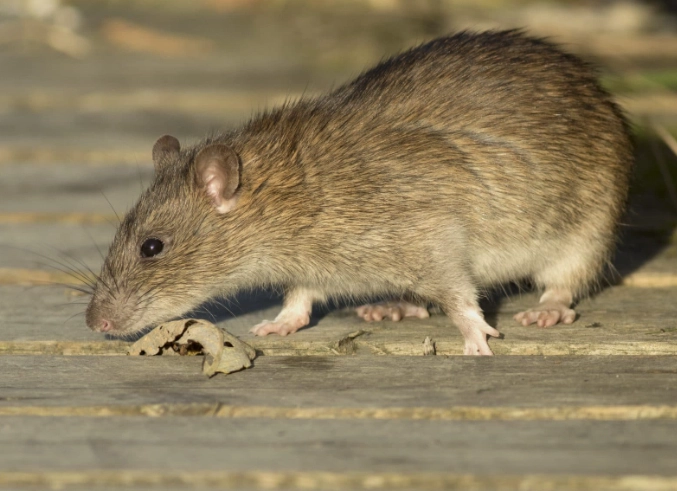
Health Risks are Real and Direct:
- Disease Transmission: They can spread pathogens through their urine, droppings, saliva, and the parasites they carry (like fleas and mites). Diseases include Leptospirosis (which can cause kidney damage and liver failure), Rat-bite fever, Salmonellosis, and Hantavirus Pulmonary Syndrome in some regions.
- Allergies and Asthma: Their dander, droppings, and urine are potent allergens. A study published in the Journal of Allergy and Clinical Immunology has shown a strong link between rodent allergens and asthma attacks, especially in children living in infested homes.
Economic and Structural Damage is Severe:
I once inspected a restaurant that had a recurring "electrical fault." The problem was Norway rats gnawing through the PVC conduit to get to the softer insulation inside. The repair bill ran into thousands. Their constant need to gnaw (their incisors never stop growing) leads to:
- Chewed electrical wiring, creating significant fire hazards. >
- Damaged plumbing pipes, causing leaks and water damage.
- Structural compromise of wooden beams, wall cavities, and insulation.
- Contamination of stored food products, leading to massive losses for businesses and homeowners alike.
How to Get Rid of Norway Rats: A Step-by-Step Plan
Throwing down a few bait blocks from the hardware store is the most common mistake. It's a temporary fix at best. Effective Norway rat control is a process, not a product. You need a strategy.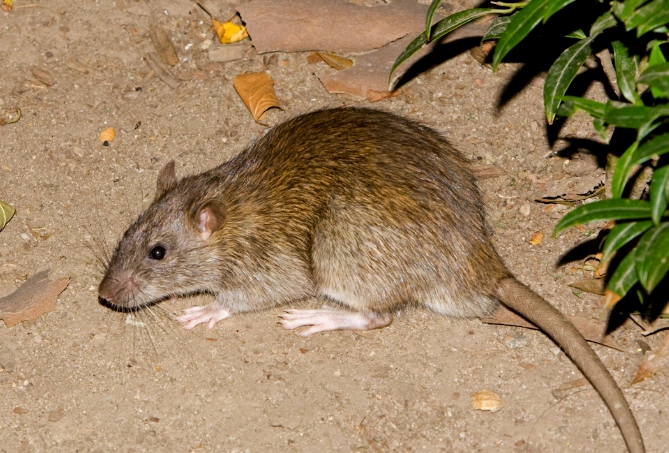
Step 1: Inspection and Sanitation (The Foundation)
Skip this step, and you'll fail. Grab a flashlight and look for the signs we discussed: burrows, droppings, rub marks. Track their movement. Where are they getting food and water? This isn't just about cleaning up trash. It's about removing pet food left out overnight, securing bird feeders, fixing dripping outdoor faucets, and managing compost piles correctly. A rat needs only an ounce of food and an ounce of water per day. Deny them that.
Step 2: Rodent-Proofing Your Property (Exclusion)
This is the most important and most overlooked long-term solution. You have to seal them out. Norway rats can squeeze through a hole the size of a quarter (about ½ inch).
- Seal Entry Points: Use materials they can't easily gnaw through. I recommend stainless steel mesh (hardware cloth), copper wool (it's less likely to rust), and sealing cracks in foundations with cement or hydraulic cement. Pay special attention where utilities enter the building.
- Address Burrows: For active burrows, you must control the rats inside first (see Step 3). Once confirmed empty, fill them with gravel and soil, and pack it down firmly.
Step 3: Population Reduction (Trapping and Baiting)
Now you can tackle the existing population. I almost always recommend trapping first, especially around homes with children or pets.
Trapping:
- Snap Traps: Still the gold standard for Norway rats. Use more than you think you need. Set them unbaited and unset for a few days along their runways so they get used to them. Then bait with a small amount of peanut butter, dried fruit, or a piece of hot dog. Set them perpendicular to the wall, with the trigger plate facing the wall.
- Live Traps: Can work but require you to humanely euthanize or release the rat far, far away (check local laws—relocation is often illegal).
Baiting (Rodenticides): Use with extreme caution and preferably under professional guidance. Anticoagulant baits are common but require multiple feedings. Newer single-feed baits exist but are potent. Critical tip: Always place baits in secure, tamper-resistant bait stations anchored in place. Never scatter loose bait. This protects non-target animals and prevents rats from dragging poison to unknown locations where they can die and cause odor problems.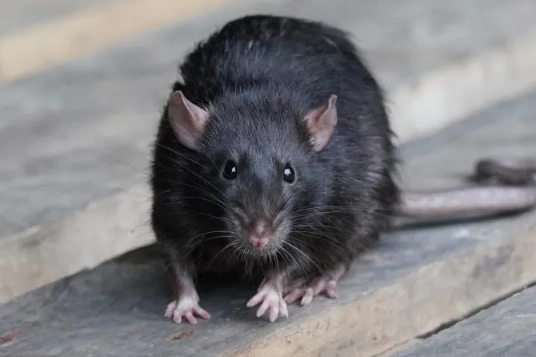
Preventing Norway Rat Infestations: Long-Term Strategies
Control isn't a one-time event. It's an ongoing state of vigilance. Make your property unattractive.
- Landscaping: Keep grass trimmed, remove thick ivy and ground cover near foundations, and store firewood at least 18 inches off the ground and away from structures.
- Waste Management: Use heavy-duty bins with tight-fitting lids. Don't let trash bags pile up outside.
- Storage: Store bulk food (including pet food and birdseed) in metal or heavy plastic containers with sealed lids.
- Regular Monitoring: Periodically check for new burrows, droppings, or gnaw marks, especially seasonally as rats seek shelter in fall.
This integrated approach—sanitation, exclusion, population control, and habitat modification—is what professionals call Integrated Pest Management (IPM). It's the only method that delivers lasting results.
LEAVE A REPLY
Your email address will not be published. Required fields are marked *