Jump Straight to What Matters
Let's cut to the chase. How long will a bed bug live? If you're hoping for a simple answer like "a few weeks," I hate to break it to you—it's more complicated. Under ideal conditions, an adult bed bug typically lives 6 to 12 months. But I've been in pest control for over a decade, and I've seen these critters stretch that to 18 months in cool, undisturbed places. That's right, they're tougher than most people think.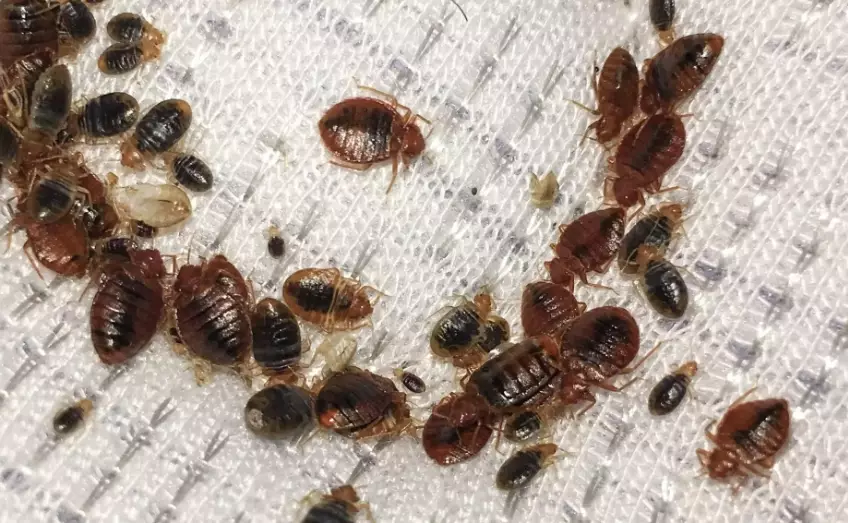
Why does this matter? Because if you're dealing with an infestation, knowing their lifespan helps you plan your attack. Misjudge it, and you might think they're gone when they're just hiding. I once had a client who moved out for three months, came back, and still got bitten. The bed bugs had survived on residual warmth and occasional pests like mice.
Understanding the Bed Bug Life Cycle
Bed bugs don't just pop into existence as adults. They go through a series of stages, each with its own timeline. Ignoring these stages is a common mistake—it's like assuming a toddler acts the same as a teenager.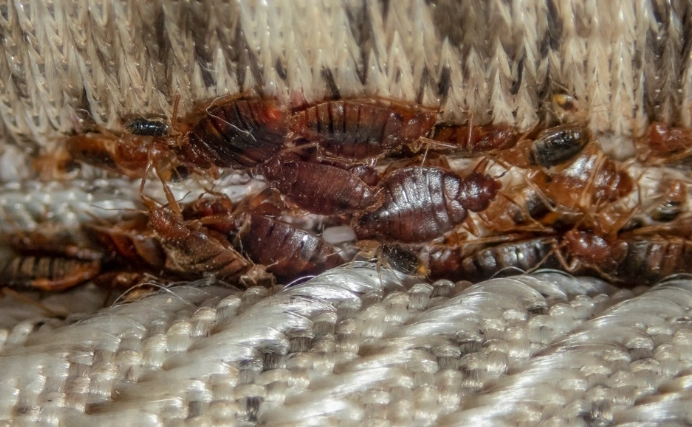
Egg Stage: How Long Do Bed Bug Eggs Last?
Eggs are where it all starts. A female bed bug can lay 1 to 5 eggs per day, usually in hidden cracks. These eggs are tiny, about the size of a pinhead, and have a sticky coating that makes them hard to remove.
Here's the kicker: eggs hatch in about 6 to 10 days under warm conditions (around 70°F to 80°F). But if it's cooler, say below 50°F, they can take up to 28 days. I recall a case in an unheated basement where eggs took nearly a month to hatch, delaying the infestation's spread.
Nymph Stages: The Growing Phases
After hatching, nymphs (young bed bugs) go through five molts before becoming adults. They need a blood meal between each molt. At room temperature, this whole nymph phase lasts about 5 to 8 weeks. But without food, they can stall. I've seen nymphs survive for months without feeding, just waiting for a host.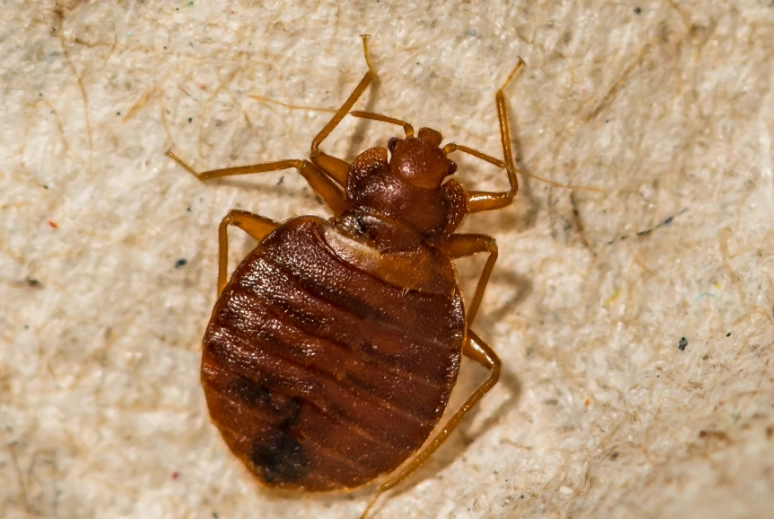
Each nymph stage is shorter than the last. The first stage might last a week, the fifth only a few days. This variability trips up DIYers who spray once and expect everything to die.
Adult Stage: Peak Lifespan and Reproduction
Adults are the real problem. They can live for months, feeding every 5 to 10 days. A single female can lay hundreds of eggs in her lifetime. In a warm apartment with regular meals, adults often hit that 6-12 month mark. But in a vacant house, they slow down—metabolism drops, and they enter a sort of hibernation.
I've dissected furniture and found adults that looked dead but revived after warming up. Creepy, but true.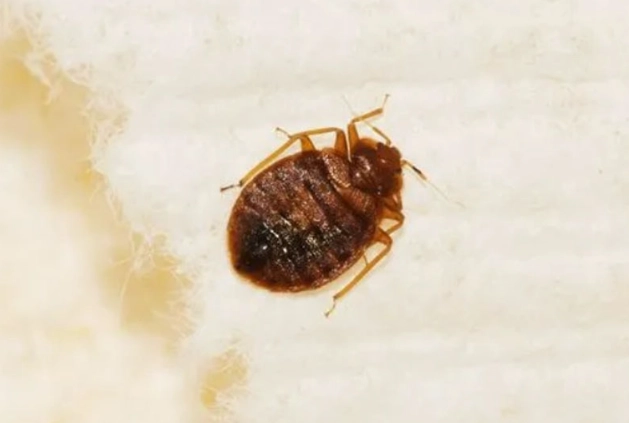
Quick Reference Table: Bed Bug Life Cycle Stages
| Stage | Average Duration | Key Notes |
|---|---|---|
| Egg | 6-10 days (warm) to 28 days (cool) | Requires temperatures above 50°F to hatch reliably. |
| Nymph (5 stages) | 5-8 weeks total with food | Each molt needs a blood meal; can survive months without. |
| Adult | 6-12 months (up to 18 months in ideal conditions) | Females lay eggs throughout life; lifespan depends heavily on environment. |
Key Factors That Affect Bed Bug Lifespan
If you think temperature and food are the only things that matter, you're missing half the picture. Bed bugs are adaptable, and small changes can extend or shorten their lives dramatically.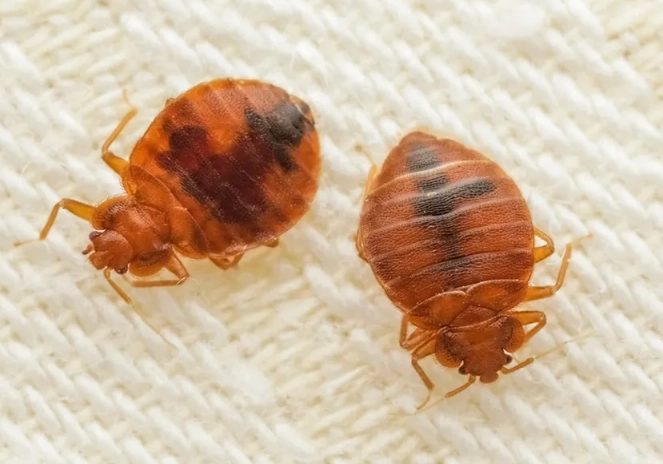
Temperature and Humidity: The Climate Impact
Bed bugs thrive at temperatures between 70°F and 80°F. Go above 113°F, and they die within minutes—that's the basis of heat treatments. Go below 32°F, and they can freeze, but it takes days to be effective. I've used industrial heaters to raise room temps to 120°F, killing all stages in hours.
Humidity matters too. Low humidity (below 30%) can dehydrate them, shortening lifespan. In dry climates, I've seen infestations resolve faster naturally.
Access to Blood Meals: Feeding Frequency
Bed bugs need blood to grow and reproduce. Adults can feed every few days, but they're not picky—they'll take blood from humans, pets, or even birds. If food is scarce, they enter a dormant state. I've found adults that survived 6 months without feeding in a sealed mattress, barely moving.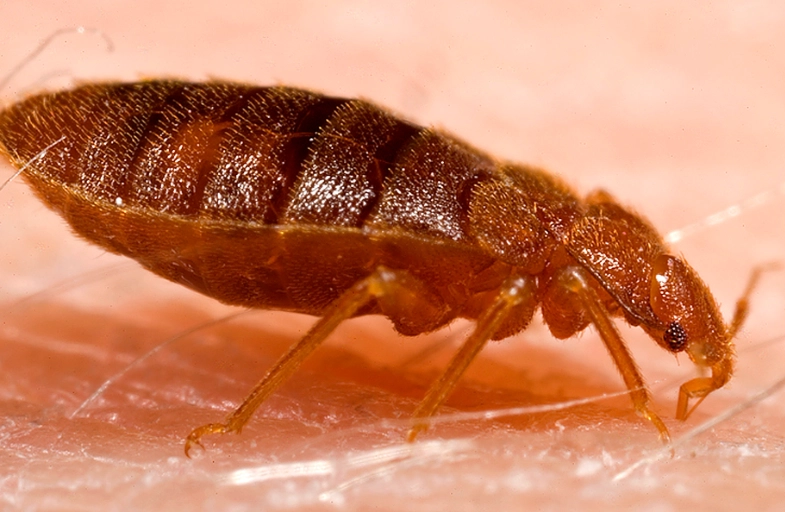
Here's a nuance: nymphs are more vulnerable. Without a meal after hatching, they often die within a few weeks. But adults? They're the marathon runners.
Environmental Conditions: Hiding Spots and Disturbances
Clutter is a bed bug's best friend. More hiding spots mean less disturbance, longer life. In a cluttered home, infestations persist for years. I once cleared a hoarder's house and found bed bugs that had likely been there for over two years, breeding continuously.
Regular cleaning and vacuuming can shorten their lifespan by disrupting hiding spots. But it's not a cure-all—eggs are often untouched.
How Long Can Bed Bugs Live Without Food?
This is the million-dollar question for anyone hoping to starve them out. The answer isn't straightforward. Adult bed bugs can survive 2 to 6 months without a blood meal, depending on temperature. In cooler environments (around 50°F), I've documented survivals up to 18 months in lab-like conditions.
Nymphs are less resilient—they might last 2 to 3 months without food. Eggs, of course, don't need food until they hatch.
So, if you're thinking of leaving your home vacant to solve the problem, think again. Unless you combine it with extreme temperatures or insecticides, those bed bugs might outlast your patience.
A personal story: a friend tried the "vacancy method" for four months. When he returned, the bed bugs were still there, albeit weaker. He ended up needing professional heat treatment. It cost more than if he'd acted sooner.
Practical Tips to Shorten Bed Bug Lifespan
Knowing their lifespan is useless without action. Here are strategies I've used successfully, based on disrupting their life cycle.
Heat Treatment: Using Temperature to Kill
Heat is the most effective way to shorten their lifespan to zero. Professional services raise room temperatures to 120°F-140°F for several hours. This kills all stages, including eggs. DIY methods like steam cleaners can help for small areas, but whole-room heat requires equipment.
I recommend heat for severe infestations because it's quick and chemical-free. But it's pricey—often $1,500 to $3,000 per home.
Chemical Control: Insecticides and Their Efficacy
Not all insecticides work the same. Pyrethroids are common but many bed bugs have developed resistance. I prefer products with multiple active ingredients, like those combining pyrethroids and neonicotinoids. Always follow label instructions and consider hiring a pro.
The Environmental Protection Agency (EPA) maintains a list of registered bed bug products. Look for those with residual effects to tackle nymphs over time.
Natural Methods: Do They Work?
Diatomaceous earth (DE) is popular—it dehydrates bed bugs, shortening their lifespan by days to weeks. But it's slow and messy. I've seen it reduce populations, but rarely eliminate them alone.
Essential oils like tea tree oil? Mostly folklore. They might repel briefly, but don't count on them for control.
Common Myths About Bed Bug Lifespan
Let's bust some myths I hear all the time.
- Myth 1: Bed bugs only live a few weeks. False. Adults can live months, even without food.
- Myth 2: They die quickly in cold weather. Partially true. They can survive freezing temps for days if insulated in furniture.
- Myth 3: Cleaning alone kills them. Cleaning helps by removing hiding spots, but eggs and nymphs often survive vacuuming.
The biggest myth? That bed bugs are easy to eradicate. In reality, their lifespan makes them persistent. You need a multi-pronged approach.
Frequently Asked Questions
Wrapping up, understanding how long a bed bug will live isn't just trivia—it's a weapon. These pests are resilient, but by targeting their lifespan weaknesses, like temperature sensitivity and feeding needs, you can gain the upper hand. Don't underestimate them; plan your strategy with patience and precision.
LEAVE A REPLY
Your email address will not be published. Required fields are marked *