You’ve seen the mounds. Bare patches of earth, sometimes decorated with pebbles or bits of charcoal, with a single, unassuming hole in the center. No frantic activity, just the occasional ant marching in or out. This isn't your typical ant colony. This is the domain of the harvester ant, one of North America's most fascinating and misunderstood social insects. They don't invade your kitchen for sugar. Their target is seeds. I’ve spent years observing them, and most people get them completely wrong, either panicking unnecessarily or underestimating their impact until it's too late for their lawn.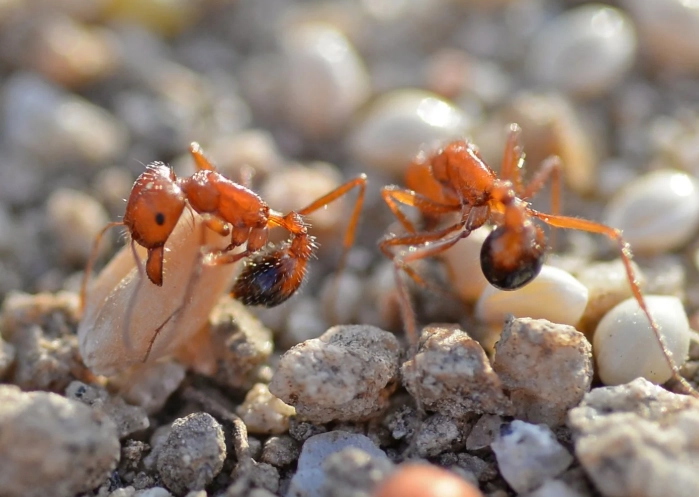
Quick Navigation Guide
What Exactly Are Harvester Ants?
Let's clear something up first. "Harvester ant" isn't one species. It's a common name for several genera, primarily Pogonomyrmex in the US, known for their seed-based diet. Think of them as the agriculturalists of the ant world. While other ants are out hunting or farming aphids, harvester ants are managing their granaries.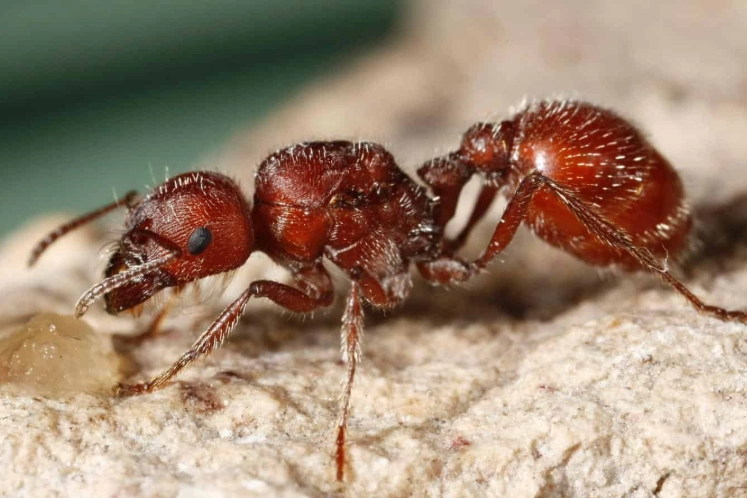
Their most distinctive feature? The huge, muscular workers. I mean, look at their heads. They have massive mandibles, not for biting you (usually), but for cracking and carrying seeds. Their bodies are often a reddish-brown color, and they move with a deliberate, almost ponderous gait compared to the frantic scurry of an Argentine ant.
They thrive in dry, open areas. Think grasslands, deserts, roadsides, and, yes, the middle of your well-manicured lawn if it's sunny and not too damp. Their entire lifecycle is tuned to this environment. University of Arizona research highlights their critical role in seed dispersal and soil aeration in these arid ecosystems. They're not just there; they're actively shaping the landscape.
How to Spot a Harvester Ant Nest (It’s Not Just a Hole)
Identification is half the battle. A harvester ant nest has a signature look that sets it apart from fire ant mounds or the hidden nests of other species.
- The Mound: It's usually a flat or slightly raised disc of bare, cleared soil, ranging from a dinner plate to several feet across. They meticulously remove all vegetation. This isn't laziness; it's a firebreak and a temperature regulation strategy. The cleared area prevents plant roots from disturbing the nest and reduces fuel for wildfires.
- The Decor: This is the part most people miss. Look closely at the soil surface around the entrance. You'll often see a collection of pebbles, bits of dried vegetation, or even tiny fragments of charcoal. They use these as a sort of mulch or sunshade. I once saw a nest decorated with tiny fragments of blue glass—ants aren't picky about aesthetics.
- The Entrance: A single, clean hole, often right in the center. It might be surrounded by a tiny crater of fine soil. At night or during the hottest part of the day, they'll often plug this hole with pebbles to control humidity and temperature.
- The Foraging Trails: Look for cleared, slightly depressed pathways radiating out from the nest. These are their highways. You'll see workers traveling in a steady, single-file line along these trails, sometimes for dozens of yards.
Here’s a quick comparison to avoid confusion: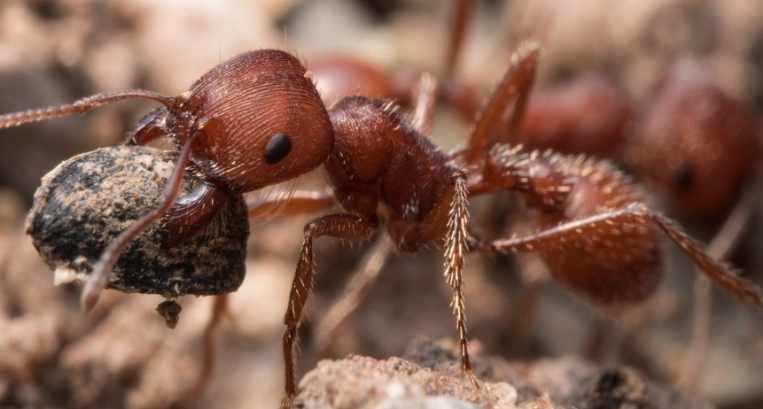
| Feature | Harvester Ant Nest | Fire Ant Mound |
|---|---|---|
| Shape | Flat, disc-like clearing | Dome-shaped, fluffy soil pile |
| Surface | Bare soil, often with pebbles/debris | Loose soil, no debris |
| Entrance | Single central hole, often plugged | Multiple, often unseen entrances |
| Ant Behavior | Slow, deliberate foragers | Aggressive, swarm quickly when disturbed |
Are Harvester Ants Actually Bad?
This is where nuance matters. They're not "bad" in an ecological sense. In fact, they're beneficial natives. They aerate soil, disperse seeds (some actually germinate better after being in their nest), and are a key food source for horned lizards and other wildlife.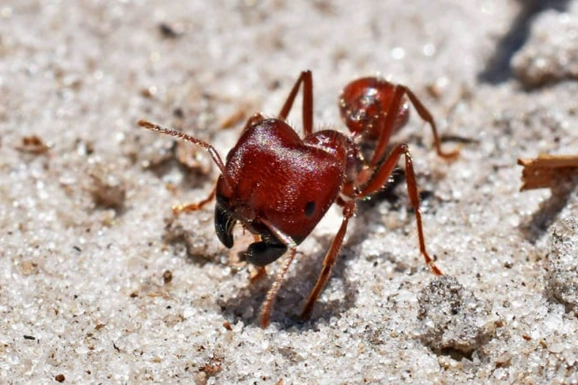
But from a human perspective, in the wrong place, they become a problem. The main issues are:
- Lawn and Garden Damage: That cleared area is a dead patch in your turf. Multiple nests can turn a green lawn into a polka-dot of bare dirt. They also harvest grass and flower seeds, preventing natural reseeding.
- Stings: They can and will sting if their nest is threatened. It's a sharp, painful sting, often compared to a honeybee's. Unlike fire ants, they don't swarm en masse to attack, but a single guard ant can deliver a memorable deterrent. I've been stung once while kneeling too close to an entrance—it was a quick, pointed reminder of their personal space.
- Livestock and Pets: In rangeland, large colonies can reduce forage by removing grasses and seeds. Pets curious about the mound might get stung on the nose or paw.
So, the decision to control them isn't about good vs. evil. It's a practical assessment: Is the nest in a high-traffic area, ruining landscaping, or posing a risk to kids or pets? If it's in a back corner of a naturalized field, maybe let it be. If it's in the middle of the backyard soccer field, action is needed.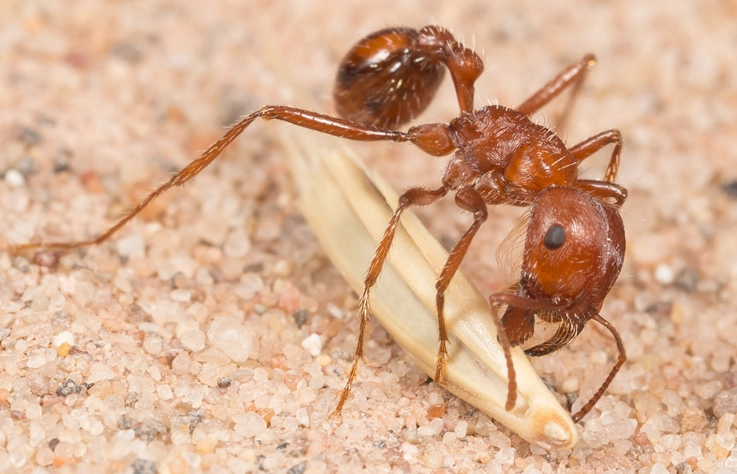
Harvester Ant Control: What Works and What’s a Waste of Time
Most people grab a can of generic ant spray and blast the entrance. This is the biggest mistake you can make. It kills the foragers you see and maybe a few guards, but the queen and the brood chambers are deep—sometimes 10 feet or more underground. The colony just seals off the contaminated tunnels and waits you out.
Effective control requires getting poison deep into the nest, where the queen is. Here are the methods, ranked by effectiveness in my experience:
- Ant Baits (The Best Option): This is the gold standard. Use granular insecticide baits specifically labeled for harvester ants. The key is the carrier. They prefer seed-based baits (like corn grit) over sugary ones. The workers take the granules back to the nest, share them as food, and the poison spreads through the colony. It’s slow (can take 1-3 weeks) but thorough. Brands like Amdro Pro or Extinguish Plus work well. Apply when ants are actively foraging, usually in the cooler mornings or evenings.
- Dust Insecticides: Products like diatomaceous earth or insecticidal dusts (e.g., Delta Dust) can be puffed lightly into the entrance. The fine particles coat the ants and are carried deeper. This can be effective but is more hit-or-miss than baits.
- Boiling Water & Home Remedies: Pouring boiling water down the hole is a common suggestion. Let me be blunt: it rarely works. The nest structure is vast and deep. You might kill a fraction of it, and the colony will simply move or rebuild. Vinegar, cinnamon, and other kitchen solutions are equally futile against an established nest.
- Professional Extermination: For large or multiple nests, this is the surest path. Pros have access to stronger pesticides and specialized equipment to deliver treatment deep into the soil profile.
Beyond the Pest Label: Their Fascinating Behavior
If you can step back from seeing them as a nuisance, their behavior is incredible. I’ve spent hours just watching a single foraging trail.
Their communication is primarily through pheromones, laying down scent trails to food sources. But they also use tactile signals—tapping each other with their antennae. On hot days, you'll see the largest workers (majors) stand guard at the entrance, literally blocking it with their big heads to regulate the internal climate.
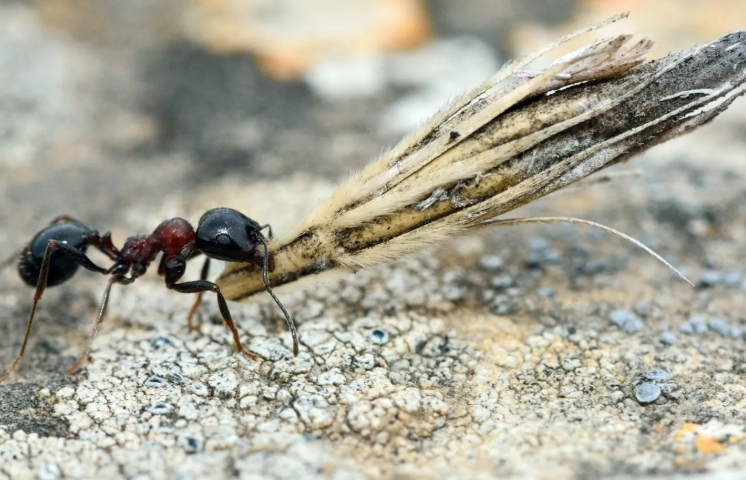
Their seed processing is a marvel. They store seeds in underground chambers. Some seeds have hard coats that need to be cracked. Others might be damp and need to be brought to the surface to dry. They even have designated waste chambers—"middens"—where they dump husks and debris, often creating a separate, smaller mound nearby.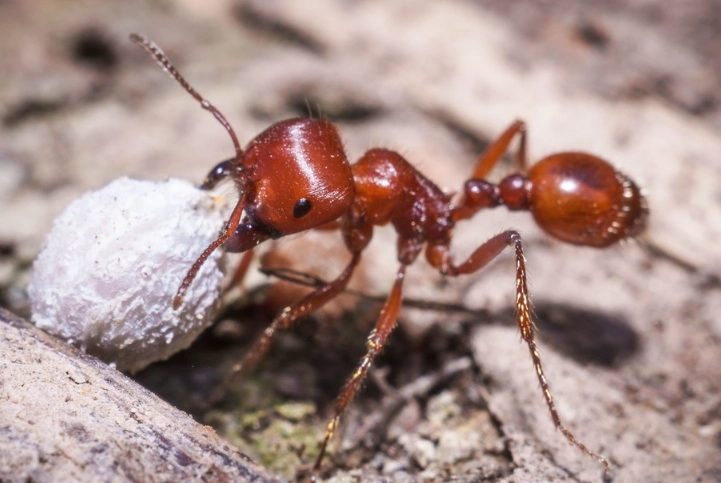
And then there's the nuptial flight. On warm, humid days after a rain, usually in late summer, the colony will release winged reproductive males and females. It's a spectacular, if brief, event. The air can be full of them. Most will be eaten by birds, but the mated queens will land, shed their wings, and attempt to start a new colony, beginning the cycle again.
LEAVE A REPLY
Your email address will not be published. Required fields are marked *