You've probably seen one. A dark, slender insect scurrying under a flower pot or, worse, on your bathroom floor. Those unmistakable pincers at the rear end make it look like something from a sci-fi movie. That's an earwig. And if you're searching for "what is an earwig," you're likely equal parts curious and concerned. Let's cut through the myths right now. An earwig is a common, mostly harmless outdoor insect that sometimes wanders indoors by accident. It's not plotting to crawl into your ear, and it's rarely a serious threat. But seeing a bunch of them? That's a different story. This guide isn't just a list of facts; it's the practical manual I wish I had when I first found a dozen earwigs in my basement window well years ago.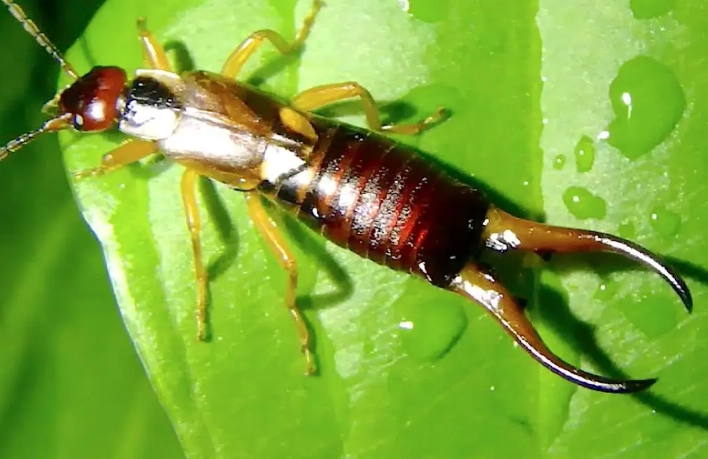
What's Inside This Guide?
What an Earwig Really Is (And Isn't)
Biologically, earwigs belong to the order Dermaptera. The name itself is a clue—"derma" for skin, "ptera" for wing. They have leathery forewings, which is a feature most people never notice because they rarely fly. The common name "earwig" comes from the Old English "ēarewicga," which roughly means "ear creature," fueled by the ancient and persistent myth that they crawl into human ears to lay eggs. Let's be crystal clear: this is virtually a complete fabrication. Earwigs seek dark, tight, moist spaces, but a human ear canal isn't a preferred habitat. The myth is more folklore than entomology.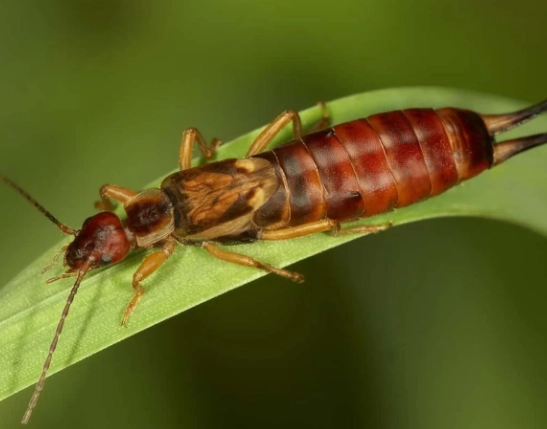
What most online guides don't tell you is that earwigs are actually somewhat beneficial in the garden. They're omnivorous scavengers and predators. I've watched them munch on decaying plant matter and, more importantly, on aphids and other soft-bodied pest insect eggs. The problem starts when their population booms, or when their search for moisture leads them from your lush garden into your damp basement.
How to Spot an Earwig: A Simple Identification Key
If you think you have earwigs, you need to be sure. Many insects get mistaken for them. Here’s exactly what to look for.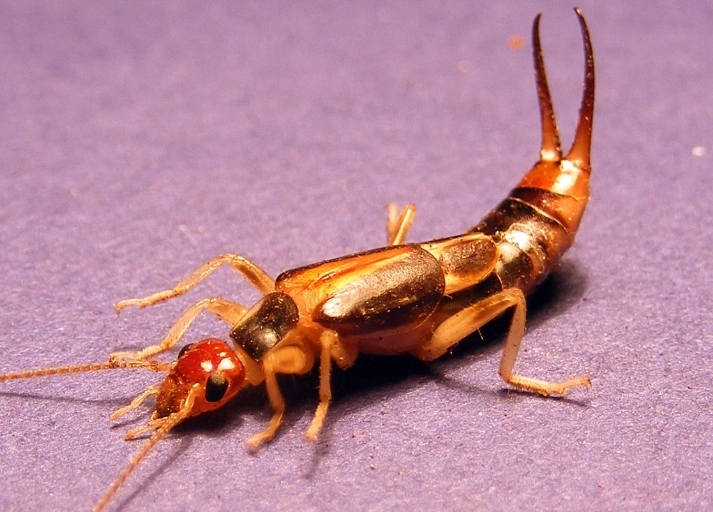
The Tell-Tale Signs: Pincers and Body Shape
The most obvious feature is the pair of forceps-like cerci at the tip of the abdomen. Males have curved, robust pincers, while females' are straighter and more parallel. Their bodies are elongated, flattened, and range from reddish-brown to dark black. They're typically about 1/2 to 3/4 inch long. They have six legs and a pair of antennae. If it has a similar shape but no pincers, it's likely a cockroach nymph or another beetle.
Common Earwig Species You Might Encounter
While there are nearly 2,000 species worldwide, two dominate in human environments: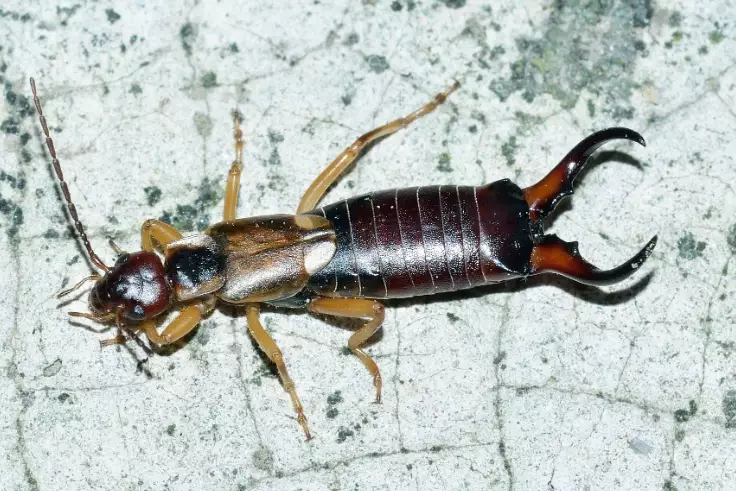
| Species | Key Identifying Features | Typical Habitat |
|---|---|---|
| European Earwig (Forficula auricularia) | Dark brown body, light brown legs and antennae. The most common invader. | Gardens, under mulch, leaf litter, foundation cracks. The one you'll find indoors. |
| Ring-legged Earwig (Euborellia annulipes) | Dark, almost black, with distinctive pale bands on its legs. Cannot fly. | Often found in more southern regions, in greenhouses and damp agricultural areas. |
Earwig Life & Behavior: Why They're in Your Space
Understanding their behavior is the key to control. Earwigs are nocturnal. They hide during the day in any crack, crevice, or moist refuge. At night, they become active, foraging for food. They are attracted to moisture above all else. A leaky spigot, a clogged gutter, overwatered flower beds, or a damp crawl space is like a five-star hotel for them.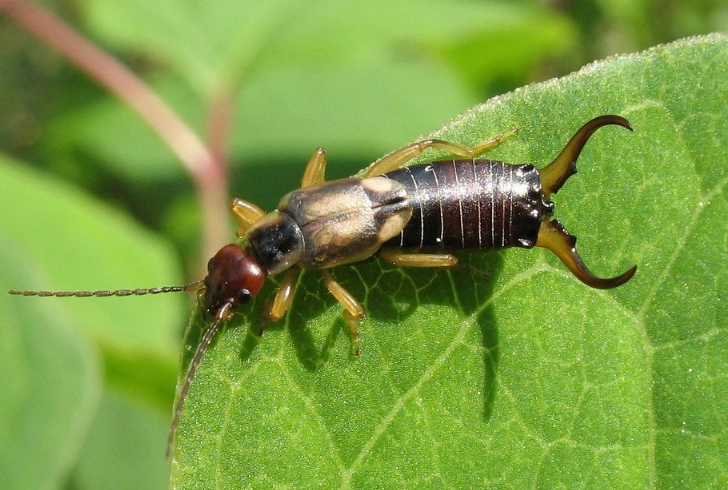
Their life cycle is interesting. The female earwig is an unusually caring mother for an insect. She lays eggs in a chamber in the soil in winter, guards them fiercely, and even cleans them to prevent mold. After hatching, she tends to the nymphs until they molt for the first time. This maternal care is a big reason why localized populations can explode under the right conditions.
So, why are they in your house? Simple. They didn't break in to attack. They wandered in because outside conditions became too dry, too hot, or too crowded, and the crack under your door or the gap in your foundation led to a nice, damp basement or bathroom. It's almost always an accident.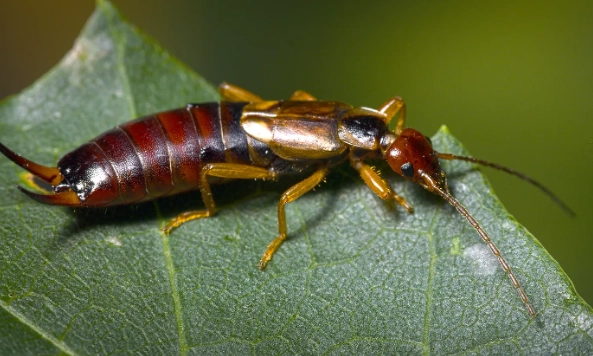
Are Earwigs Dangerous? The Real Risk Assessment
Let's break down the actual risks, because the fear often outweighs the reality.
- To Humans: Essentially harmless. They can pinch with those cerci if handled or trapped against skin, but they cannot sting, and their pinch rarely breaks skin. It's more of a surprise than an injury. They do not spread diseases. The primary "harm" is the nuisance and disgust factor of finding them indoors.
- To Plants: This is where the real debate lies. In low numbers, their damage is minimal and often outweighed by their predation of worse pests. In high numbers, they can become a problem, especially for seedlings, soft fruits (like strawberries), and flowers such as dahlias, zinnias, and clematis. They chew irregular holes and can skeletonize leaves.
- To Property: No. They do not eat wood, wiring, or fabric. They do not cause structural damage.
How to Control Earwigs: From Prevention to Elimination
Control is a spectrum, from making your space less inviting to direct removal. Start with prevention; it's always easier.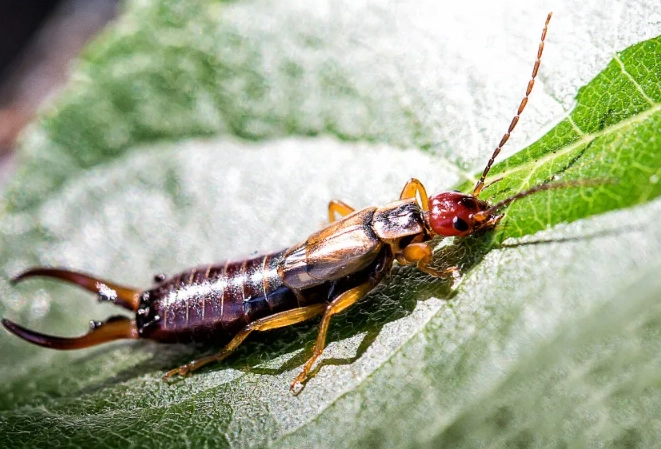
Step 1: Habitat Denial (The Most Effective Step)
Make your property less appealing. This is non-negotiable.
- Reduce Moisture: Fix leaky faucets, ensure downspouts direct water away from the foundation, improve soil drainage, and avoid overwatering garden beds right next to the house.
- Eliminate Hiding Places: Move mulch, wood piles, and compost bins at least a few feet away from your home's foundation. Keep the perimeter clear of leaf litter and dense vegetation.
- Seal Entry Points: Caulk cracks in the foundation, install door sweeps, and repair torn window screens. Pay special attention to areas where pipes and utilities enter the house.
Step 2: Trapping and Monitoring
Before reaching for chemicals, try traps. They're effective and tell you how bad the problem is.
The classic rolled newspaper or cardboard tube trap works. Roll up a section of newspaper, dampen it slightly, and place it in the garden bed overnight. In the morning, shake the trapped earwigs into a bucket of soapy water.
My personal favorite is the low-sided can trap. Take a small tuna can or plastic container, sink it into the soil so the rim is level with the surface, and fill it halfway with a mix of soy sauce and vegetable oil. The soy sauce attracts them, the oil traps and drowns them. Check and refresh these every couple of days.
Step 3: Targeted Intervention
If traps are overflowing and damage is significant, you may need more.
- Diatomaceous Earth (DE): A fine, abrasive powder made from fossilized algae. Sprinkle a thin layer in dry areas where earwigs travel (along foundations, under siding). It damages their exoskeleton, causing them to dehydrate. It's non-toxic but must stay dry to work. Wear a mask when applying.
- Insecticides: Use as a last resort. Look for perimeter sprays containing pyrethroids. Apply according to the label, focusing on the foundation, around doors, and other entry points. Never blanket-spray your garden—you'll kill the beneficial insects that naturally keep earwigs in check. The University of California Statewide Integrated Pest Management Program has excellent, science-backed guidelines on selective insecticide use if you go this route.
Your Earwig Questions, Answered by Experience
So, what is an earwig? It's a fascinating, misunderstood insect that plays a complex role in your garden's ecology. It's not a monster, but it can become a nuisance. The goal isn't eradication from the planet—that's impossible and ecologically unwise. The goal is management. By understanding their need for moisture and shelter, you can make your home and garden less inviting, using simple traps for monitoring and control. Start with the habitat changes. Be patient. Often, that's all it takes to shift the balance back in your favor.
LEAVE A REPLY
Your email address will not be published. Required fields are marked *