Let's be honest. You feel a sharp little pinch, look down, and see a small, fuzzy spider with big eyes hopping away. Your heart skips a beat. A jumping spider bite? Panic starts to set in. Is it poisonous? Do you need to go to the hospital? Should you suck out the venom?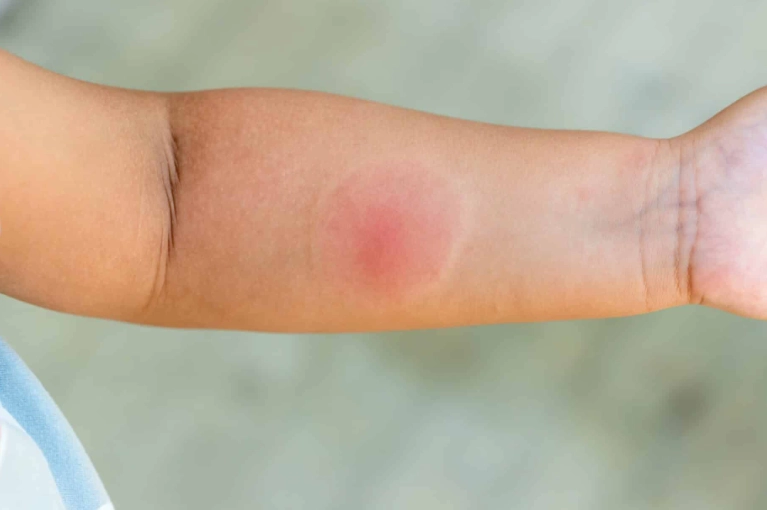
Take a deep breath. In over 99% of cases, a bite from a jumping spider (family Salticidae) is a minor, forgettable event. I've handled dozens of inquiries about them, and the biggest issue is usually the anxiety, not the bite itself. But knowing exactly what to do—and more importantly, what not to do—turns a scary moment into a simple, manageable one. This guide cuts through the myths and gives you the clear, actionable steps you need.
What’s Inside
What Does a Jumping Spider Bite Look and Feel Like?
Jumping spiders are curious, not aggressive. They bite only in extreme self-defense—think getting trapped between your skin and clothing. Their fangs are tiny. The experience is far less dramatic than movies suggest.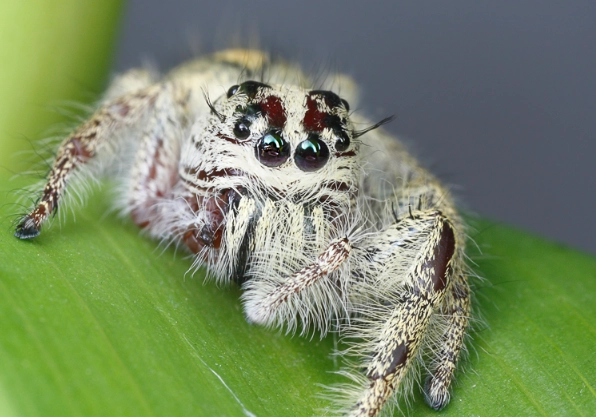
The initial sensation is often a quick, sharp pinprick or a mild sting. It might surprise you more than hurt.
Within minutes to an hour, you'll likely see a small, red bump. Think mosquito bite size, maybe slightly smaller. The center might have two tiny, almost invisible puncture marks, but often it's just a single red spot.
Common symptoms include:
- Localized redness and mild swelling (confined to the immediate bite area).
- Itching or a mild burning sensation.
- Minor tenderness to the touch.
These symptoms usually peak within the first day and fade significantly over the next 2-3 days. By day 4 or 5, you might just have a faint red dot.
Key Takeaway: A typical salticidae bite reaction is localized and mild. If your entire forearm is swelling up from a bite on your wrist, that's not a normal jumping spider response. That points to either a different culprit (like a different spider or insect) or a secondary bacterial infection from scratching.
How to Treat a Salticidae Bite at Home: A Step-by-Step Guide
You can handle this yourself. Here’s the simple, effective protocol I recommend.
Step 1: Stay Calm and Identify
First, don't swat wildly. If you can, safely look at the spider. Those huge, forward-facing eyes and compact, fuzzy body are dead giveaways. Confirming it was a jumper immediately eliminates 90% of the worry about severe venom.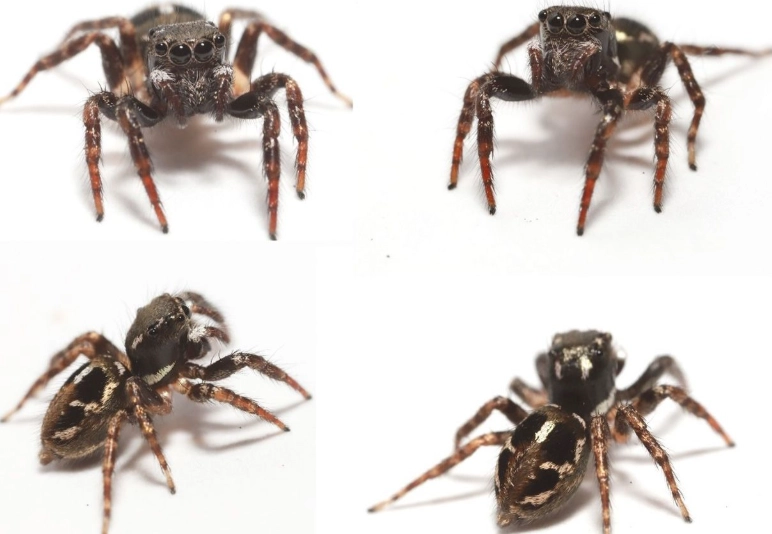
Step 2: Clean the Area
Wash the bite with mild soap and cool water. Pat it dry gently with a clean towel. This basic step is crucial to prevent a bacterial infection, which is a more common complication than any venom effect.
Step 3: Reduce Swelling and Itch
Apply a cold compress or an ice pack wrapped in a thin cloth to the area for 10-15 minutes at a time, several times a day for the first 24 hours. This reduces inflammation and numbs the itch.
For persistent itching, an over-the-counter hydrocortisone cream (1%) or an oral antihistamine like cetirizine or loratadine works wonders. Calamine lotion is another old-school favorite.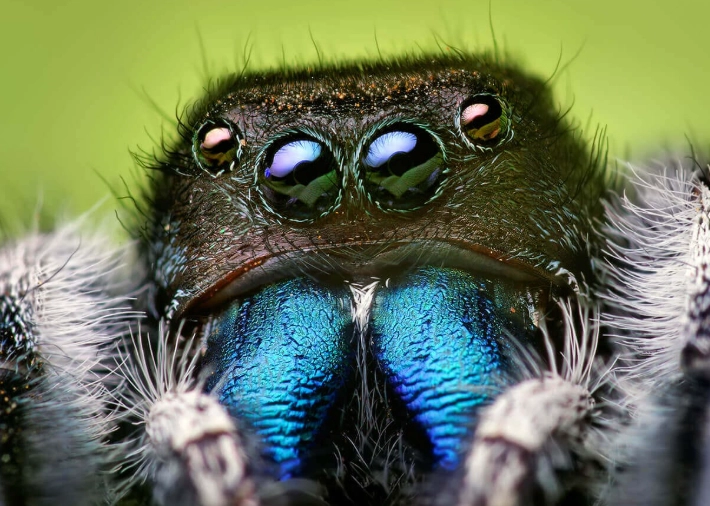
Step 4: Monitor and Avoid Agitation
Keep the area clean and dry. Avoid scratching—I know it's hard. Trim your nails if you have to. Scratching breaks the skin and lets bacteria in, turning a harmless bite into an infected one.
Most bites resolve with this basic care. The goal is comfort and preventing secondary issues.
When Should You Actually Worry? (Red Flags)
While extremely rare, it's smart to know the signs that mean a trip to the doctor or urgent care is warranted. These are not typical for salticidae bites, but reacting to them is important.
- Signs of Infection: Increasing redness, swelling, warmth, or pain after the first 24-48 hours. Pus or yellow drainage. Red streaks spreading from the bite site. Fever or chills.
- Severe Allergic Reaction (Anaphylaxis): This is exceptionally rare from spider bites but is a medical emergency. Look for difficulty breathing, swelling of the lips/tongue/throat, dizziness, rapid heartbeat, or a widespread rash/hives. Call emergency services immediately.
- Unusual or Severe Symptoms: Intense pain, muscle cramps, nausea, or sweating that seems disproportionate to a tiny bite. This strongly suggests the biter was not a jumping spider.
Bottom Line: Trust your gut. If the bite looks or feels wildly different from the mild, localized reaction described above, or if you just feel "off," get it checked out. It's always better to have a professional confirm it's nothing serious.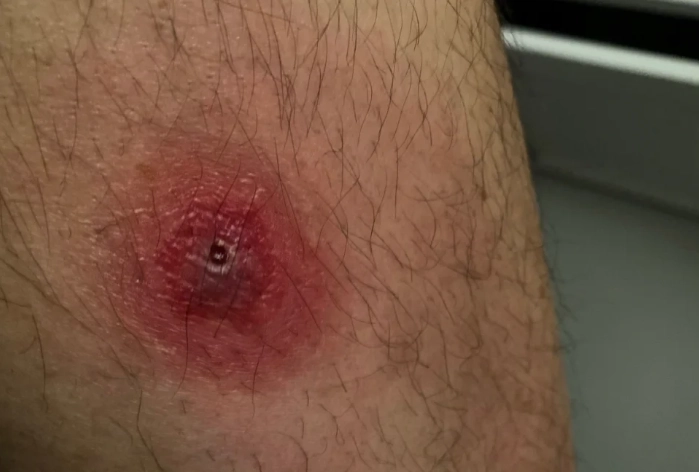
Jumping Spiders vs. Other Spiders: A Quick Symptom Comparison
The fear often comes from not knowing what bit you. This table helps differentiate a common jumper bite from bites of more medically significant spiders you might be worried about, like the brown recluse or black widow.
| Spider Type | Typical Bite Appearance & Sensation | Key Differentiators |
|---|---|---|
| Jumping Spider (Salticidae) | Instant sharp pinch. Small red bump, mild itch/swelling. Fades in days. | Localized reaction only. No systemic symptoms. Spider is often seen (fuzzy, big eyes, jumps). |
| Brown Recluse | Often painless at first. Redness develops, may form a blister surrounded by a pale ring, then a dark, ulcerating wound over days/weeks. | "Volcano lesion" – tissue damage evolves slowly. Severe pain develops later. Spider is shy, violin marking, not fuzzy. |
| Black Widow | Sharp pinprick, then dull ache. Two fang marks possible. Severe muscle cramps, abdominal pain, sweating, nausea within hours. | Systemic neurotoxic effects – the pain spreads from bite site. Spider has glossy black body, red hourglass. |
| Hobo Spider | Painless initially. Becomes itchy/hard within 30 min. Can develop blistering, necrosis over 24+ hours (though medical significance is debated). | Slow-developing tissue changes. More common in Pacific Northwest. Not a jumper. |
See the pattern? Jumping spider bites don't cause systemic illness or slow tissue death. The reaction stays put.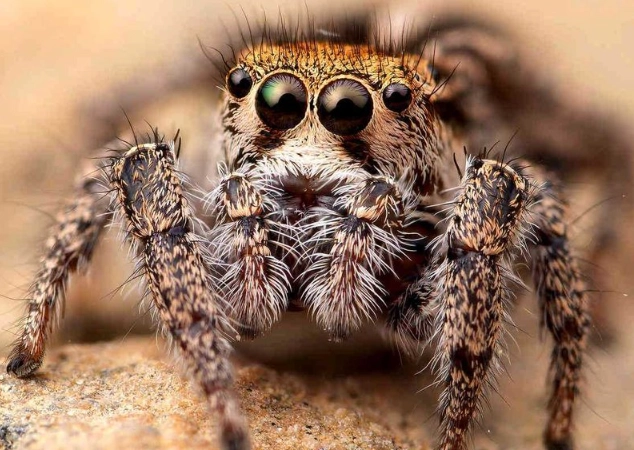
The One Mistake Everyone Makes with Spider Bites
Here’s the expert insight you won't find in every generic article: People drastically over-treat minor bites and under-treat infections.
The biggest error I see? Immediately applying heat or trying to “draw out” the venom. For a jumping spider bite (or any mild bite), heat increases blood flow and inflammation, making swelling and itching worse. The venom amount is minuscule; there's nothing to “draw out.” Save the warm compresses for later-stage muscle aches, not fresh bites.
The second mistake is ignoring the signs of a bacterial infection because they're waiting for “spider venom” symptoms. If a bite gets redder, more swollen, and more painful after two days, it's almost certainly infected, not envenomated. That requires a doctor for possible antibiotics, not more home remedy.
Treat the bite for what it is: a minor puncture wound. Focus on cleanliness, reducing inflammation, and managing itch. Don't create a bigger problem by over-intervening.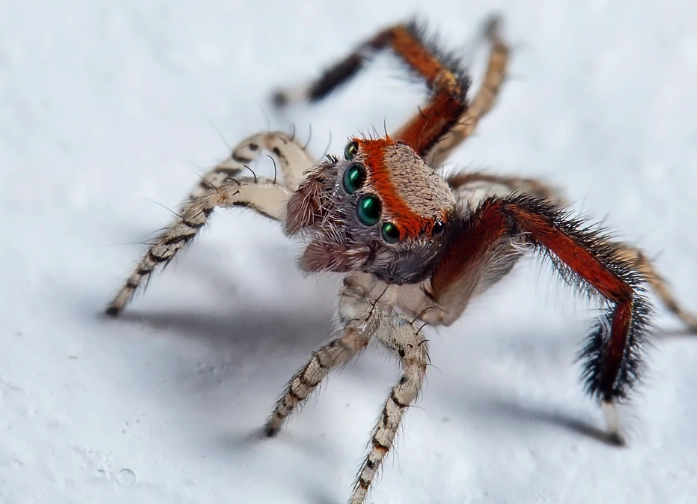
Your Jumping Spider Bite Questions, Answered
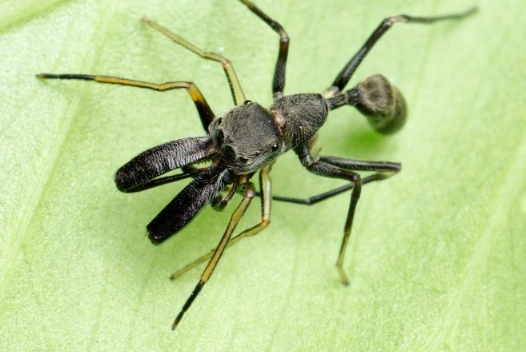
So, next time you cross paths with a curious jumper and get a surprise nip, don't panic. You're now equipped with the knowledge to handle it calmly and correctly. Wash it, cool it, don't scratch it, and watch it. You'll almost certainly be fine, and you've saved yourself a lot of unnecessary stress. These little spiders are more a part of the solution to bugs than they are a problem for you.
LEAVE A REPLY
Your email address will not be published. Required fields are marked *