Let's cut to the chase. If you're asking "do horse flies bite," you've probably felt that sharp, sudden pain or seen the angry welt it leaves behind. The answer is a definitive, and unfortunately memorable, yes. Unlike mosquitoes that sneak in a sip, a horse fly bite feels more like a surgical cut. I remember one summer hike where a horse fly got me on the ankle. The initial sting made me jump, but the real surprise was the itch that set in hours later—a deep, throbbing annoyance that lasted for days. It's not just a nuisance; for some, it can lead to serious reactions.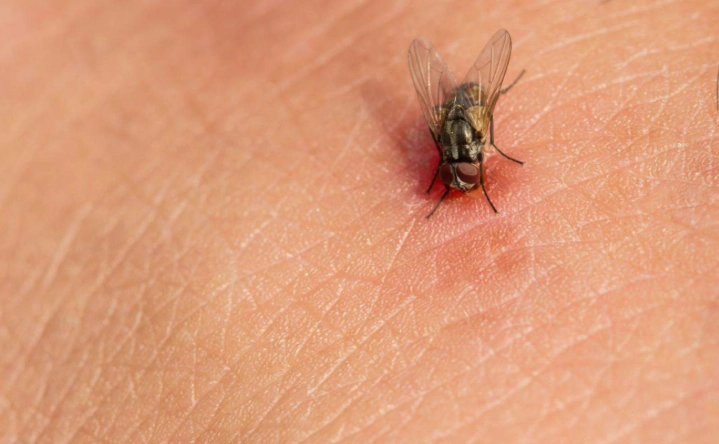
This guide isn't just about confirming they bite. We're going deep into why it hurts so much, what you should do the moment you're bitten (and what most people do wrong), and most importantly, how to make yourself less of a target. I've spent enough time around marshes and stables to learn their habits the hard way.
What You'll Find in This Guide
What Exactly Is a Horse Fly? More Than Just a Big Fly
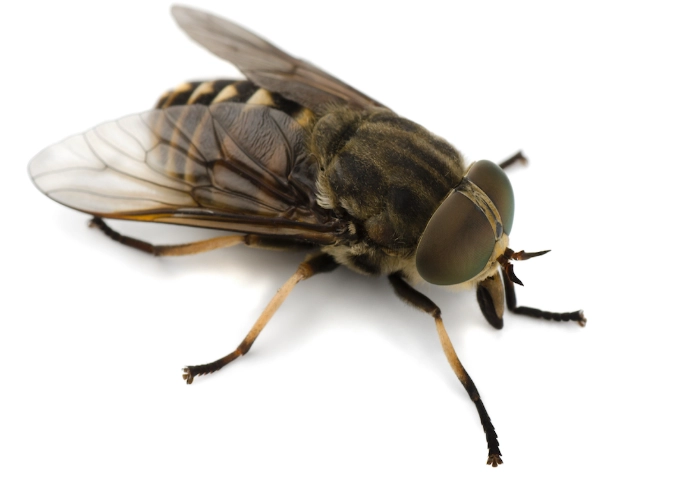
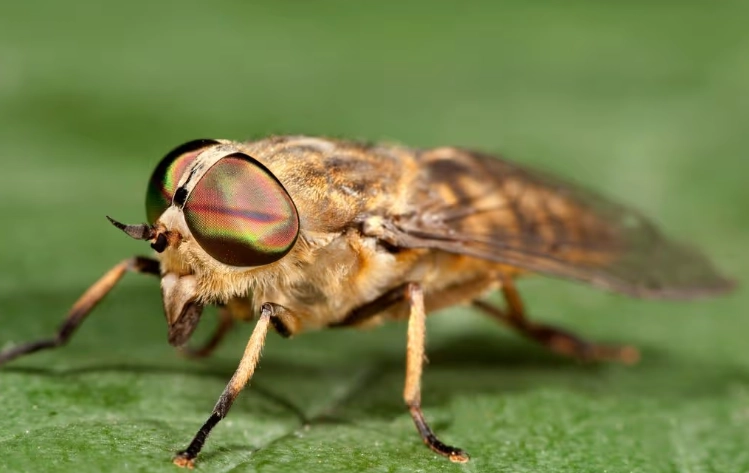
Horse flies are part of the Tabanidae family. They're the bruisers of the fly world. You can spot them by their size—often over an inch long—and those striking, iridescent eyes. The females are the ones that bite. They need a blood meal to develop their eggs. Males? They're harmless, sticking to nectar.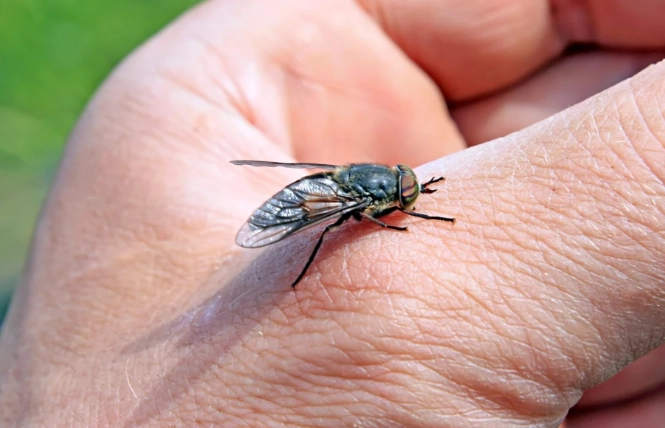
Their mouthparts are the stuff of nightmares. Instead of a needle-like proboscis, the female has a set of blades called mandibles and maxillae. They use them like microscopic scissors to slice the skin open. Then, they lap up the blood that pools in the wound. This "cut and lap" method is the core reason their bites are so painful and bleed more than a mosquito bite.
What Does a Horse Fly Bite Feel Like? (And Why It's Different)
People describe it in various ways: a hot pinch, a bee sting, or being jabbed with a lit cigarette. The initial pain is immediate and sharp because of those slicing mouthparts. You'll often feel it happen.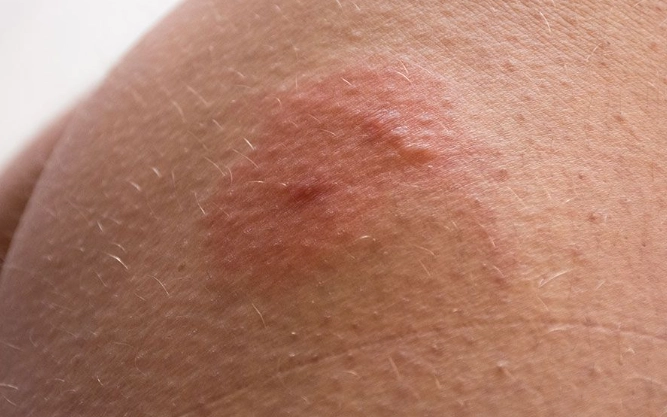
Here’s the progression most people experience:
- Instant Sharp Pain: A quick, cutting sensation.
- Localized Bleeding: The bite site may bleed or "weep" a little because it's an open cut.
- Swelling & Redness: Within minutes, a raised, red welt forms. It can be the size of a quarter or larger.
- Intense, Deep Itching: This kicks in after a few hours and can last for days. This is the body's reaction to the fly's anticoagulant saliva.
The real trouble starts if you have an allergic reaction to the saliva. Symptoms can include larger areas of swelling (like your whole forearm), dizziness, hives, or in rare cases, anaphylaxis. If you experience swelling of the lips or throat, or have difficulty breathing, seek medical help immediately.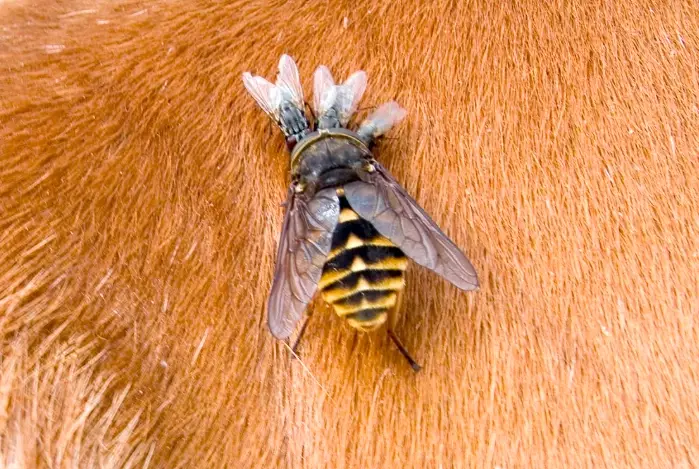
How to Treat a Horse Fly Bite: A Step-by-Step Guide
Most guides get the first step wrong. They tell you to wash it, which is good, but timing is everything.
The Critical First 5 Minutes: Right after the bite, your goal is to limit the amount of saliva that spreads under your skin. Don't scratch—it pushes the saliva around. Instead, apply firm pressure with a clean cloth or your fingers for a minute. Then, and only then, wash the area thoroughly with soap and cool water. This simple pressure step can reduce the size of the eventual welt by a surprising amount.
The Next 24-48 Hours (The Itch Management Phase):
- Cold Compress: Apply ice wrapped in a cloth for 10-15 minutes at a time. This reduces swelling and numbs the itch.
- Topical Treatments: Use an over-the-counter hydrocortisone cream (1%). Calamine lotion can also provide relief. For a natural option, a paste of baking soda and water works for some people, but its effect is usually short-lived.
- Oral Antihistamines: An oral antihistamine like cetirizine or loratadine can help control the systemic allergic response and the relentless itching, especially at night.
- Avoid Infection: Keep the area clean. The open nature of the bite makes it prone to bacterial infection. Signs include increasing redness, warmth, pus, or red streaks. If you see these, see a doctor. They may need antibiotic cream or pills.
How to Prevent Horse Fly Attacks: Make Yourself a Less Tasty Target
Prevention is infinitely better than treatment. Horse flies are visual hunters, attracted to movement, dark silhouettes, and carbon dioxide. Here’s how to outsmart them.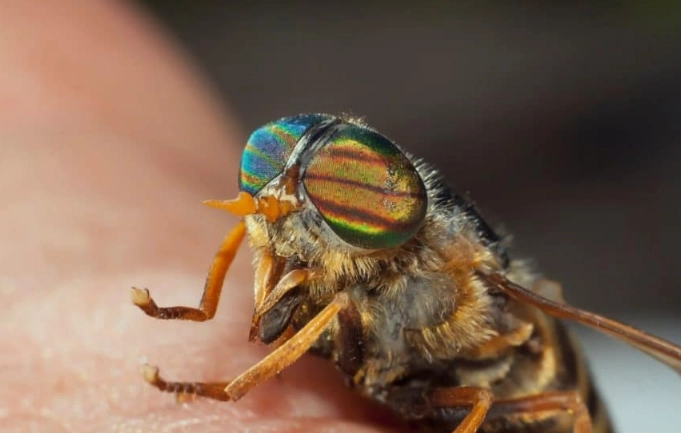
Personal Protection Strategies
Clothing is Your First Defense: Wear light-colored, long-sleeved shirts and pants. Tightly woven fabrics are better than loose knits they can bite through. A hat helps too.
The Right Repellent is Non-Negotiable: Forget citronella and most "natural" oils for horse flies—they laugh at them. You need the heavy artillery.
| Active Ingredient | How It Works | Effectiveness Against Horse Flies | Notes |
|---|---|---|---|
| DEET (20-30%) | Confuses insect scent receptors | High | The gold standard. Reapply every 4-6 hours. Safe when used as directed. |
| Picaridin (20%) | Similar to DEET, odorless | High | A great DEET alternative, less greasy, doesn't damage plastics. |
| Permethrin (for gear) | Insecticide – treat clothing, NOT skin | Very High | Treat your clothes, hat, and gear. Lasts through multiple washes. A game-changer for hikers. |
A common mistake is only spraying exposed skin. Spray your clothing as well, especially on the back, shoulders, and legs.
Environmental Controls
- Timing: Avoid peak activity times (late morning to late afternoon on hot, still days).
- Fans: Use outdoor fans on patios. Horse flies are strong but avoid turbulent air.
- Water Management: Eliminate standing water on your property. This is where they lay eggs.
- Traps: Commercial horse fly traps that use visual cues (black balls) and capture chambers can reduce local populations. They work best placed at the perimeter of an area, not where people gather.
Think of it as layering your defenses: right clothing + proven repellent + smart timing.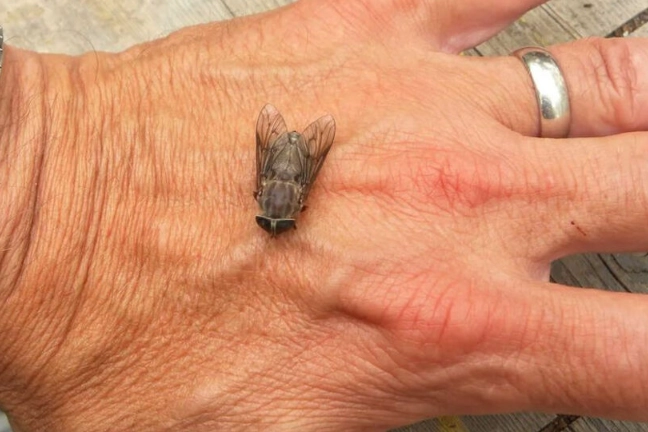
Your Horse Fly Questions Answered
LEAVE A REPLY
Your email address will not be published. Required fields are marked *