You find a bed bug. Panic sets in. Your first thought, after the shudder, is probably "how long do these things live?" You're hoping the answer is "a few days," but I'm sorry to say it's more like "a few months to over a year." That's the brutal truth. Understanding the bed bug lifespan isn't just academic—it's the key to beating them. If you think they'll just starve out in a few weeks, you'll set yourself up for a nasty, recurring infestation. I've seen it happen too many times. Let's cut through the noise and look at exactly how long bed bugs live at each stage, what keeps them going, and, most importantly, how this knowledge changes your elimination strategy.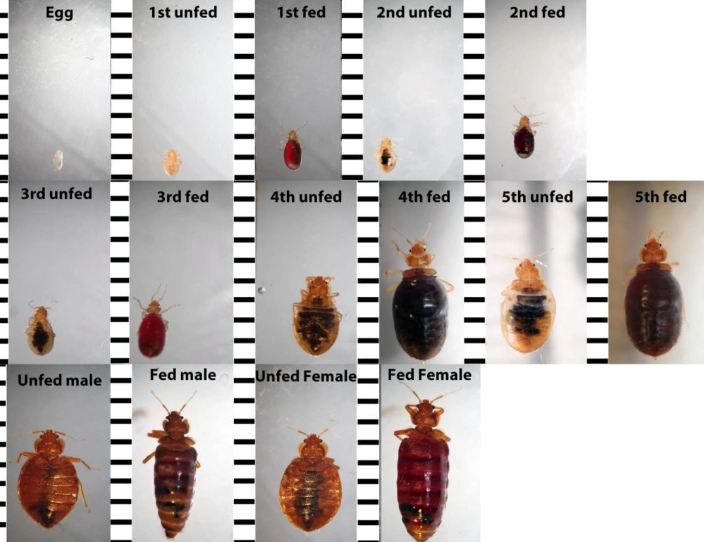
What You'll Find in This Guide
What Exactly is the Bed Bug Lifespan?
Throwing out a single number is misleading. A bed bug's life isn't a simple timer. It's a cycle influenced by food, temperature, and luck. From egg to adult, here’s what you're dealing with.
From Egg to Adult: The Lifecycle Timeline
Here’s a breakdown of each stage. This table isn't just for reference—it shows you where they're most vulnerable.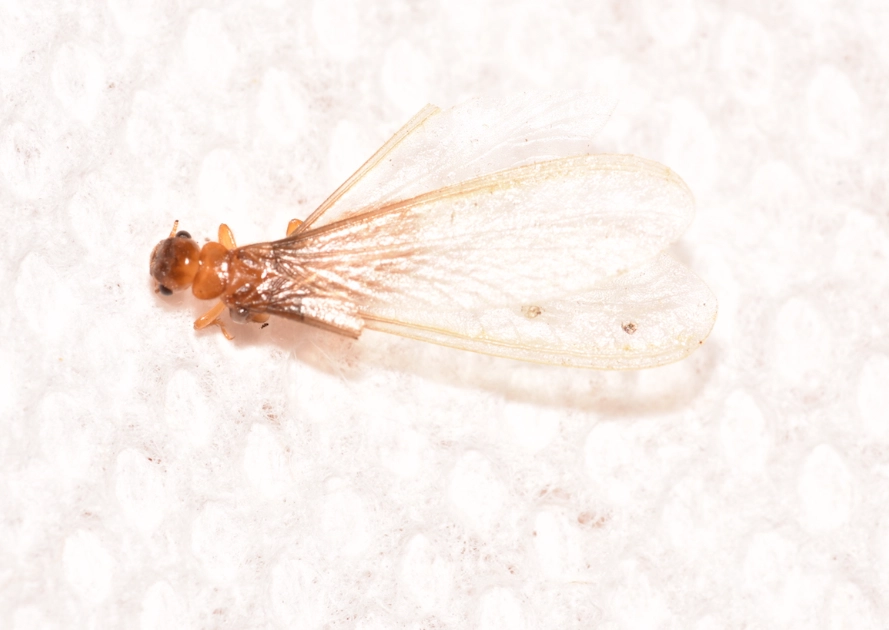
| Life Stage | Average Duration | Key Characteristics & Vulnerabilities |
|---|---|---|
| Egg | 6 to 10 days | Tiny, pearly white, glued to surfaces. They hatch faster in warmth. This is why heat treatment is so effective—it kills all stages at once. |
| Nymph (1st Stage) | ~5 days (after feeding) | Must feed on blood to molt to the next stage. They can appear nearly translucent. If they don't feed, they're stuck. |
| Nymph (2nd to 5th Stage) | About a week per stage (after each meal) | Each stage looks slightly larger and darker. They need a blood meal before every single molt. Five stages total. |
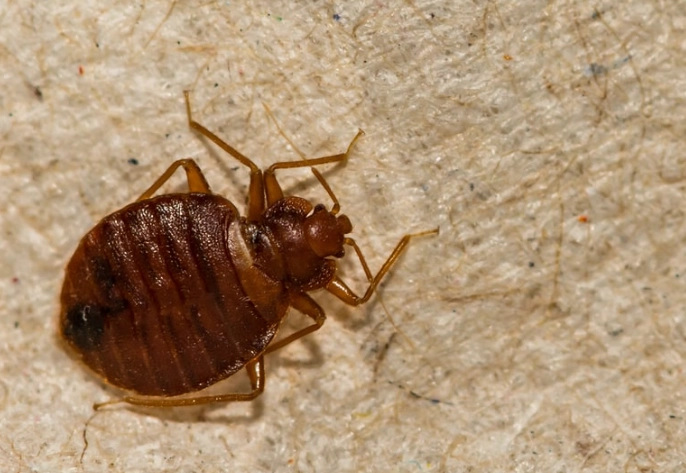
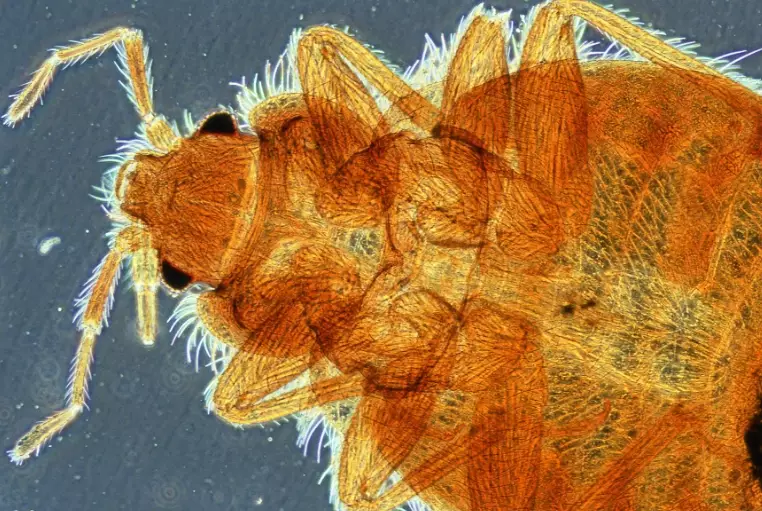
| Adult | 6 to 12+ months | Fully grown, reddish-brown, about the size of an apple seed. Females need to feed to produce eggs. This is the stage that can survive prolonged starvation. |
See the pattern? Feeding drives their growth. A nymph that can't find a host might linger for weeks in the same stage. An adult that feeds regularly can pump out eggs for months. This lifecycle detail is why a one-and-done spray often fails. You might kill adults, but eggs hatch days later, restarting the clock.
What Drives Their Longevity? Key Survival Factors
Temperature, food, and hiding spots. Get these wrong, and you're running a bed bug sanctuary.
Temperature is a huge deal. They thrive at human-friendly temperatures. But their metabolism speeds up in the heat, meaning they feed and breed faster. Cool them down, and everything slows. At 50°F (10°C), they become sluggish and may stop developing. This doesn't kill them quickly, though. It just puts them on pause.
Regular blood meals are the fuel for their long life. A well-fed adult female is an egg-laying machine. But here's a nuance most miss: they don't feed every night. They might feed once every 5 to 10 days if a host is available. This sporadic feeding makes them harder to track and means they're not out in the open constantly.
Harborage quality matters. A tight, dark crack in wood or mattress seams offers protection from physical damage and helps retain moisture, reducing dehydration risk. A bug exposed in the middle of a wall will die much sooner from desiccation.
The Starvation Myth: How Long Can Bed Bugs Live Without Food?
This is the most dangerous misconception. "Let's just leave the apartment empty for a month, they'll starve." I wish.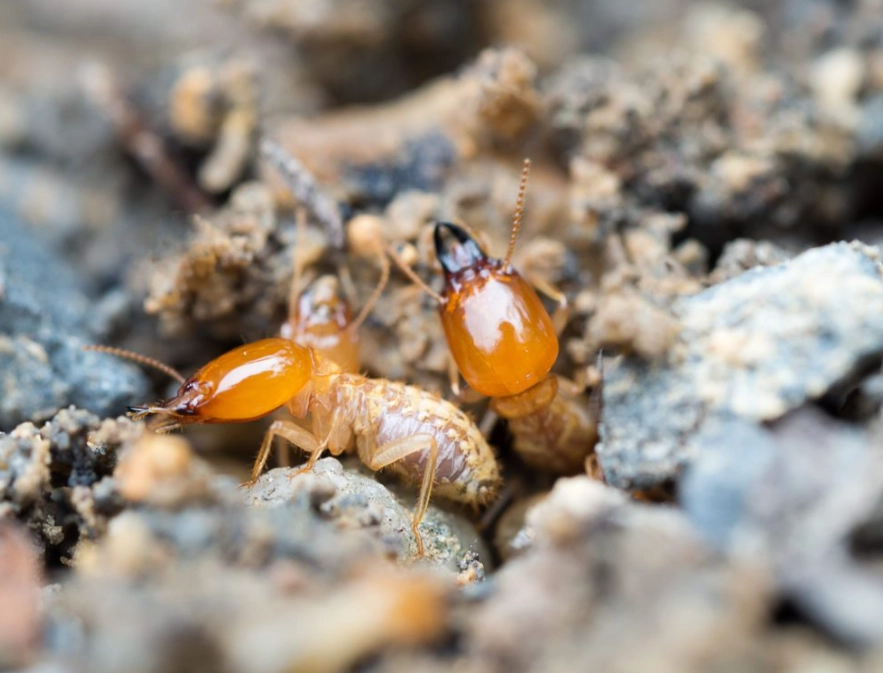
Research, including work from universities like Virginia Tech, shows adult bed bugs can survive extremely long periods without a blood meal. At room temperature, adults have been observed living for 4 to 6 months without feeding. In cooler conditions, that can stretch even longer. Nymphs, especially younger ones, are more vulnerable and may die within a few weeks without food.
Why? They enter a state of lowered metabolic activity. They're not active, not breeding, just waiting. For them, your vacant home isn't a death sentence—it's a long nap. This is precisely why "passive" strategies like leaving furniture in a garage often fail. You need active intervention.
Using Temperature to Shorten Their Lives Dramatically
If starvation is unreliable, heat is your best weapon. Their thermal death point is well-documented.
To kill all life stages instantly: Exposure to 118°F (48°C) for 90 minutes does it. Professional heat treatments raise a room's core temperature to 120-140°F for several hours, ensuring heat penetrates every crack.
Cold takes much longer. Putting items in a freezer must be done correctly. The CDC notes that bed bugs can survive at least five days at 14°F (-10°C), but commercial freezing at -4°F (-20°C) for at least 4 days is recommended. Your kitchen freezer likely won't cut it.
Heat doesn't just kill—it disrupts their entire lifecycle instantly. No waiting for eggs to hatch. This is why, despite the cost, professional heat treatment often has a higher success rate for severe infestations.
Your Realistic Elimination Timeline and Strategy
Knowing their lifespan changes everything. You're not in a two-week sprint. You're in a multi-month campaign of attrition and vigilance.
Phase 1: The Initial Assault (Weeks 1-2). This is your major treatment—whether DIY with proven pesticides like CimeXa or hiring a pro for heat/steam. The goal is to annihilate 90%+ of the population. You must target every harborage. This phase is intense.
Phase 2: The Mopping-Up Campaign (Months 1-3). Here's where people fail. Eggs laid just before treatment will hatch. New nymphs will emerge. You need interceptors under bed legs, regular inspections with a flashlight, and possibly follow-up spot treatments. You're waiting for any surviving bugs to come out, feed (and get caught), or eventually starve if they can't reach you. This phase tests your patience.
Phase 3: Vigilance (Ongoing). After several months with no signs (live bugs, new fecal spots, bites), you can breathe easier. But you now know their resilience. Periodic checks, especially after travel, are wise.
Thinking you can seal a mattress and be done ignores their ability to live in bed frames, baseboards, picture frames, and electrical outlets. A holistic approach is non-negotiable.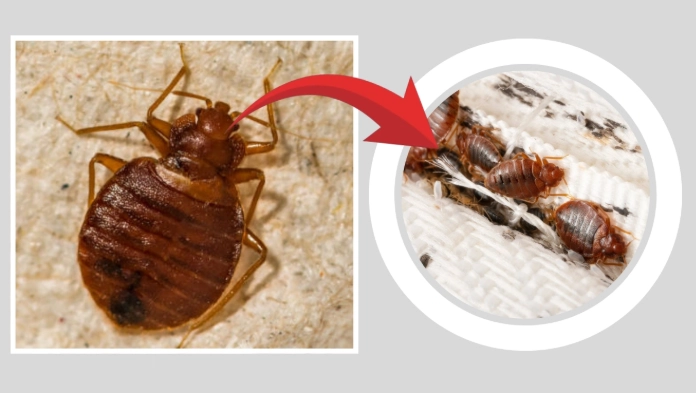
Bed Bug Longevity: Your Questions Answered

Comments