You're standing knee-deep in a river, rod in hand, surrounded by rising trout. You see the splash, feel the anticipation, but your fly sits untouched. The problem isn't your casting; it's likely the tiny piece of feather and thread at the end of your line. Choosing and using the right fishing fly isn't just an art—it's the decisive factor between a blank day and a memorable catch. This guide cuts through the confusion, giving you a clear, actionable system for fly selection, along with the insider knowledge usually gained through years of frustrating trial and error.
What You'll Learn in This Guide
The Three Core Fly Types Explained (It's Not Just Dry vs. Wet)
Most anglers start by learning about dry flies and nymphs. That's a good start, but it's an oversimplification that can leave you unprepared. Think of flies not just by where they fish, but by what they imitate and how they behave. This deeper understanding changes everything.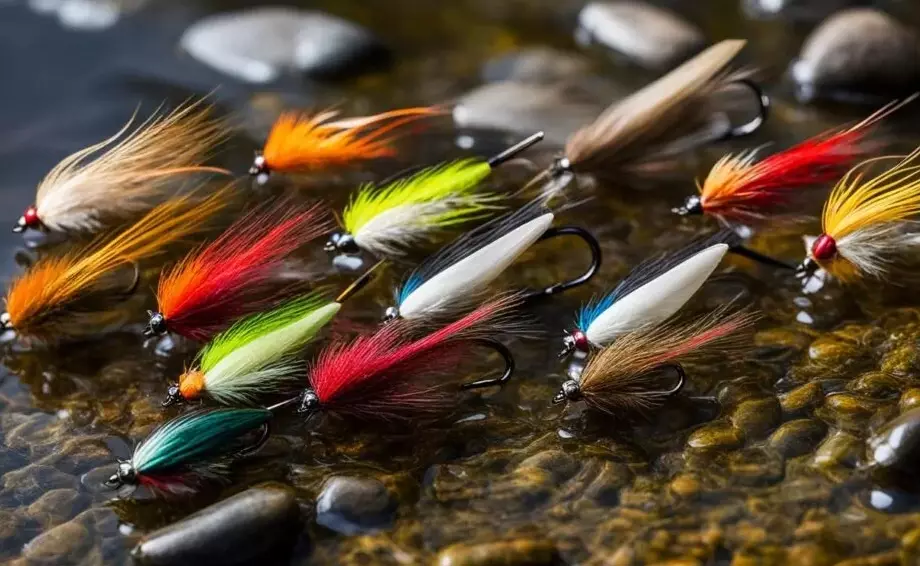
Dry Flies are the stars of the show. They float on the surface, imitating adult insects like mayflies, caddisflies, and terrestrials (grasshoppers, ants). The thrill of a surface take is unmatched. But here's the subtle mistake: anglers often use a generic "Adams" or "Elk Hair Caddis" without considering the insect's posture on the water. A spent-wing pattern (lying flat) versus an upright-wing pattern makes a huge difference to a selective trout.
Nymphs and Wet Flies represent the underwater lifecycle—larval and pupal stages. They account for over 80% of a trout's diet. The key isn't just getting them down; it's achieving a natural drift. A common error is using a split shot that's too heavy, causing the fly to drag unnaturally along the bottom instead of tumbling freely in the current.
Streamers are the big-game lures of the fly world. They imitate baitfish, leeches, or crayfish. The mistake? Retrieving them too fast and too uniformly. Predatory fish often stalk prey. A erratic retrieve—fast strips followed by a pause—triggers more instinctive strikes than a steady pull.
How to Choose the Right Fishing Fly: A Practical Framework
Forget guessing. Use this simple, three-step observation method before you even tie on a fly.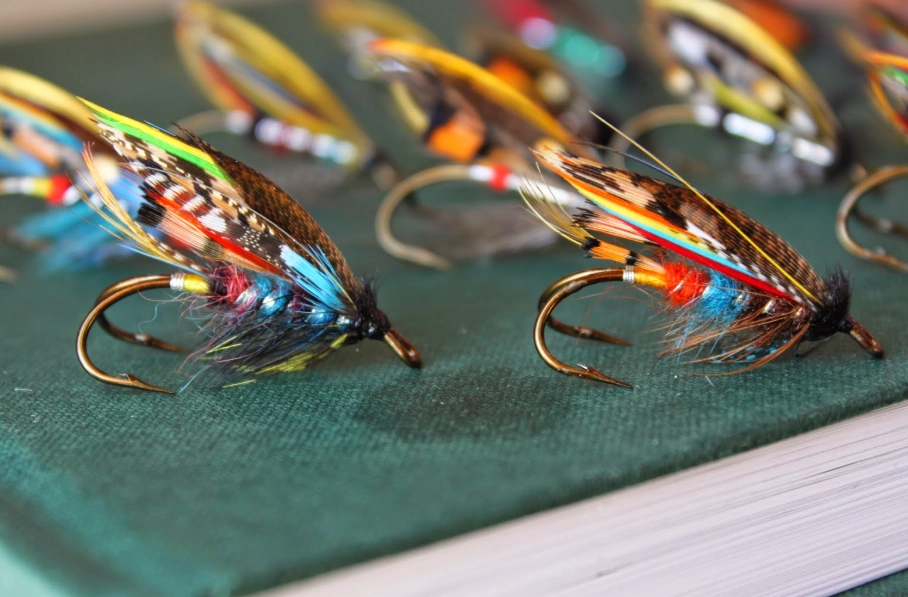
Step 1: Look at the Water and the Sky. Are fish rising? If yes, it's a dry fly game. Look for insects in the air or stuck in the surface film. No rises? Fish are feeding subsurface. Focus on nymphs or streamers. Check the water temperature. In cold water (below 50°F/10°C), fish are lethargic. Small, slow-moving nymphs near the bottom work best.
Step 2: Match the Size, Shape, and Color. In that order. Size is the most critical factor. A size 16 fly is a completely different meal than a size 12 to a trout. Get the size wrong, and you'll get refusals all day. Next, match the general silhouette. Is the insect bulky like a stonefly or slender like a midge? Finally, consider color, but don't overthink it. In clear water, natural shades (olive, brown, grey) are safer. In stained water, try something with more contrast.
Step 3: Have a Go-To Selection for Common Scenarios. Don't carry 500 flies. Carry 20 proven ones. Here's a minimalist starter kit based on target species and conditions.
| Scenario / Target Species | Top 3 Recommended Flies (Pattern & Size) | When & How to Use Them |
|---|---|---|
| Trout in Freestone Rivers | Parachute Adams (16-18), Pheasant Tail Nymph (16-18), Woolly Bugger (Olive, 8) | Adams for general mayfly hatches. Pheasant Tail as a universal nymph dropper. Woolly Bugger for deeper pools or cloudy days. |
| Selective Trout on Spring Creeks | CDC & Elk Emerger (18-20), Zebra Midge (Black, 20-22), Griffith's Gnat (20-22) | CDC & Elk for delicate presentations during sparse hatches. Zebra Midge for subsurface film feeding. Griffith's Gnat for clusters of midges. |
| Bass in Warm Water Ponds | Poppers (Yellow/White, 6), Clouser Minnow (Chartreuse/White, 4), Crawfish Pattern (Brown/Orange, 6) | Poppers at dawn/dusk over weed beds. Clouser Minnow for searching deeper water. Crawfish near rocky banks. |
| Panfish with Kids | Small Foam Spider (Black, 10), Glo-Bug (Orange, 12), Simple Woolly Worm (12) | Spider for visible surface fun. Glo-Bug under a small indicator for easy detection. Woolly Worm for a simple, all-around retrieve. |
Essential Fly Tying Tips for Beginners (Save Money, Catch More)
Tying your own flies is incredibly rewarding, but the learning curve can be steep. Here’s how to avoid the common pitfalls that waste materials and lead to frustration.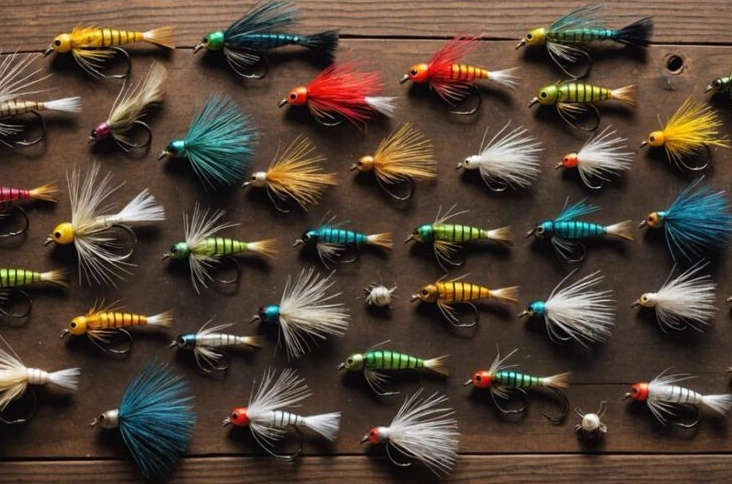
Start with Proven, Simple Patterns. Don't try a complex Salmon fly on day one. Begin with patterns that use few materials and teach core skills: the Zebra Midge (thread, wire, hook), the Woolly Bugger (thread, chenille, hackle, marabou), and the Elk Hair Caddis (thread, dubbing, hackle, elk hair). Master these, and you've learned 80% of the techniques needed for hundreds of other flies.
Invest in Good Tools, Not the Most Expensive Ones. A mid-range rotary vise, sharp scissors, a bobbin, and a whip finisher are all you need. The one place not to cheap out? Hooks. A poorly made hook will bend or rust. Brands like Gamakatsu, Tiemco, or Daiichi are reliable. Buy hooks in the most common sizes for your target patterns (e.g., sizes 12, 14, 16, 18 for trout).
The Most Common Beginner Mistakes:
- Too Much Material: It's the #1 error. Your first flies will look fat and bushy. Use half the dubbing you think you need. A sparse fly often looks more natural and sinks better.
- Weak Thread Tension: Consistent, firm tension is everything. Practice wrapping thread without breaking it. Loose wraps lead to flies that unravel after one fish.
- Ignoring Proportions: The length of the tail should be about the shank length of the hook. The wing should be roughly the same. Use the hook as your ruler.
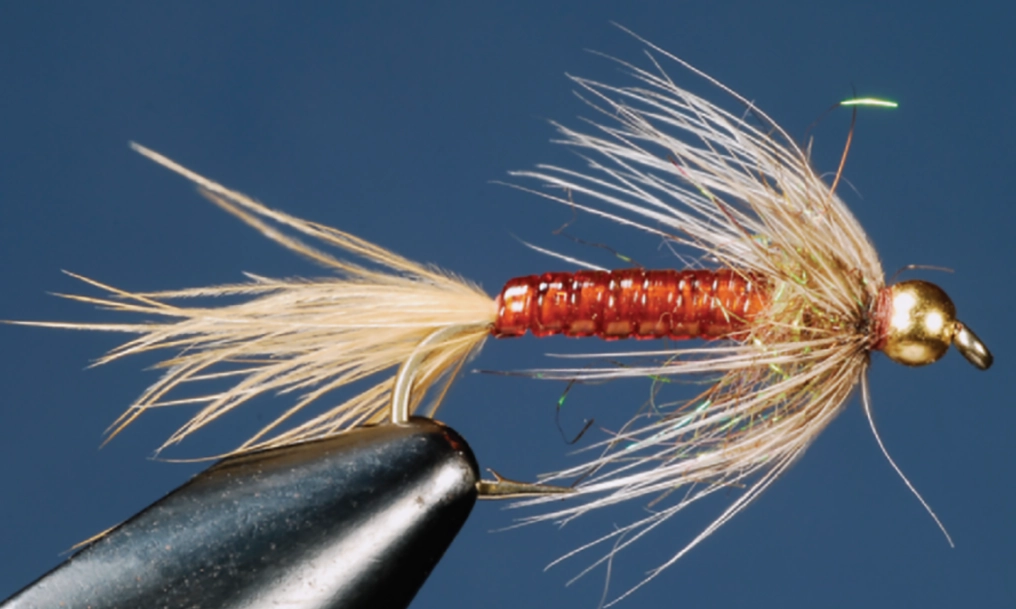
My First Fly Box: A Reality Check
I still have it. Half the flies are comically over-dressed, like tiny feather dusters. A few are so sparsely tied they're barely there. The ones that actually caught fish were the ugly, in-between ones I was embarrassed by. The fish didn't care about perfection; they cared about a rough approximation that moved right.
Advanced Tactics: Reading Water and Fine-Tuning Your Presentation
You have the right fly. Now you need to present it correctly. This is where experienced anglers separate themselves.
Reading the Water: Fish hold where they can conserve energy and ambush food. Focus on:
- Seams: Where fast and slow water meet. Cast your fly along the slow side of the seam.
- Pocket Water: Behind and in front of rocks. Make short, accurate casts.
- Undercut Banks: Perfect for streamers. Cast parallel and tight to the bank.
- Tailouts: The shallow, slower end of a pool. Ideal for dry flies during a hatch.
Presentation is King: A perfect fly with a bad drift is worthless.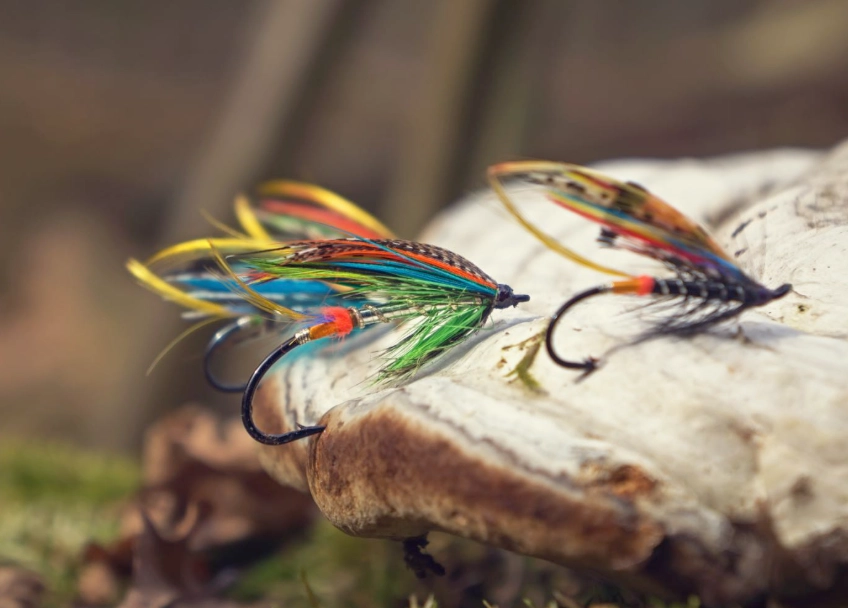
- For Dry Flies: Achieve a drag-free drift. Mend your line upstream as soon as it lands to prevent the current from pulling your fly unnaturally.
- For Nymphs: Use an indicator (strike indicator) set at 1.5x the water depth. Get your flies down quickly with a small split shot or weighted fly, then manage your line to minimize drag.
- For Streamers: Vary your retrieve. Try the "strip-pause" or "jerk-strip." Let the fly sink between movements to imitate a wounded or resting prey.
The Dead Drift Isn't Always Right: This is a non-consensus point. Sometimes, a slight twitch or "skate" of a dry fly, or an induced take of a nymph (a tiny lift of the rod tip), can trigger a reaction strike when fish are ignoring perfectly drifted flies. It makes the fly look alive and vulnerable.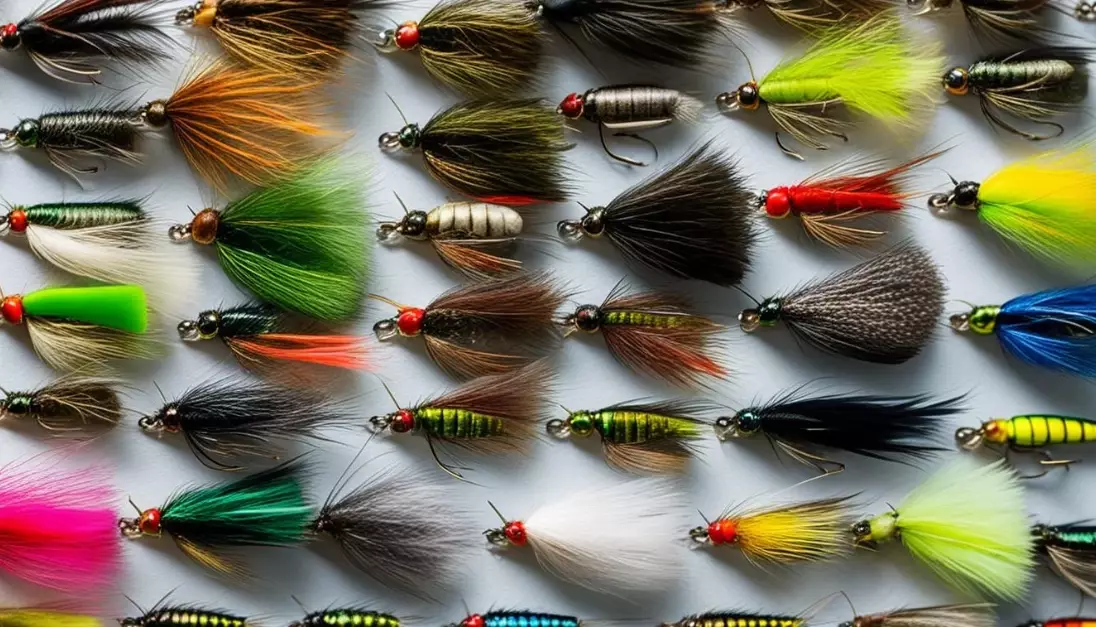

Comments