You've heard the horror stories. A homeowner finds a few discarded wings near a windowsill, thinks nothing of it, and a year later faces a repair bill in the tens of thousands. The culprit? Termites. The first line of defense isn't a chemical barrier—it's your own two eyes. Knowing what termites look like is the single most important skill you can have to protect your home. Let's cut through the confusion and get you identifying these pests like a pro.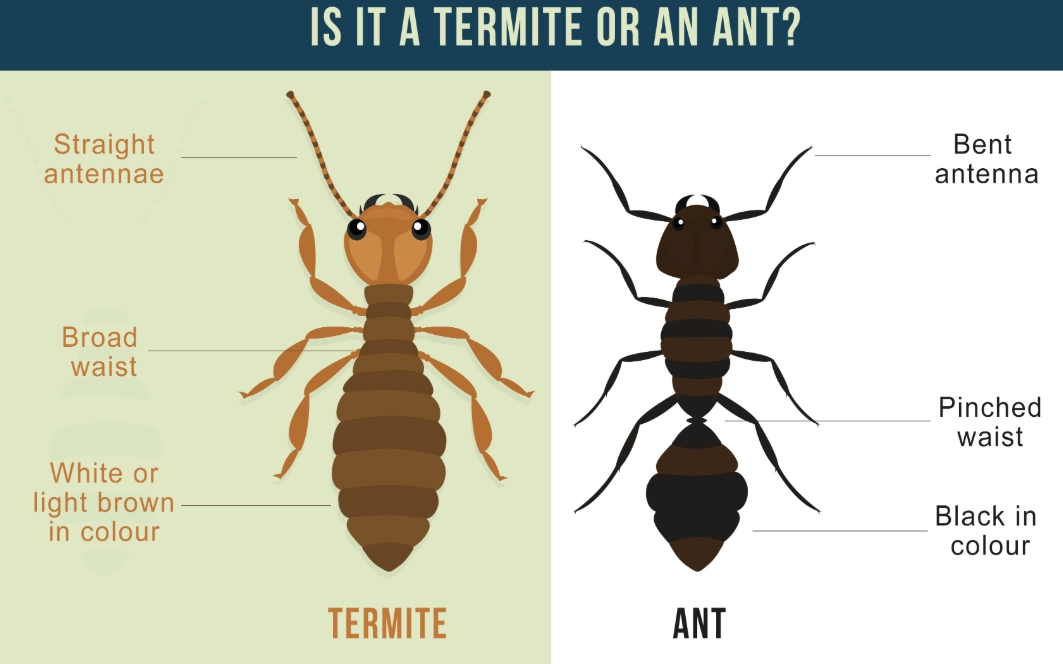
Quick Navigation: Your Identification Checklist
The Basic Termite Blueprint: Size, Color & Shape
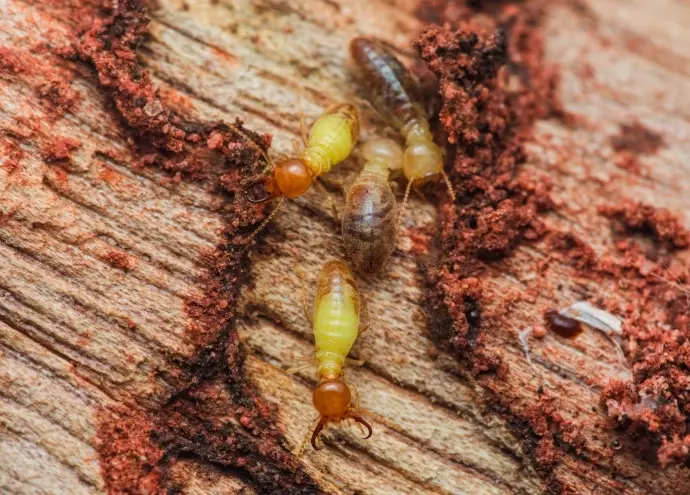
Forget the monster movie versions. Real termites are small, soft-bodied insects. Most people are surprised by how tiny they are. Worker termites, the ones doing all the eating, are typically about 1/4 inch long—roughly the size of a grain of rice. They're usually a pale, creamy white color, almost translucent. You'll almost never see them out in the open unless you break open their mud tunnels or a piece of infested wood.
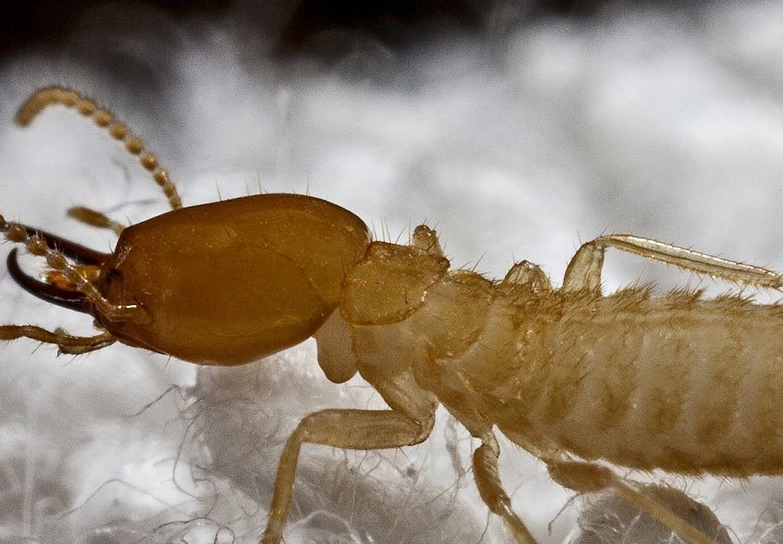
Soldiers have the same basic body but with larger, darker, and more hardened heads equipped with powerful mandibles for defense. Then there are the swarmers, or alates. These are the reproductive termites with wings. They're darker, often a brown or black color, and have two pairs of long, equal-sized wings that extend well beyond their body. After they swarm, those wings fall off, which is why finding piles of tiny wings is a major red flag.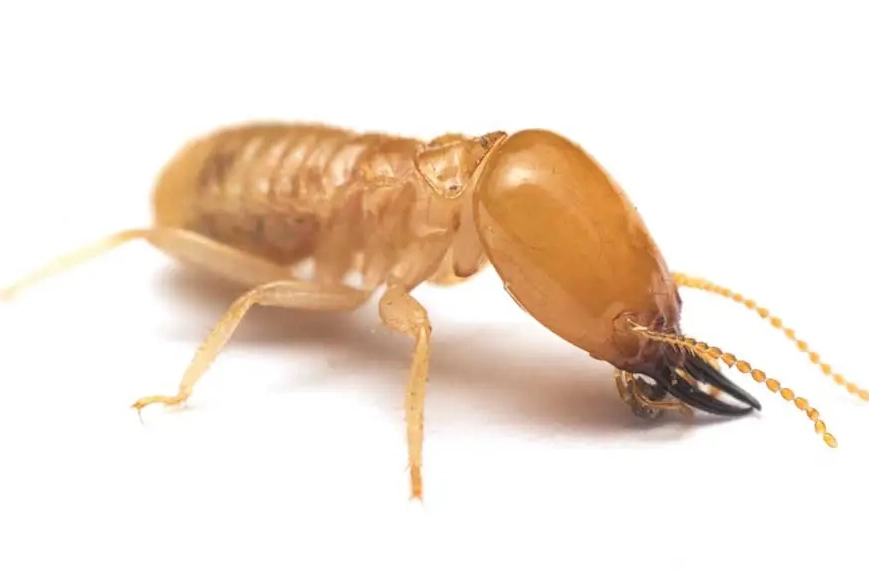
The body shape is key. A termite has a broad waist. Its body is basically a straight tube from head to rear, without the dramatic pinching you see in ants. Their antennae are straight and beaded, looking like a tiny string of pearls.
Termite vs Ant: The One Difference Everyone Misses
This is where most DIY identifications go wrong. Flying ants and termite swarmers look incredibly similar during their brief nuptial flights. Homeowners panic, spray insecticide, and think the problem is solved—while the real termites continue munching away unseen.
Here’s the non-negotiable, expert-level check. You need to look at two things:
1. The Antennae: Termite antennae are straight. Ant antennae are elbowed (bent).
2. The Waist: Termites have a broad, uniform waist. Ants have a pinched, narrow waist that looks constricted.
3. The Wings: This is the most reliable sign from a distance. Termite swarmers have two pairs of wings that are equal in length and very long relative to their body. Ant swarmers have two pairs of wings where the front wings are noticeably larger than the hind wings.
If you find a dead swarmer, pick it up. A termite's wings are fragile and detach easily. Ant wings are tougher. But really, just remember: straight antennae + thick waist + equal wings = termite. Bent antennae + pinched waist + unequal wings = ant.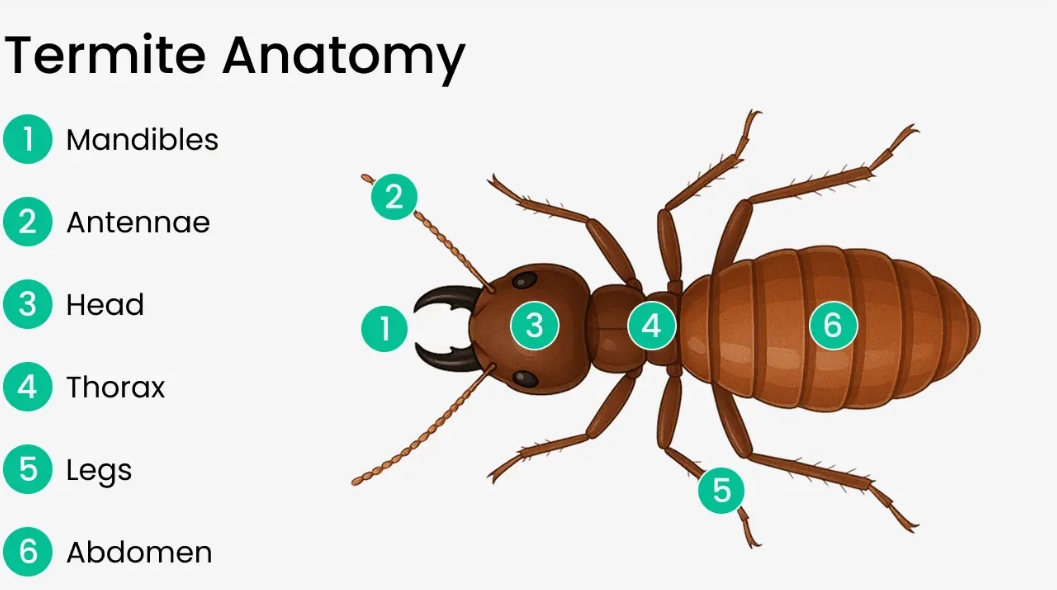
Termite Identification by Species
Not all termites are created equal. The damage pattern and the bugs themselves look different depending on the species. In the U.S., three main types cause 99% of the problems.
| Species | What the Workers/Soldiers Look Like | What the Swarmers Look Like | Key Habitat & Sign |
|---|---|---|---|
| Subterranean Termites (Most Common & Destructive) |
Creamy white workers. Soldiers have rectangular, orange-brown heads with large mandibles. No teeth on mandibles. | Dark brown to black body. About 1/4 inch long. Two pairs of smoky gray, equal-length wings. | **Require contact with soil.** Build mud tubes (pencil-width tunnels) on foundation walls, piers, and wood. Cause honeycomb damage in wood. |
| Drywood Termites | Similar creamy white workers. Soldiers have dark brown, rectangular heads with mandibles that have teeth on the inner edge. | Reddish-brown to dark brown. Slightly larger than subterranean swarmers. Wings are clear with visible veins. | **Do not need soil.** Live entirely inside the wood they eat. Leave behind piles of granular, six-sided fecal pellets (frass) that look like sawdust or coffee grounds. |
| Dampwood Termites | Largest in size. Workers can be over 1/2 inch long. Soldiers have large, dark brown heads and big, toothed mandibles. | Brownish. Largest of the swarmers, often over 1 inch long including wings. | Infest wood with high moisture content (rotting logs, leaky roof eaves). Rarely infest sound, dry wood in homes unless there is a chronic moisture issue. |
If you're in the Southeast, you might also encounter Formosan termites, an aggressive type of subterranean termite. Their soldiers have oval-shaped heads (not rectangular) and exude a white defensive liquid. Their swarms can be enormous.
You'll See These Signs Long Before You See the Bugs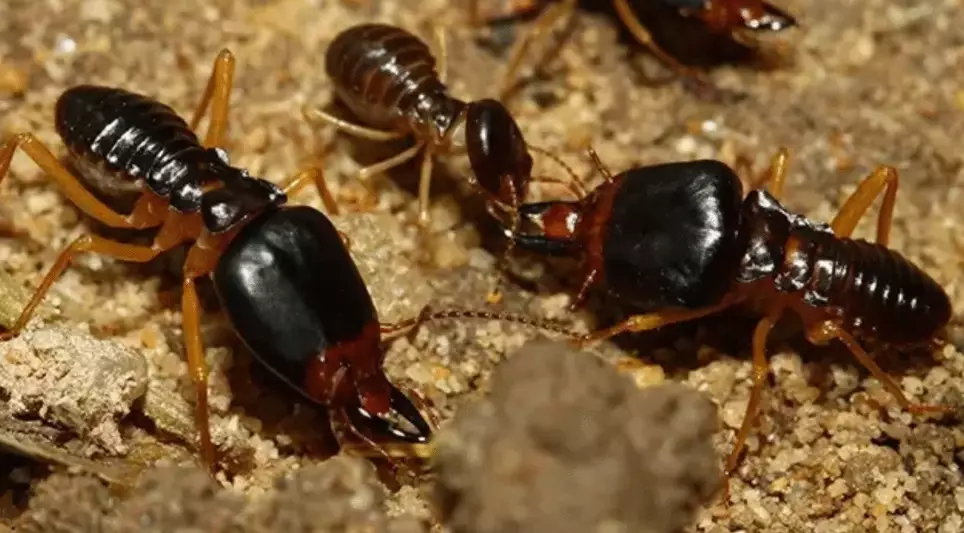
Termites are cryptic. By the time you see a live termite crawling on your baseboard, the infestation is usually severe. Your job is to spot the evidence of their activity. Think of yourself as a detective.
1. Mud Tubes (The Subterranean Highway)
These are the smoking gun for subterranean termites. They build these pencil-thin tunnels out of soil, saliva, and feces to travel between their underground nest and your wood. Check your foundation, crawl space, and support piers. They can be fragile or hardened. Break one open. If it's active, you'll see the tiny white workers inside within minutes.
2. Frass (Drywood Termite Sawdust)
This isn't ordinary sawdust. Drywood termites kick their hexagonal, granular droppings out of tiny “kick-out holes” in the wood. The pile will be uniform in size and shape—like a tiny pile of sand or granulated coffee. It often accumulates on windowsills, in attics, or under infested furniture.
3. Hollow-Sounding Wood & Damaged Surfaces
Tap on wood with a screwdriver handle. Solid wood goes "thud." Termite-damaged wood sounds hollow or papery. You might also find wood that appears blistered or dark, with a honeycomb pattern inside when you probe it. Paint may bubble or crack as the wood underneath is eaten away.
4. Discarded Wings
After a swarm, reproductive termites shed their wings. Finding piles of 20-50 identical, tiny wings near light sources (windows, doors, lamps) is a classic sign a colony is established nearby and sent out swarmers.
I once inspected a home where the owner thought the "sawdust" in the attic was from a recent renovation. It was frass. The silence of their destruction is why annual checks in these hidden areas are non-negotiable.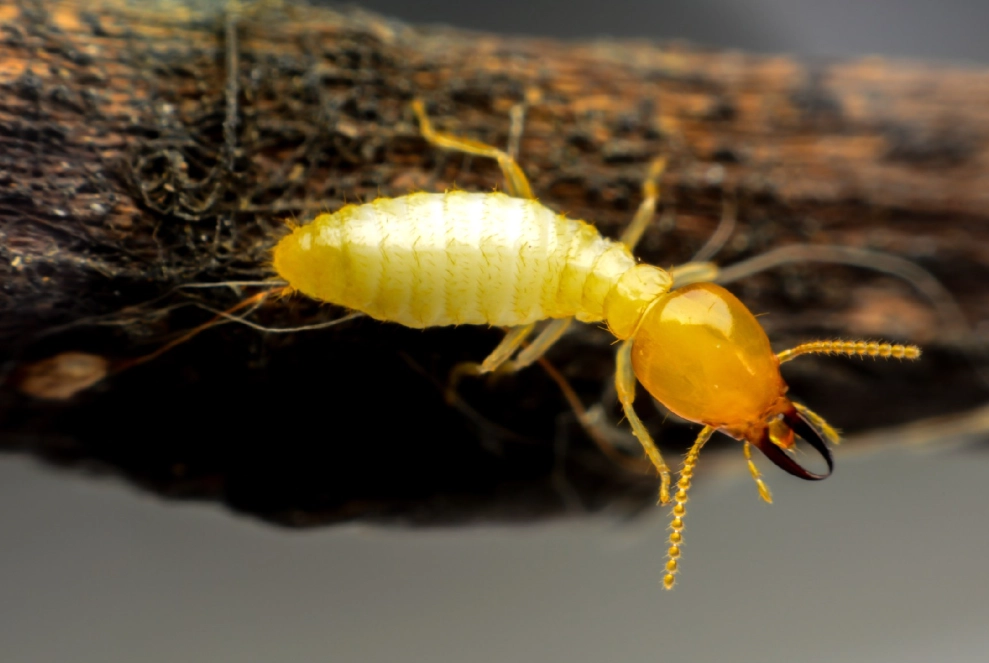
What to Do If You Think You've Found Termites
Don't panic, but do act quickly. Termites work 24/7.
Step 1: Confirm, But Don't Disturb. Try to get a clear photo or collect a few specimens in a sealed bag/container. If it's mud tubes, break a small section and see if it's repaired in a few days. Do not start spraying insecticides or cleaning up frass extensively. You might just scatter the colony, making a professional's job harder.
Step 2: Call a Licensed Professional. This is not a DIY project. Termite control requires specialized equipment, chemicals, and knowledge of building construction. Get inspections and quotes from at least two or three reputable, licensed pest control companies. Ask about their treatment plans (liquid soil barriers, bait systems) and warranties.
Step 3: Reduce Attractants. While you wait for the pro, fix any moisture problems (leaky faucets, poor drainage), store firewood away from your house, and ensure mulch isn't piled against the siding.
The cost of an inspection is trivial compared to the cost of undiscovered damage. As noted by research from entities like the USDA Forest Service, termites cause billions in property damage annually, often because infestations go unnoticed for too long.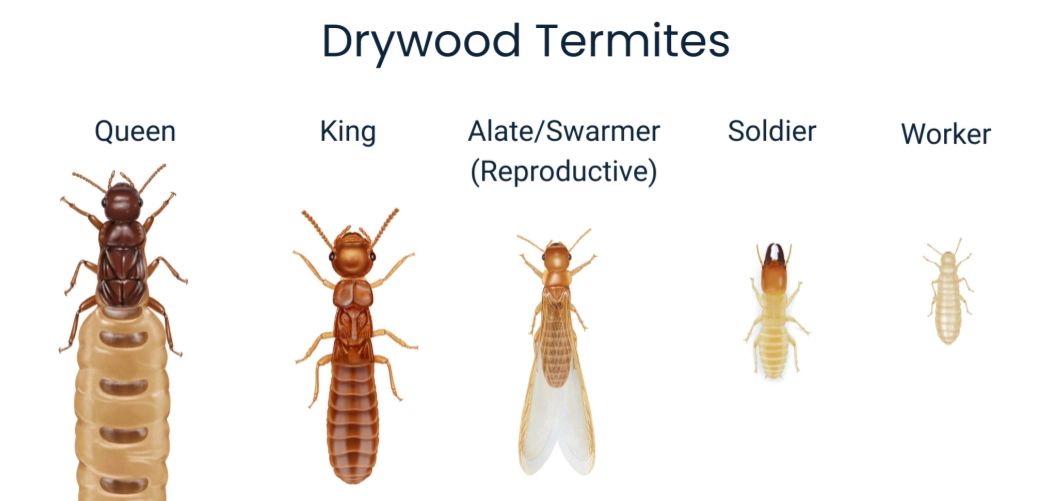
Your Top Termite Identification Questions Answered
 I found what looks like termite frass, but no other signs. What should I do?

Comments