You're in the garden, moving a pot, and there it is—a jet-black spider with a few bright white dots on its back. Your heart skips a beat. Is it dangerous? Should you run? Smash it? Most people's first instinct is fear, and that's understandable. But here's the thing I've learned after years of watching these creatures: the vast majority of black spiders with white markings are harmless, even beneficial. The real danger isn't the spider; it's misidentification and the panic that follows. This guide will cut through the myths and give you the clear, actionable information you need.
What You'll Learn
What Kind of Black Spider with White Dots Did I Find?
Not all black and white spiders are the same. The pattern, number, and placement of the white dots are like a fingerprint. Let's break down the most common candidates you're likely to encounter in North America and many other regions.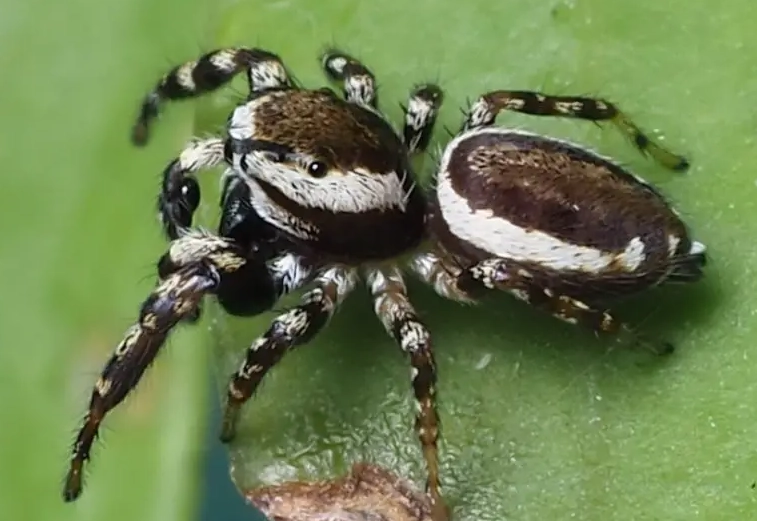
The Bold Jumping Spider (Phidippus audax)
This is the superstar of the friendly spider world. I find them on my window sills constantly. They're compact, hairy, and have brilliant, iridescent green mouthparts (chelicerae). The white dots are usually three on the abdomen—sometimes forming a vague triangle—and there can be white bands on the legs. Their behavior is a dead giveaway: they turn to look at you with those large, forward-facing eyes. They jump, but not at you; they're hunting flies. Completely harmless.
The Spotted Ground Spider (Cesonia spp. or similar)
Less flashy than the jumper, this one is often found under leaf litter or stones. It's more streamlined, with a pattern that looks like someone flicked white paint on a black canvas—random small dots and dashes along the abdomen. They're fast runners but shy. You'll almost never see one indoors unless you've brought in firewood.
The False Widow (Steatoda spp.) – The One to Note
This is where attention is needed. Some false widows can be dark brown to black, sometimes with pale markings or a faint white band near the front of the abdomen. They have a round, bulbous abdomen similar to a true black widow, but lack the red hourglass. Their bite is medically significant (like a bad bee sting) but rarely life-threatening. If you see a glossy, round-bodied spider in a messy cobweb in a shed or garage, give it space.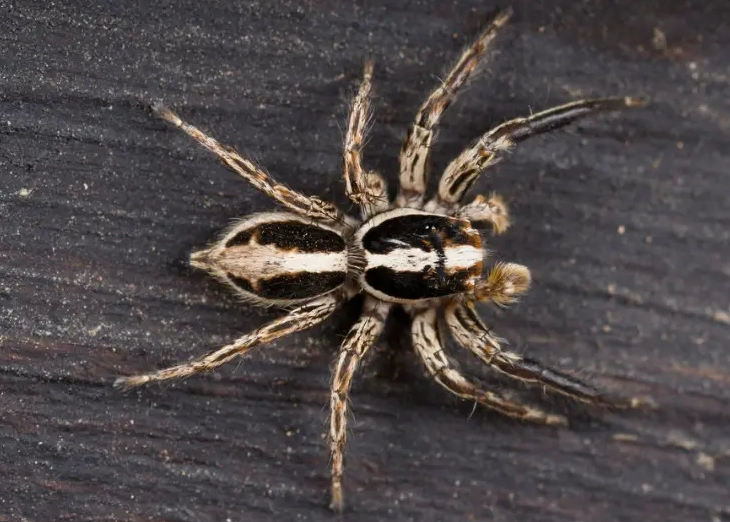
Are Black Spiders with White Dots Poisonous?
This is the million-dollar question. The word "poisonous" is misused here; we mean "venomous." Almost all spiders have venom to subdue prey. The critical question is: is their venom a significant threat to humans? For over 99% of black and white spiders, the answer is a firm no.
Let's be specific. The venom of a Bold Jumping Spider is designed for tiny insects. It cannot cause necrosis or systemic illness in humans. A bite, which is extremely rare and would only happen if you trapped one against your skin, might cause a tiny, itchy bump at worst.
The risk profile changes slightly with the False Widow. According to research compiled by institutions like the University of California's Statewide Integrated Pest Management Program, Steatoda bites can cause localized pain, swelling, redness, and sometimes mild systemic symptoms like nausea or lethargy. It's unpleasant, comparable to a wasp sting, but not on the same level as a true widow. No deaths have been recorded.
| Spider Type | Typical White Dot Pattern | Venom Potency to Humans | Likelihood of Biting | Best Course of Action |
|---|---|---|---|---|
| Bold Jumping Spider | 3 distinct dots on abdomen | Negligible | Extremely Low | Observe & enjoy; relocate if indoors. |
| Spotted Ground Spider | Multiple small, random dots | Negligible | Very Low | Leave alone; beneficial garden predator. |
| False Widow Spider | Variable; often pale bands, not distinct dots | Moderate (medically significant) | Low (defensive only) | Caution. Remove from high-traffic areas using a cup & paper. |
I see too many people nuke their garden with pesticides because they saw one black spider with markings. That reaction harms the ecosystem far more than the spider ever could. These spiders are pest control agents, eating aphids, mosquitoes, and crop-damaging insects.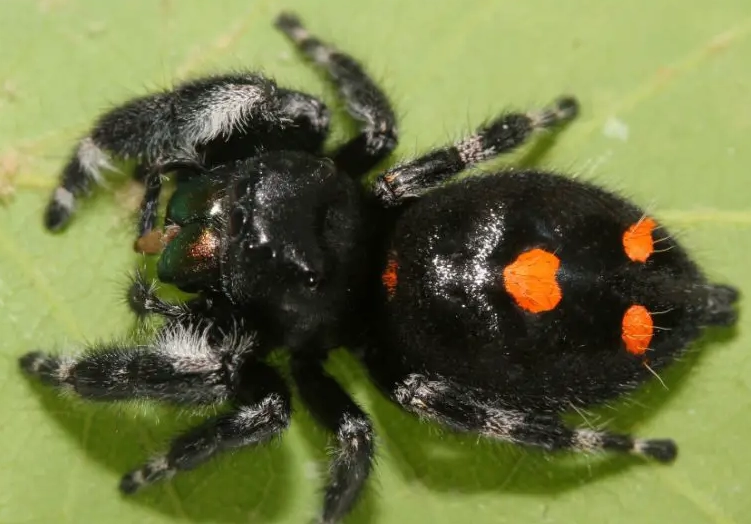
Habitat and Behavior: Where and How They Live
Understanding where these spiders like to hang out is the best way to avoid surprising them (and them surprising you). Their behavior is also a big clue to their identity.
Jumping Spiders are daytime hunters. You'll find them on sunny fences, exterior walls, window frames, and plants. They don't build catching webs; they stalk and pounce. They are curious and have excellent vision. I've spent minutes watching one track my finger movement from a few inches away.
Ground Spiders are secretive. Their habitat is exactly what it sounds like: the ground. Under rocks, logs, in mulch piles, and leaf litter. They are nocturnal and build small silk retreats to hide in during the day, not elaborate webs.
False Widows prefer quiet, undisturbed corners. Think garages, sheds, behind furniture that's rarely moved, in utility boxes, or under eaves. They build tangled, three-dimensional cobwebs that look messy compared to the classic orb web. They are shy and will retreat if disturbed.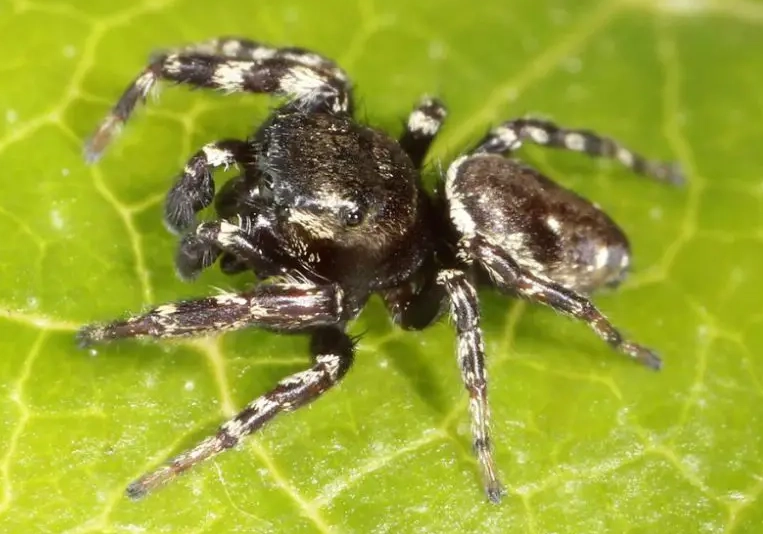
Practical Safety, Prevention, and Removal Steps
You don't need to wage war. You need a smart strategy. The goal is coexistence, not eradication, especially for harmless species. Here's a step-by-step approach based on the spider's location.
If the Spider is Outdoors (Garden, Patio, Shed)
Leave it alone. Seriously. This is your first and best line of defense against actual pests. If its web is in a problematic walkway, gently brush the web away at night when the spider is out hunting. The spider will likely rebuild elsewhere.
If the Spider is Indoors and You Want it Gone
1. The Cup and Card Method: This is the gold standard. Use a clear plastic cup and a stiff piece of paper or card. Slowly place the cup over the spider. Slide the card underneath, trapping it against the cup's mouth. Carry it outside and release it away from direct doorways.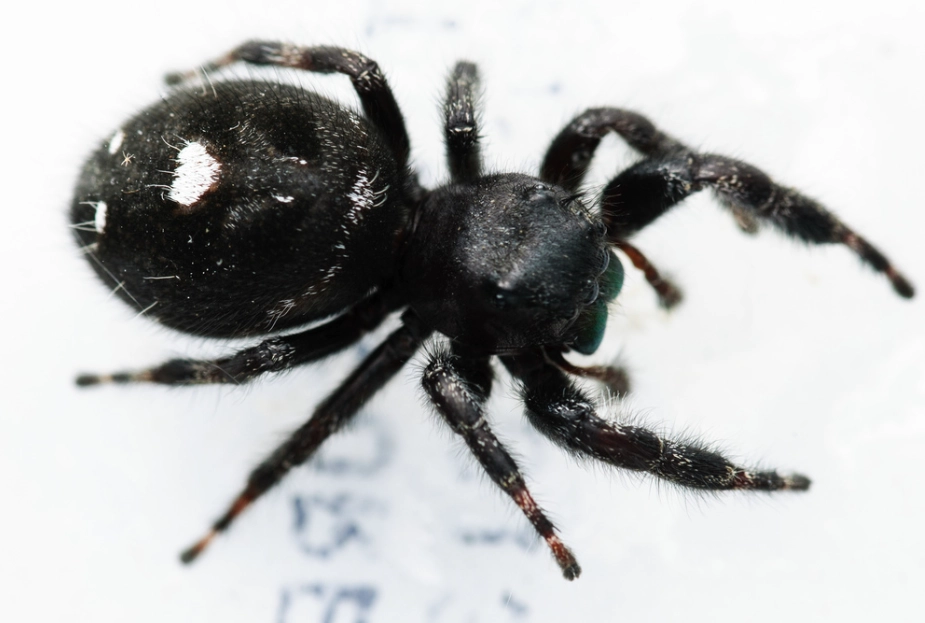
2. Reduce Attractants: Spiders follow prey. Use window screens, seal cracks around doors and windows, and keep exterior lights off or switch to yellow bug lights that attract fewer insects.
3. Declutter: Reduce cardboard boxes, piles of clothing, and other undisturbed clutter in basements, attics, and garages where spiders may set up residence.
What about pesticides? I'm not a fan of broadcast sprays for spiders. They're often ineffective (spiders walk on their tiptoes, avoiding residues) and kill far more beneficial insects. Targeted, non-toxic methods are safer for your family and pets.
If You Suspect a Bite
1. Stay calm. Remember, severe reactions are exceedingly rare.
2. Wash the area with soap and water.
3. Apply a cold pack to reduce swelling.
4. Seek medical attention if: You experience severe pain spreading from the bite, abdominal cramps, sweating, difficulty breathing, or if the person bitten is a young child, elderly, or has a compromised immune system. If possible, bring the (deceased) spider in a container for positive identification. This is crucial information for doctors.
Frequently Asked Questions
I found a black spider with white dots in my bedroom. Is it laying eggs?
It's possible, but unlikely to be an "infestation." Most solitary hunting spiders like jumpers or ground spiders wander indoors by accident. They aren't looking to colonize your house. If it's a female with an egg sac (a silken ball), she's just seeking shelter. Carefully capture and relocate her outside. The egg sac will hatch, releasing dozens of tiny spiderlings that will immediately disperse and are virtually impossible to find—they pose no threat.
Can the white dots wear off or change color?
No, the pattern is part of the spider's exoskeleton (its outer shell). However, a spider that is about to molt will look duller, and the colors may be less distinct. After molting, the pattern will be bright and clear again. So a spider that looks faded might just be getting ready to grow.
What's the biggest mistake people make when dealing with these spiders?
Assuming all are deadly and reacting with indiscriminate killing. This fear often leads to using harsh chemicals that are more dangerous to pets and children than the spider ever was. The second mistake is not getting a good look. Taking two seconds to note the body shape, eye arrangement, and web type (or lack thereof) can tell you 95% of what you need to know to assess risk.
Are there any look-alikes that are truly dangerous?
The primary look-alike of concern is the male black widow, as mentioned earlier. It can be dark with red, white, or yellow markings. However, its abdomen is not as plump and round as the female's, and it's much smaller. The other is the brown recluse, which is not black and white, but its violin marking is sometimes misidentified. Brown recluses are solid brown or tan. If you live outside their native range (central/southern US), the odds of finding one are astronomically low despite the internet panic.
How can I attract the good ones to my garden?
Provide habitat. Leave a section of your garden a little wild with leaf litter, rocks, and tall plants. Avoid pesticides. They'll come naturally to feast on your aphids, caterpillars, and flies. Think of them as free, organic pest control that works 24/7.

Comments