You hear a loud, persistent buzzing near your eaves. You see perfect, half-inch holes appearing in your unpainted deck railing. Little piles of sawdust collect on the patio below. You’ve got wood bees. Or, more accurately, carpenter bees. Let’s cut through the noise and panic. These big, solitary bees look intimidating, but understanding them is the first step to managing them effectively without harming your home or the environment.
What's Inside This Guide
What Exactly Are Wood Bees (Carpenter Bees)?
First, a crucial distinction. "Wood bee" isn't a formal scientific term. It's the common name people use for carpenter bees (genus Xylocopa). They're called that for one obvious reason: they excavate tunnels in wood to create nests. Unlike termites, they don't eat the wood. They remove it to make galleries for raising their young.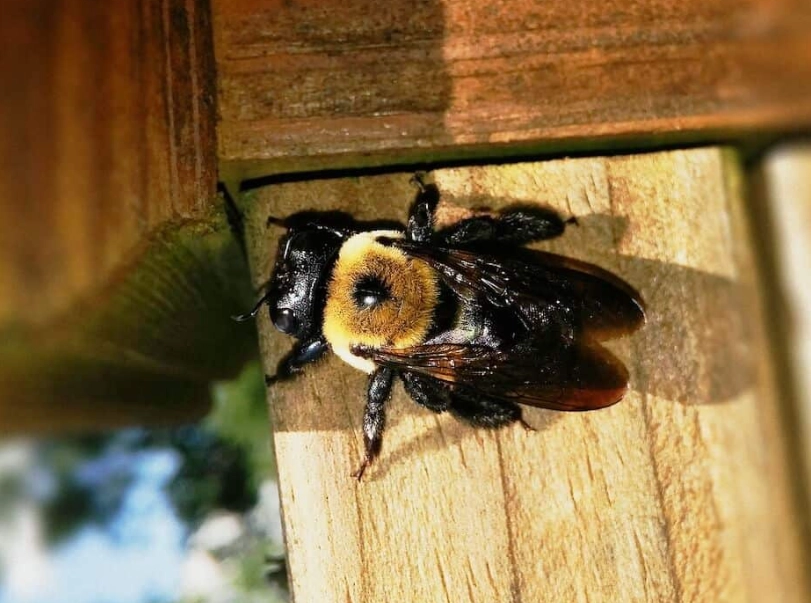
Here’s the thing most generic articles miss. Carpenter bees are primarily solitary. Each female builds her own nest. But they often exhibit "gregarious nesting," meaning they prefer to nest near other carpenter bees. That's why you rarely see just one hole—you see a cluster. This social tendency is why an untreated problem can escalate quickly from a single bee to a neighborhood of them in your fascia board.
I've watched them for years. One behavioral quirk that fascinates me is their flight pattern. Males, who can't sting, are the ones that aggressively buzz around your head, dive-bombing to defend their territory. Females, who have a stinger, are usually too busy drilling and provisioning nests to bother with you unless you directly grab or squeeze them. Misunderstanding this leads to a lot of unnecessary fear.
How to Accurately Identify Carpenter Bees
Mistaking a bumblebee for a carpenter bee is easy. Both are big and fuzzy. But the differences are clear once you know what to look for. Getting this wrong means you might be trying to solve a problem you don't have, or worse, harming beneficial pollinators.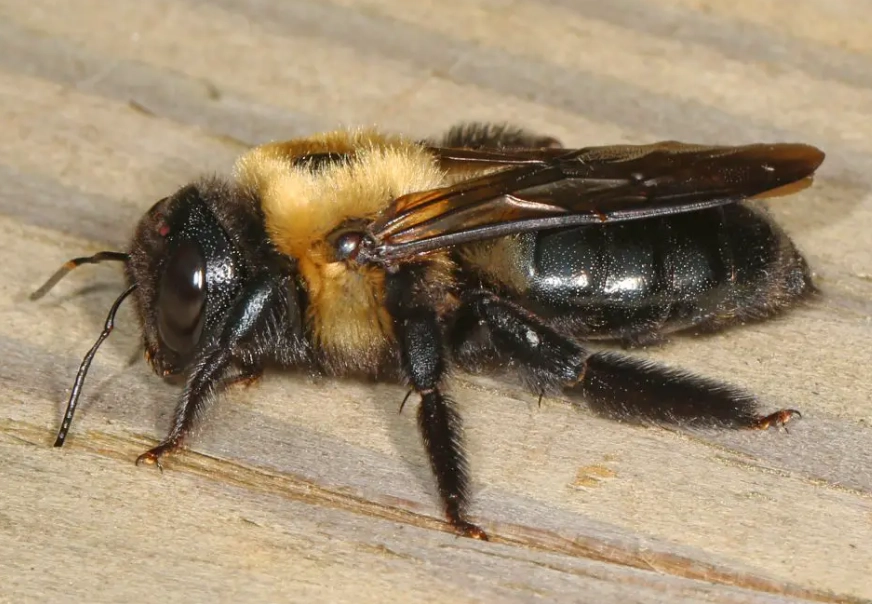
| Feature | Carpenter Bee | Bumblebee |
|---|---|---|
| Abdomen | Shiny, black, and mostly hairless. Looks polished. | Fully covered in fuzzy hair, often with yellow bands. |
| Nesting Site | In dead wood (decks, eaves, siding, fences). | In the ground (abandoned rodent holes, under piles). |
| Behavior at Wood | Hovers or lands, then drills a clean, round hole. | Ignores wood structures; forages on flowers. |
| Social Structure | Mostly solitary (female tends her own gallery). | Social, with a queen and worker colonies. |
The most telltale sign isn't the bee itself—it's the damage. Look for that perfect, half-inch diameter hole. It's so round it looks machined. Fresh sawdust (frass) below the hole in spring is a dead giveaway of active excavation. You might also see yellowish-brown pollen and fecal stains on the wood surface below the hole. That last one is a detail many overlook, but it's a sure sign of an established nest.
The Real Truth About Carpenter Bee Damage
Let's be balanced. The immediate structural damage from a single carpenter bee nest in a solid 2x4 is minimal. The gallery is only a few inches deep the first year. The panic is often worse than the actual harm. However—and this is a big however—the long-term, cumulative damage is where the real cost lies.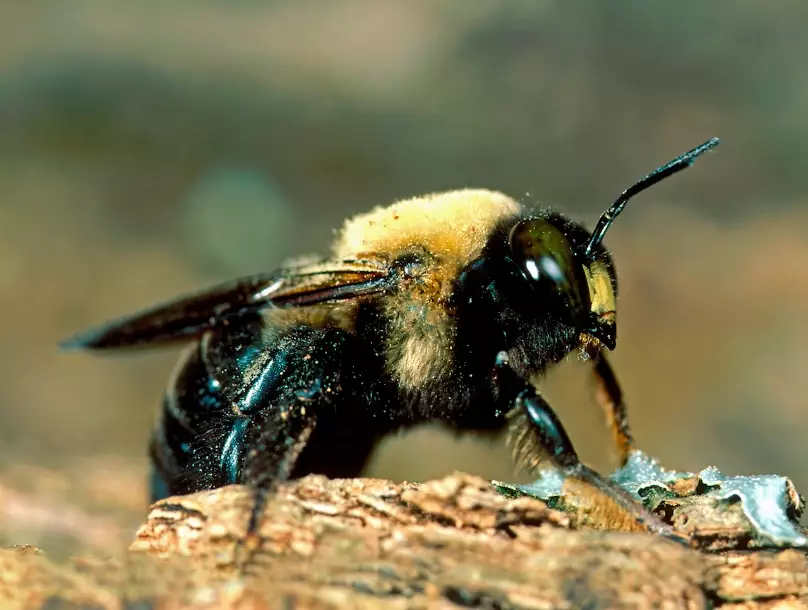
The problem is threefold:
- Expansion: Females often reuse and expand old galleries year after year. A 4-inch tunnel can become a 10-inch labyrinth over a few seasons, seriously weakening the wood.
- Secondary Invaders: The abandoned tunnels are prime real estate for other pests. I've seen carpenter bee holes become entry points for woodpeckers (who chip away at the wood to get the bee larvae), and later, for moisture and decay fungi. According to a University of Kentucky Entomology publication, woodpecker damage in search of larvae can be far more destructive than the original bee tunnels.
- Cosmetic and Water Damage: Those holes let in water. Water leads to rot, swelling, and paint failure. The staining from their waste is also notoriously difficult to clean or paint over.
So, is it an emergency? Not usually. Should you ignore it? Absolutely not. It's a progressive issue that gets more expensive to fix the longer you wait.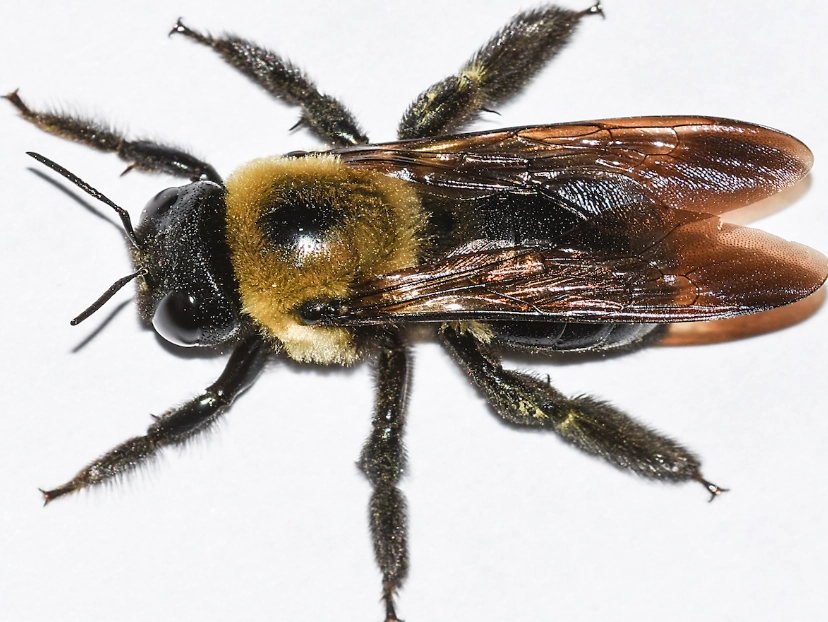
Safe and Effective Control Methods
If you have active holes with bees coming and going, it's time for action. The goal isn't genocide—it's targeted management. Here’s a step-by-step approach I've refined after dealing with my own cedar siding and helping neighbors.
Step 1: Treat Active Nests (Late Evening is Best)
Wait until dusk or after dark when the bees are inside and less active. Using a bulb duster or a specialized insecticide dust applicator, puff an insecticidal dust labeled for carpenter bees (like Delta Dust or Sevin dust) directly into the hole. Don't plug the hole yet. The returning bee will crawl through the dust, contact a lethal dose, and the dust will be transferred throughout the gallery.
Step 2: Seal the Holes (After 24-48 Hours)
Once activity has stopped (give it a couple of days), seal the holes permanently. This is critical to prevent reuse. Use a durable, paintable material.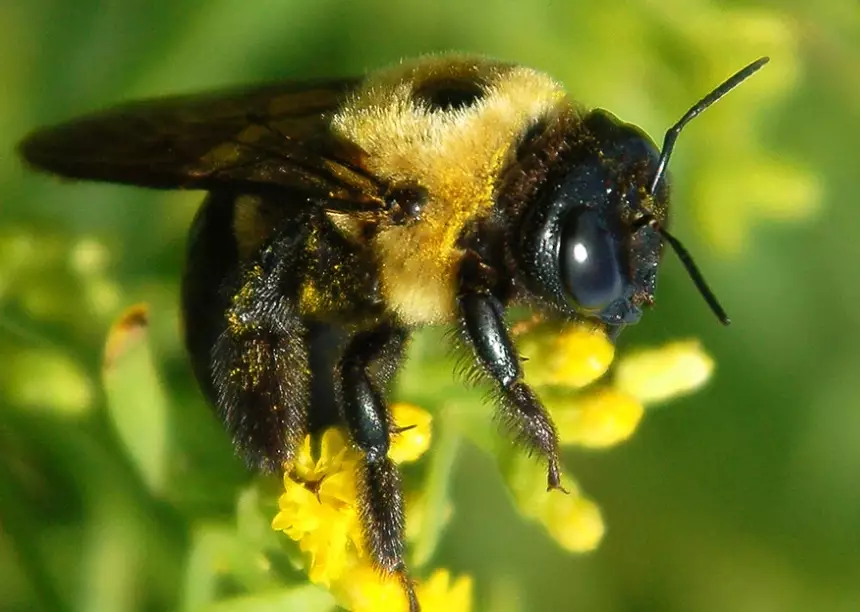
- Best Option: Wood putty or epoxy wood filler for small holes. Pack it in tightly.
- For Larger Cavities: Stuff the hole with steel wool or copper mesh first, then cap it with wood putty. Rodents hate chewing through metal.
- Finish: Sand smooth and paint or stain to match. Painted or well-sealed wood is your best long-term deterrent.
Many people skip the treatment and just plug the hole. Bad idea. You'll often trap live bees inside, who will simply chew a new exit, or you'll seal in larvae that will emerge later, creating a worse problem.
Long-Term Prevention Strategies That Work
Stopping new bees from choosing your house is cheaper and easier than evicting old ones. It's about making your property less attractive.
Wood Selection and Treatment: They strongly prefer soft, unpainted, or weathered wood. Cedar, redwood, pine, and fir are favorites. The single most effective thing you can do is to paint or polyurethane all exposed wood surfaces. A solid stain works well too. If you're building new or replacing damaged wood, consider using pressure-treated lumber or hardwoods like maple or oak for high-risk areas.
Physical Deterrents: For existing unpainted structures like a pergola, you can hang carpenter bee traps. These are wooden boxes with a small hole that leads to a glass or plastic jar. The bee is attracted, enters, and can't find its way out. They work reasonably well as a monitoring and reduction tool, but they won't solve a major infestation alone. Place them at the corners of structures in early spring before nesting begins.
Alternative Nesting Sites: This is a more ecological approach gaining traction. Provide untreated pine or fir blocks in a sunny, out-of-the-way spot. The theory is they'll use the provided wood instead of your house. Results are mixed in my experience—it might divert some, but don't rely on it as your sole defense.
The maintenance habit most people forget? Annual inspection. Every spring, take a walk around your house. Look for new holes, fresh sawdust, or hovering bees. Catching a single pioneering female early saves a world of trouble later.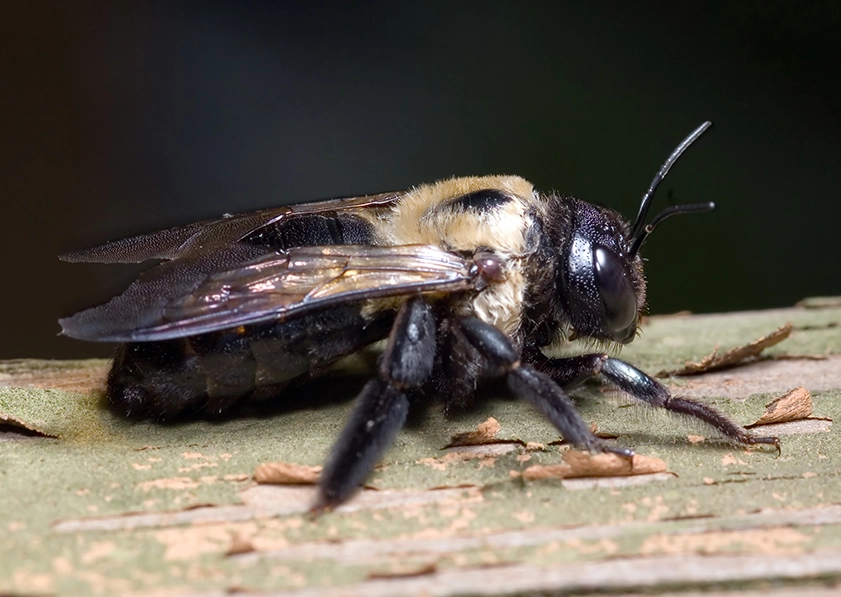
Your Carpenter Bee Questions Answered
Dealing with wood bees is about a shift in perspective. They're not an invading army to be wiped out with poison. They're a native insect with a specific habit that happens to conflict with our wooden houses. By accurately identifying them, understanding the true risk of their damage, and using targeted, timely control methods, you can protect your property without declaring war on the local pollinators. Start with an inspection this weekend. Find those holes. Then, make a plan to treat, seal, and protect. Your deck will thank you.


Comments