You hear a faint scratching in the wall at night. You find a dark, rice-shaped dropping in the back of a kitchen cabinet. Maybe you've even seen a shadowy blur dart along the baseboard. If you're reading this, you probably don't need me to tell you what's happening. You have rats. The feeling is a unique blend of disgust, violation, and panic. I've been there. I've also spent the last decade as a pest management consultant, and I can tell you that most of the advice you'll find online is either overly simplistic or flat-out wrong. This isn't about scattering some poison and hoping for the best. Effective rat control is a systematic process of identification, exclusion, and elimination. Let's walk through it, step by step.
Your Quick Action Plan
- Know Your Enemy: Norway Rats vs. Roof Rats
- The 7 Telltale Signs of a Rat Infestation (Beyond Droppings)
- The 3 Biggest Mistakes Homeowners Make With Rat Control
- A Step-by-Step Plan to Get Rid of Rats
- Prevention is Key: Making Your Home Rat-Proof
- When to Call a Professional Pest Controller
- Your Rat Control Questions, Answered
Know Your Enemy: Norway Rats vs. Roof Rats
This is the first place people go wrong. They treat all "rats" the same. In North American homes, you're almost certainly dealing with one of two species, and their habits are different. Misidentifying them means you'll place traps and bait in the wrong places.
Norway Rats (Brown Rats, Sewer Rats): These are the burrowers. They're larger, bulkier, and prefer to live in ground-level burrows, crawl spaces, and basements. They're less agile climbers. If the damage is low to the ground and you find burrow holes near your foundation, think Norway rat.
Roof Rats (Black Rats, Ship Rats): Slender, agile, and excellent climbers. They prefer elevated spaces like attics, wall cavities, and dense vegetation (like ivy on walls). They'll travel along power lines and tree branches to access your roof. If you hear noises above your ceiling, it's likely a Roof rat.
I once inspected a home where the homeowner was convinced the rats were in the basement because of the droppings. He'd set dozens of traps down there with no luck. The noise, however, was coming from the attic. A quick look at the droppings (Roof rat droppings are more spindle-shaped) and the presence of a large oak tree touching the roof confirmed it. We moved the battle upstairs and solved the problem in a week.
The 7 Telltale Signs of a Rat Infestation (Beyond Droppings)
Everyone knows about droppings and gnaw marks. Here are the subtler signs that often get missed, the ones I look for on every inspection.
- Grease Marks (Smeary Runs): Rats have oily fur. As they repeatedly travel the same path along a wall, pipe, or beam, they leave dark, greasy smudges. Feel them. If it's greasy, it's a rat highway.
- Urine Stains & The Blacklight Trick: Under a UV blacklight (a cheap one from a hardware store works), rat urine fluoresces a bluish-white. Shut off the lights and scan your attic, basement, and along baseboards. You'll see their travel routes light up like a map.
- Specific Sounds: It's not just scratching. Listen for a pitter-patter of feet (usually at dusk/dawn), gnawing that sounds like faint chewing, and even squeaking or chattering from nests.
- Nesting Material Debris: Shredded insulation, torn up cardboard, newspaper, fabric, and even chewed-up plastic bags gathered in a hidden corner. I found a nest once made entirely of shredded dollar bills from a forgotten stash in an attic.
- Holes with Clean, Gnawed Edges: Mice make small, rough holes. Rats make larger holes (1-2 inches+) with distinctly gnawed, clean edges. Look for these in baseboards, around pipes, and in corners of sheds or garages.
- Footprints and Tail Drags in Dust: In a dusty attic or basement, sprinkle a light layer of talcum powder. Come back in a day. You'll see footprints and the thin line of a tail drag.
- Pet Behavior: Your dog or cat will often stare intently at a wall, cabinet, or fireplace for no apparent reason. They hear or smell what you can't. Trust them.

The 3 Biggest Mistakes Homeowners Make With Rat Control
After hundreds of house calls, these are the errors I see repeated constantly. Avoid these, and you're 80% of the way to success.
| Mistake | Why It Fails | The Better Approach |
|---|---|---|
| Using Only Poison (Rodenticide) | Rats often die in inaccessible walls, causing horrific odors and fly infestations. It doesn't address how they got in. Survivors can become "bait-shy." | Use traps as your primary tool. If you use bait, place it in secured, tamper-proof bait stations outdoors to intercept them before they enter. |
| Setting Too Few Traps, or Setting Them Wrong | One or two traps won't cut it for an established colony. Placing them in the middle of a room is useless. Rats stick to edges. | Use multiple traps (think 6-12 for a house). Set them unbaited and unset for 2-3 days along walls, in corners, behind appliances. Then bait and set them. They'll see them as part of the landscape. |
| Ignoring the Entry Points | Killing rats without sealing their front door is a forever battle. New ones will simply move into the vacant, resource-rich territory. | Your single most important task is exclusion. Find and seal every possible entry hole, no matter how small it seems. |
A Personal Frustration: The "peanut butter on a snap trap" trope. It works... sometimes. But in a kitchen with other food smells, it's not the super-attractant people think. Rats can lick it off without springing the trap. I've had far more success with tying a small piece of nut, jerky, or even dry pet food securely to the trigger with dental floss.
A Step-by-Step Plan to Get Rid of Rats
Here is the exact sequence I follow in a professional capacity. Don't skip steps.
Phase 1: Inspection and Sanitation (Days 1-2)
Put on a headlamp and gloves. Your goal is to find the signs listed above. Draw a crude map of your house and mark every sign, suspected runway, and potential entry point. Look for gaps around utility lines, vents, roof soffits, and where the foundation meets siding. Clean up any accessible food sources—pet food bowls at night, fallen fruit from trees, open bags in pantries. You're making the environment less attractive.
Phase 2: Fortification (Exclusion) (Days 2-4)
This is the non-negotiable, hard work. For holes smaller than a dime, use caulk. For everything else, you need rigid materials. Steel wool alone is not enough. They will push it out or chew through it. The gold standard is to stuff stainless steel wool into the hole, then seal it over with a paste of quick-setting cement or a metal patch secured with screws. Pay special attention to garage door seals, dryer vents, and roof vents. The Centers for Disease Control and Prevention (CDC) has excellent diagrams on rodent-proofing structures.
Phase 3: The Trapping Campaign (Days 3-10)
Based on your map, place many more traps than you think you need. Use a mix of traditional snap traps (the old-fashioned wood ones are still incredibly effective) and newer plastic jaw traps. For Roof rats, consider setting traps on rafters or along elevated runways. Bait them as I mentioned earlier. Check traps daily. It's grim work, but necessary. Reset them immediately.
Phase 4: Monitoring and Follow-Up (Ongoing)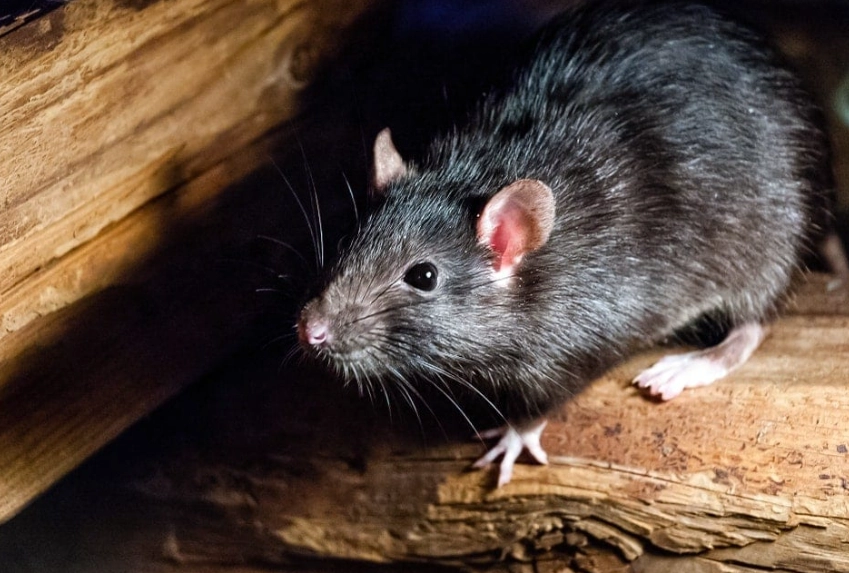
After a week of no catches and no new signs, you can reduce the number of traps, but leave a few in strategic locations as sentinels. Keep up the sanitation and exterior maintenance.
Prevention is Key: Making Your Home Rat-Proof
Think of this as ongoing home maintenance. Rats are opportunistic. Your job is to remove the opportunities.
- Landscaping: Trim tree branches back at least 6 feet from the roofline. Keep shrubs and ivy trimmed away from the foundation. Remove woodpiles and debris from against the house.
- Waste Management: Use garbage cans with tight-fitting lids. Don't leave bags of trash outside overnight. Compost bins should be fully enclosed.
- Food Storage: Store bulk pet food, bird seed, and grass seed in heavy-duty plastic or metal bins with locking lids. This is a huge attractant.
- Routine Checks: Twice a year (spring and fall), walk the perimeter of your home. Look for new gaps, cracks, or signs of gnawing. Check your attic and crawl space with a flashlight.
When to Call a Professional Pest Controller
DIY is great, but know your limits. Call a pro if:
- The infestation is large or you're dealing with rats in critical areas like HVAC ducts or electrical panels.
- You've followed the steps but are still seeing activity after 2-3 weeks.
- You're uncomfortable with any part of the process (trapping, sealing high areas, etc.).
- There are health concerns (allergies, asthma, risk of disease like hantavirus or leptospirosis). A good professional will perform a thorough inspection, use commercial-grade tools and materials, and often provide a warranty.
Look for licensed, insured companies with good reviews. Ask about their Integrated Pest Management (IPM) approach—it should emphasize exclusion and sanitation, not just chemical reliance.
Your Rat Control Questions, Answered
 Are ultrasonic repellent devices worth buying?

Comments