You found a flea on your dog. Or maybe you're the one getting bitten. That tiny speck of panic is real, and it's justified. A single flea can turn into thousands in your home in just a few weeks. I've been through this more times than I'd like to admit over fifteen years of owning dogs and cats. The biggest mistake I see? People treat the pet and call it a day. That's like mopping up a spill while the faucet is still running. This guide will show you how to shut off the faucet for good.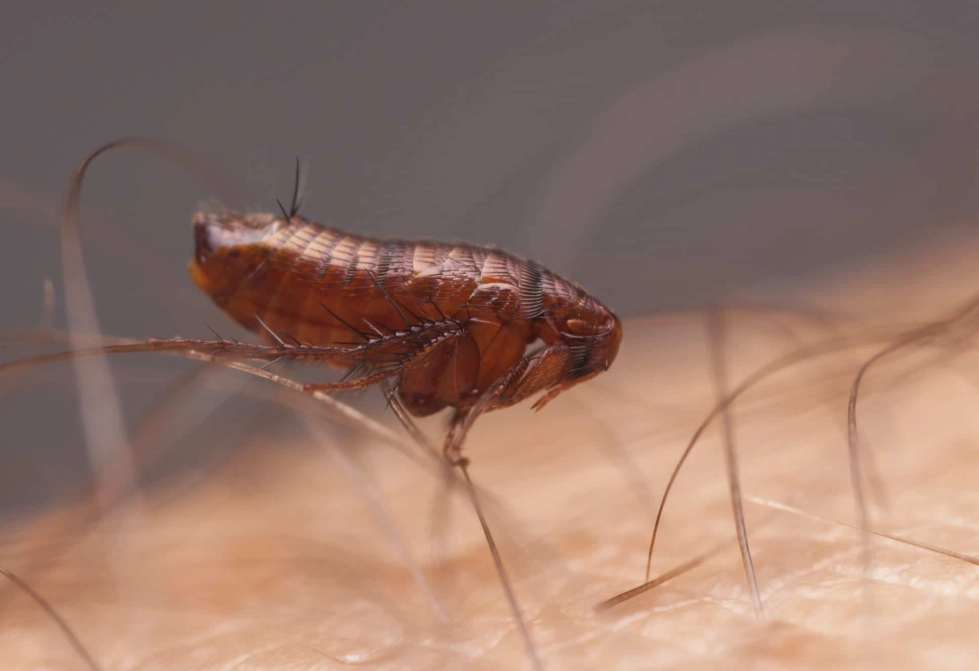
In This Article
Know Your Enemy: The Flea Lifecycle
You can't beat them if you don't understand them. Fleas aren't just bugs on your pet; they're a four-stage infestation in your home.
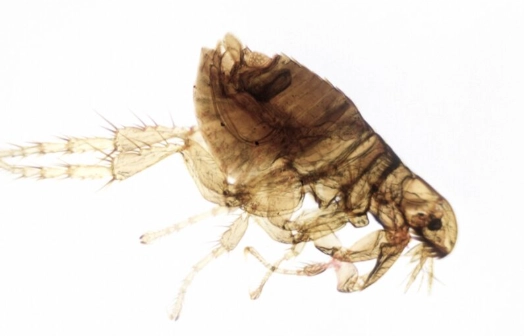
The Adult Flea (5% of the population): This is the biting, jumping stage you see. They live on your pet, feeding and laying eggs—up to 50 per day. They're the tip of the iceberg.
Eggs (50% of the population): These tiny white specks roll off your pet like salt, landing in your carpet, sofa, and bedding. They hatch in 2-12 days.
Larvae (35% of the population): The hatched eggs become worm-like larvae. They avoid light and burrow deep into carpets, cracks, and upholstery, feeding on flea dirt (adult flea feces). This stage lasts 5-20 days.
Pupae (10% of the population): The larvae spin cocoons. This is the nightmare stage. Pupae are nearly indestructible—they resist insecticides and can lie dormant for months, waiting for vibrations, heat, or carbon dioxide (signs of a host). Then they emerge as adults, restarting the cycle.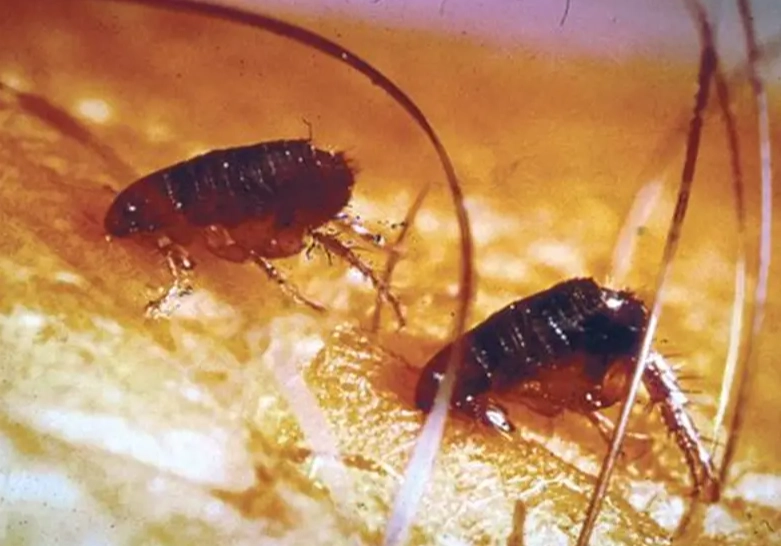
Your Step-by-Step Battle Plan to Eliminate Fleas
This is the core of it. You must attack on three fronts simultaneously: your pet, your home, and your yard (if applicable). Do these steps in order, ideally all on the same weekend.
Step 1: Treat All Pets in the Household
Every dog, every cat. No exceptions. Even the indoor-only cat. Consult your veterinarian—this is non-negotiable for choosing the right product based on species, age, and health.
Give your pet a bath with a gentle pet shampoo to remove live fleas and flea dirt. Follow up immediately with a vet-recommended long-acting treatment. Oral medications (like those containing spinosad or fluralaner) often work fastest, killing adults within hours. Topical "spot-on" treatments are also effective but may take a day. The goal is to turn your pet into a walking flea-killing machine, breaking the reproductive cycle.
Step 2: Declutter and Deep Clean Your Home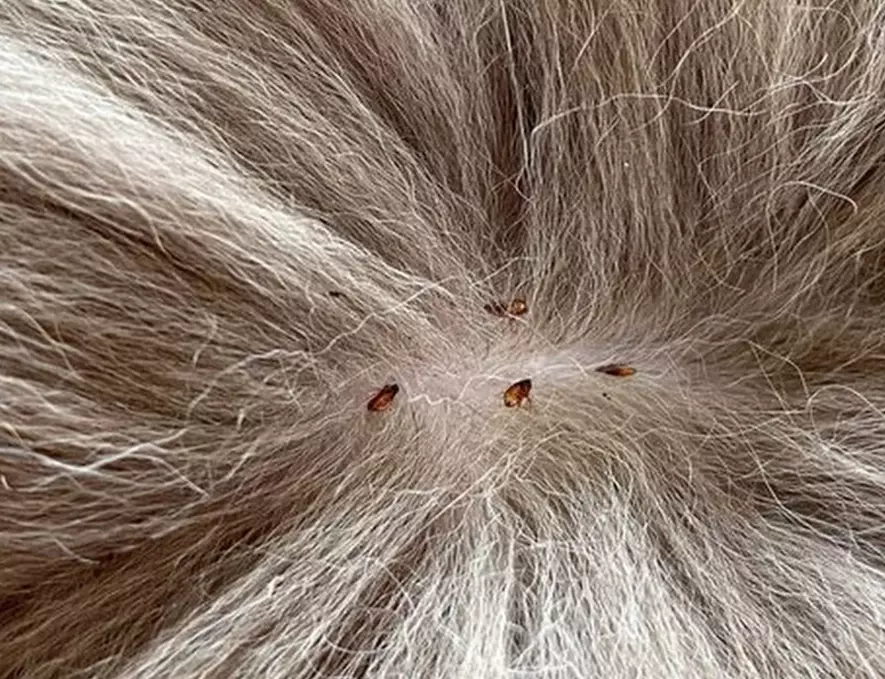
This is where most people slack off. Don't.
First, vacuum everything. I mean everything: carpets, hard floors, sofa cushions, mattresses, pet beds, and under furniture. The vibration also stimulates pupae to hatch, bringing them into contact with later treatments. Immediately seal the vacuum bag in a plastic bag and throw it in an outdoor bin.
Wash all pet bedding, your bedding, and any removable fabric covers in hot water (at least 130°F or 54°C) and dry on high heat.
Step 3: Apply an Environmental Insecticide
After cleaning, you need a product that kills the hidden stages. Look for an insect growth regulator (IGR) like methoprene or pyriproxyfen. These don't kill adults but prevent eggs and larvae from developing, breaking the lifecycle.
Use a fogger or, better yet, a pump spray that contains both an adulticide and an IGR. Spray carpets, upholstery, baseboards, and pet areas. Pay special attention to dark, warm spots. Follow the label to the letter—cover food surfaces, remove pets, and air out the room properly afterwards.
For a severe infestation, you might need to repeat this step in 2-3 weeks to catch the next wave of pupae as they hatch.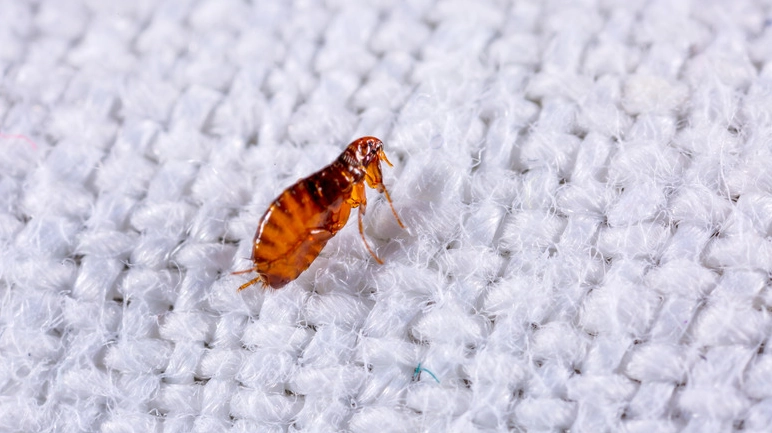
Comparing Flea Treatments: What Actually Works?
The market is flooded with options. Here’s a breakdown based on efficacy, convenience, and cost. Remember, what works for your neighbor's dog might be useless or dangerous for your cat.
| Treatment Type | How It Works | Best For | Key Considerations |
|---|---|---|---|
| Oral Prescription (e.g., Comfortis, NexGard, Bravecto) | Pill or chew that circulates in pet's blood. Kills adult fleas when they bite. | Fast action. Good for pets that swim or bathe often. No residue on fur. | Requires vet prescription. Some pets may be hesitant to eat it. Must be given monthly or every 3 months. |
| Topical Prescription (e.g., Frontline Plus, Advantage Multi, Revolution Plus) | Liquid applied to skin. Spreads via skin oils, killing fleas on contact or after biting. | Easy application. Many combine flea, tick, and heartworm prevention. | Can be greasy. Avoid bathing 2 days before/after. Cat Warning: Never use dog products on cats—can be fatal. |
| Insect Growth Regulator (IGR) Sprays (e.g., Siphotrol, Virbac) | Spray for home environment. Disrupts flea lifecycle at egg/larval stage. | Critical for home treatment. Prevents reinfestation from hidden stages. | Not for direct use on pets. Essential complement to pet treatments. |
| Flea Collars (e.g., Seresto) | Slow-release collar that repels and kills fleas over several months. | Long-lasting, low-maintenance option. | Efficacy can vary. Must be worn snugly. Check for skin irritation. |
| Shampoos & Sprays (Over-the-counter) | Kill fleas on contact during bath or application. | Immediate relief, good for initial wash. | Very short residual effect (hours to days). Alone, they are not a solution. |
My personal go-to for a bad infestation is a prescription oral medication for the pet combined with a thorough IGR spray for the home. It's a one-two punch that works.
How to Prevent Fleas from Returning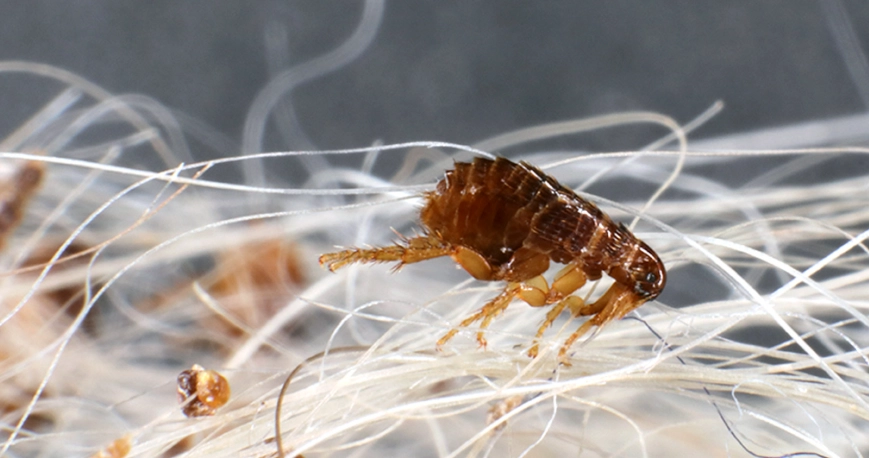
Winning the battle is one thing. Winning the war means consistent prevention.
Stay on Schedule: Administer your chosen vet-recommended flea prevention product every single month, or as directed (e.g., every 3 months for Bravecto). Mark it on your calendar. Set a phone reminder. Consistency is everything.
Maintain Your Environment: Vacuum high-traffic pet areas weekly. Keep your yard trimmed and clear of debris where wildlife (carriers of fleas) might hide. Wash pet bedding regularly.
Be Vigilant: Use a flea comb on your pet weekly, especially during warmer months. Look for "flea dirt"—black specks that turn red when wet (it's digested blood). Catching a problem early makes it infinitely easier to solve.
Tough Questions About Flea Problems
 I have a bad infestation. Should I bomb my house with multiple foggers?
Comments