You're relaxing on a sunny fall afternoon, and you notice a cluster of black and red bugs sunning themselves on your siding. A few days later, they're on your windowsills. Then, as temperatures drop, you find dozens—maybe hundreds—crawling into your house through tiny cracks. Welcome to the world of the boxelder bug (Boisea trivittata). They don't bite, they don't sting, and they don't eat your house. So why do they drive homeowners absolutely nuts? It's the sheer numbers, the staining from their droppings, and the unsettling feeling of an insect invasion in your personal space. This guide cuts through the generic advice and gives you a clear, actionable plan based on understanding their biology, not just spraying chemicals.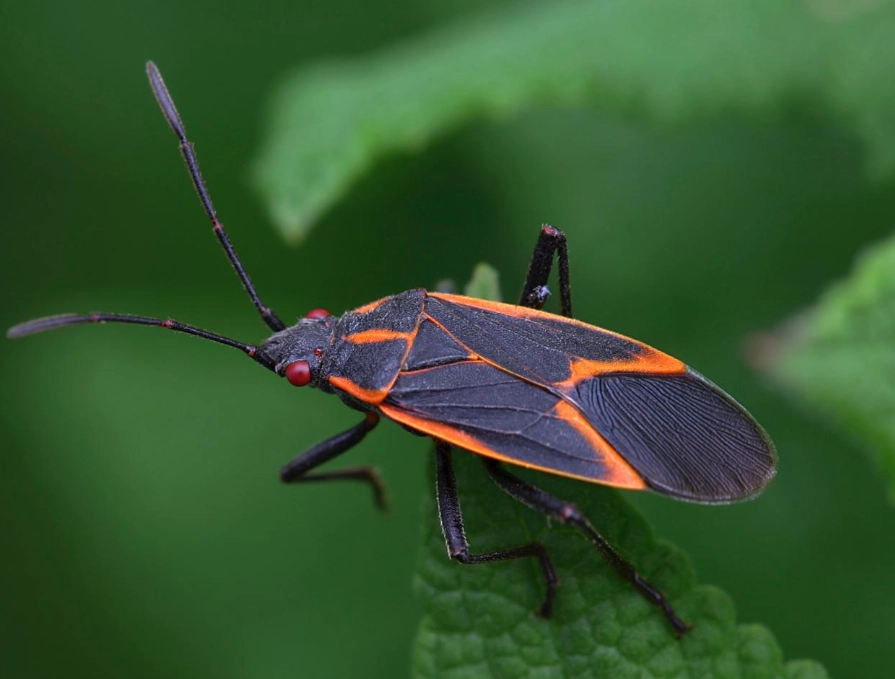
What You'll Learn in This Guide
What Exactly Is a Boxelder Bug?
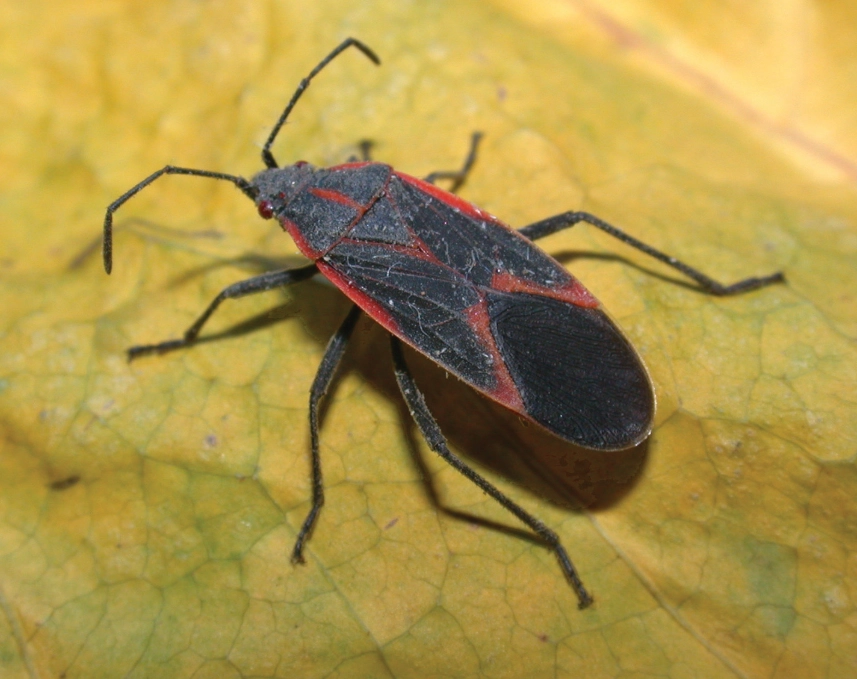
Let's be clear: not every black and red bug on your house is a boxelder bug. Correct identification is step zero. Adult boxelder bugs are about half an inch long, elongated, and mostly black. The key markings are three distinctive red lines on the thorax (the section behind the head) and red wing veins outlining the abdomen. The nymphs (juveniles) are smaller, wingless, and bright red. They're true bugs, related to stink bugs, and yes, they can emit a mild, unpleasant odor if crushed.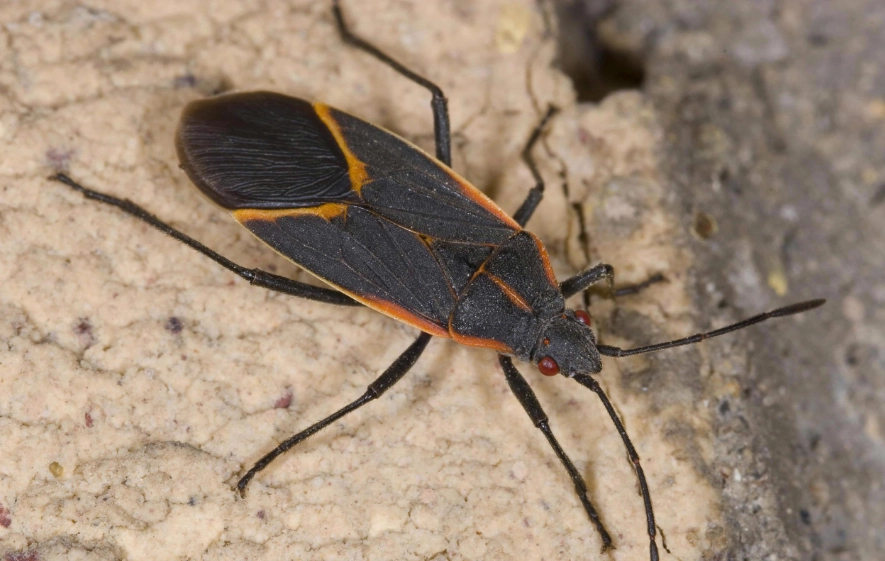
- Size: ~1/2 inch (12-13 mm) as an adult.
- Color: Black body with red-orange markings.
- Key Feature: Three red lines behind the head, red wing edges.
- Habitat: Always found near boxelder, maple, or ash trees (their food source).
Their entire life cycle is tied to female boxelder trees (and some maples and ashes). They feed on the seeds, leaves, and tender twigs. In late summer and fall, as seed pods dry and temperatures fall, they start looking for a cozy spot to overwinter. Your warm, sunny, south- or west-facing wall is their ideal vacation spot before they try to move indoors.
Why Are Boxelder Bugs in My House?
They're not seeking your food or trying to destroy your property. Your house is simply a convenient, large, warm rock to them. In nature, they'd overwinter in tree bark crevices or rock piles. A house, with its myriad cracks, gaps, and sun-warmed surfaces, is a five-star bug hotel. The attraction is purely about survival—escaping the cold. The problem arises when hundreds or thousands all pick the same "rock."
The biggest trigger is the presence of female boxelder trees on or near your property. If you have one, you're in the prime zone. Sun exposure matters too. Bugs congregate on sunny sides of buildings to warm up, making those sides the most vulnerable to entry.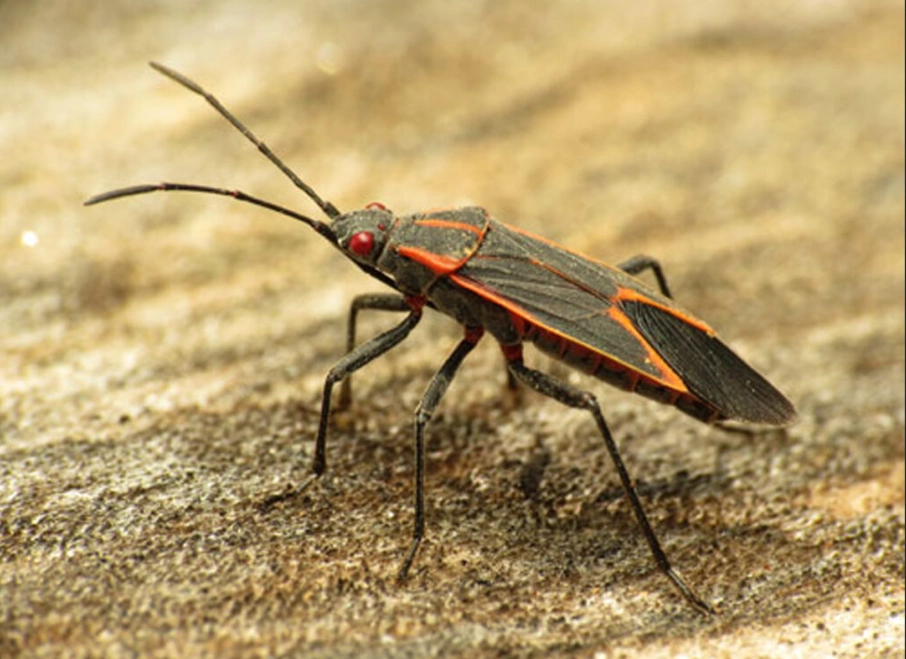
How to Prevent an Infestation (The Right Way)
Prevention is infinitely easier than dealing with an active indoor invasion. It's a seasonal chore, best done in late summer before they start congregating. Most people start too late.
Seal the Fort: The Exclusion Audit
Forget just looking at door sweeps. You need to get on a ladder and do a detailed audit. Boxelder bugs can flatten themselves and crawl through a gap the thickness of a dime.
- Utility Penetrations: This is the #1 entry point most homeowners miss. Where pipes, wires, air conditioners, or cables enter your house, there's often a gap filled with crumbling caulk or insulation. Seal these with a high-quality silicone or polyurethane caulk.
- Siding & Soffit Gaps: Check where different materials meet—wood to brick, siding to foundation. Use copper mesh (which bugs hate to crawl on) to stuff larger gaps before sealing.
- Windows & Doors: Inspect weatherstripping and repair or replace it. Check the weep holes at the bottom of window frames; a piece of fine mesh can block them.
- Vents: Attic, soffit, and foundation vents need fine mesh screening (at least 20-mesh).
Manage the Landscape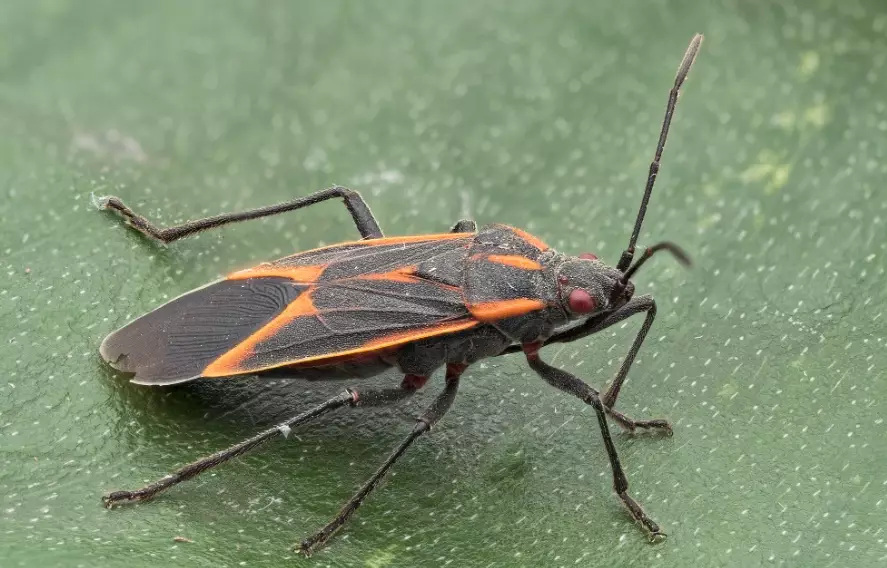
Removing a large female boxelder tree is a major decision, but it's the single most effective long-term solution. If that's not feasible, regularly rake up and dispose of the winged seeds (samaras) in late spring and summer to reduce their food source. Keep a clean zone around the foundation—remove leaf litter, mulch, and vegetation that touches the house, as this provides shelter and a bridge for bugs.
How to Get Rid of Boxelder Bugs Safely
If they're already inside or swarming outside, here's your action plan, from least to most aggressive.
For Bugs Already Indoors
Do not spray insecticides indoors. It's ineffective and creates more problems (dead bugs everywhere, potential chemical exposure). They are harmless indoors and will die of desiccation eventually.
- Vacuum Them Up: This is the gold standard. Use a vacuum with a hose attachment. Immediately empty the bag or canister into a sealed plastic bag and dispose of it outside to prevent odor. A shop vac works great.
- The Soapy Water Trap: For clusters on a window, fill a spray bottle with warm water and a few squirts of dish soap. Spray them directly. The soap breaks down their waxy outer coating and they'll die quickly. Wipe up with a paper towel.
For Outdoor Swarms and Prevention
Outdoor chemical treatments are a temporary barrier, not a silver bullet. Timing is everything—apply in early fall when they first start to gather.
| Method | How It Works | Best For / Notes |
|---|---|---|
| Residual Insecticide Spray | Creates a chemical barrier on siding, foundation, and around entry points. Bugs contact it and die. | Large-scale outdoor prevention. Use products with active ingredients like bifenthrin, lambda-cyhalothrin, or deltamethrin. Follow label directions precisely. |
| Diatomaceous Earth (DE) | A fine, abrasive powder that damages the insect's exoskeleton, causing dehydration. | Non-chemical option. Apply a thin layer in dry areas like cracks, crevices, and along foundations. Must be food-grade and kept dry. |
| Professional Pest Control | Expert assessment and application of longer-lasting materials, often with a warranty. | Severe, recurring infestations, or if you're not comfortable doing it yourself. A pro can find entry points you'll miss. |
Common Mistakes & Expert Insights
After years of dealing with these bugs and talking to entomologists, I see the same errors repeatedly.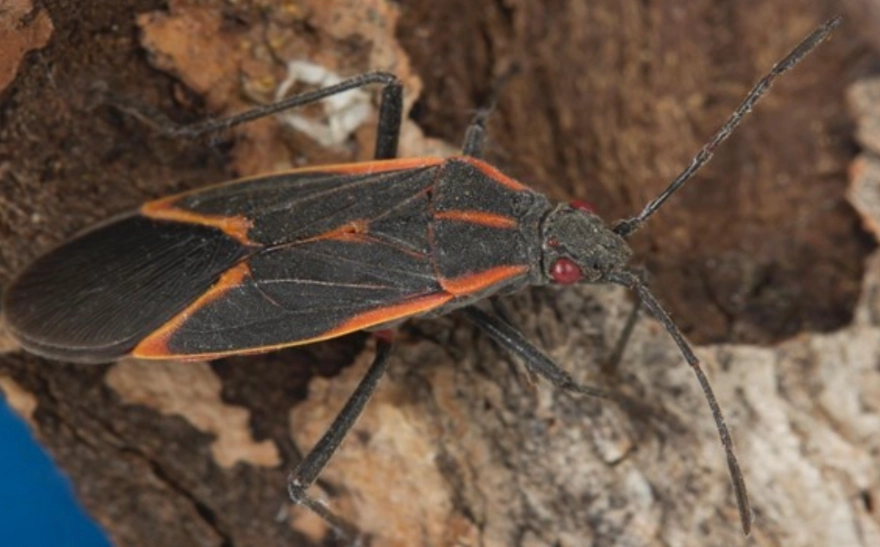
Mistake 1: Treating in Spring. You see bugs coming out of your walls in April and think you have an active infestation. Those are the same bugs from last fall just waking up and trying to get outside. Spraying then does almost nothing to prevent next fall's invasion. The treatment window is late August to September.
Mistake 2: Relying Solely on Bug Zappers or Light Traps. Boxelder bugs aren't strongly attracted to UV light like moths. You'll catch a few, but you'll miss the hundreds crawling up your foundation. It's a waste of electricity for this particular pest.
Mistake 3: Ignoring the Neighbor's Property. If your neighbor has a massive boxelder tree and does nothing, your perfect sealing job will only reduce, not eliminate, the problem. Have a polite conversation. Sometimes, treating the trunk of the host tree (with a labeled insecticide) in mid-summer can reduce the population before they ever head to your house.
The most effective approach is layered: Remove the food source if possible → Seal entry points meticulously → Apply a targeted outdoor barrier in early fall → Use physical removal (vacuuming) for any stragglers indoors.
Your Boxelder Bug Questions Answered
 Do boxelder bugs cause any real damage to my house or trees, or is it just a nuisance?

Comments