You see a dark shape scuttle under the fridge. Your first thought is probably just "cockroach." But that's like calling every four-legged animal in the forest a "deer." Knowing the exact types of cockroaches in your house isn't an entomology hobby—it's the single most important piece of intel for winning the war against them. I've been dealing with these pests professionally for over a decade, and I can tell you that the wrong identification leads to failed treatments, wasted money, and a whole lot of frustration. The German roach requires a nuclear-level siege, while the American roach might just need a door seal fixed. This guide will walk you through the five most common house cockroach species, not with textbook descriptions, but with the tell-tale signs I've learned to look for on the job.
Quick Navigation: What's Inside This Guide
The "Big Five" Common House Cockroach Species
Let's cut to the chase. In North American homes, you're almost certainly dealing with one of these five. Their habits, preferred real estate, and threat levels are wildly different. Memorize this table—it's your field manual.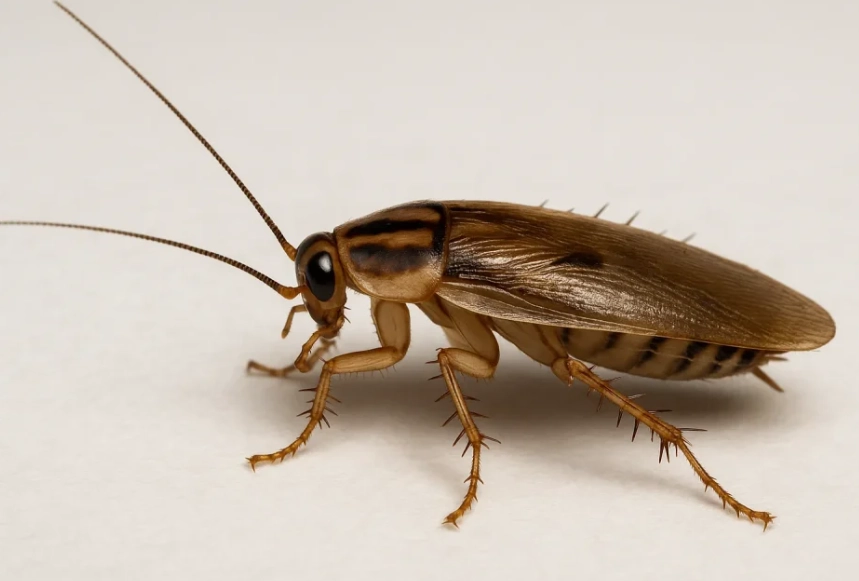
| Species | Size & Color | Key Identifying Feature | Primary Habitat in Home | Threat Level & Notes |
|---|---|---|---|---|
| German Cockroach | Small (1/2 to 5/8 inch). Light brown with two dark parallel streaks behind the head. | Tiny, dark-colored egg capsule (ootheca) carried by female until hatching. Extremely fast reproducer. | Warm, humid areas near food/water: Kitchen appliances (under fridge, stove), sink cabinets, bathroom voids. | SEVERE. The worst indoor pest. Infests rapidly, triggers allergies/asthma. Requires aggressive, sustained treatment. |
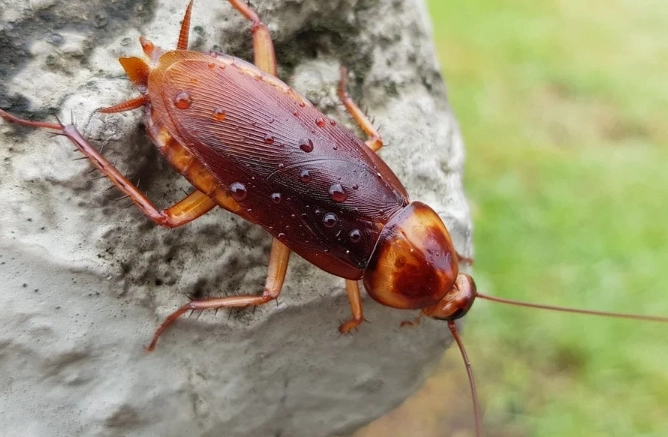
| American Cockroach | Large (1.5 to 2 inches). Reddish-brown with a yellowish figure-8 pattern behind the head. | Size alone is a giveaway. They can fly short distances in warm weather. | Damp, cool areas: Basements, crawl spaces, floor drains, sewer systems. Often enters from outdoors or via pipes. | MODERATE-HIGH. More a nuisance than an infester. Their presence often points to sanitation or entry-point issues. |
| Oriental Cockroach | Medium (1 to 1.25 inches). Glossy black or dark brown. Slower moving. | Appear "oily" or shiny. Males have short wings; females have only wing pads. | Cool, very damp areas: Basements, under sinks, under mulch/leaf litter near foundation, floor drains. | MODERATE. Strong, unpleasant odor. Prefers decaying organic matter. Control focuses on moisture reduction. |
| Brown-Banded Cockroach | Small (1/2 inch). Light brown with two lighter bands across wings and abdomen. | Bands are key. Males are good flyers; females have shorter wings. Prefers drier, warmer areas. | High locations: Upper cabinets, ceiling fixtures, behind picture frames, inside electronics (TVs, routers), furniture. | HIGH. A stealthy, scattered infestier. Hard to find because they avoid water sources and spread out. |
| Smokybrown Cockroach | Large (1.25 to 1.5 inches). Uniform mahogany or dark brown. Very long antennae. | Uniform dark color and strong, sustained flying ability. | Primarily an outdoor species in attics, eaves, woodpiles, and mulch. Invades homes seeking moisture or food. | LOW-MODERATE. An occasional invader. Control is about sealing the home and managing the outdoor habitat. |
A quick story from the field: I once got a frantic call about a "massive German roach" problem in a living room. The homeowner was using German roach bait, but it wasn't working. When I arrived, the "German roaches" were actually American cockroaches coming up from a cracked basement floor drain near the sofa. The bait was designed for a different species and diet. We sealed the drain and used a different insecticide, and the problem was solved in two weeks. Identification first, always.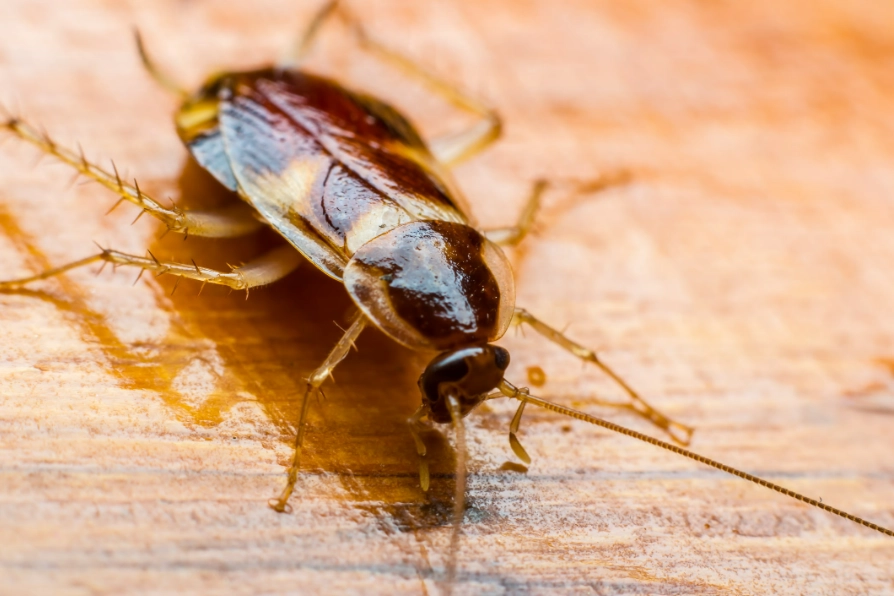
Beyond the Basics: Cockroach Identification Mastery
Okay, you've matched the bug to the table. Now let's get into the gritty details that separate a novice from someone who can really diagnose an infestation.
How to Find Their Hideouts (It's Not Just the Kitchen)
Everyone checks under the sink. You need to think like a roach.
- For German & Brown-Banded (the small, indoor nesters): Your inspection needs to be invasive. Pull out the fridge and stove. Remove the kickplate under the kitchen cabinets. Use a flashlight and mirror to look into the voids behind cabinets. Check the motor compartments of appliances (the warmth is inviting). For Brown-Banded, look up—take off outlet covers on upper walls, check behind clocks or framed art.
- For American & Oriental (the larger, moisture-loving invaders): Think like a plumber. Inspect the basement floor, especially around drains, sump pumps, and where pipes enter walls. Check under cardboard boxes stored on damp floors. Go outside and inspect the foundation, looking for gaps around utility lines and cracks in mortar.
The most common mistake I see? People spray where they see the roach. That's like swatting a mosquito and declaring victory over malaria. You need to find the harborage—the place where they cluster, breed, and hide during the day.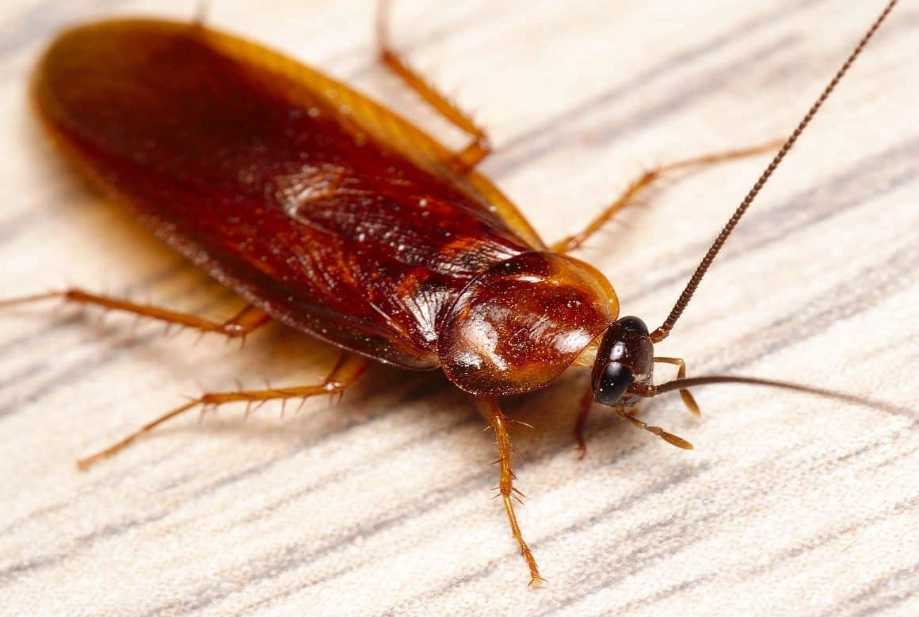
Signs You're Dealing With an Infestation, Not Just a Visitor
Seeing one roach doesn't mean you have an infestation. Seeing these signs does.
1. Fecal Matter: This is the big one. German roach feces look like coarse black pepper or coffee grounds. American/Oriental roach droppings are more cylindrical, with ridges, like tiny mouse droppings but smaller. You'll find them in corners, on shelves, or speckling vertical surfaces near their hideouts.
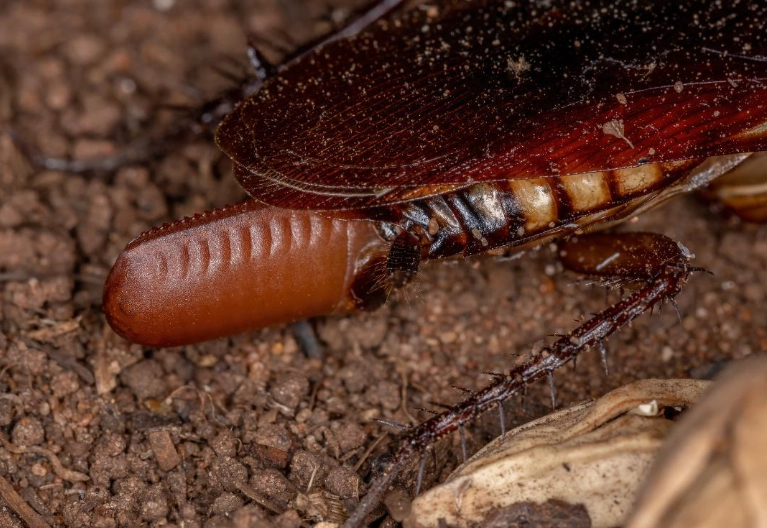
2. Egg Casings (Oothecae): These are the leathery, pill-shaped capsules. German casings are light brown and about 1/4 inch long, often found glued to surfaces in hidden areas. American casings are dark brown and over 1/3 inch, sometimes just dropped in out-of-the-way spots.
3. Odor: A heavy, musty, "oily" smell. In severe infestations, you can smell it when you walk into a room. Oriental roaches are particularly notorious for this.
4. Smear Marks: In areas with lots of moisture, roaches will leave dark, irregular smear marks on walls as they crawl. Look for these along pipes or in corners of damp basements.
From Identification to Action: Tailored Elimination Strategies
Here’s where your identification pays off. A generic "roach killer" spray from the store is a waste of time for a serious problem.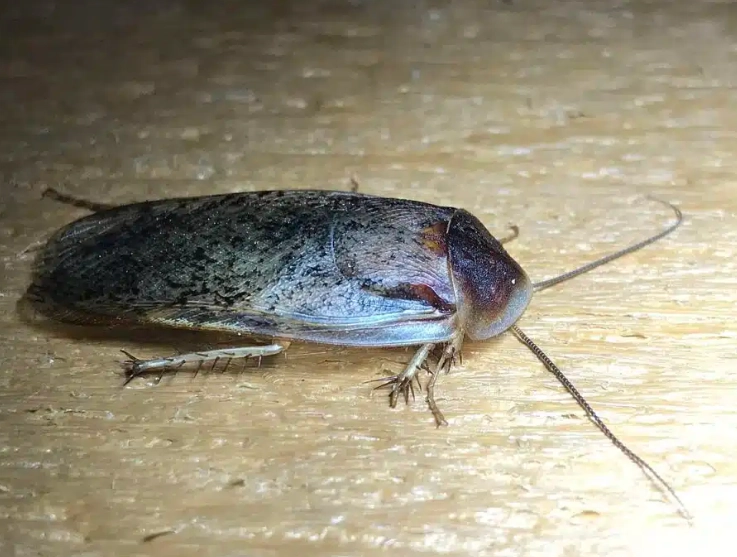
Scenario 1: You've Identified German Cockroaches
This is a red alert. You need a multi-pronged, sustained attack. Forget sprays as your main weapon—they scatter the population.
Step 1: Sanitation & Exclusion. This is non-negotiable. Store all food in sealed containers. Never leave pet food out overnight. Fix leaky faucets. Use a dehumidifier in damp areas. Caulk cracks in cabinets and walls.
Step 2: Insect Growth Regulators (IGRs). This is your secret weapon. Products like Gentrol or NyGuard mimic roach hormones, sterilizing adults and preventing nymphs from maturing. It breaks the breeding cycle. Use an IGR aerosol in the voids where they live.
Step 3: Gel Baits. Apply small dabs (pea-sized) of high-quality gel bait (look for active ingredients like Fipronil, Indoxacarb, or Dinotefuran) in many locations: under appliances, along cabinet hinges, in corners. The roaches eat it, go back to the nest, die, and are then cannibalized, poisoning others. Rotate bait active ingredients every 3-4 months to avoid bait aversion.
Step 4: Monitoring. Use sticky traps to monitor hot spots and gauge the success of your treatment. Don't expect it to be over in a week. A moderate infestation can take 2-3 months of consistent effort to fully eradicate.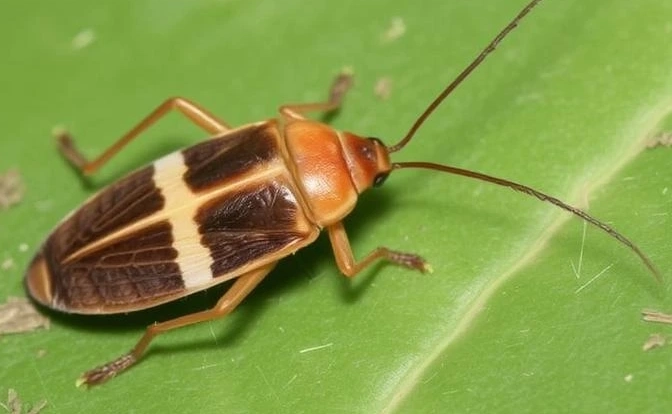
Scenario 2: You've Identified American or Oriental Cockroaches
Your strategy shifts from indoor siege to perimeter defense and habitat denial.
Focus on the exterior and moisture. Apply a residual insecticide (like a product with bifenthrin) as a barrier around your home's foundation, focusing on entry points. Seal every crack and gap you can find, especially around pipes, cables, and doors. Install door sweeps.
Inside, place bait stations or gel baits in the basement, near drains, and under sinks. For Oriental roaches, reducing moisture is 80% of the battle. Fix leaks, ensure downspouts drain away from the house, and ventilate crawl spaces.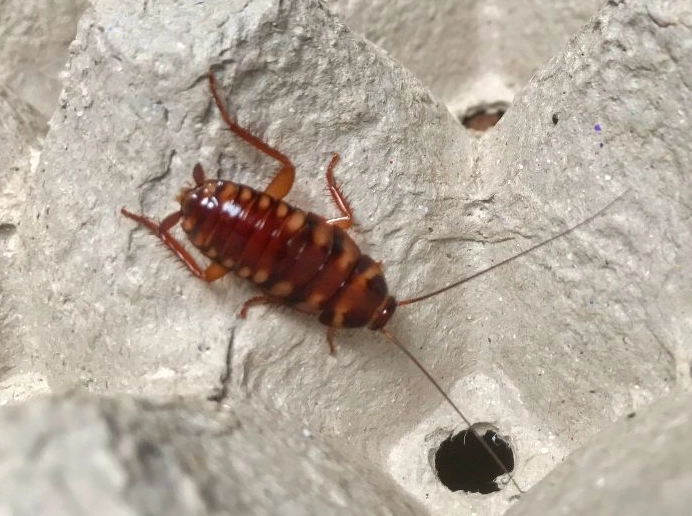
Expert Answers: Your Top Cockroach Questions
The bottom line is this: Treating house cockroach types effectively is a targeted operation. It starts with a positive ID. From there, you choose your weapons and your battle plan. For the occasional large invader, sealing up your home and managing the yard might be enough. For the small, relentless German roach, you're in for a campaign that demands precision and patience. Don't guess. Identify, then act.
Comments