If you're searching for "black ant with red," you're likely staring at a mound in your yard or feeling a sharp sting. That distinctive color combo usually points to one infamous insect: the red imported fire ant (Solenopsis invicta). This isn't your average garden ant. I've spent years dealing with these pests, both in my own backyard and advising others, and the common mistake is underestimating them. People see a small ant and think it's harmless. With fire ants, that assumption can lead to painful consequences and a property that's quickly overrun. This guide cuts through the guesswork. We'll cover exactly how to identify them, the real dangers they present (beyond the obvious sting), and the control methods that actually work long-term.
What's Inside This Guide
What Exactly Is a Black Ant with Red?
When most folks describe a "black ant with red," they're almost always talking about the red imported fire ant. It's a non-native, invasive species that's become a major pest across the southern United States and in other warm climates worldwide. The name is a bit of a misnomer—they're not purely red. Workers are a reddish-brown color with a darker, almost black abdomen. The contrast is what catches your eye.
Here’s a crucial point many online guides miss: not every reddish-black ant is a fire ant. There are native species that look similar. But the fire ant's behavior and impact are in a league of their own. They're aggressive, build conspicuous mounds, and their sting is a memorable event you won't confuse with a mosquito bite.
How to Identify a Red Imported Fire Ant
Accurate identification is step one. Mistaking them for a benign species means you won't take the necessary steps to control them. Look for these three things together: appearance, mound structure, and behavior.
Key Physical Characteristics
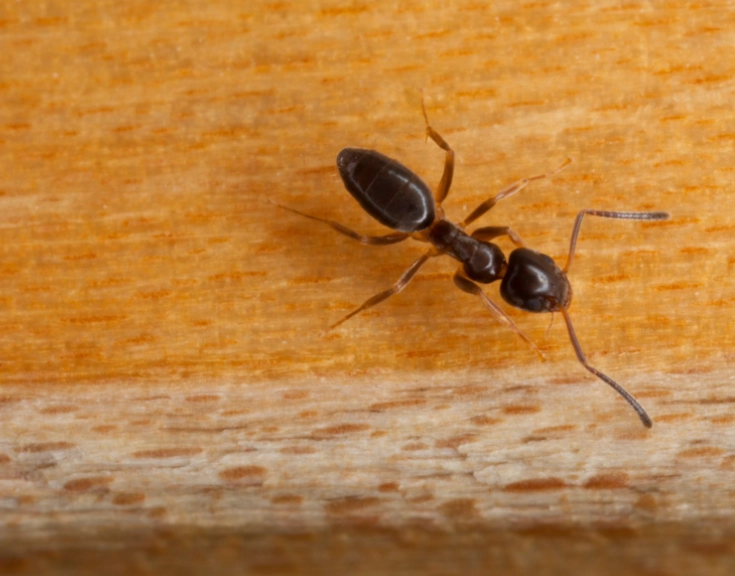
Fire ant workers vary in size from 1/8 to 1/4 inch. They have a copper-brown head and body (the "red" part) with a darker, blackish-brown abdomen. Under a magnifying glass, you'd see they have a two-segmented "waist" (pedicel) and a stinger at the tip of the abdomen—which they use liberally. The antennae are 10-segmented, ending in a two-segmented club.
The Tell-Tale Mound
Their nests are a dead giveaway. In sunny, open areas like lawns, pastures, and parks, you'll see dome-shaped mounds of loose, fluffy soil. There's no obvious entrance hole on top. When disturbed, the ants erupt out of the ground aggressively. In wet conditions, the mound might look more like a flattened mat of loose soil.
Behavioral Clues
They're fast and erratic movers. If you gently poke their mound with a stick, the workers will swarm out immediately and run up the stick towards your hand. This aggressive, defensive response is classic fire ant behavior. Most native ants will scatter or retreat.
The Real Dangers: More Than Just a Sting
Everyone fears the sting, and for good reason. But the problems run deeper.
The Sting: Fire ants grab skin with their mandibles and then sting repeatedly from their abdomen, injecting a venom called solenopsin. It feels like immediate, intense burning—hence the name "fire" ant. Within a day or so, the sting sites typically form white, fluid-filled pustules. These can itch intensely and may scar if infected.
Health Risks: For most people, the stings are painful and annoying. However, about 1% of the population is severely allergic. Anaphylaxis from fire ant stings is a real medical emergency. According to the CDC, stinging insects send over 500,000 people to the ER each year. Beyond allergies, the pustules can become infected if scratched, especially in children.
Ecological and Economic Damage: This is the part homeowners and farmers feel. Fire ants outcompete and kill native insects, ground-nesting birds, and small animals. They damage crops, chew on irrigation systems, and invade electrical equipment, causing short circuits. Their mounds can ruin lawn mowers and make playing in the yard a hazard.
How to Control and Eliminate Fire Ants
You can't just pour boiling water on one mound and call it a day. Fire ant colonies are vast, with multiple queens (polygyne colonies), and can quickly repopulate. Effective control requires a strategic, two-step approach.
| Method Type | How It Works | Best Use Case | Pros & Cons |
|---|---|---|---|
| Fast-Acting Baits | Workers take poison-laced bait (often a corn grit coated with oil) back to the colony, sharing it. It kills the queen(s) and colony over several weeks. | Broadcast over large areas (whole yard) for widespread control. Works preventatively. | Pro: Targets the entire colony, including hidden queens. Con: Slow (2-6 weeks). Requires proper application (dry ground, no rain forecast). |
| Direct Mound Treatments | Insecticidal dust or liquid drenched directly into the mound. Kills on contact. | For treating individual, nuisance mounds that pose an immediate threat. | Pro: Fast results (within hours). Con: Often misses satellite colonies. Can be labor-intensive. |
| Two-Step Method (Recommended) | 1. Apply a fast-acting bait over the entire property. 2. 2-3 days later, treat individual problem mounds with a direct treatment. | The most effective strategy for complete, lasting control in an infested yard. | Pro: Combines speed with colony elimination. Con: More expensive and requires two applications. |
My go-to strategy for a bad infestation is always the two-step method. I broadcast a bait like spinosad or methoprene in early fall or spring when ants are actively foraging. Then I hit the visible mounds with a drench. Skipping the bait step is the number one reason people see ants come back in a month.
Fire Ant Sting Treatment: What Works and What Doesn't
You got stung. Now what? The internet is full of home remedies, but let's focus on evidence-based care.
Immediate Steps: 1. Get away from the mound to avoid more stings. 2. Gently brush any ants off your skin—don't slap or crush them, as that can cause them to sting more. 3. Wash the area with soap and cool water.
Managing Pain and Itch: Apply a cold compress or ice pack wrapped in a cloth to reduce swelling and pain. Over-the-counter hydrocortisone cream (1%) can help with itching. An oral antihistamine like diphenhydramine (Benadryl) can also reduce itching and allergic response.
Avoid This Common Mistake: Do not pop the pustules. I know it's tempting. But popping them dramatically increases the risk of a bacterial skin infection. Let them dry and heal on their own.
Seek Medical Attention Immediately If: You experience signs of a severe allergic reaction—difficulty breathing, swelling of the tongue or throat, dizziness, rapid heartbeat, or a rash spreading beyond the sting sites. This is anaphylaxis and requires emergency care.
Common Mistakes People Make
After years of this, I see the same errors repeated.
Mistake 1: Only treating visible mounds. For every mound you see, there are likely several satellite colonies you don't. A bait program is essential for area-wide control.
Mistake 2: Using the wrong product at the wrong time. Applying bait when the ground is wet or when ants aren't foraging (in the heat of midday or during cold weather) is a waste of money. Ants forage when temperatures are between 70-90°F.
Mistake 3: Disturbing mounds before treatment. If you're going to use a drench, don't stomp on the mound first. You want the tunnels intact so the insecticide can flow through the entire nest.
Mistake 4: Assuming one treatment is forever. Reinfestation is common, especially from neighboring properties. A maintenance plan, often involving annual or biannual bait applications, is usually necessary.
Your Fire Ant Questions Answered
I see a black ant with a red thorax in my kitchen. Is it a fire ant?
Are the DIY remedies like pouring club soda or using diatomaceous earth on mounds effective?
My child was stung, and the pustules look infected. Should I use an antibiotic cream?
Can fire ants damage my home's foundation or wiring?
What's the most overlooked sign of a fire ant problem?


Comments