You see some small, dark insects with wings swarming near your window. Or maybe you find a pile of what looks like sawdust under a floorboard. Your first thought might be ants. But in the back of your mind, a more worrying possibility creeps in: could it be termites? Getting this simple identification wrong is one of the most expensive mistakes a homeowner can make. I've seen it happen too many times. A client once called me about "big ants" in their basement for months, treating it themselves with ant baits. By the time they brought me in, the main support beam was so hollow it crumbled at a touch. The repair bill was over $20,000. That's why knowing the difference between termites and ants isn't just trivia—it's home defense.
This guide cuts through the confusion. We'll go beyond the basic biology and dive into the practical, often-missed details that matter when you're staring at a bug on your windowsill.
What You'll Find in This Guide
The Physical Differences: A Side-by-Side Look
Let's start with the most immediate way to tell them apart: their bodies. Forget trying to remember textbook descriptions. Here’s what you look for in the real world.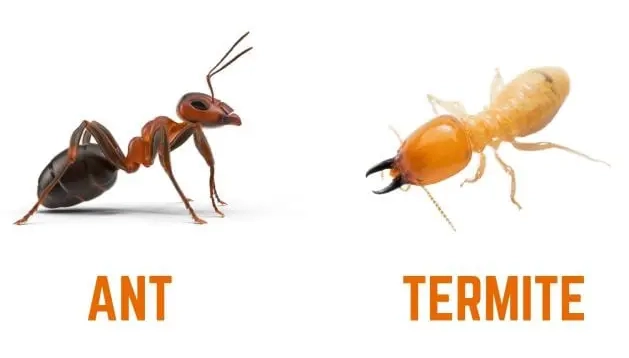
Body Shape: The Waist Test
This is the single fastest check. Pick up the insect (or look at a clear photo).
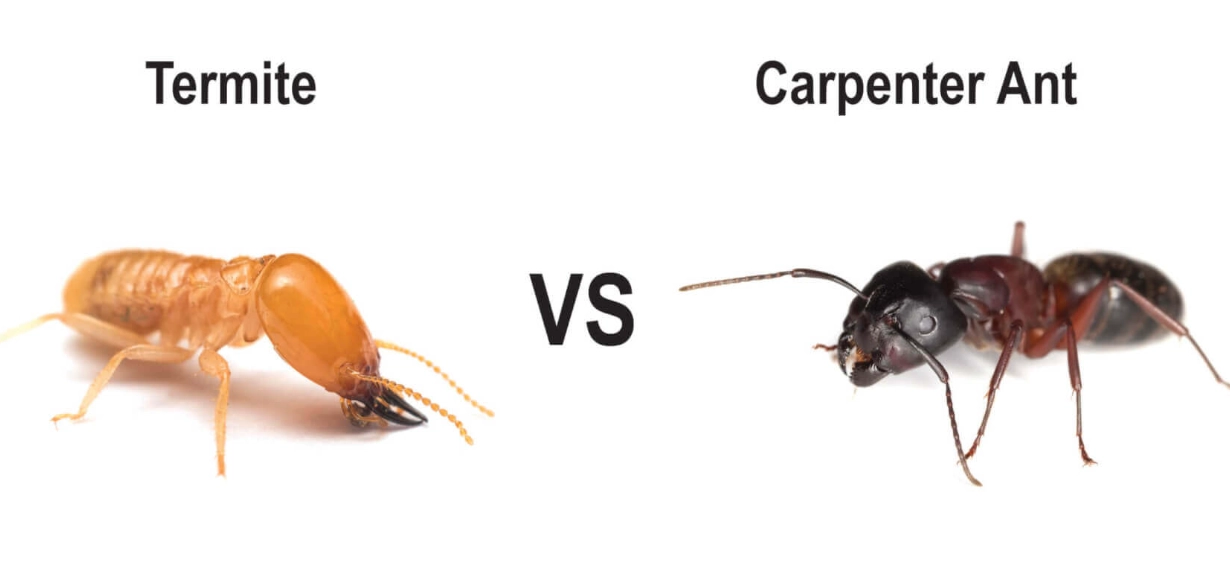
Ants have a pronounced, pinched waist. Their body looks like three distinct parts: head, thorax (middle), and abdomen (rear), connected by a very narrow segment. It's an hourglass figure.
Termites, on the other hand, have a straight, rectangular body. No pinched waist. Their abdomen is broadly joined to their thorax, giving them a more uniform, tube-like appearance.
Think of it like this: ants are shaped like a peanut, termites are shaped like a Tic Tac.
Antennae: Straight vs. Elbowed
Get a closer look at their heads. The antennae are a dead giveaway.
Ant antennae are bent, like an elbow. They have a distinct L-shape.
Termite antennae look like a string of tiny beads and are straight. No bend at all.
Wings: The Swarmer Showdown
This is where most confusion happens—when you see the winged reproductive versions, called alates or swarmers.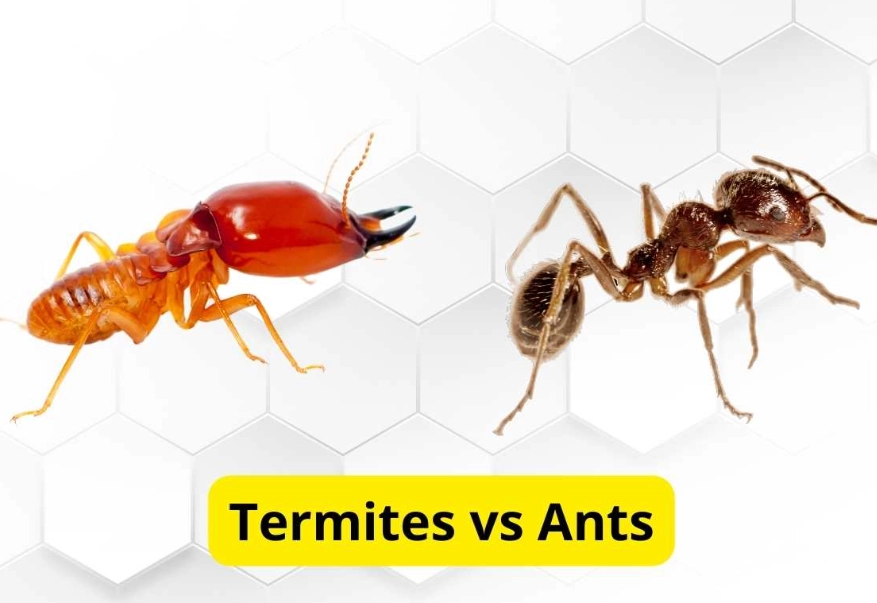
| Feature | Flying Ants | Flying Termites |
|---|---|---|
| Wing Size | Two pairs of wings, but the front wings are noticeably longer than the hind wings. | Two pairs of wings that are equal in length and much longer than the body. |
| Wing Veins | Fewer, more prominent veins. | Many fine, web-like veins. |
| Wing Shedding | They keep their wings after mating. You might find ants with wings still attached. | They shed their wings very quickly after landing. Finding piles of identical, discarded wings is a classic sign of a termite swarm. |
| Color | Often darker; the front and back of the body may be different colors. | Usually uniform in color, often a pale, creamy brown or dark brown/black. |
If you find a pile of tiny, identical wings by a windowsill or door, don't sweep them away thinking they're from moths. That's a major red flag for termites.
Behavior and Damage: What They're Actually Doing in Your House
Appearance is one thing, but what they do tells the real story. Their motives and methods are completely different.
Termites are cellulose eaters. Wood is their food. They consume it from the inside out to get the nutrients. When they tunnel through wood, they mix it with saliva and dirt, creating a characteristic mud-like material. This is why you see mud tubes on foundations—they're highways that protect them from dry air as they travel from their nest in the soil to the wooden buffet in your home. The damage inside the wood is layered, with bits of soil and muck. Tap on a termite-damaged beam, and it might sound hollow. Press a screwdriver into it, and it will punch through easily, revealing a honeycomb pattern of galleries.
Ants (even carpenter ants) are not eating your wood. They're predators and scavengers, feeding on other insects, sweets, and proteins. Carpenter ants nest in wood. They excavate it to create smooth, clean galleries for their colony to live in. They don't eat the wood; they just push it out of the way. So, you'll find accumulations of what looks like fine sawdust (called frass) mixed with insect parts near their nest openings. The galleries they create feel sandpapered smooth from the inside.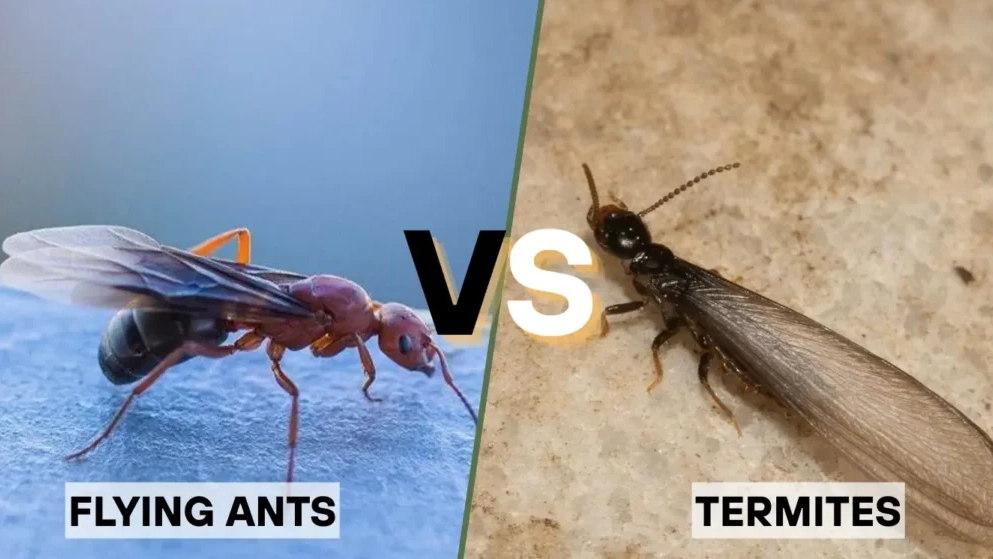
The Carpenter Ant Confusion: The #1 Mistake
Of all ants, carpenter ants cause the most misidentification. They're large, dark, and associated with wood damage. Let's clear this up.
Carpenter ants are often black or dark red and can be quite large (up to half an inch). They are primarily nocturnal. You might see one foraging at night in your kitchen, looking for a spilled drop of juice. Seeing a single, large ant indoors, especially at night, is more indicative of a carpenter ant scout than a termite worker (termite workers almost never expose themselves unless the wood is broken open).
The damage is also distinct. Carpenter ant nests are often in moist, decaying wood first (like a window frame with a leak). They then expand into sound wood. The entrance holes are clean, and the frass they kick out is a telltale sign. Termite damage is more insidious—it can be in perfectly dry wood, and there's often no visible entry point from the outside until the damage is severe.
Both are serious problems. Carpenter ant damage can be structurally significant over many years. But termites work faster and are more relentless. Misidentifying a termite infestation as carpenter ants gives the termites a multi-month head start. That's the real danger.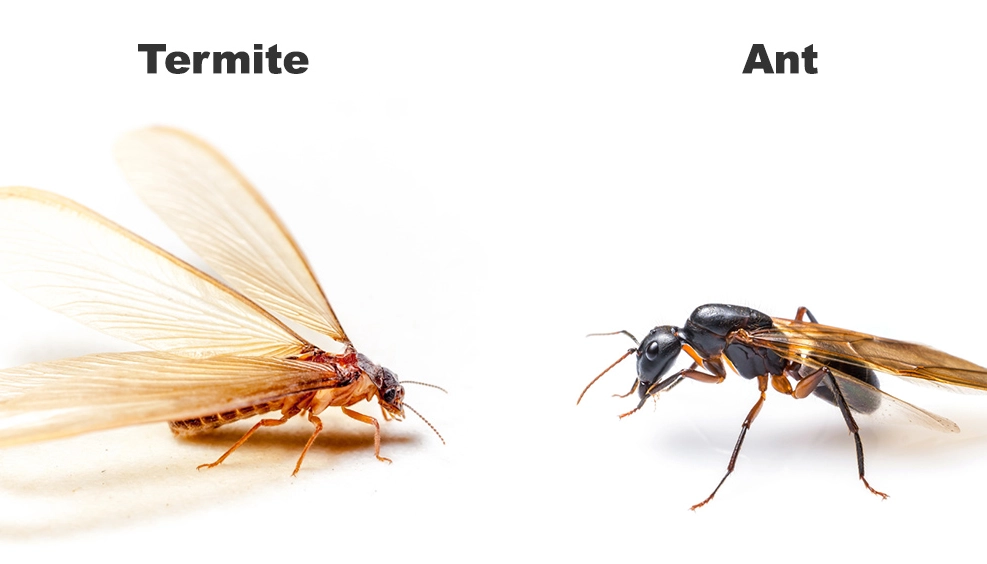
What to Do If You Find Them: Action Plan
Okay, you've seen something suspicious. Here's your step-by-step move.
Step 1: Don't Panic and Don't Spray. This is crucial. Grabbing a can of insecticide and spraying the bugs you see is the worst thing you can do, especially for ants. You'll kill the visible foragers, which are just a fraction of the colony, and often scatter the rest, making the problem harder for a professional to find and treat. For termites, surface spray does nothing to the colony hidden deep within.
Step 2: Collect a Sample. If possible, safely capture a few insects in a small jar or sealed plastic bag. A clear photo with good macro focus on the body and antennae works too. This is gold for identification.
Step 3: Inspect the Area. Look for secondary signs. For possible termites: tap on wood along baseboards, window sills, and door frames. Listen for a hollow sound. Look for mud tubes on foundation walls, in crawl spaces, or on piers. Check for blistering or dark areas on wood that might indicate moisture and tunneling beneath. For ants: follow their trail if you see one. Look for piles of frass. Listen for a faint rustling sound inside walls at night—carpenter ants can be surprisingly audible.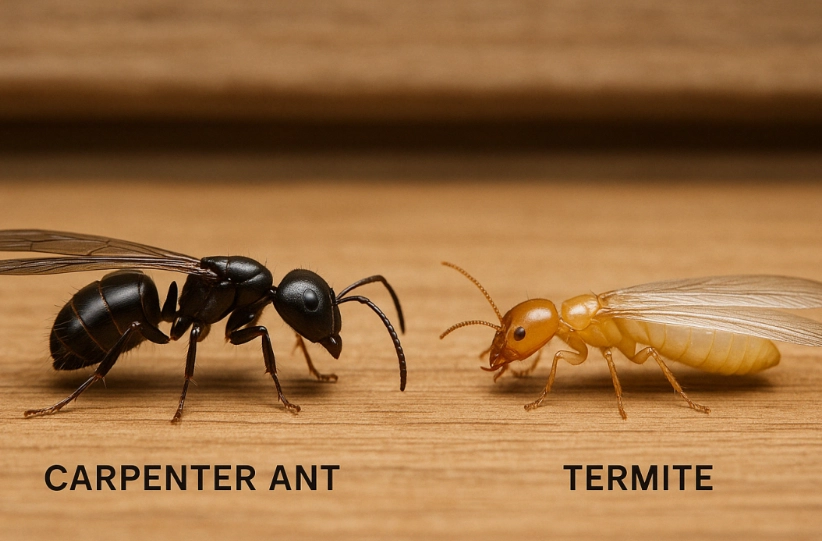
Step 4: Call a Professional. For any suspected termite activity, call a licensed pest control professional immediately. For carpenter ants, it's also strongly advised. DIY solutions for nesting wood-destroying insects are rarely effective long-term. Get at least two inspections and quotes. A reputable pro will do a thorough inspection, often for free, and give you a detailed plan.
Prevention Strategies That Actually Work
Prevention is about making your property less attractive. The strategies overlap but have different emphases.
To Deter Termites:
- Eliminate Soil-to-Wood Contact: This is rule #1. Ensure no siding, door frames, or structural wood touches the soil. Maintain a 6-inch gap.
- Manage Moisture: Fix leaky faucets, pipes, and AC units. Ensure gutters and downspouts direct water away from the foundation. Termites thrive in damp soil.
- Remove Food Sources: Don't store firewood, lumber, or cardboard boxes against the house or in crawl spaces. Get rid of old tree stumps near the foundation.
- Consider a Professional Barrier: For high-risk areas, a soil treatment or baiting system installed by a pro is the most reliable defense.
To Deter Carpenter Ants:
- Find and Fix Moisture Problems: They seek out wet wood first. Repair roof leaks, plumbing leaks, and ensure proper ventilation in attics and crawlspaces.
- Trim Vegetation: Keep tree branches and shrubs trimmed back so they don't touch the house. These are natural bridges for ants to find entry points.
- Seal Entry Points: Caulk cracks and crevices in the foundation, around utility lines, and where pipes enter the house.
- Be Clean: Keep kitchen surfaces clean, store food in sealed containers, and manage trash to avoid attracting foraging scouts inside.
Comments