That tiny, dark shape scurrying across the baseboard or sitting motionless in a corner web—it's a sight that triggers a range of reactions, from curiosity to full-blown panic. For most people, it's just a "little black spider." But that vague description covers dozens of species, from completely harmless helpers to the rare one you genuinely need to be cautious around. The biggest mistake I see, after years of dealing with these questions, is the automatic leap to "it must be a black widow." That fear leads to unnecessary pesticide use and missed opportunities for natural pest control. Let's cut through the fear and get practical. This guide will help you figure out what you're looking at, assess the real risk (spoiler: it's almost always minimal), and give you clear, safe steps for managing them if you choose to.
What's Inside This Guide
How to Identify Common Little Black Spiders
Not all little black spiders are the same. Throwing a shoe at every one is like using a flamethrower to light a candle—overkill and messy. Identification is your first, most powerful tool. You don't need a microscope; just look for a few key features.
1. The Black House Spider (Badumna spp.)
This is the most likely culprit in temperate regions like North America, Europe, and Australia. It's the classic "little black spider" in homes. They're robust, dark charcoal grey to black, with a matte, slightly velvety look (not shiny). Their webs are the giveaway: messy, funnel-shaped laceworks, often in window corners, eaves, or behind furniture. They're sedentary, shy, and fantastic at catching flies and mosquitoes. I've watched them in my own garage for months, never moving from their web corner.
2. The False Widow (Steatoda spp.)
This one causes the most confusion. It's often glossy black or dark brown with a round, bulbous abdomen. Some species have pale markings that can resemble an hourglass or dots, leading to the panic. The key difference from a true black widow? The markings are usually on the top of the abdomen, not the underside, and are cream or white, not red. Their legs are often a reddish-orange. They build messy, tangled cobwebs. Their bite can be painful (like a bad wasp sting) but is not considered medically significant for most people, according to entomology resources from universities like Cornell.
3. The Jumping Spider (Family Salticidae)
These are the curious ones. Small, compact, and often fuzzy, they can be black but also have iridescent chelicerae (mouthparts) or subtle patterns. They don't build webs to catch prey; they hunt actively. You'll see them stalking across walls or windowsills, and they can jump. Their front-facing, large eyes give them a almost "cute" appearance. Completely harmless to humans.
| Spider Type | Key Identifying Features | Web Type | Typical Location | Risk Level |
|---|---|---|---|---|
| Black House Spider | Dark grey/black, matte finish, stocky body. | Messy, funnel-shaped lace. | Window corners, eaves, garages. | Very Low. Painful bite rare. |
| False Widow Spider | Glossy black/brown, round abdomen, possible pale markings on top. | Tangled, messy cobweb. | Sheds, outbuildings, sometimes indoors in quiet areas. | Low to Moderate. Painful bite, minor medical issues possible. |
| Jumping Spider | Small, compact, fuzzy, often with "face" of large eyes. Moves in jumps. | No catching web. May build a silk retreat. | Walls, windowsills, outdoors on plants. | None. |
| Black Widow (For Comparison) | Shiny jet black, very round abdomen, red hourglass on underside. | Irregular, strong, sticky tangle, often near ground. | Woodpiles, cluttered sheds, under outdoor furniture. | High. Venomous, seek medical attention if bitten. |
See the pattern? The dangerous one, the black widow, has a very specific, bright red mark on its belly. If you can't see the underside easily, it's probably not one. Most little black spiders indoors are just house spiders or false widows.
Understanding the Real Risks: Venom, Bites, and Allergies
Let's be blunt: the risk from the average little black spider is dramatically overstated. Spiders have no interest in biting you. You are not food; you are a terrifying giant. Bites almost always happen through accidental pressure—putting on a glove they crawled into, rolling over on one in bed.
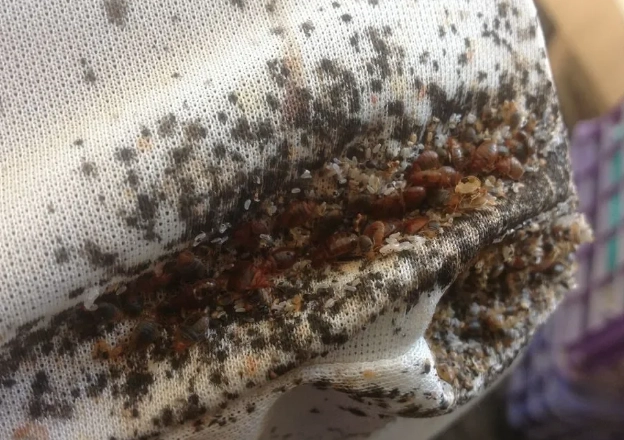
The Non-Consensus Truth: Many skin infections or mysterious "bug bites" are incorrectly blamed on spiders. Medical literature, including reports from the CDC, often notes that diagnosed spider bites are far rarer than people claim. Bed bugs, fleas, or even bacterial skin infections are more common culprits. A true spider bite typically presents as two tiny puncture marks close together, with immediate local pain or swelling.
When to be concerned: Only two groups of spiders in North America have venom of medical concern: widows (latrodectism) and recluse spiders (loxoscelism). Recluses are brown, not solid black. So for a "little black spider," the only genuine high-risk candidate is the black widow. And as the table shows, it's not a common home invader; it prefers undisturbed outdoor areas.
For false widow or house spider bites, manage it like any minor insect sting: clean the area, apply a cold pack, and take an antihistamine if itchy. See a doctor if symptoms are severe or you suspect an allergic reaction (difficulty breathing, spreading rash).
A Step-by-Step Prevention and Removal Strategy
Even if they're harmless, you might not want roommates. A good strategy focuses on making your home less inviting, using physical removal first, and reserving chemicals as a last resort. This is the core of Integrated Pest Management (IPM).
Step 1: Deny Them Entry and Harborage
Spiders come inside for two reasons: prey and shelter. Eliminate both.
Seal it up: Use caulk or sealant to close cracks around windows, doors, utility lines, and foundations. Install door sweeps. Repair screens.
Reduce clutter: This is huge. Boxes, piles of clothes, stacks of paper, and general clutter in basements, garages, and closets create perfect hiding spots. Declutter regularly.
Control other insects: Fewer flies, ants, and cockroaches mean less spider food. Fix leaky faucets, store food in airtight containers, and take trash out regularly.
Change exterior lighting: Lights attract the insects that attract spiders. Switch porch lights to yellow bug lights or sodium vapor bulbs, which are less attractive to insects.
Step 2: Non-Chemical Removal and Deterrence
This is where most people reach for the spray can. Don't. Try these first.
The cup-and-card method: The gold standard. Place a clear cup over the spider, slide a stiff card underneath, and release it outside. It's free, immediate, and 100% effective for the individual spider.
Regular vacuuming: A vacuum cleaner with a hose attachment is a spider management powerhouse. It removes spiders, egg sacs, and webs from corners, ceilings, and behind furniture. Empty the vacuum bag/canister outside immediately.
Web removal: Use a broom or a dedicated duster to regularly knock down webs. This discourages spiders from re-establishing in that spot.
Step 3: Targeted Chemical Controls (If Necessary)
If you have a persistent issue, use chemicals smartly and sparingly. Broad-spectrum sprays that coat baseboards are often overkill and can expose your family and pets to unnecessary pesticides.
Diatomaceous Earth (DE): A fine, powdery dust made from fossilized algae. It's non-toxic to mammals but works mechanically, damaging the exoskeletons of insects and spiders. Lightly puff it into cracks, crevices, and voids where spiders travel. Wear a mask when applying. It loses effectiveness when wet.
Targeted Insecticidal Dusts: Products with ingredients like deltamethrin can be puffed into wall voids and attic spaces—areas you don't frequent. This creates a long-term barrier. This is a job where reading the label and possibly hiring a pro makes sense.
Peppermint Oil Myth: I have to be honest, the popular advice about peppermint oil as a strong deterrent is overstated. In my experience, and in controlled studies, the effect is fleeting at best. It might work for a few hours, but it's not a reliable solution. Focus on the physical steps above.
Important: Always read and follow the label instructions on any pesticide product. The label is the law. Never use outdoor products indoors. Store all chemicals safely out of reach of children and pets.
Your Little Black Spider Questions, Answered
I found a little black spider with a red dot. Is it a baby black widow?
Unlikely. Baby black widows are not solid black with a single red dot; they are often striped or patterned with white, orange, and brown, only developing the classic adult coloration after several molts. A small black spider with a red mark is more likely a male false widow (which can have reddish markings) or another harmless species. The key is location: a true widow's red hourglass is only on the underside of a shiny, round, jet-black abdomen.
What should I do immediately if I think a little black spider bit me?
First, stay calm. Wash the bite area thoroughly with soap and water to prevent infection. Apply a cold pack to reduce swelling and pain. Take an over-the-counter pain reliever if needed. Do not cut the bite or try to suck out venom—this worsens the injury. Monitor the site. Seek immediate medical attention only if you develop severe symptoms: intense pain spreading from the bite, muscle cramps, abdominal rigidity, nausea, difficulty breathing, or if you are certain it was a black widow and you are a child, elderly, or have a pre-existing health condition.
Are little black spiders in the house a sign of a bigger infestation?
Not in the way termites or cockroaches are. Spiders are solitary predators. Seeing one or two usually means they've found a good source of prey (other insects) or shelter. However, an increase in numbers can be an indicator that you have an underlying insect population they're feeding on. Your action plan should be to look down the food chain. Increase your general pest prevention (sealing food, fixing moisture issues, decluttering) to reduce the insects that are attracting the spiders in the first place.
I have a severe spider phobia. What's the most effective way to keep them completely out of my bedroom?
For a phobia, you need a zero-tolerance, multi-layered approach. Start with the bedroom as a fortress. 1) Move the bed away from walls and ensure no bedding touches the floor. 2) Install tight-fitting screens on windows and seal any gaps with weather stripping. 3) Use a bed skirt or tape the edges of a fitted sheet under the mattress box spring to create a smooth surface. 4) Perform a quick "web check" with a flashlight in upper corners and under furniture weekly. 5) Consider using a vacuum with a HEPA filter regularly. The psychological comfort of this controlled environment is as important as the physical barriers.
The bottom line is simple. The next time you see a little black spider, take a breath. Look at it. Chances are, it's a harmless house guest doing a bit of free pest control. If you'd rather it left, you now have a range of effective, safe options that don't involve unnecessary fear or chemicals. Knowledge really is the best repellent.
Comments