You see a dark shape dart across the kitchen floor at night. Your first thought is "roach!", but that's like saying "car" when you need to know if it's a sedan, truck, or motorcycle. The kind of roach you're dealing with changes everything—where it came from, how bad the problem might be, and most importantly, how to get rid of it for good. I've spent years in pest management, and the single biggest mistake homeowners make is treating all roaches the same. Let's fix that.
What You'll Find in This Guide
Why Bother Identifying the Species?
Spraying a generic insecticide might kill the roach you see, but it won't solve your problem. Different roaches have different survival manuals. A German cockroach infestation in your apartment means you're likely dealing with a persistent, breeding population hiding in your appliances. Finding a single American cockroach in your basement might just mean it wandered in from the sewer or a mulch bed outside—a totally different level of concern.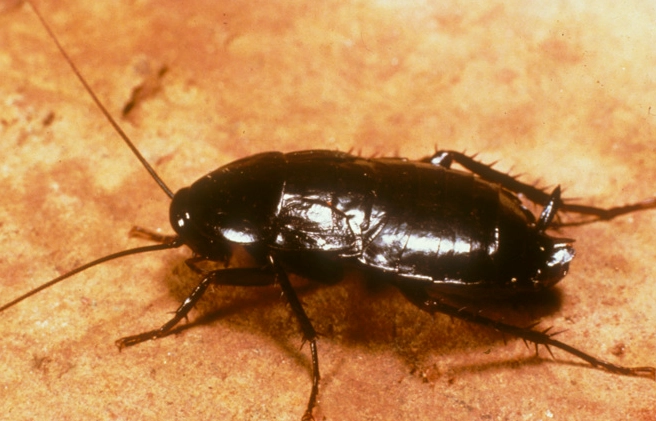
Identification is your diagnostic tool. It tells you the scale (is this a lone scout or evidence of a nest?), the source (are they coming from inside or outside?), and the strategy you need (bait gels work miracles on Germans but are less effective on some outdoor species). The Centers for Disease Control and Prevention (CDC) lists roaches as asthma triggers and potential disease carriers, so knowing your enemy is a public health step, not just a cosmetic one.
Pro Tip: Don't just smash it and flush it. If you can safely catch one (a glass jar works), do it. Having the actual specimen makes identification foolproof. Take a clear photo from above and from the side. Look for size, color, and any distinctive markings on the thorax (the shield-like section behind the head).
How to Tell Different Kinds of Roaches Apart
Forget scientific jargon. Focus on three simple things you can see: Size, Color & Markings, and Habitat/Behavior. A roach in your cereal box is a different beast than one in your garage.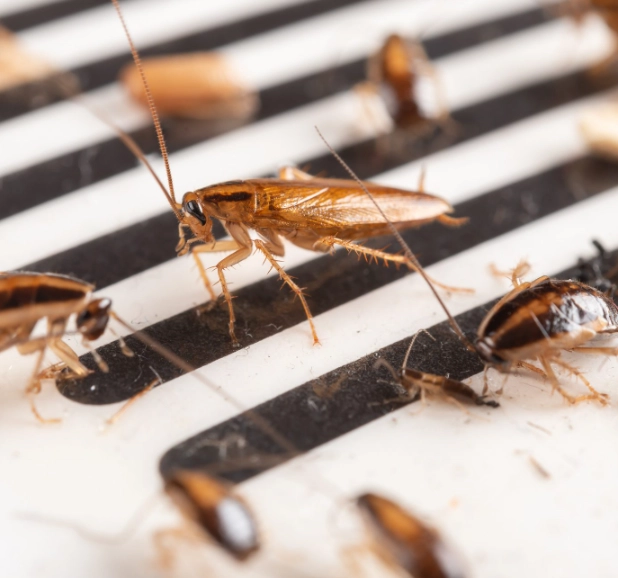
Size is Your First Clue
Group them mentally. Small (under 1 inch), like a grain of rice or a penny. Medium (around 1 inch), like a bottle cap. Large (over 1.5 inches), like your thumb. This immediately narrows the field.
Look for the "Fingerprints" on the Thorax
This is the game-changer. The thorax is behind the head and covers the back like a cape. Some species have solid colors, others have two dark parallel stripes (like the German cockroach), and some have lighter edges or unique patterns. This marking is the most reliable visual ID tag.
Where and When You See It
Is it in a steamy bathroom at night? Crawling up a drain? In a box of old papers in a dry attic? Roaches are creatures of habit. German roaches love kitchens and warmth. Brown-banded roaches prefer drier areas like bedrooms and closets. The location screams the species.
The 6 Most Common Roach Species You'll Encounter
Here’s the lineup you're most likely to meet. I've put the key details in a table for quick comparison, but the real insights are in the descriptions below.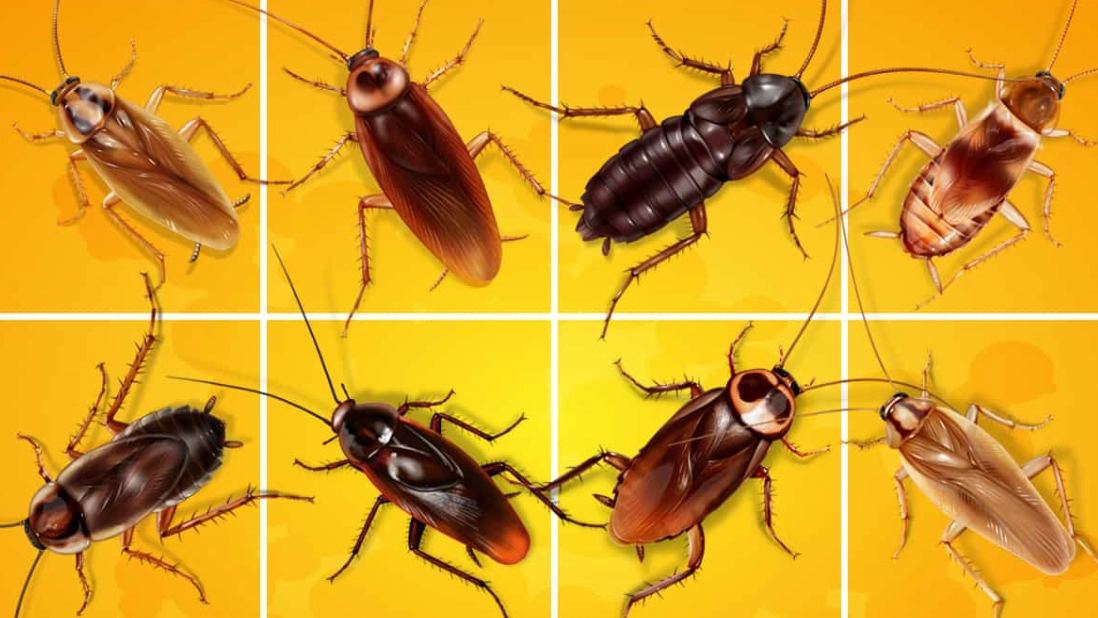
| Common Name | Size | Key Identifying Feature | Primary Habitat | Infestation Risk |
|---|---|---|---|---|
| German Cockroach | Small (1/2 to 5/8") | Two dark, parallel stripes on thorax | Indoors: Kitchens, bathrooms, appliances | VERY HIGH |
| American Cockroach | Very Large (1.5 to 2") | Reddish-brown, yellowish figure-8 pattern behind head | Damp areas: Sewers, basements, crawl spaces | Moderate (often invaders) |
| Oriental Cockroach | Medium to Large (1 to 1.25") | Glossy black or dark brown, appear "oily" | Cool, damp areas: Drains, basements, leaf litter | Moderate to High |
| Brown-Banded Cockroach | Small (1/2") | Two light bands across wings & abdomen (like a tan belt) | Dry, warm areas: Ceilings, closets, furniture | High |
| Smokybrown Cockroach | Large (1.5") | Uniform mahogany brown, long wings covering abdomen | Outdoors: Mulch, trees, attics, roof voids | Low to Moderate (invader) |
| Wood Cockroach | Medium (3/4 to 1") | Light brown, pale edges on thorax, males fly well | Outdoors: Woodpiles, tree bark, mulch | VERY LOW (accidental invader) |
The German Cockroach: The Apartment Dweller's Nemesis
This is the one you don't want. If you see one German roach during the day, you likely have a significant, established infestation. They reproduce incredibly fast, with females carrying an egg case (ootheca) that looks like a tiny, brown purse until it hatches 30-40 nymphs. They thrive in the warmth and crumbs of our kitchens. I once traced a persistent client problem to a tiny gap behind the refrigerator's insulation panel—a perfect, warm nursery. They avoid sticky traps more intelligently than other species, preferring bait. Your strategy here must be relentless and targeted.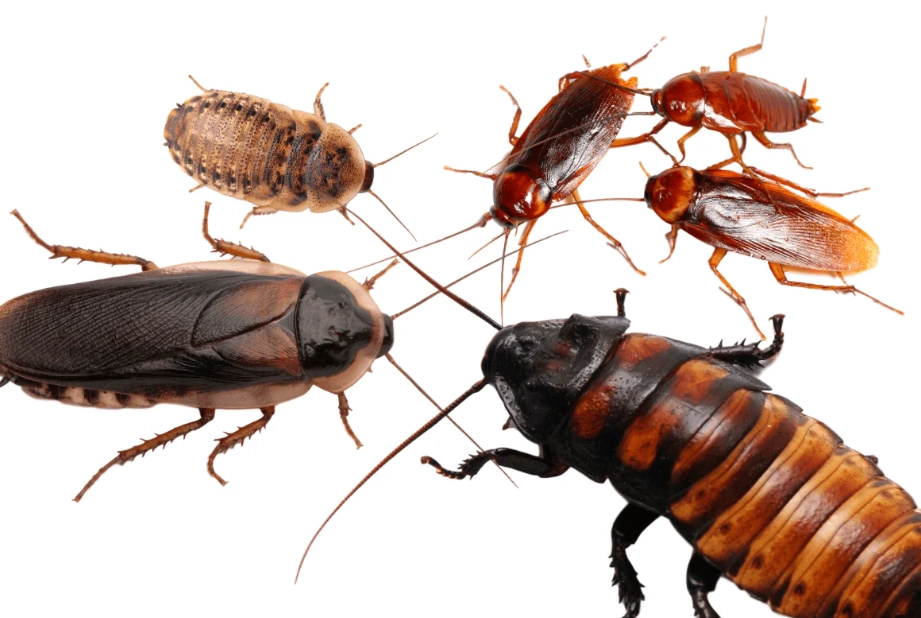
The American Cockroach: The Basement "Waterbug"
People often call these "waterbugs" or "palmetto bugs." They're big, they fly in warm weather, and they startle you. The good(ish) news? They often live outdoors or in sewers and come inside seeking water or by accident. Finding one doesn't automatically mean an indoor nest. Check for plumbing leaks, faulty drain traps, and gaps around foundation pipes. They're a sign you need to seal entry points more than deploy a full-scale indoor chemical war.
The Oriental Cockroach: The Smelly Damp-Lover
These have a distinct, unpleasant musty odor. They love cool, decaying organic matter. You'll find them in leaf litter, under mulch, and in the lowest, dampest parts of a building—floor drains, sump pumps, crawl spaces. They move slower than other roaches. A pile of them in a basement corner often points to a severe drain or moisture issue. They're less likely to climb up kitchen cabinets, preferring the ground floor.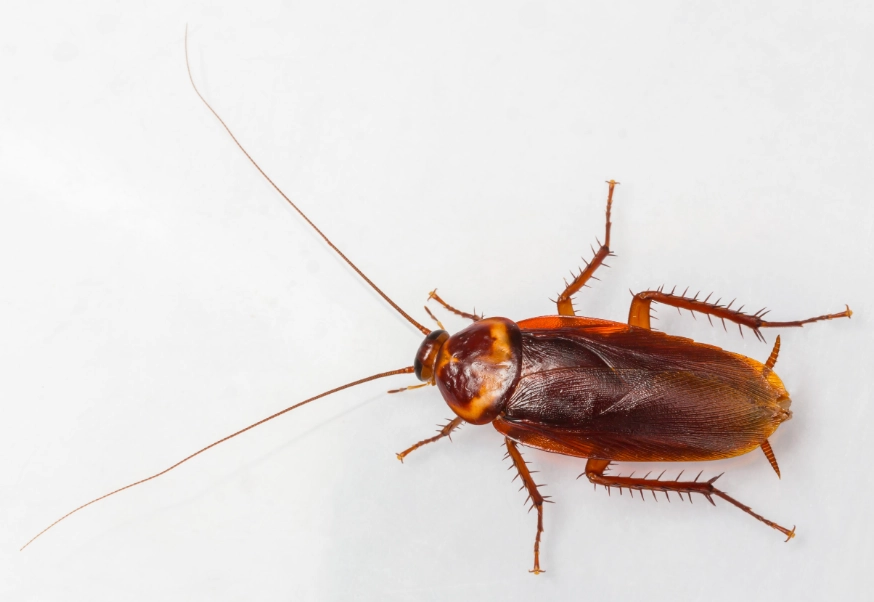
Common Misidentification: People often confuse young American roaches with Oriental roaches. Look at the thorax. Americans have that distinctive light yellow "figure-8" margin. Orientals are a uniform, shiny dark color. The young American is reddish-brown, not black.
Less Common (But Notable) Roach Species
You might run into a few others. The Australian cockroach looks similar to the American but has prominent yellow markings along the front edge of its wings. It's common in greenhouses and subtropical areas like Florida. The Asian cockroach is almost identical to the German in looks but has a critical difference: it's attracted to light and is a strong flier, often swarming around porch lights. If your "German" roaches are flying towards your TV screen at night, they might be Asians, which changes the control focus to the outdoors.
I've Identified My Roach. Now What?
Your action plan depends entirely on the ID.
For German or Brown-Banded Cockroaches (Indoor Infesters): This is a red alert. Over-the-counter sprays will scatter them. Your best bet is a combination of insect growth regulator (IGR) aerosols to stop reproduction and gel baits placed in tiny dots in corners, under sinks, and behind appliances. You must be meticulous with cleaning—no overnight pet food, no crumbs, fix dripping faucets. It's a siege, not a skirmish.
For American, Oriental, or Smokybrown Cockroaches (Often Outdoor Invaders): Focus on exclusion and habitat modification. Seal cracks around pipes, windows, and doors with silicone caulk. Install door sweeps. Move mulch and firewood away from the house foundation. Ensure gutters drain away from the house. Outdoor perimeter sprays or granular baits can help, but sealing them out is the long-term fix.
For Wood Cockroaches (Accidental Invaders): Relax. Just usher it outside. They die quickly indoors from lack of moisture. Check your window screens and turn off outdoor lights that attract them at night.
For severe infestations of the major pest species, consulting a professional pest management service, like those affiliated with the National Pest Management Association (NPMA), is a wise investment. They have access to tools and methods not available to consumers.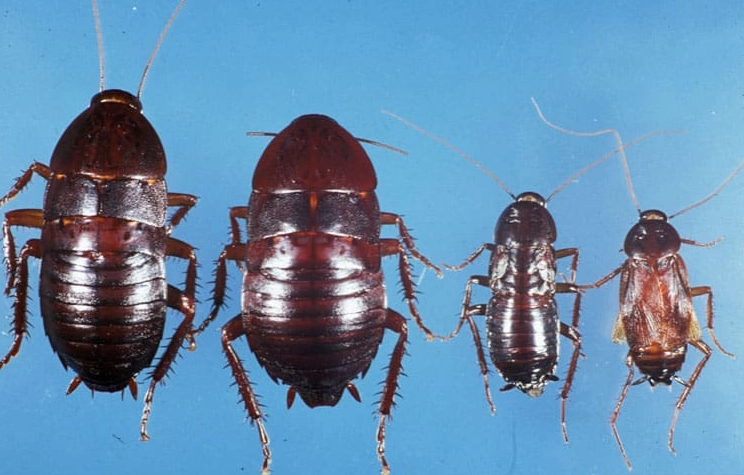

Comments