Let's be honest. Few things can ruin your evening faster than flipping on the kitchen light and watching a giant, reddish-brown cockroach scurry across the floor. That's likely your introduction to the American cockroach. Despite its name, this pest is a global traveler and one of the largest species that invades homes. They're tough, fast, and frankly, a bit disgusting. But here's the good news: with the right knowledge and a systematic approach, you can take back control. This isn't about quick fixes that fail in a month. We're going deep on how these pests operate and the exact steps to get rid of them for good.
What You'll Find Inside
How to Identify an American Cockroach (And Not Mistake It)
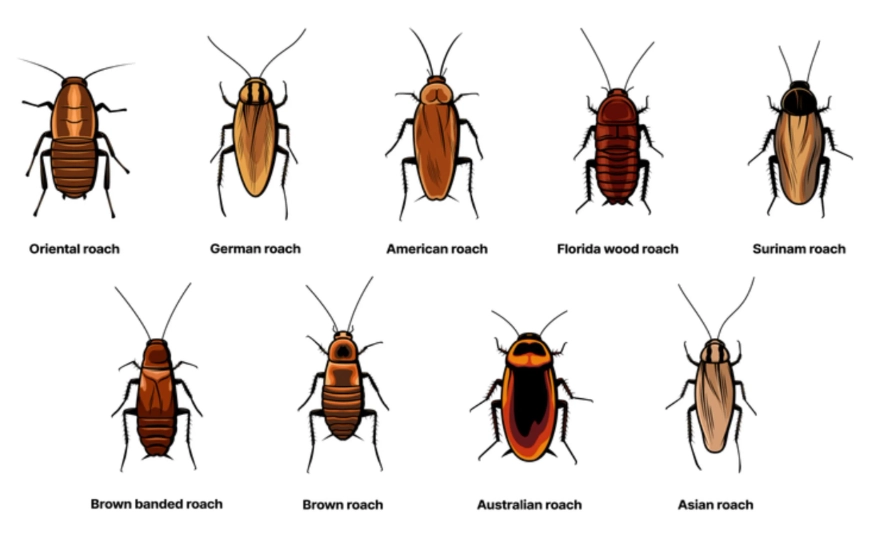
First things first. You need to know your enemy. Many people call any big roach an "American" roach, but that's not always accurate. Correct identification is crucial because different roaches have different habits and hiding spots.
The American cockroach is one of the largest common species. Adults are typically between 1.5 to 2 inches long. Their color is a distinctive reddish-brown, often with a yellowish figure-8 pattern on the back of their head shield. The nymphs (babies) are smaller and don't have wings. They start off a grayish-brown and get darker and redder as they grow.
Where do you find them? Unlike German cockroaches that love kitchens, American cockroaches are often called "water bugs" for a reason. They have a high need for moisture. You'll most often encounter them in damp, warm, dark places.
Prime Real Estate for American Roaches: Basements, crawl spaces, boiler rooms, laundry rooms, around bathtubs and sinks, and in sewer and drain systems. They frequently enter homes through sewer lines or gaps around utility pipes. I once traced a recurring problem in a ground-floor apartment to a broken sewer cleanout cap in the parking lot. The roaches were using it as a highway straight into the building's walls.
Signs of an Infestation (Beyond Seeing a Live One)
Seeing one roach usually means there are many more hiding. But you can look for other clues.
- Droppings: Resemble coarse black pepper or coffee grounds. You'll find them in corners, along baseboards, or in drawers.
- Oothecae (Egg Cases): These are dark brown, pill-shaped capsules, about 3/8 inch long. Females glue them to surfaces in hidden, protected areas.
- Odor: A heavy infestation produces a musty, oily smell. Some people describe it as a "sickly sweet" odor.
- Smear Marks: In areas with lots of moisture, you might see irregular, dark smear marks on walls where they crawl.
Why American Cockroaches Are So Hard to Get Rid Of
You can't just spray and pray with these guys. They've survived for millions of years for some very good reasons. Understanding their biology is half the battle.
Their sheer size and speed make them hard to kill physically. They can detect air movements incredibly well and dart away before you can swat them. More importantly, they have a high reproductive potential. A single female can produce an average of 150 offspring in her lifetime, and the egg cases are protected from many surface sprays.
But here's the kicker, the thing most DIY guides miss: American cockroaches often have a primary harborage *outside* your home. They might be living in the municipal sewer system, a neighbor's overgrown compost pile, or a pile of rotting wood in your own yard. Your house is just the diner; their home is elsewhere. If you only treat inside, you're just putting a temporary bandage on a wound that keeps getting reopened from the outside.
They're also surprisingly resilient. They can survive for a month without food and about a week without water (though they really prefer damp spots). This is why cutting off water sources is as important as removing food.
How to Prevent an American Cockroach Infestation
Prevention is always cheaper and easier than elimination. Your goal is to make your property as uninviting as possible. Think of it as a fortress you're building against pests.
- Seal Entry Points: This is job number one. Use silicone caulk or copper mesh to seal cracks and gaps around pipes, conduits, and wires where they enter your home. Pay special attention to areas where the foundation meets siding.
- Fix Moisture Problems: Repair leaky faucets, pipes, and A/C drip pans. Ensure crawl spaces and basements are well-ventilated. Use a dehumidifier in chronically damp areas.
- Manage the Perimeter: Keep mulch, leaf litter, and firewood piles away from the foundation. Trim back vegetation so it doesn't touch the house. Ensure gutters are clean and downspouts direct water away from the foundation.
- Sanitation: Don't leave pet food and water out overnight. Store food in airtight containers. Take out the trash regularly and use bins with tight-fitting lids.
One specific, often-overlooked tip: install fine mesh screens (1/4 inch or smaller) over sewer vent pipes on your roof and over floor drains in the basement. This can block a major entry highway.
How to Eliminate an American Cockroach Infestation
If you already have them, don't panic. A methodical, integrated approach works. The gold standard in professional pest control is Integrated Pest Management (IPM), which combines multiple tactics. You can do this yourself.
Step 1: Inspection and Sanitation
Grab a flashlight and get down on your hands and knees. Look in the dark, damp places we talked about. Use sticky traps (monitoring traps) not just to catch them, but to figure out where the hotspots are. Place them along walls, behind appliances, in cabinets, and in the basement. Check them after 24-48 hours. This tells you where to focus your efforts.
Step 2: Choose and Apply Your Control Methods
For American cockroaches, insecticide baits are your best friend. Sprays can scatter them and create more problems. Roaches eat the bait, return to their hiding place, die, and are then cannibalized by others, which spreads the poison through the colony.
Bait Strategy: Use gel baits or bait stations. Place small dabs of gel bait (about the size of a pea) in corners, under sinks, behind toilets, along pipe runs, and near any other hotspots identified by your traps. Don't spray cleaners or other insecticides near the baits, as it can make them repellent.
Insect Growth Regulators (IGRs): These are unsung heroes. IGRs like hydroprene or pyriproxyfen mimic insect hormones, preventing nymphs from maturing into reproducing adults. They break the breeding cycle. You can find them in aerosol "crack and crevice" sprays. Use them in areas where you think egg cases might be hidden.
Dusts: For void areas like wall voids, attic spaces, and behind electrical outlets, a light application of insecticidal dust (like boric acid or diatomaceous earth) can be very effective. It gets on their bodies and desiccates them. Warning: Use these very sparingly and wear a mask. You don't want to create airborne dust you can breathe in.
Here’s a quick breakdown of where to use what:
| Tool/Method | Best Used For | Key Tip |
|---|---|---|
| Gel Baits | Kitchen cabinets, under sinks, appliance voids, pipe chases | Place many small dabs, not a few big globs. |
| Bait Stations | Basements, garages, storage areas, along walls | Place them flush against walls or in corners. |
| IGR Aerosols | Cracks & crevices, behind kickplates, under appliances | Great for treating areas where egg cases are likely. |
| Insecticidal Dust | Wall voids, attic, crawl spaces, behind outlet covers | Apply a thin, barely visible layer. More is not better. |
| Sticky Traps | Monitoring activity, identifying hotspots | Not a primary control tool, but essential for intel. |
Step 3: Follow-Up and Monitor
Re-bait every 4-6 weeks or as needed. Keep those monitoring traps out. If activity stops, great. If it continues or shows up in a new area, you need to re-inspect and possibly treat the exterior or consider the problem might be stemming from a neighbor or a community sewer line issue.
If you've done all this diligently for 2-3 months and still have a major problem, it might be time to call a professional. They have access to stronger products and can perform perimeter treatments and sewer line treatments that are beyond the scope of most DIYers.
Your American Cockroach Questions, Answered
If I see an American cockroach in my house during the day, does it mean the infestation is severe?
Are American cockroaches more dangerous than other roaches?
I keep finding them in my bathroom, but it's clean. Where are they coming from?
Will foggers or bug bombs work on American cockroaches?
How can I tell if the cockroaches are coming from my sewer line?



Comments