You’re making coffee, and something scuttles across the counter. Or you’re gardening, and a bizarre-looking creature is munching on your prized tomato plant. The first thought is almost always the same: what kind of bug is this? Is it harmless? A pest? Something that bites? That moment of curiosity mixed with a bit of alarm is universal.
I’ve been fascinated by this question since I was a kid turning over rocks. Over years of gardening, hiking, and yes, dealing with uninvited houseguests, I’ve learned that identification isn’t about memorizing a million species. It’s about knowing what to look for. This guide cuts through the confusion. We’ll move from a quick glance to a confident ID, covering everything from common house invaders to backyard visitors. Forget dry textbooks—this is the practical method I use.
What You'll Learn in This Guide
Why Bother Figuring Out What Kind of Bug This Is?
It’s not just curiosity. Knowing what you’re looking at directly informs what you should do—or not do. Spraying every insect you see is wasteful, harmful to the environment, and often pointless if you’re targeting the wrong thing.
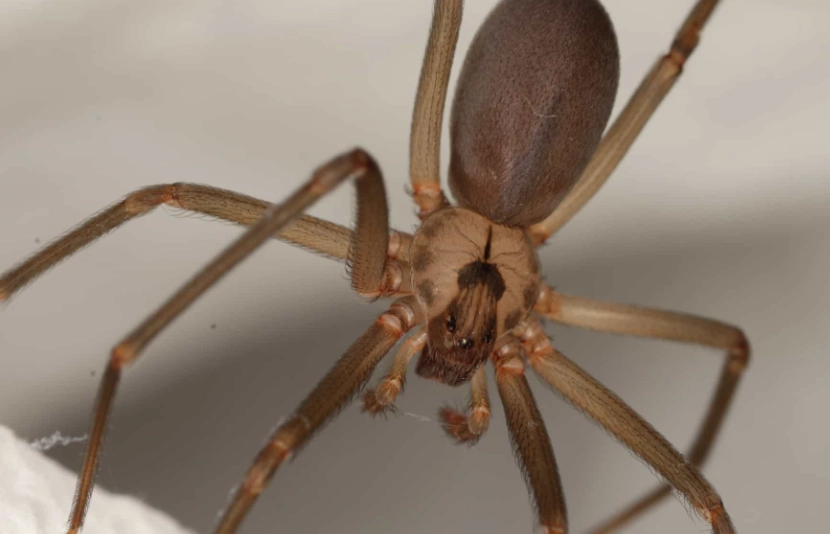
Safety first. Is it a venomous spider, a biting ant, or a harmless lookalike? Identifying a black widow or a brown recluse tells you to be cautious. Mistaking a beneficial spider for a dangerous one leads to unnecessary fear.
Protect your home and garden. That bug could be a sign of a larger issue. Termites, powderpost beetles, or carpenter ants mean structural trouble. Aphids or tomato hornworms in the garden need specific controls. A correct ID tells you the scale of the problem and the right solution.
Peace of mind. Most bugs are completely benign. Knowing that the huge, scary-looking crane fly in your bathroom can’t bite and only lives for a day is incredibly liberating. It turns fear into fascination.
My Personal Rule: I never reach for a spray or a shoe until I’ve had a good, close look. Nine times out of ten, the bug is either harmless or actually working for me (like eating other pests). That moment of observation saves me time, money, and guilt.
The Step-by-Step Bug Identification Process
Don’t try to take in everything at once. Follow this sequence. It works for 95% of the bugs you’ll encounter.
1. The Quick Snapshot: Body Shape and Size
Before you even count legs, look at the overall package. Is it long and slender (like a centipede), oval and hard (like a beetle), or soft and bulbous (like a caterpillar)? Note the size—use a coin or your finger for scale. This immediately narrows down the possibilities from "all insects" to a much smaller group.
2. The Leg Count (This is Non-Negotiable)
This is the single most important filter. Get a clear count.
- 6 legs: You’re almost certainly looking at an insect (beetles, ants, flies, true bugs, etc.).
- 8 legs: This is an arachnid (spiders, ticks, mites). Yes, spiders are not technically "bugs," but they’re what most people mean when they ask the question.
- Many legs (14+): Think myriapods (centipedes, millipedes). Centipedes have one pair per body segment and are fast; millipedes have two pairs per segment and are slow and curl up.
A common mistake? Missing the two tiny front legs on some insects (like crickets) that are held close to the body, making them look like they have only four. Look from the side.
3. Wing Check: Got 'Em? Use 'Em?
Look at the back. Are there wings? If so, how many pairs? Most insects have two pairs. Are they hard and shell-like (beetles), membranous (bees, flies), or half-hardened (true bugs)? Are they folded neatly or sticking out? Some insects, like worker ants and some cockroaches, have no wings at all. This detail is a huge clue.
4. Zoom In: Antennae, Mouthparts, and Color Patterns
Now for the fine details.
- Antennae: Long and thin? Feathery? Clubbed at the end? Elbowed (like an ant)? Antennae shape is a key identifier for insect families.
- Mouthparts: Can you see a pronounced "beak" or proboscis (like on a mosquito or aphid)? Or strong mandibles (like on a beetle)?
- Color & Pattern: Note the colors, stripes, spots. But be careful—color alone is unreliable. Many harmless insects mimic dangerous ones.
5. Context is King: Where and What Was It Doing?
This is the step most online guides forget, but it’s where the real detective work happens. A bug in your flour pantry is different from one on your window screen, which is different from one under a rotting log.
- Habitat: Kitchen, bathroom, basement, garden, on a plant leaf, in soil, near water?
- Behavior: Was it flying erratically, crawling slowly, burrowing, eating a leaf, or just sitting still?
- Time: Did you see it during the day or at night?
This context often gives you the final piece of the puzzle. A tiny, fast, reddish-brown bug on your kitchen counter is likely a different story than the same-looking bug in your garden soil.
Meet the Usual Suspects: Common Bug Families
Once you’ve gone through the steps, you can usually place your bug into one of these major groups. Here’s a cheat sheet.
| Group (Order) | Key Features (The Giveaways) | Common Examples | Typical Habitat & Notes |
|---|---|---|---|
| Beetles (Coleoptera) | Hard, shell-like front wings (elytra) that meet in a straight line down the back. Chewing mouthparts. | Ladybugs, carpet beetles, weevils, stag beetles, June bugs. | Everywhere. Soil, plants, wood, homes. The largest insect order. |
| True Bugs (Hemiptera) | Triangle-shaped back (scutellum). Mouthparts form a piercing/sucking "beak" usually held under the body. | Stink bugs, boxelder bugs, aphids, cicadas, assassin bugs. | On plants, sucking sap. Some (bed bugs) are parasitic. Many emit odor when crushed. |
| Ants/Wasps/Bees (Hymenoptera) | Often narrow "waist" (petiole). Antennae usually elbowed. Many have stingers. | Carpenter ants, honey bees, paper wasps, ichneumon wasps. | Social nests (colonies). Crucial pollinators (bees) or predators (wasps). |
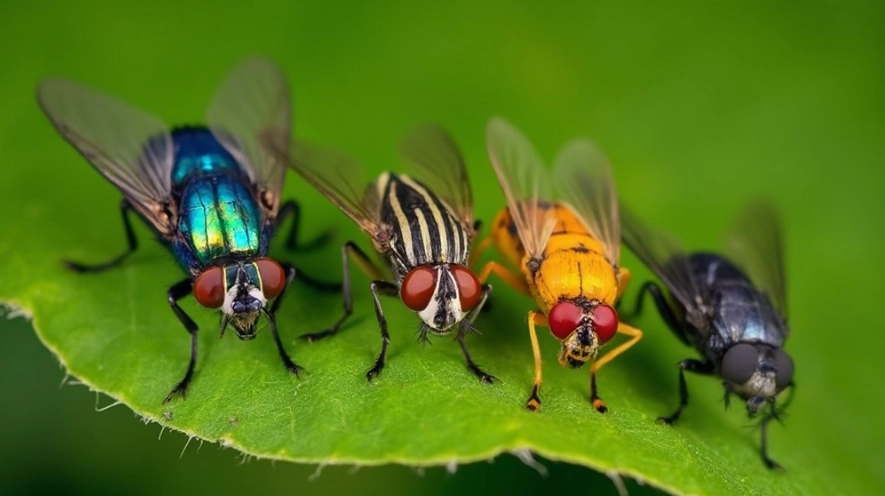
| Flies (Diptera) | Only ONE pair of functional wings. Second pair reduced to tiny knobs (halteres). Large, prominent eyes. | House flies, mosquitoes, fruit flies, crane flies, gnats. | Associated with moisture, decay, or food. Crane flies are harmless, despite looking like giant mosquitoes. |
| Spiders (Araneae) | 8 legs. Two body segments (cephalothorax & abdomen). No antennae. Often 8 eyes. | Jumping spiders, orb weavers, wolf spiders, cellar spiders. | Corners, webs, under objects, gardens. Most are beneficial pest controllers. |
| Caterpillars (Larvae of Lepidoptera) | Soft-bodied, many legs (true legs + prolegs). Often hairy or patterned. Chewing mouthparts. | Tomato hornworm, cabbage white caterpillar, monarch caterpillar. | On specific host plants, eating leaves. Will turn into butterflies or moths. |
This table isn’t exhaustive, but if your bug fits neatly into one of these boxes, you’re well on your way. The next step is using tools to get to the species level.
Beyond the Basics: Pro Tips and Tools
You’ve got the basics down. Here’s how to move from "it’s some kind of beetle" to "it’s a varied carpet beetle."
Your Smartphone is Your Best Tool
Forget expensive gear. Use your phone’s camera.
- Take clear, close photos. Get shots from above, the side, and front-on. If it’s safe, gently coax the bug onto a white piece of paper for a clean background.
- Use photo ID apps cautiously. Apps like iNaturalist or Seek by iNaturalist are fantastic starting points. They connect you to a community of experts who can confirm your ID. However, don’t trust the first automatic suggestion blindly—use it as a strong clue, then verify with other sources. The social confirmation from other users on iNaturalist is where the real value lies.
Trustworthy Online Resources (And Ones to Avoid)
The internet is full of terrible bug ID sites that just want to sell you pest control.
- Go to university extensions. Sites from universities like Cornell, UC Davis, or your local state university have fact-based, non-commercial guides focused on your region. Search for "[your state] university extension insect identification."
- Use museum and society websites. The BugGuide network is an incredible, volunteer-run resource for North America. You can upload photos for expert ID. The Entomological Society of America also provides public resources.
- Avoid fear-mongering sites. If a website’s primary goal seems to be making you panic and immediately call an exterminator, take its ID with a huge grain of salt. Their photos are often stock images that don’t show key variations.
A Non-Consensus Tip: Most people search by color first. This is the #1 way to get misled. Instead, search by body shape + habitat. Google "small oval hard shell bug in flour" or "long thin many-legged bug basement." You’ll get far more accurate results than searching "tiny black bug."
When to Call a Professional
You don’t need to be an expert at everything. Call a professional if:
- You suspect termites, powderpost beetles, or carpenter ants in structural wood. The cost of a professional inspection is trivial compared to repair costs.
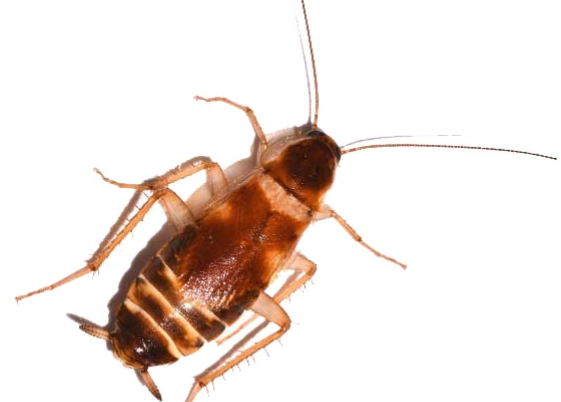
- You have a recurring infestation you can’t control (e.g., bed bugs, German cockroaches). These require integrated strategies best left to pros.
- You’ve been bitten or stung and need to identify the culprit for medical reasons. Save the bug if possible (safely in a jar).
A good pest control professional will be able to tell you exactly what kind of bug it is and why it’s there—ask them to explain it to you. If they just want to spray without an ID, find someone else.
Your Top Bug ID Questions, Answered
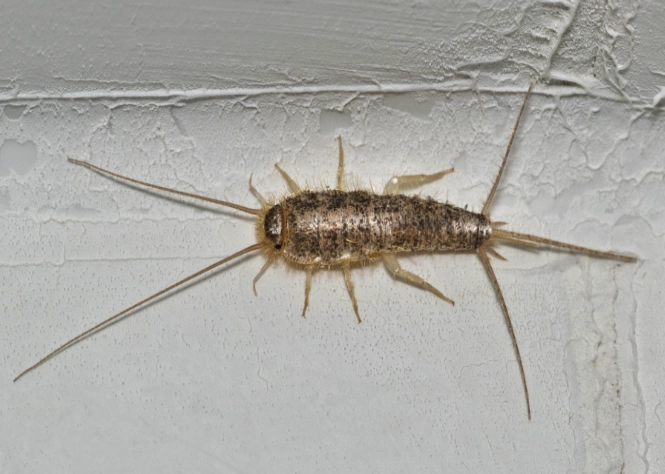
You’re probably looking at either a true silverfish (elongated, teardrop-shaped, silvery scales, three tail-like appendages) or its cousin, the firebrat (similar but mottled gray). They love humidity and starches (glue in books, wallpaper). They’re mostly nuisance pests, not dangerous. Worry level: Low. Reduce humidity with a fan or dehumidifier, and seal up cereals/paper. They’ve been around for millions of years and are tough to fully eliminate, but they rarely cause significant damage in modern homes.
Possibly. Size and color are clues, but here’s the subtle check most miss: Look at the profile. A carpenter ant has a smoothly rounded, single-segmented "waist" (the petiole between thorax and abdomen). Other ants might have a bump or two. The more telling sign is finding sawdust-like frass (their debris) near damp or hollow-sounding wood. A single scout ant indoors doesn’t mean a nest is inside—it might be foraging from outside. Follow it if you can. Finding the trail or nest location is more important than just killing that one ant.
Those are almost certainly fungus gnats. They look like tiny, dark flies and will scatter when you water. The adults are annoying but harmless. The real issue is the larvae in the soil, which can munch on roots. The classic mistake is just spraying the adults. To really solve it, you need to target the moist soil where they breed. Let the top inch of soil dry out completely between waterings. Use yellow sticky traps for adults. A top dressing of sand or diatomaceous earth can break the cycle. They’re a sign of overwatering, not poor plant health inherently.
This is a perfect example of where behavior tells you everything. A centipede is a fast, flat predator. It will zip away from light. Each body segment has one pair of legs. They have venomous claws to subdue prey (small insects) but rarely bite humans. A millipede is slow, cylindrical, and will often curl into a tight coil when disturbed. Each segment has two pairs of legs. They’re detritivores, eating decaying matter. They can’t bite but may secrete a mildly irritating fluid. The basement centipede is actually on your pest control team. The millipede is just a harmless recycler lost indoors.
Don’t panic, but do be precise. The name "assassin bug" applies to a large family (Reduviidae), most of which are beneficial garden predators that stab caterpillars. The "kissing bug" is a specific subgroup that feeds on mammal blood and can transmit Chagas disease. In the US, true kissing bugs are primarily found in the southern states and are rarely encountered in homes. The much more common lookalike is the wheel bug or leafhopper assassin bug, which are garden heroes. Key differences: Kissing bugs have a distinct, striped band around the edge of their abdomen and a cone-shaped head. When in doubt, upload your clear photos to a dedicated platform like BugGuide for expert confirmation. Never handle any bug with your bare hands if you’re unsure.
The next time you find yourself wondering, what kind of bug is this?, take a breath. Grab your phone, observe the legs, the shape, and where it is. Use the process. You’ll be surprised how quickly the unknown becomes recognizable, and how often the answer is "nothing to worry about." It turns a moment of alarm into a small moment of connection with the natural world, even if it’s just on your kitchen counter.
Comments