Let's cut to the chase. A paper wasp sting feels like someone just drove a hot, red-hot needle into your skin. It's a sharp, burning pain that makes you suck in your breath. I've been stung more times than I care to admit over twenty years of tending my garden and dealing with nests under the eaves. Most people's reaction is panic—what do I do now? Is this going to swell up like a balloon? Could I be allergic? This guide isn't just a rehash of medical websites. It's the hard-won knowledge of what actually works in the moment, how to avoid the sting in the first place, and the critical signs that mean you need to drop everything and get to a hospital.
What You'll Find in This Guide
How to Spot the Culprit: Paper Wasps vs. Others
Knowing your enemy is half the battle. Paper wasps (Polistes species) are the architects. They build those iconic, open-celled, umbrella-shaped nests that look like gray paper mache, often under porch ceilings, deck railings, or in shrubs. The wasps themselves are slender with long legs that dangle in flight. They're usually brown with yellow or reddish markings.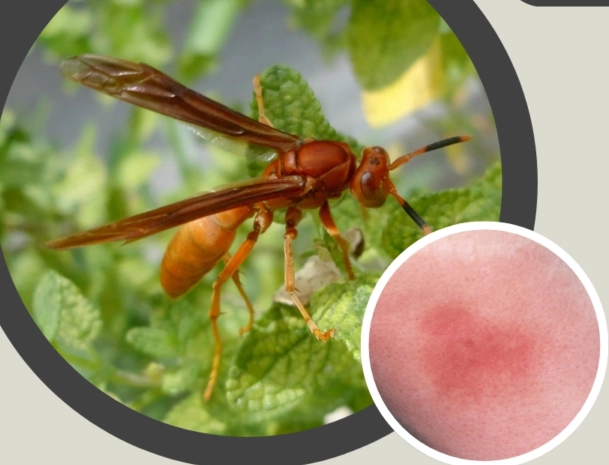
Here’s the key distinction everyone messes up: paper wasps are less aggressivethan yellow jackets or hornets when you're just walking by. They're predators of caterpillars, so they're beneficial. But—and this is a big but—they become fiercely defensive if you directly threaten their nest. A vibration from drilling into a wall near their nest or accidentally brushing against it while gardening is all it takes.
| Feature | Paper Wasp | Yellow Jacket | Honey Bee |
|---|---|---|---|
| Nest Appearance | Open comb, umbrella-shaped, gray paper-like | Enclosed paper nest, often in ground or wall voids | Wax comb, inside hives or cavities |
| Body Shape | Slender with long, dangling legs | Stocky, shorter legs tucked in flight | Hairy, robust |
| Aggression Level | Low away from nest, high if nest disturbed | Very high, especially near food | Low unless hive is threatened |
| Stinger | Smooth, can sting repeatedly | Smooth, can sting repeatedly | Barbed, stings once then dies |
The First 10 Minutes: Immediate First Aid That Works
The moment you're stung, time matters. Forget old wives' tales. Here's the sequence I follow, backed by first-aid protocols from sources like the CDC and the American Red Cross.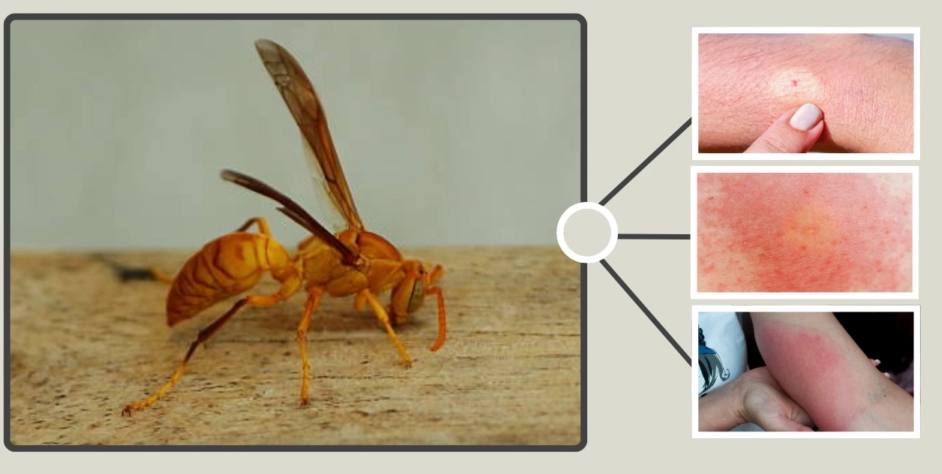
Step 1: Get to Safety and Assess
Move away calmly. Don't swat wildly—that agitates them more. Check if the stinger is embedded. Paper wasps rarely leave a stinger (that's honey bees). If you see a tiny black dot, flick it out sideways with a fingernail or credit card. Don't pinch it with tweezers—that can squeeze more venom in.
Step 2: Clean and Cool
Wash the area immediately with soap and cool water. This reduces infection risk and removes some venom on the skin. Then, apply a cold pack or ice wrapped in a cloth for 10 minutes on, 10 minutes off. This is your number one tool to reduce pain and slow swelling.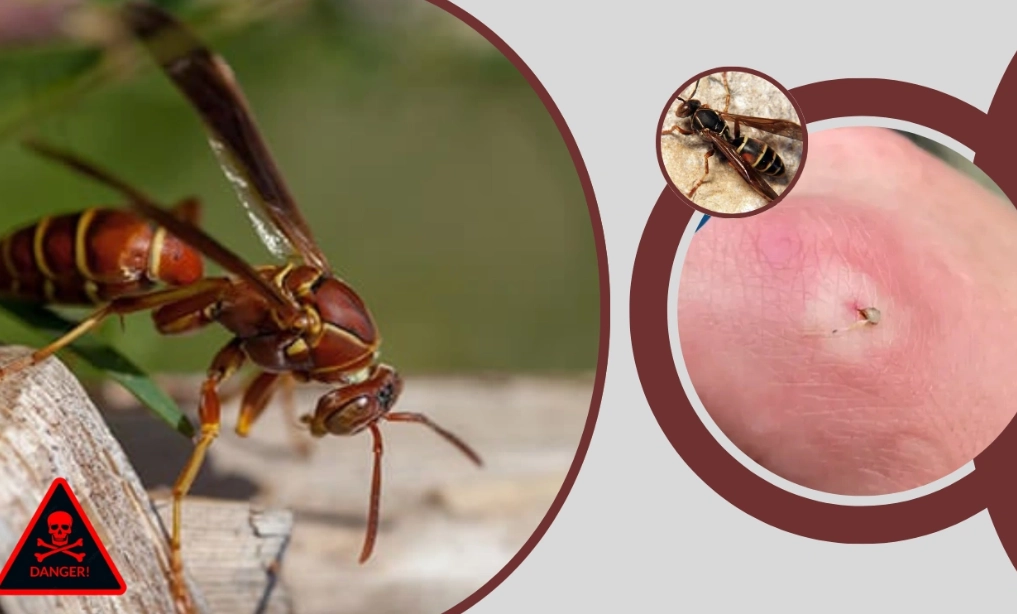
Step 3: Manage the Pain and Itch
Over-the-counter is your friend. Take an oral antihistamine like diphenhydramine (Benadryl) or cetirizine (Zyrtec) for the systemic allergic itch. Use a hydrocortisone cream (1%) directly on the sting for localized relief. For pain, ibuprofen (Advil) or acetaminophen (Tylenol) works. A paste of baking soda and water can provide a soothing, alkaline counter to the acidic venom, but it's temporary.
The swelling and redness typically peak within 48 hours. If it's just a localized reaction—a red, itchy bump up to the size of a baseball—you're in the normal, miserable-but-not-dangerous zone.
Your Best Defense: How to Prevent Paper Wasp Stings
Prevention isn't about declaring war on all insects. It's about smart coexistence. Most stings happen because people are unaware.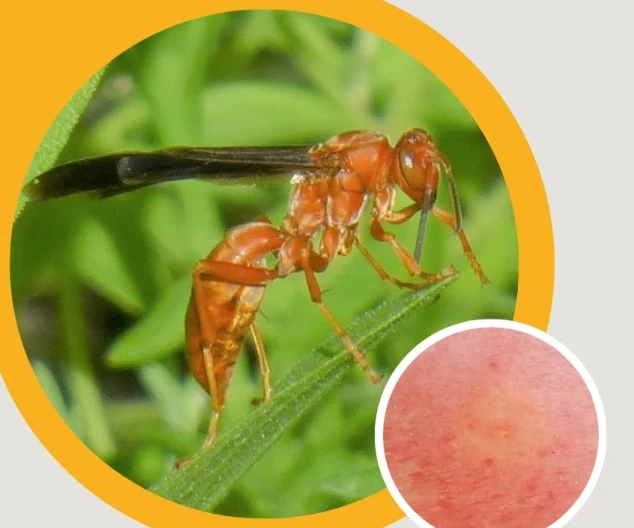
Spring Inspection is Non-Negotiable. In early spring, queen paper wasps start building tiny starter nests. Walk the perimeter of your house. Look under eaves, inside grill covers, under patio furniture, in sheds, and at the junction of walls and roofs. A nest the size of a quarter is easy to knock down with a long broom. A nest in July the size of a salad plate? That's a different story.
Dress the Part. If you're gardening near flowering plants or brush, wear light-colored, smooth-finished clothing. Avoid floral prints and dark colors. Tuck your pants into socks. Sounds dorky, but it works.
Food and Drink Management. Keep sweet drinks covered outdoors. Clean up food spills immediately. Use tight-fitting lids on trash cans.
The Red Flags: Recognizing a Dangerous Allergic Reaction
This is the most critical part of the guide. A normal localized reaction is one thing. A systemic allergic reaction (anaphylaxis) is a life-threatening emergency.
Signs typically appear within 5 to 30 minutes of the sting. If you or someone you're with experiences any of the following away from the sting site, it's time to act fast:
- Difficulty breathing, wheezing, or tightness in the throat.
- Swelling of the lips, tongue, face, or eyelids.
- Dizziness, lightheadedness, a rapid pulse, or a sudden drop in blood pressure.
- Hives spreading over the body, nausea, or vomiting.
- A sense of impending doom (this is a real, documented symptom).
What to do: If the person has a known allergy and carries an epinephrine auto-injector (EpiPen), use it immediately according to instructions. Then call 911 or your local emergency number. Do not wait to see if it gets better. Even if symptoms seem to improve after the epinephrine, emergency medical follow-up is essential because a second wave of reaction can occur.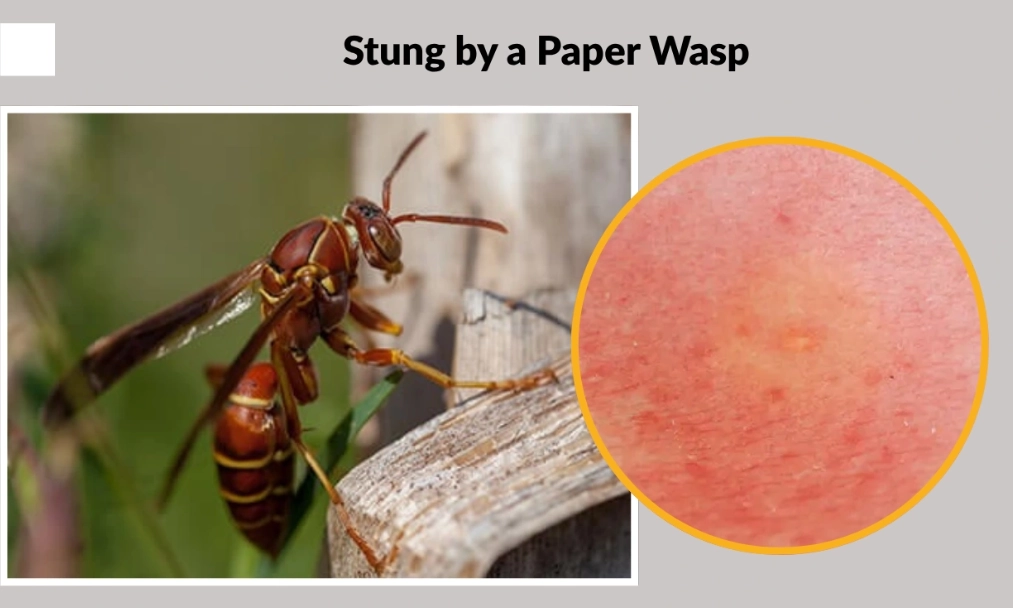
What Most Guides Get Wrong: Common Mistakes to Avoid
After years of talking to people after they've been stung, I see the same errors repeatedly.
Mistake 1: Using vinegar on a paper wasp sting. Vinegar (acid) is for alkaline bee venom. Paper wasp venom is primarily acidic. Vinegar does nothing helpful and might irritate the skin more. Baking soda (alkaline) is the better home remedy for paper wasps.
Mistake 2: Thinking you're safe if you weren't allergic last time. Allergies can develop at any time. Just because your last sting was a big itchy lump doesn't guarantee the next one will be the same. Be vigilant.
Mistake 3: Sealing up a hole in your siding without checking for a nest. This can trap agitated wasps inside, forcing them into your living space. Always confirm the nest is inactive or removed first.
Mistake 4: Blowing on or fanning a nest to "see if it's active." You might as well just poke it with a stick. The carbon dioxide in your breath and the air movement is an alarm signal to them.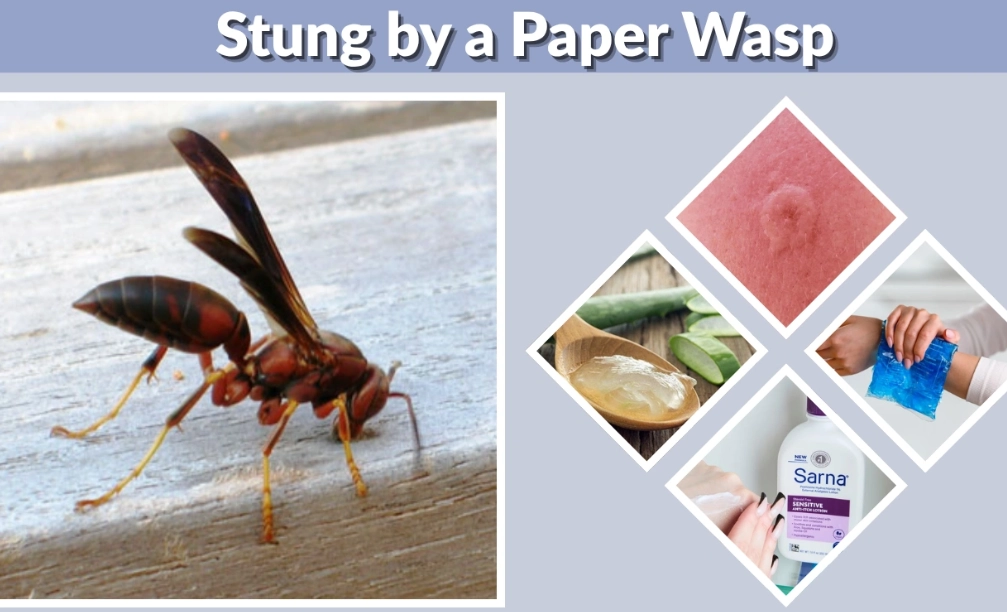
Your Burning Questions Answered
The bottom line with paper wasp stings is this: respect the insect, know how to respond calmly if stung, and be hyper-aware of the rare but serious signs of allergy. With the right knowledge, you can enjoy your outdoor space without letting fear of a sting ruin your summer.
Comments