You don't "get" bed bugs because your home is dirty. That's the first myth to bust. These pests are equal-opportunity hitchhikers. I've seen them in five-star hotels and spotless apartments. The real story of how bed bugs spread is less about cleanliness and more about opportunity and bad luck. Let's cut through the noise and talk about the actual, specific ways these bugs move from place to place, and what you can do to stop them.
What's Inside: Your Quick Guide
The 3 Most Common Ways People Get Bed Bugs
Most infestations start from one of these three scenarios. If you understand these, you're 90% ahead.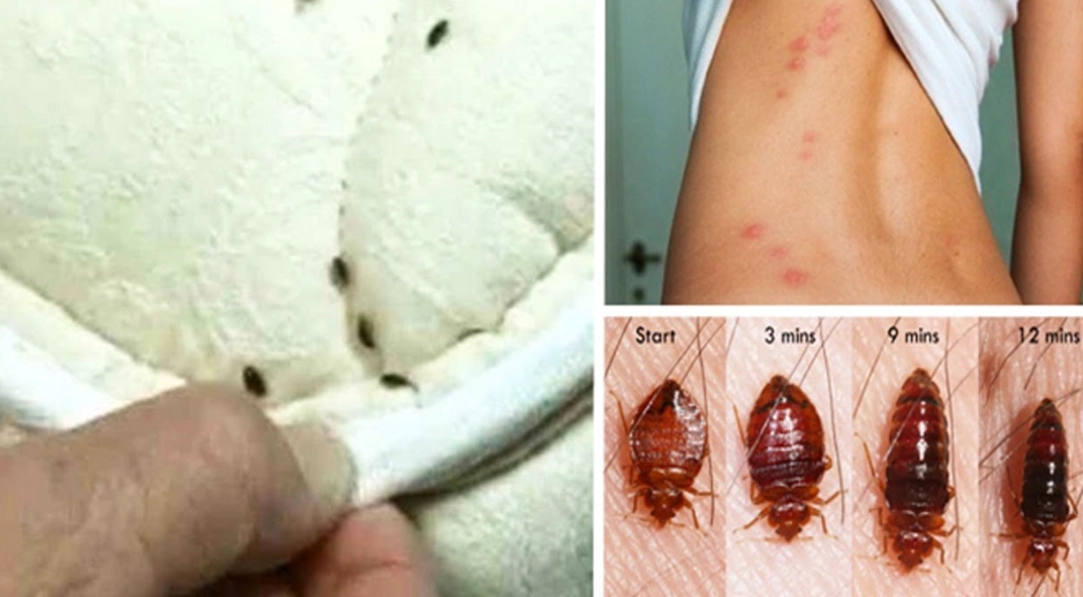
1. Travel and Hospitality
This is the champion. You stay in a hotel, motel, Airbnb, or even a friend's spare room that has an undetected problem. Bed bugs hide in mattress seams, behind headboards, in nightstands, and even in picture frames. They don't stay put. They crawl into your luggage, your purse, or the folds of your clothes. You zip up your suitcase, and you've just given them a free ride home.
It's not just sleazy motels. High-end resorts have them. Cruise ships have reported cases. The volume of people moving through these spaces makes them prime targets.
2. Secondhand Furniture and Items
That gorgeous vintage armchair on the curb? The seemingly perfect mattress from an online marketplace? They can come with invisible tenants. Bed bugs excel at hiding in the cracks of wood, the stitching of upholstery, and the inner sanctums of box springs.
I advise extreme caution with any used item that provides hiding spots: beds, sofas, armchairs, nightstands, and even electronics like bedside lamps or clock radios. A quick visual check means nothing. Eggs are the size of a pinhead and pearly white, nearly impossible to see in most lighting.
3. Through Multi-Unit Housing
If you live in an apartment, condo, or townhouse, your neighbor's problem can become yours. Bed bugs are mobile. They can travel through wall voids, electrical conduits, plumbing lines, and along baseboards or heating pipes. They're not seeking you out from three doors down, but if an infestation grows large, they will disperse to find new blood meals.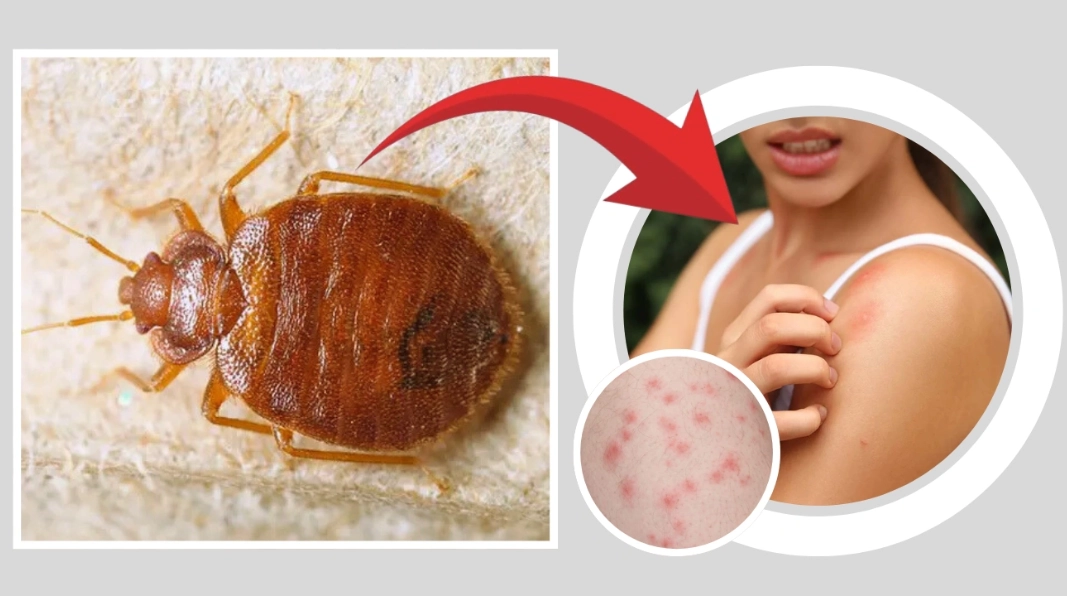
This is why prompt professional treatment and notifying building management is critical. A single untreated unit can re-infest the entire building over time.
| Transmission Route | Risk Level | Key Detail Most People Miss |
|---|---|---|
| Staying in a Hotel/Airbnb | Very High | The luggage rack & bedside drawers are higher risk than the bed. |
| Bringing Home Used Furniture | High | Eggs and young nymphs are virtually invisible to an untrained eye. |
| Apartment Living (from neighbors) | Medium-High | They travel through outlets and wall voids, not just under doors. |
| Public Transportation (Seats) | Low | Possible, but the brief exposure makes establishing an infestation unlikely. |
| Visiting an Infested Home | Medium | Risk is high if you sit/lie down or place bags on furniture or the floor. |
Less Common (But Possible) Ways Bed Bugs Spread
These aren't the main events, but they happen. Knowing them helps you assess real risk versus paranoia.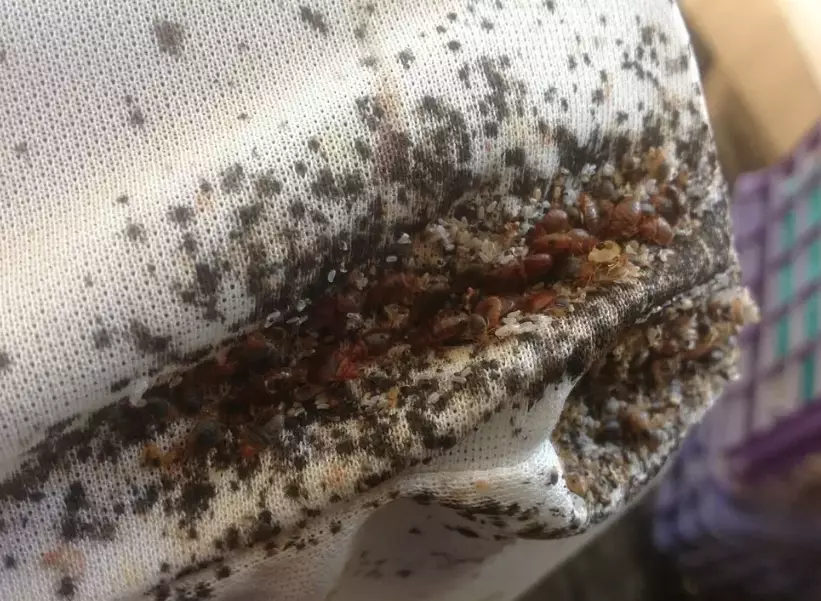
Workplaces and Offices: If an employee has a severe infestation at home, bugs can hitch a ride in a backpack, briefcase, or coat and be deposited in a shared lounge chair or office sofa. This is more about temporary transport than a full office infestation, but it can seed new problems.
Public Seating: Movie theaters, library chairs, waiting rooms, and public transit seats. The risk here is generally low because exposure is brief, but it's not zero. A bug dislodged from someone else's belongings could transfer to you.
Laundry Rooms: This is a big one in multi-unit buildings. If you carry your laundry in a hamper or basket to a shared room, bugs or eggs can transfer from an infested machine or folding table to your clean clothes. Always use a disposable bag or a dedicated, sealable plastic bin for laundry transport in shared facilities.
Guests and Visitors: A friend or family member with an unknown infestation can bring bugs in their coat, bag, or laptop case. If they place these items on your bed or sofa, the risk jumps.
The Big Myth: Are Bed Bugs a Sign of Poor Hygiene?
No. Full stop. This myth causes immense shame and delays people from seeking help. Bed bugs feed on blood, not grime. They are attracted to carbon dioxide and body heat, not dirt. A cluttered home gives them more places to hide, which makes an infestation harder to find and treat, but it doesn't cause the infestation.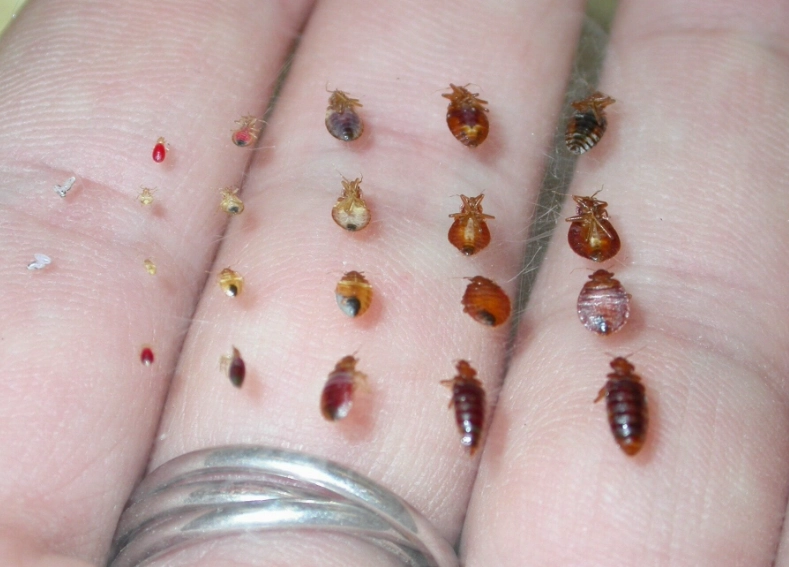
I've treated homes that were immaculate. The owners were horrified and embarrassed because they bought into this myth. Conversely, a very messy home might have a worse infestation simply because it went unnoticed longer. The bug doesn't care about your housekeeping score. It cares about having a hidden harbor close to a sleeping, blood-filled host.
Spreading this truth is crucial. It removes stigma and gets people to focus on the real factors: travel, used goods, and proximity to other infestations.
How to Check for Bed Bugs: A Step-by-Step Guide
Knowing how to look is your best defense. You need a bright flashlight and a flat tool like a credit card or putty knife.
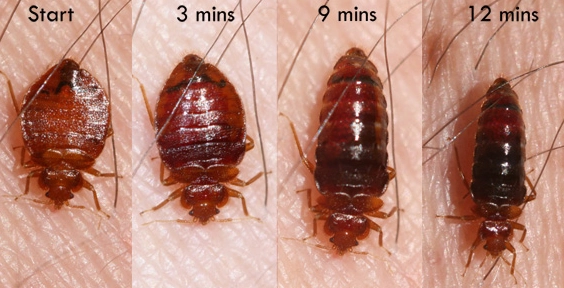
Step 1: Start with the Mattress and Box Spring. Strip the bed. Examine every seam, piping, and fold on the mattress, especially along the top and sides. Look for live bugs (apple seed size, reddish-brown), tiny white eggs, shed skins, and the most telltale sign: dark brown or black fecal spots (like a marker dot). Use your card to scrape along seams—it can dislodge evidence. Don't forget the mattress tags and the box spring's underside and interior.
Step 2: Move to the Bed Frame and Headboard. Inspect every joint, screw hole, crack, and crevice. If the headboard is mounted on the wall, take it down if possible. Bugs love the space behind it.
Step 3: Check Nearby Furniture and Zones. Look within a 15-foot radius of the bed. Nightstands and dressers—empty the drawers, check the inside corners, undersides, and backs. Inspect the seams of upholstered chairs or sofas. Peel back the edge of area rugs. Look behind pictures, mirrors, and along baseboards, especially behind the bed.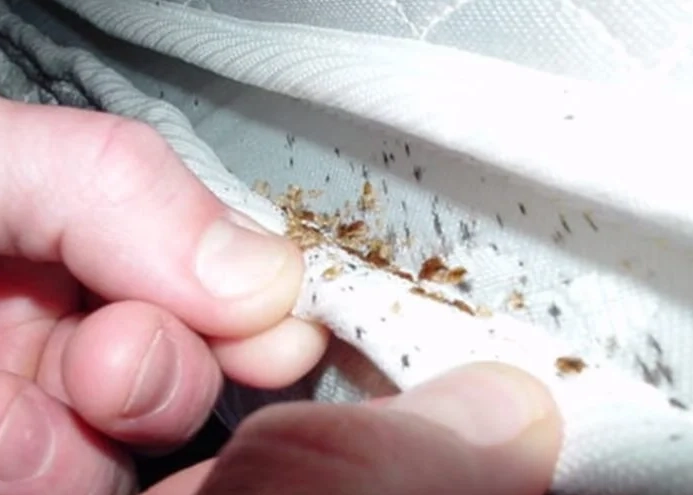
Step 4: Don't Ignore Less Obvious Places. Check inside books on a bedside table, in electrical outlets and switch plates, behind loose wallpaper, and in the folds of curtains.
Finding just one bug or a cluster of fecal spots means you need to act. Early detection is everything.
How to Prevent Bringing Bed Bugs Home
This isn't about living in fear. It's about building smart habits, especially when you're in higher-risk situations.
When Traveling:
- Use hard-shell luggage if possible.
- Upon arrival, do the inspection routine on the hotel room before bringing your bags in. Leave them in the bathroom (tile floor, no hiding spots).
- Never put your suitcase on the bed, upholstered furniture, or the luggage rack. Use a desk or the luggage stand's metal frame after wiping it down.
- Keep clothes in your suitcase, or hang them in the closet, but don't use the fabric laundry bag.
- When you get home, unpack directly into the washing machine. Wash and dry everything on high heat (drying is the key). Vacuum out your suitcase thoroughly and store it away from bedrooms, like in a garage or basement.
With Secondhand Items:
- Inspect thoroughly outdoors or in a garage before bringing anything inside.
- For upholstered furniture, consider a professional heat treatment or, if possible, encasement before use.
- For non-fabric items, clean and disinfect vigorously.
- When in doubt, don't bring it in. The "free" couch can cost you thousands.
At Home:
- Reduce clutter, especially around beds and seating areas.
- Use protective mattress and box spring encasements. They trap any existing bugs inside (where they die) and prevent new ones from establishing harborage in the seams.
- Consider installing bed bug interceptors (climb-up traps) under the legs of your bed. These are a great early warning system.
- Be cautious with items brought into your home by others (backpacks, coats, etc.). Have a designated area like a mudroom where such items can be placed.
Prevention is about managing risk, not eliminating it. These steps significantly tilt the odds in your favor.
Your Bed Bug Transmission Questions Answered
The bottom line is this: bed bug transmission is about hitchhiking. They exploit our mobility and our things. By understanding the real, specific pathways—travel hubs, secondhand goods, and building pathways—you can move from anxiety to action. Build the inspection habit, adopt smart prevention steps for high-risk situations, and if you find evidence, seek professional help early. It's a solvable problem, but the first step is knowing exactly how it starts.



Comments