You're out in the yard, maybe pulling weeds or just enjoying the sun, and there it is—a bold, impossible-to-miss insect decked out in bright orange and black. Your first thought might be "Is that a bug or a butterfly?" followed quickly by "Should I be worried?" That flash of warning colors can send mixed signals. I've spent years watching these creatures, from the majestic Monarch butterfly to the less-celebrated milkweed bug, and I can tell you that most of the time, there's no need for panic. In fact, that orange and black insect is often a sign of a healthy, balanced ecosystem. This guide will cut through the confusion and show you exactly how to identify common species, understand their role, and decide if any action is needed.
What’s Inside This Guide
- How to Identify Orange and Black Insects: Look Beyond Color
- What Are the Most Common Orange and Black Insects?
- Are They Friends or Foes? A Quick Comparison
- How to Attract the Good Ones and Gently Manage the Others
- One Big Mistake Even Experienced Gardeners Make
- Your Questions, Answered (Beyond the Basics)
How to Identify Orange and Black Insects: Look Beyond Color
Color is just the starting point. If you rely on it alone, you'll misidentify insects constantly. The pattern, shape, size, and behavior are what give you the real story. I once watched a neighbor ready to spray a cluster of milkweed bugs, convinced they were the dreaded Boxelder bugs damaging his maple. The colors were similar, but the context was all wrong.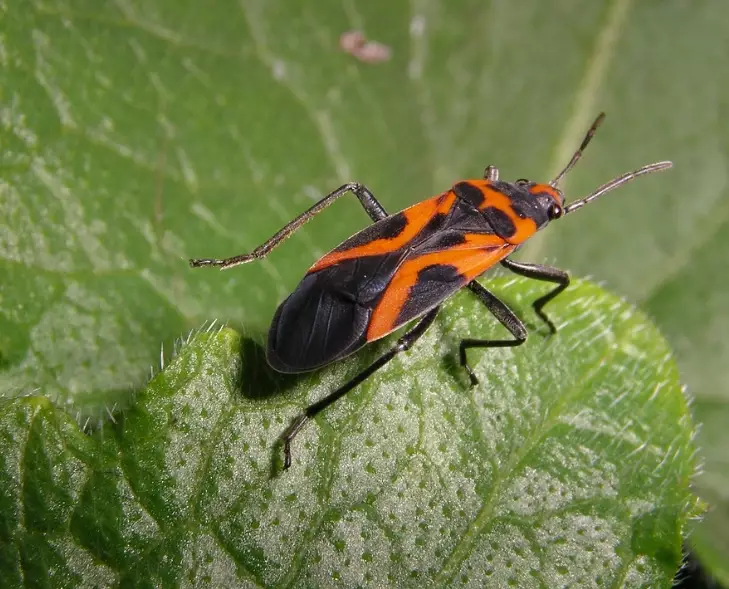
Here’s what to document when you spot one:
- Size & Shape: Is it the size of a pencil eraser or a quarter? Is its body elongated like a beetle, or does it have a distinct, fuzzy, butterfly/moth shape?
- Pattern Precision: Are the black markings stripes, spots, or blotches? Are the edges crisp or fuzzy? A Monarch's veins are like black leaded glass; a Viceroy's black band across the hindwing is a clear, horizontal line.
- Wings & Flight: Does it have two pairs of wings? Are they held flat, roof-like, or upright? Does it flutter erratically or glide powerfully?
- Location & Behavior: This is huge. Is it on a milkweed plant? Swarming on a sunny side of the house? Crawling on the soil? Sipping nectar from a flower? An insect on a milkweed is almost certainly feeding on that plant specifically.
Pro Tip: Use your phone's camera. Take multiple shots from different angles—top, side, and a close-up if possible. Even a slightly blurry photo is often enough for experts on forums like iNaturalist or BugGuide to give you a solid ID. Don't just rely on memory.
What Are the Most Common Orange and Black Insects?
Let's break down the usual suspects. You'll likely encounter one of these five.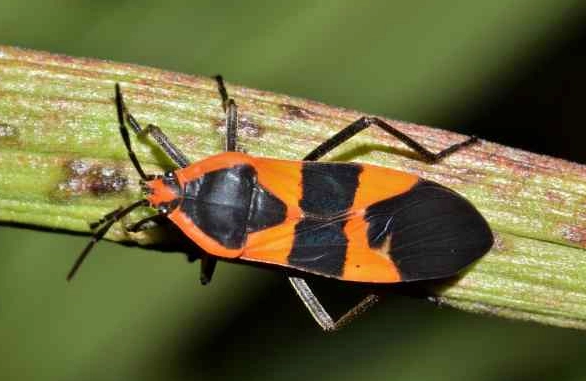
1. The Monarch Butterfly (Danaus plexippus)
The celebrity. Bright orange with bold black veins and white spots along the black borders. They have a wingspan of 3.5-4 inches. You'll see them gliding, not fluttering frantically, often near milkweed (their host plant) or flowers like zinnias and butterfly bush. Their caterpillars are striped yellow, black, and white. Populations are declining, so seeing one is a gift. Organizations like the Xerces Society for Invertebrate Conservation track their migration and advocate for their protection.
2. The Convergent Lady Beetle (Hippodamia convergens)
Not all ladybugs are red. Many are orange. Look for the two converging white lines on the black pronotum (the "shield" behind the head). These are voracious aphid eaters. In fall, they sometimes swarm on buildings seeking overwintering spots, which can be alarming but is harmless.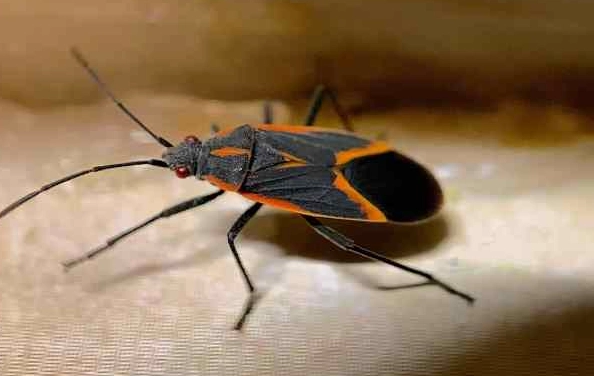
3. The Large Milkweed Bug (Oncopeltus fasciatus)
An elongated, true bug about ¾ inch long. It has a striking black-and-orange X pattern on its back and black bands. Exclusively found on milkweed plants, feeding on the seeds. They are not a major threat to the plant's health and are part of the milkweed ecosystem. Removing them is usually unnecessary and can disrupt the food web for Monarchs.
4. The Boxelder Bug (Boisea trivittata)
This is the one that causes headaches. Black with three longitudinal red-orange stripes on the thorax and red-orange wing veins. They gather in massive numbers on sunny sides of houses in fall, can stain curtains with feces if they get inside, and are just a nuisance. They feed on boxelder, maple, and ash seeds.
5. The Cross Orbweaver (Araneus diadematus)
Yes, a spider. The common garden spider. Its abdomen is often marked with a distinctive pattern of white, yellow, and orange that can appear blotchy and orange-and-black from a distance. It builds large, classic circular webs. Completely harmless and excellent for pest control.
Are They Friends or Foes? A Quick Comparison
This table should help you make a snap judgment when you see that flash of orange and black.
| Insect | Primary Role | Impact on Garden | Typical Action Needed |
|---|---|---|---|
| Monarch Butterfly | Pollinator, Iconic Species | Beneficial. Pollinates flowers. | Protect and encourage. Plant milkweed and nectar flowers. |
| Convergent Lady Beetle | Predator (Aphids) | Highly Beneficial. Natural pest control. | Welcome them. Avoid broad-spectrum insecticides. |
| Large Milkweed Bug | Seed Feeder (Milkweed) | Mostly Neutral. Part of the milkweed ecosystem. | Usually none. Tolerate their presence. |
| Boxelder Bug | Seed Feeder (Trees), Nuisance | Mostly a Nuisance. Can invade homes. | Seal home cracks in fall. Use a vacuum for indoor ones. |
| Cross Orbweaver | Predator (Flying Insects) | Beneficial. Controls mosquitoes, flies. | Leave the web alone. Relocate only if absolutely necessary. |
How to Attract the Good Ones and Gently Manage the Others
Your goal isn't a sterile yard. It's a balanced one.
To attract and support Monarchs and other pollinators: Plant native milkweed species for caterpillars (like Common Milkweed or Swamp Milkweed) and a succession of nectar-rich flowers like coneflower, bee balm, and goldenrod for adults. Provide a shallow water source with stones for perching.
For lady beetles: They come for the aphids. If you have aphids on your roses, consider waiting a week before taking action. Often, the ladybugs will show up and handle it. Planting dill, fennel, and yarrow can attract them.
The Soapy Water Trap: A common "home remedy" for bugs like milkweed bugs or Boxelder bugs is a dish soap and water spray. It can work, but it's a blunt instrument. It will also kill any beneficial insect it touches, including ladybug larvae and soft-bodied pollinators. I only recommend targeted physical removal (like knocking bugs into soapy water) for severe Boxelder bug situations on the house exterior, never as a broad garden spray.
For Boxelder bug prevention: The best management is exclusion. In late summer, seal gaps around windows, doors, siding, and utility lines with caulk. Repair screens. If they congregate, a strong blast from the hose can disperse them. Insecticides are rarely worth it and kill everything else.
One Big Mistake Even Experienced Gardeners Make
Here's the non-consensus bit, born from too many conversations at plant sales. The biggest mistake is treating the milkweed bug as a pest that needs controlling on your Monarch waystation.
People see bugs clustered on their precious milkweed pods and assume they're competing with Monarchs or killing the plant. In reality, milkweed bugs primarily eat the seeds. A healthy milkweed plant produces hundreds of seeds; the bugs take a portion. They rarely threaten the plant's survival. More critically, by spraying or manually removing them, you're disrupting a complex habitat. Those bugs are food for birds, spiders, and other insects. A simplified ecosystem is a fragile one. Tolerating a balanced level of feeding is key to a truly resilient garden. Focus on growing more milkweed, not on policing the insects that live on it.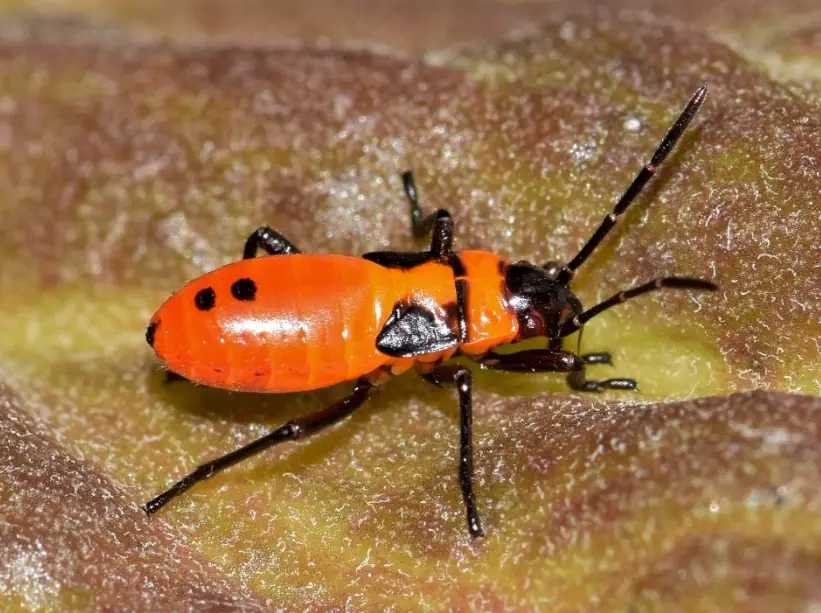
Comments