I remember the last major cicada emergence in my area. The air hummed like a high-voltage wire, and the ground looked like it was moving. My dog was utterly confused. For many, the 2024 periodical cicada brood emergence—a double event where two massive broods (XIII and XIX) surface together—is causing equal parts fascination and anxiety. This isn't just a few bugs. We're talking about potentially trillions of insects across parts of the Midwest and Southeast. If you're wondering what this means for your trees, your peace and quiet, and your sanity, you're in the right place. Let's cut through the noise and get to the practical facts.
What You'll Find in This Guide
The Science Behind the 2024 Cicada Swarm
First, let's clear something up. The cicadas emerging in 2024 are periodical cicadas (Magicicada spp.). They've spent the last 13 or 17 years underground as nymphs, sucking sap from tree roots. Their emergence is triggered by soil temperature hitting precisely 64°F (18°C) at a depth of 8 inches. It's one of nature's most precise clocks.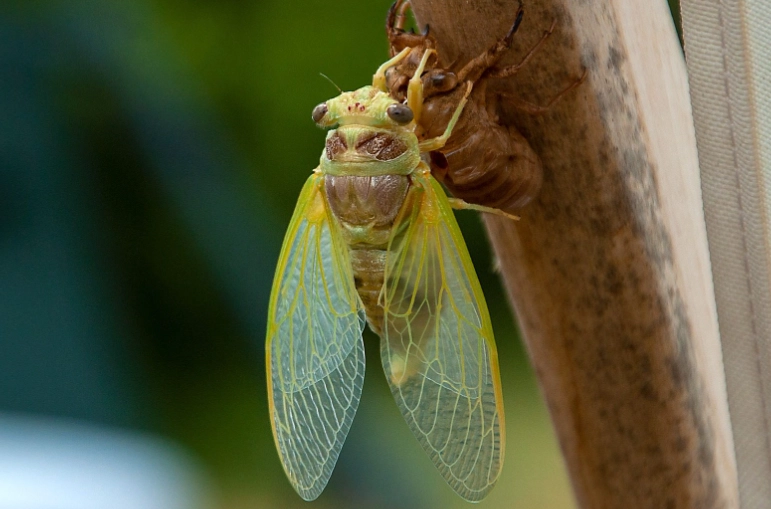
This year is special. Brood XIII (17-year) and Brood XIX (13-year) are emerging simultaneously in some adjacent areas, primarily in Illinois. This overlap last happened in 1803. The map from the USDA Agricultural Research Service shows the projected zones. Don't panic if you're not in the overlap zone; you might still see one brood or the other, or just your usual annual "dog-day" cicadas.
The sheer number is a survival strategy called predator satiation. There are simply too many for birds, squirrels, and other predators to eat, ensuring enough survive to reproduce. It's messy, loud, and incredibly effective.
Spot the Difference: Periodical vs. Annual Cicadas
Not every loud bug you hear this summer is part of the big brood. Mistaking them leads to unnecessary worry. Here’s how to tell them apart at a glance.
| Feature | Periodical Cicadas (2024 Broods) | Annual "Dog-Day" Cicadas |
|---|---|---|
| Emergence Cycle | Synchronized, massive swarms every 13 or 17 years. | Individuals emerge every summer, no massive swarm. |
| Coloration | Distinct black bodies with bold red eyes and orange wing veins. Striking look. | Mostly green and black, with darker eyes. More camouflaged. |
| Size | Smaller, about 1 to 1.5 inches long. | Generally larger, often over 2 inches. |
| Sound & Behavior | Extremely loud, chorusing males. Clusters on trees and shrubs. Not shy. | Loud but more sporadic buzzing/hissing. Often higher in trees, less clustered. |
| Primary Concern | Egg-laying damage to young tree twigs. Overwhelming numbers. | Minimal. Occasional "flagging" on branches from egg-laying. |
If you see the black and red bugs in huge numbers, you're in a brood zone. The green ones are just your normal summer background singers.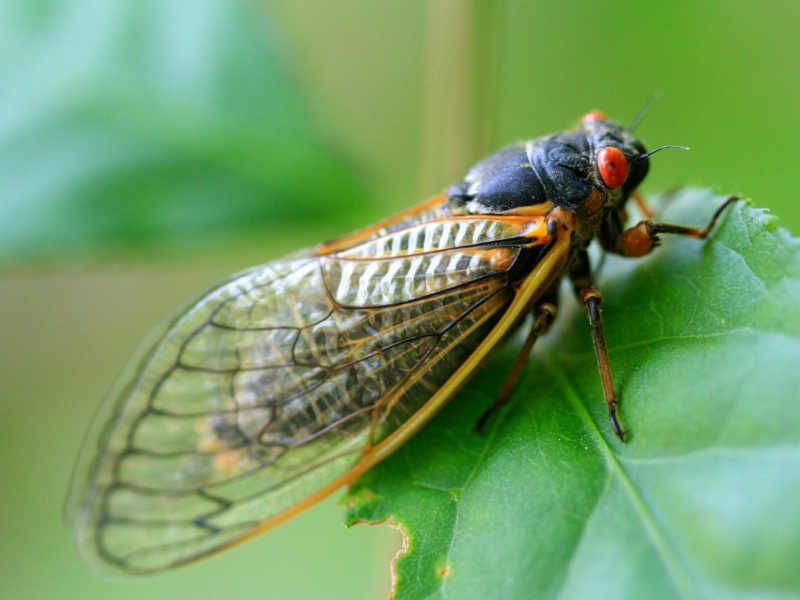
How Cicadas Actually Affect Your Backyard
The impact is real, but it's also specific. They're not like locusts that eat crops. They don't bite, sting, or carry disease. The main issues are botanical and sensory.
1. The Real Threat to Trees
Female cicadas have a saw-like organ called an ovipositor. They use it to slit into pencil-sized twigs (about 1/4 to 1/2 inch diameter) to lay eggs. This causes the twig tip to die, a symptom called "flagging." For a mature, healthy tree, this is a natural pruning. It might look ugly for a season, but the tree rebounds easily.
The problem is with young trees.
Saplings planted in the last 3-5 years have a high proportion of branches in that vulnerable size range. Severe flagging can stunt or even kill a young tree. I lost a prized Japanese maple sapling during the last emergence because I didn't act fast enough. My mistake was thinking netting was overkill.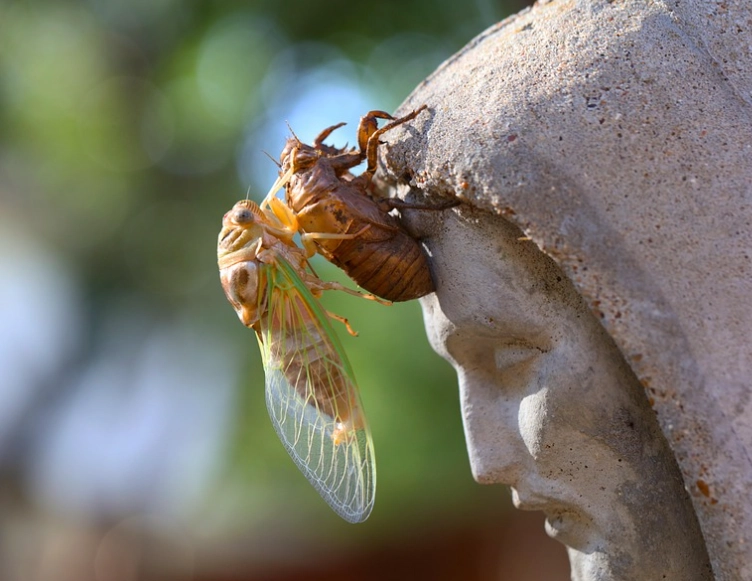
2. The Noise and The Mess
The chorus can reach 90-100 decibels—as loud as a motorcycle. It's constant during the day. Some people find it fascinating, others find it utterly grating. Then, after 4-6 weeks, the adults die. You'll have piles of bodies on sidewalks, driveways, and patios. As they decompose, there's a distinct odor. It's not dangerous, but it's unpleasant.
How to Protect Young Trees (The Right Way)
Protection is simple, physical, and must be timed correctly. Forget insecticides. Spraying for cicadas is widely considered ineffective and ecologically irresponsible. You'd need to drench the tree constantly to kill insects that only feed minimally. You'll cause more harm to pollinators and beneficial insects than to the cicada swarm.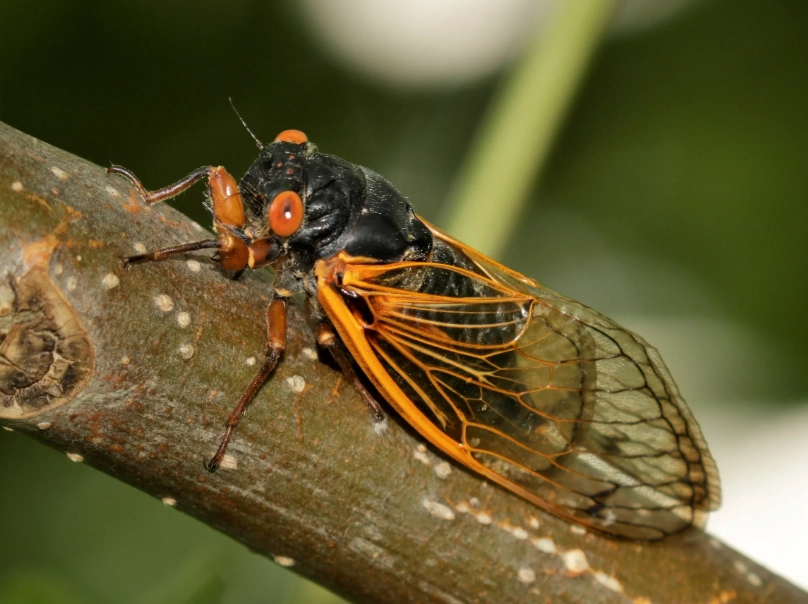
Here’s the proven method:
- Material: Use fine mesh netting with holes smaller than 1/4 inch. Bird netting often works, but cicada-specific netting is better. Avoid using landscape fabric or solid plastic, as it can overheat the tree.
- Timing: Install the netting before you see nymphs emerging. Once they start climbing, it's too late. Watch for soil temperature reports in your local news in late spring.
- Technique: Drape the netting over the entire small tree or shrub. Gather it loosely around the trunk and secure it tightly with twine or a zip tie below the lowest branches. This prevents cicadas from crawling up the trunk from the ground. Ensure no branches are pressed against the netting, or females will lay eggs through it.
- Duration: Keep the netting on for the entire adult activity period, typically from mid-May through late June in most affected areas. Remove it once the cicadas are gone to allow normal growth and light penetration.
For trees too large to net, focus on protecting a few key lower branches. The flagging will be cosmetic.
Managing the Cicada Noise and Cleanup
You can't silence a billion insects, but you can adapt.
For the noise, if you work from home or have outdoor gatherings, consider shifting activities to early morning or evening when the males are less active. White noise machines or fans on patios can help mask the sound. Honestly, earplugs aren't a bad idea for sensitive individuals trying to sleep with the window open.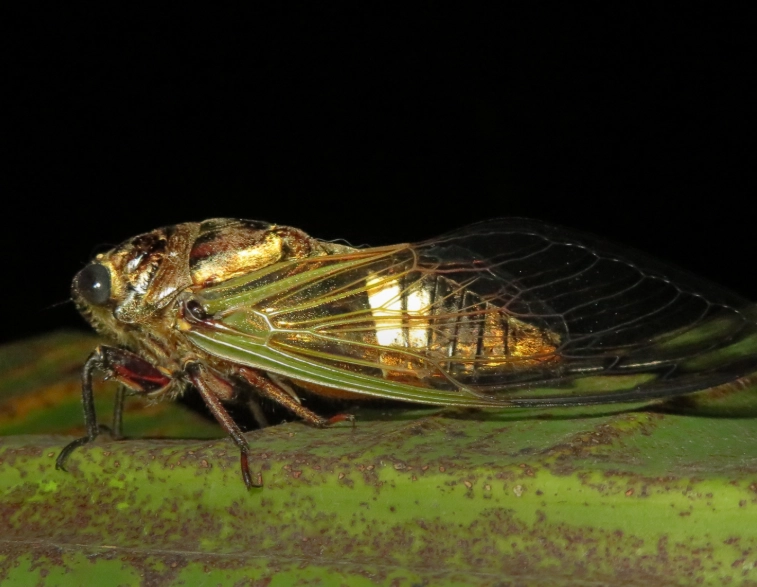
The cleanup is straightforward but important. Don't let large piles of dead cicadas sit on lawns or against tree trunks. Use a rake or a leaf blower (on a gentle setting) to gather them. They are fantastic compost material, rich in nitrogen. Toss them in your compost bin, or till them lightly into garden beds. If that's not your style, bag them for municipal yard waste pickup. A shop vac can handle patios and driveways.
Here's a tip most guides miss: the empty brown nymphal shells (exoskeletons) cling everywhere. They're brittle and harmless. A strong spray from a garden hose will knock most of them off your house siding and fences.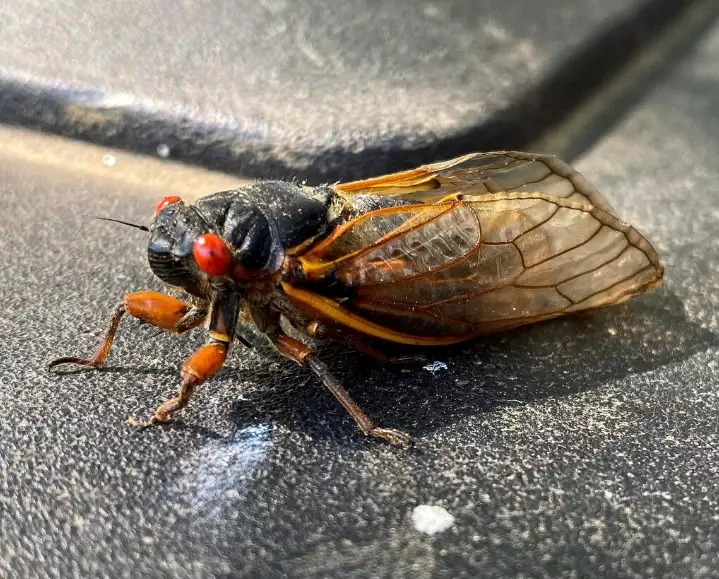
Your Top Cicada Questions Answered
Look, the cicada emergence is overwhelming. It's loud, it's messy, and it feels a bit apocalyptic. But it's also a temporary, incredible natural phenomenon. A few weeks of netting on your young trees and some adapted outdoor plans are a small price to pay for a front-row seat to one of the insect world's greatest shows. Embrace the weirdness, protect what matters, and know it will all be over by July.
Comments