You hear a low, persistent buzzing near your eaves. You see a large, black bee hovering, almost inspecting the wood. Then you notice it—a perfectly round hole, about the diameter of your finger, in a fascia board or deck railing. That’s your introduction to carpenter bees. They’re not out to get you, but they are out to make a home, and your house looks like prime real estate. Let’s cut through the noise. This guide isn’t about fear-mongering; it’s about understanding what you’re dealing with, the actual risks (which are often overstated), and giving you a clear, actionable plan that works without causing unnecessary harm to these important, if inconvenient, pollinators.
What You'll Learn
What Are Carpenter Bees and Why Should You Care?
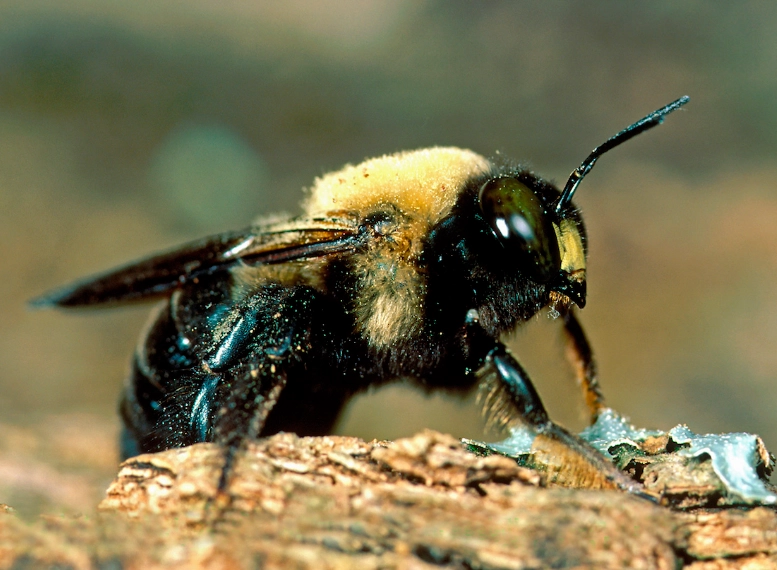
Carpenter bees (Xylocopa species) are large, solitary bees native to many parts of the world, including North America. Unlike honeybees, they don’t live in hives with thousands of sisters. Each female is a queen of her own little wooden kingdom. The “carpenter” name comes from their nesting habit: they excavate tunnels in wood to create brood chambers for their young.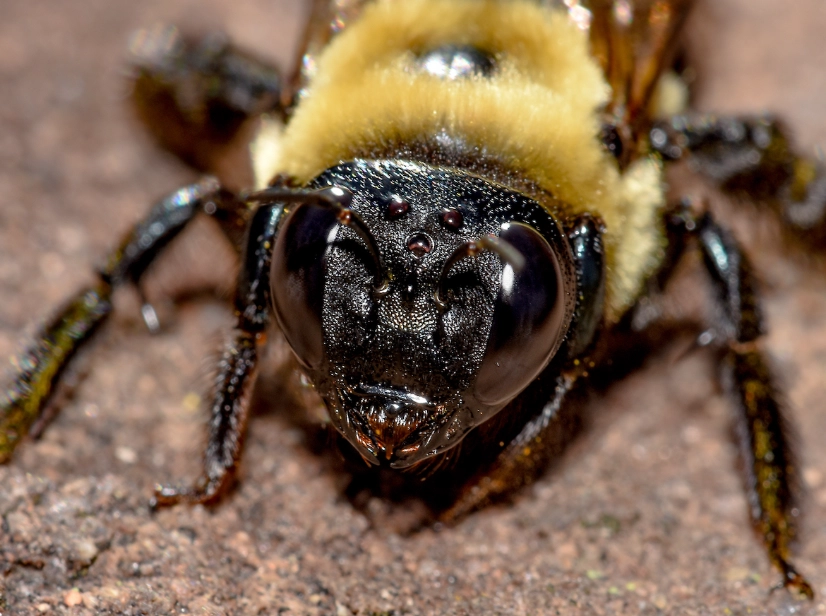
Here’s the thing most generic articles miss. People panic because they see a big bee and think “killer swarm.” The reality is far less dramatic. The male, who often acts as a guard, can’t even sting. The female can, but she’s incredibly reluctant—you practically have to grab her. Her primary focus is gathering pollen and building nests, not defending a hive. The real issue isn’t personal safety; it’s property maintenance. Ignoring them can lead to structural weakening over many years, and the holes provide an open invitation for woodpeckers (who love to eat the larvae) and secondary pests like carpenter ants.
How to Identify Carpenter Bees (And Tell Them Apart from Bumblebees)
Mistaking a bumblebee for a carpenter bee is the number one error I see. It leads to unnecessary panic or wasted effort targeting the wrong insect. Let’s break it down visually and behaviorally.
Key Identification Features
- Size & Shape: Large, robust bees, often about 1 inch long. They have a thick, rounded abdomen.
- Color: Most common species in the U.S. have a shiny, hairless, black abdomen. Their thorax (the middle section) is covered in fuzzy yellow, orange, or white hairs.
- The Telltale Behavior: They hover and “dance” near wooden surfaces—eaves, decks, fence posts, siding. The males are especially territorial and will zoom aggressively near intruders (including you) but are harmless.
- The Evidence: Perfectly round, clean holes (about 1/2 inch in diameter) in unpainted, weathered softwood. You’ll often see coarse sawdust (frass) piled below the hole.
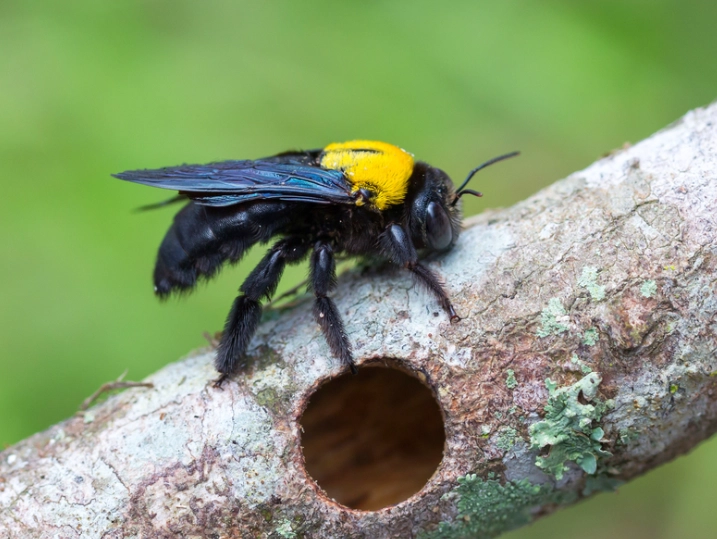
Carpenter Bee vs. Bumblebee: Spot the Difference
| Feature | Carpenter Bee | Bumblebee |
|---|---|---|
| Abdomen | Shiny, black, and mostly hairless. | Fuzzy and striped with yellow/black hairs all over. |
| Nesting Site | In wood (eaves, decks, dead trees). | In the ground (old rodent holes, under piles). |
| Hovering | Commonly hovers near wood surfaces. | Rarely hovers stationary near structures. |
| Hole/Damage | Creates clean, round entry holes in wood. | No wood damage. |
If the bee is completely fuzzy, it’s a bumblebee—leave it alone, it’s a gardening hero. If it has a shiny backside and is eyeing your woodwork, you’ve got a carpenter bee.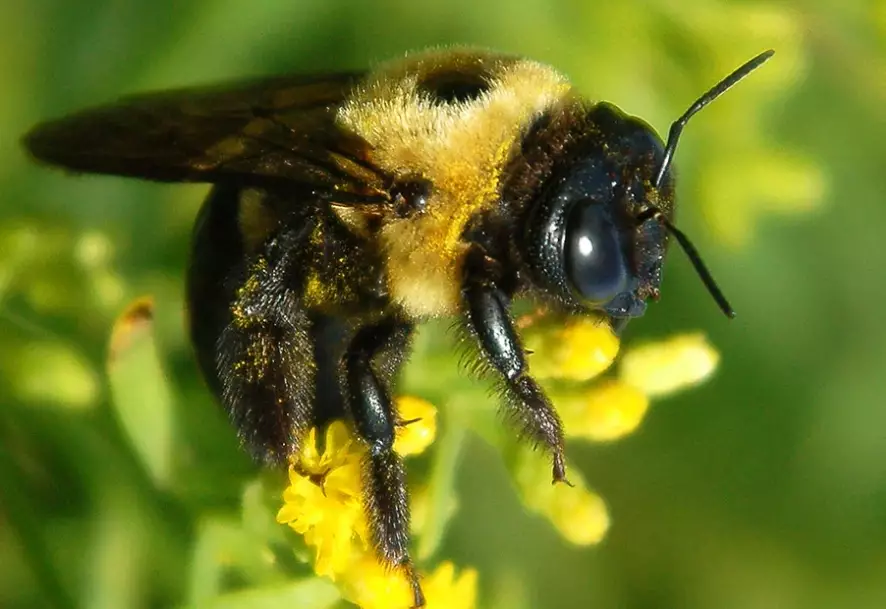
The Real Damage: Are Carpenter Bees Dangerous to Your Home?
The word “dangerous” needs context. They won’t cause your deck to collapse overnight. The damage is cumulative and insidious. A single bee creates a main tunnel about 6-10 inches deep, then turns 90 degrees and excavates multiple brood cells along the grain of the wood. One bee, one tunnel. The problem starts when:
- Generational Re-use: New bees emerge the following spring and often expand the existing tunnels instead of drilling new ones. Over 3-5 years, a small network can become a large, interconnected gallery.
- Woodpecker Damage: This is where the real cost comes in. Woodpeckers can hear the larvae inside and will literally tear apart the wood to get to them. I’ve seen a woodpecker turn a few bee holes into a fist-sized cavity in a weekend.
- Water Infiltration: The holes allow moisture to seep into the wood, accelerating rot and creating a perfect environment for wood-decaying fungi.
So, are they an emergency? No. Should you have a plan to manage them before secondary damage sets in? Absolutely. Untreated cedar, redwood, pine, and fir are their favorites, especially if the wood is unpainted and weathered.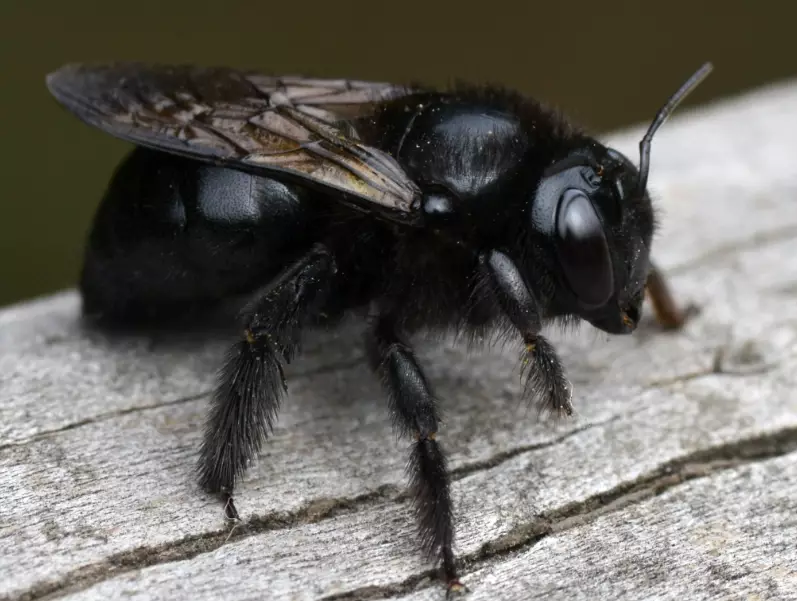
How to Get Rid of Carpenter Bees: A Step-by-Step Guide
Timing is everything. The best time to treat is at night or on a cool, rainy day in early spring when the bees are less active and inside their nests. Here’s a methodical approach I’ve used for years.
Step 1: Locate All Active Holes
Walk around your property in the late afternoon on a sunny day. Watch for bees entering or hovering. Mark each hole with a bit of chalk or tape. Don’t forget to check under railings, the undersides of eaves, and window trim.
Step 2: Apply an Insecticidal Dust (The Most Effective Method)
This is the pro’s choice for a reason. A dust like Delta Dust or Drione (silica gel) clings to the bee’s body as it moves through the tunnel, ensuring the entire nest is affected. Wear gloves and a mask.
- Use a bulb duster or a dedicated insecticide duster.
- Puff a generous amount of dust directly into the hole. Don’t just plug the surface; you want the dust inside the tunnel.
- Do this at dusk to catch most bees inside.
Why dust over spray? Aerosol sprays often only kill the bee at the entrance. Dust is carried throughout the gallery, reaching larvae and other adults.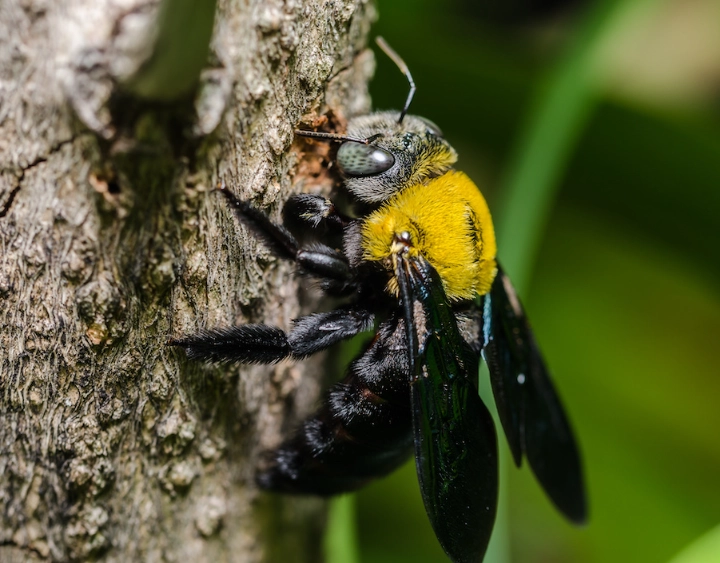
Step 3: Wait and Observe
Give it 48-72 hours. You should see a significant decrease in activity. If bees are still active, apply more dust.
Step 4: Seal the Holes
Once activity has stopped (wait at least a week to be sure), it’s time to close shop.
- Scrape out any loose debris from the hole.
- Fill the hole with a wood putty, epoxy wood filler, or a dowel glued in place. For a seamless finish on painted wood, use an exterior-grade wood filler, sand smooth, and repaint.
Personal tip: I keep a bag of wooden dowels slightly larger than the bee holes. A little wood glue, tap it in, cut it flush, sand, and paint. It’s a permanent repair.
Preventing Carpenter Bee Infestations: Long-Term Strategies
Killing existing bees is reactive. Prevention is proactive and saves you headaches every spring. Your goal is to make your wood less appealing.
- Use Hardwoods: For new construction or replacements (like a deck rail), consider hardwoods like maple or oak, which are much less palatable to them.
- Pre-Treat with Insecticide: For vulnerable areas, you can apply a residual insecticide labeled for carpenter bees (like cyfluthrin or bifenthrin) to wood surfaces in early spring, before nesting season begins. Reapply as directed on the label.
- Provide Alternative Nesting Sites: This is a more ecological approach. You can buy or build “carpenter bee houses” from untreated wood blocks with pre-drilled holes and place them away from your house. It won’t work for every bee, but it can divert some.
Carpenter Bees and Pollination: The Ecological Trade-Off
This is the uncomfortable part of the conversation. Carpenter bees are exceptional pollinators. They practice “buzz pollination,” grabbing onto flowers like tomatoes, eggplants, and blueberries and vibrating their flight muscles to shake pollen loose—something honeybees can’t do. Many native plants rely on them.
So, when you treat them around your home, you’re making a property management decision, not an ecological condemnation. The goal should be targeted control, not eradication. Don’t spray them on flowers or in your garden. Focus your efforts solely on the wooden structures you need to protect. This balanced approach manages the pest issue while acknowledging their role in the environment.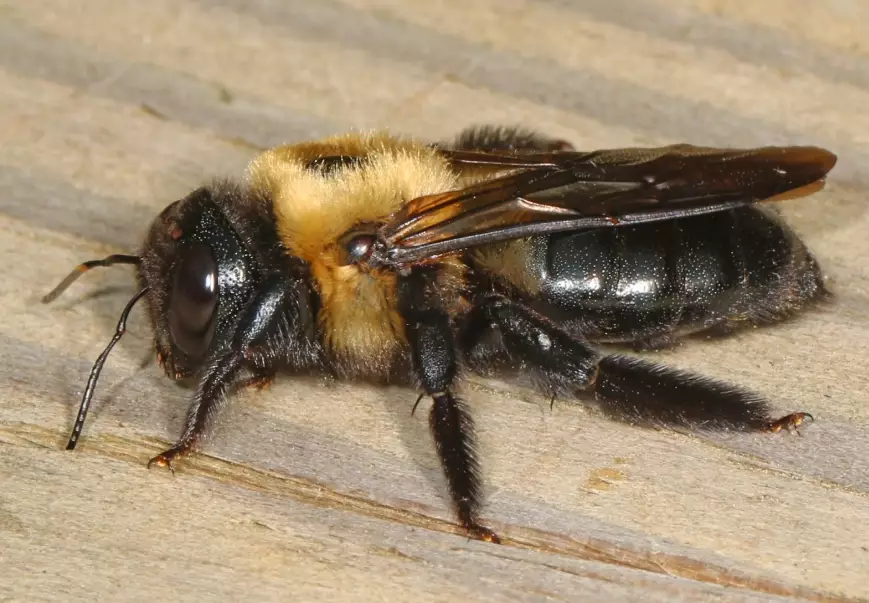
Comments