That low, angry buzz near your ear. The sudden, sharp pain on your ankle. A swarm of black and yellow insects defending a hidden nest you never knew was there. If you're dealing with yellow jackets, you know they're more than just a nuisance—they're a threat to your family's safety and your peace of mind. I've been helping people manage these aggressive wasps for over a decade, and the biggest mistake I see? Underestimating them. This guide isn't just a list of facts. It's a field-tested strategy for taking back your yard, safely and effectively.
What You'll Find in This Guide
- Know Your Enemy: Spotting Yellow Jackets vs. Other Wasps
- How to Find a Yellow Jacket Nest (Without Getting Stung)
- Stopping an Invasion Before It Starts: Proactive Prevention
- DIY Yellow Jacket Removal: A Step-by-Step Risk Assessment
- When to Call the Professionals (And What It Really Costs)
- Yellow Jacket Sting First Aid: Beyond the Baking Soda Paste
- Expert Answers to Your Trickiest Yellow Jacket Questions
Know Your Enemy: Spotting Yellow Jackets vs. Other Wasps
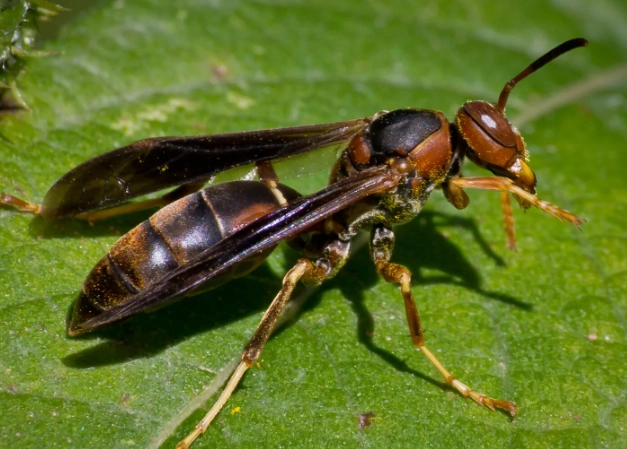
Calling every flying stinger a "bee" will get you into trouble. Yellow jackets (Vespula and Dolichovespula species) are wasps, with distinct behaviors that make them particularly problematic.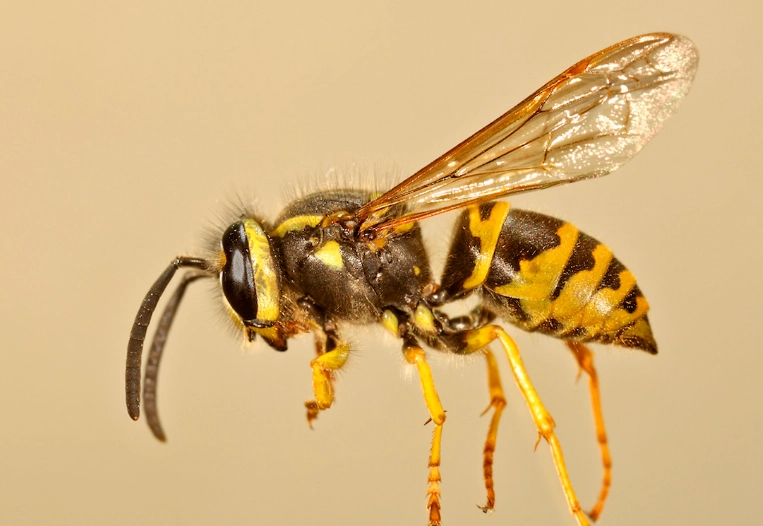
They're hairless, with bright, stark black and yellow banding. Unlike honey bees, which are fuzzy and carry pollen, yellow jackets look sleek and predatory. Watch their flight path. Bees meander from flower to flower. Yellow jackets fly in a determined, direct line—often straight into a hole in the ground, a wall void, or under your deck eaves.
Their diet is the real giveaway in late summer. While they feed insects to their larvae early on, their craving for sugars and proteins skyrockets as the colony peaks. This is when they become the uninvited guests at your barbecue, crawling on your soda can and hamburger.
How to Find a Yellow Jacket Nest (Without Getting Stung)
Finding the nest is job one. You can't fight what you can't see. Do this in the cool of the early morning or late evening when wasps are least active.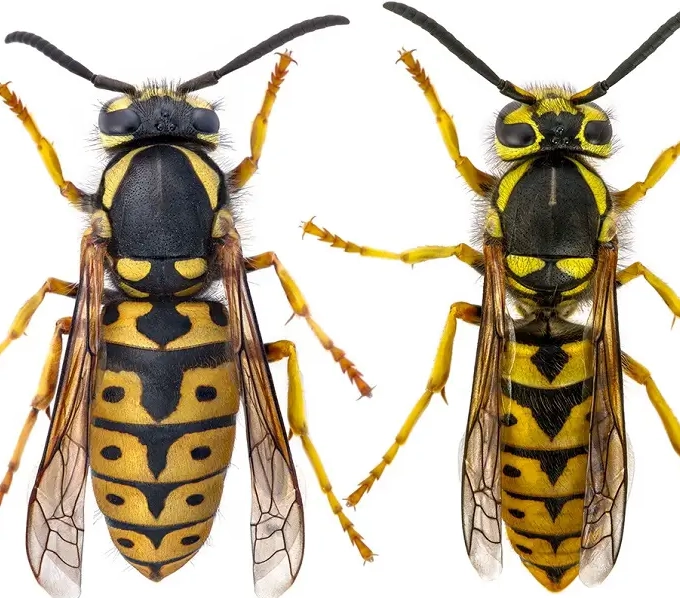
Grab a lawn chair, sit at a safe distance (at least 15-20 feet from where you see activity), and just watch. Have a pair of binoculars handy. Follow individual yellow jackets. Where do they disappear? Common nest sites are deceptively mundane:
- In the ground: Old rodent burrows, hollows under tree roots, gaps along sidewalk edges.
- In wall voids: Check where siding meets the foundation, gaps around utility line entries, or behind loose soffits.
- Under structures: Deck floors, porches, stairs, and inside hollow patio blocks.
- In shrubs & brush: Dense, low evergreen shrubs can conceal aerial nests.
You might hear a faint, constant papery rustling if you listen closely near a wall nest. For ground nests, look for a perfectly round entrance hole about the size of a nickel, often with a steady stream of traffic.
The One Tool You Absolutely Need for Nest Recon
A can of quick-freeze aerosol for computers. No, really. If you suspect a small entrance in a wall, give a very short, half-second blast into the hole from a few feet away. The sudden temperature drop and vapor cloud will cause guard wasps to immediately pour out to investigate the disturbance, confirming the nest's location instantly. It's safer than poking the hole and doesn't anger the whole colony like a full insecticide blast might.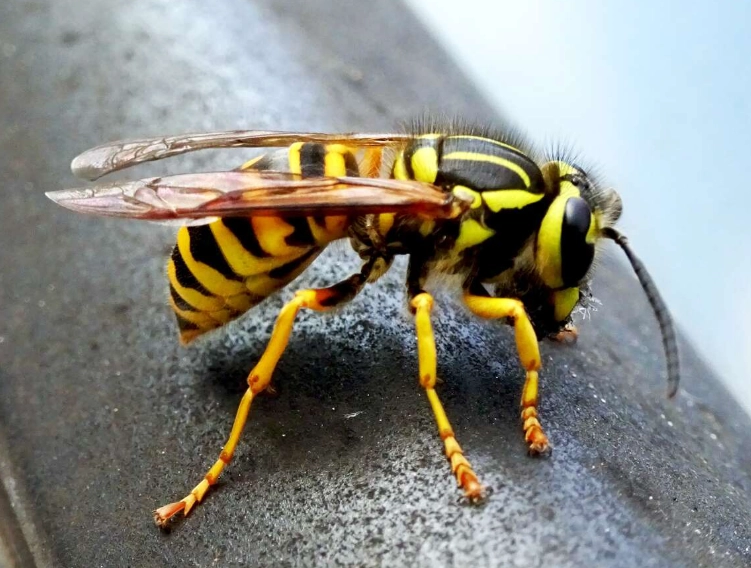
Stopping an Invasion Before It Starts: Proactive Prevention
Killing a colony is reactive. Preventing it is smarter. Your goal is to make your property the least appealing real estate on the block for a founding queen in the spring.
Early spring (April-May) is queen-hunting season. She's alone, looking for a cavity to start her colony. Here's your spring checklist:
- Seal entry points: Use caulk, steel wool, or hardware cloth to plug holes in your home's exterior, especially under eaves and around pipes.
- Manage trash impeccably: Keep bins tightly sealed, clean up spills immediately, and rinse recyclables. I keep my outdoor cans 50 feet from my house and patio.
- Modify your landscaping: Fill in rodent holes and ground depressions. Trim back shrubs and ivy from the house foundation.
- Use decoy nests: Commercial or homemade fake wasp nests (some studies suggest they can deter queens who are territorial). Hang them in early spring under eaves where you've had problems before.
Throughout summer, be diligent about food sources. Keep grill areas clean, use lids on drinks outdoors, and pick up fallen fruit from trees promptly.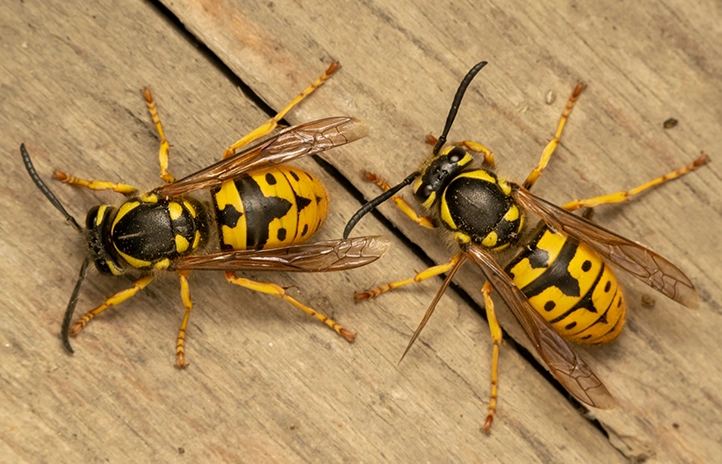
DIY Yellow Jacket Removal: A Step-by-Step Risk Assessment
Let's be blunt: DIY removal is for small, accessible nests, and only if you have no allergy history. A large, established ground nest or one inside a wall is a job for pros. If you proceed, your mantra is Plan, Protect, and Perform at Dusk.
| Method | Best For | How-To & Product | Critical Safety Note |
|---|---|---|---|
| Dust Insecticides | Ground nests, wall voids | Apply insecticidal dust (e.g., Tempo Dust, Delta Dust) lightly into the entrance hole at night. The wasps track it inside, contaminating the colony. | Wear a respirator mask. Do not plug the hole immediately—let wasps come and go, spreading the dust. |
| Liquid/Aerosol Foam | Exposed aerial nests | Use a jet-spray wasp foam that expands and encapsulates the nest. Saturate it from a distance of 10-15 feet. | Have a clear escape path back to shelter. Spray and immediately walk away—don't stand and watch. |
| Non-Chemical Trapping | Reducing forager numbers, not eliminating nests | Use commercial traps with heptyl butyrate lure or homemade traps (2-liter bottle, water, sugar, vinegar, and a piece of lunch meat). | Place traps at the perimeter of your property, NOT near your sitting area. You'll draw them away, not toward you. |
Your gear is non-negotiable: wear thick, light-colored clothing (dark colors can provoke them), gloves taped to sleeves, closed shoes, goggles, and a bee veil if you have one.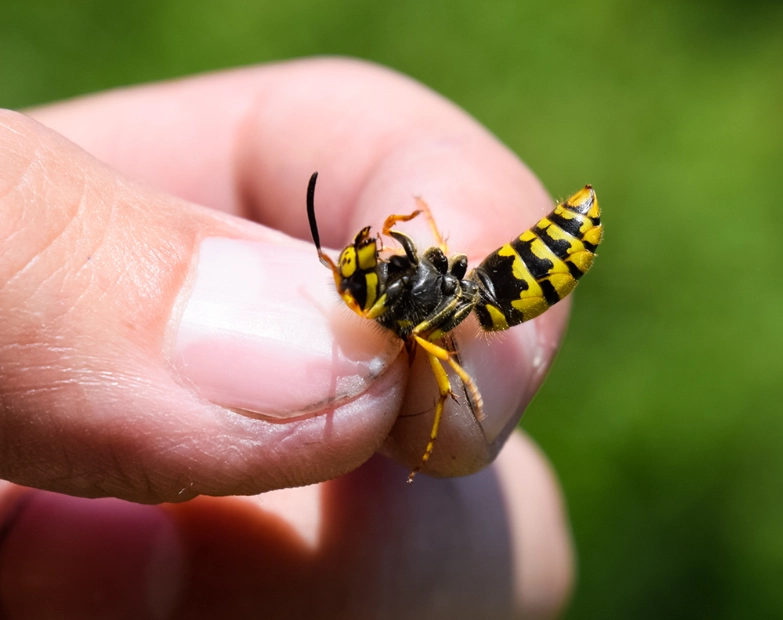
When to Call the Professionals (And What It Really Costs)
Here's the expert truth: calling a pest control pro is almost always the correct answer for yellow jackets. It's safer, faster, and guarantees the job is done right. You're paying for their experience, insurance, and proper equipment.
You should call a pro if:
- The nest is inside a wall, attic, or other structural void.
- It's a large ground nest (more than a few inches wide entrance).
- The nest is in a high-traffic area (near a doorway, playground, pool).
- You or a family member is allergic to stings.
- Your DIY attempt didn't work (now the colony is agitated).
Costs vary by region and nest complexity. As a rough guide:
- Simple exterior nest removal: $150 - $300.
- Nest in a wall void requiring access/drill-and-seal: $300 - $500+.
- Some companies offer seasonal plans for monitoring and prevention.
A good technician won't just spray and leave. They'll explain where the nest was, why it was attractive, and recommend specific exclusion work to prevent recurrence. Ask about their methods—Integrated Pest Management (IPM) approaches that prioritize sealing and prevention are a sign of a quality service.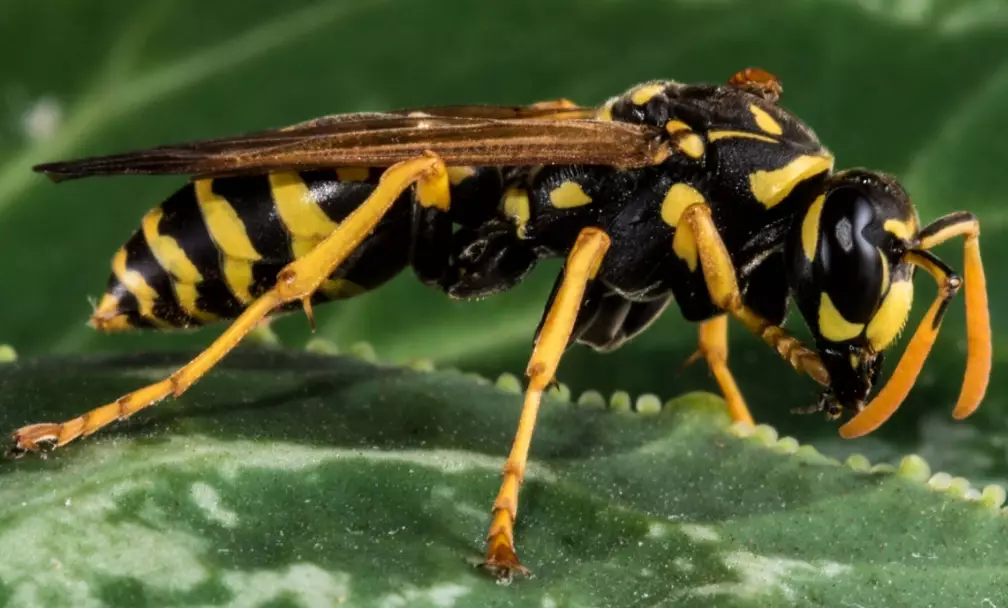
Yellow Jacket Sting First Aid: Beyond the Baking Soda Paste
A single sting hurts. Multiple stings can be a medical emergency. Here's what to do, step by step.
1. Get to safety first. Move away from the area calmly but quickly. Do not swat, as crushed wasps release alarm pheromones that incite more attacks.
2. Remove the stinger? No. Unlike honey bees, yellow jackets don't usually leave a barbed stinger behind. They can sting repeatedly. If you see something embedded, scrape it off with a fingernail or credit card—don't pinch it with tweezers, which can squeeze more venom in.
3. Clean and treat. Wash with soap and water. Apply a cold pack to reduce swelling and pain. Take an oral antihistamine (like Benadryl) for itching and an NSAID (like ibuprofen) for pain.
4. Watch for severe reactions. This is critical. According to the CDC and the American College of Allergy, Asthma, and Immunology, seek emergency help immediately if you see signs of anaphylaxis: difficulty breathing, swelling of the lips/tongue/throat, dizziness, rapid pulse, hives over a large part of the body, nausea or vomiting.
For large local reactions (severe swelling around the sting site larger than 4 inches), contact your doctor. They may prescribe a short course of oral steroids.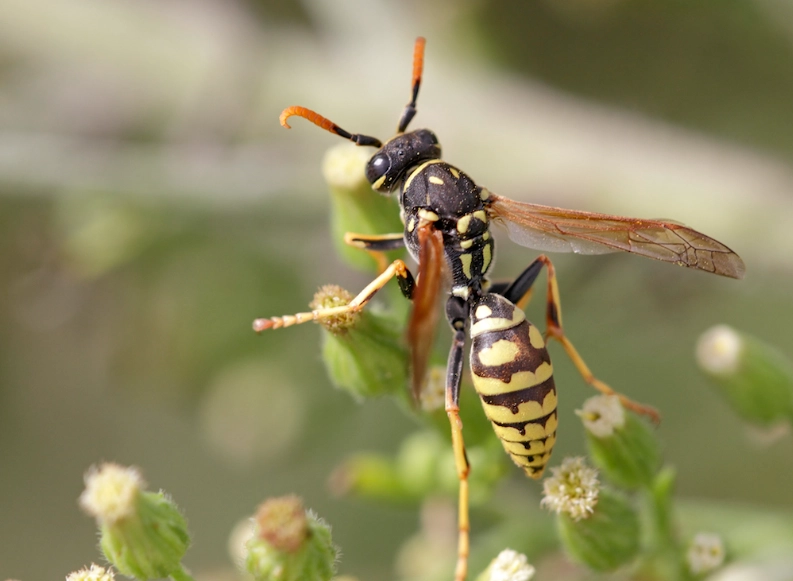

Comments