You find a small, silvery, darting insect in your bathroom at 2 AM. Or maybe you discover tiny holes and yellow stains on an old book or your favorite shirt. That's your first encounter with a silverfish bug. They're not dangerous in the classic sense, but they're a massive nuisance and can ruin your stuff. Most advice online is superficial—"use boric acid"—but misses the why they're there and the how to make them leave for good. After dealing with them in an old apartment and helping friends tackle infestations, I've learned the real battle isn't just killing what you see; it's changing the environment they love.
Quick Navigation: What You'll Learn
What Are Silverfish Bugs? A Complete Identification Guide
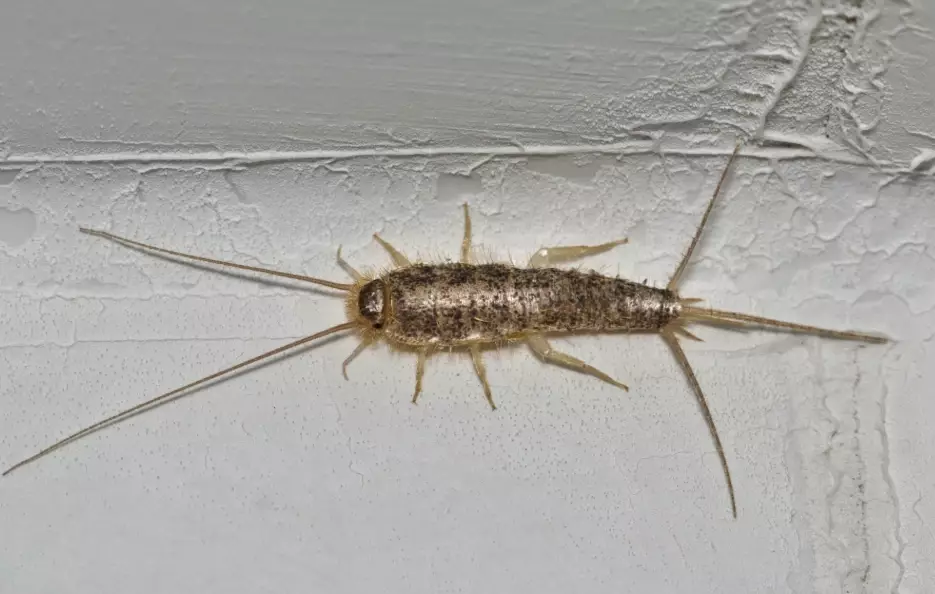
Let's be clear. Silverfish (Lepisma saccharina) are primitive insects. They've been around for over 400 million years, which tells you they're survivors. They don't have wings, and their movement is a distinctive, fast, fish-like wriggle—hence the name.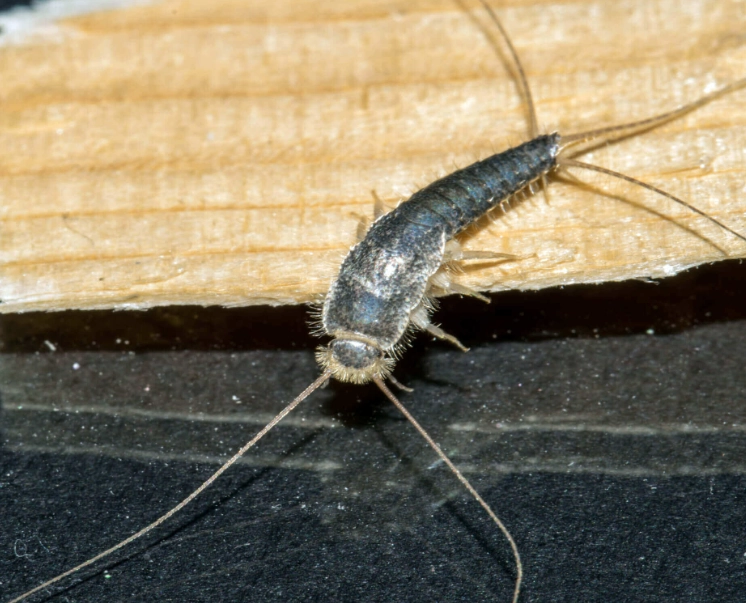
Appearance: What Does a Silverfish Look Like?
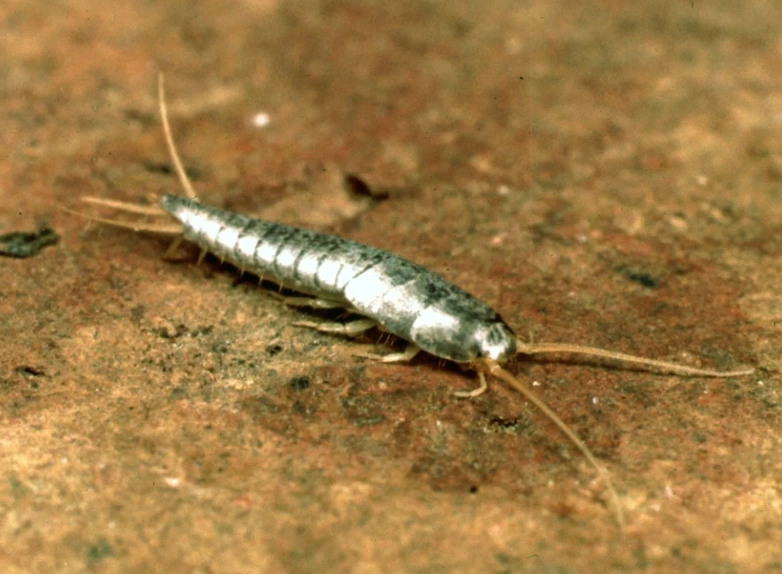
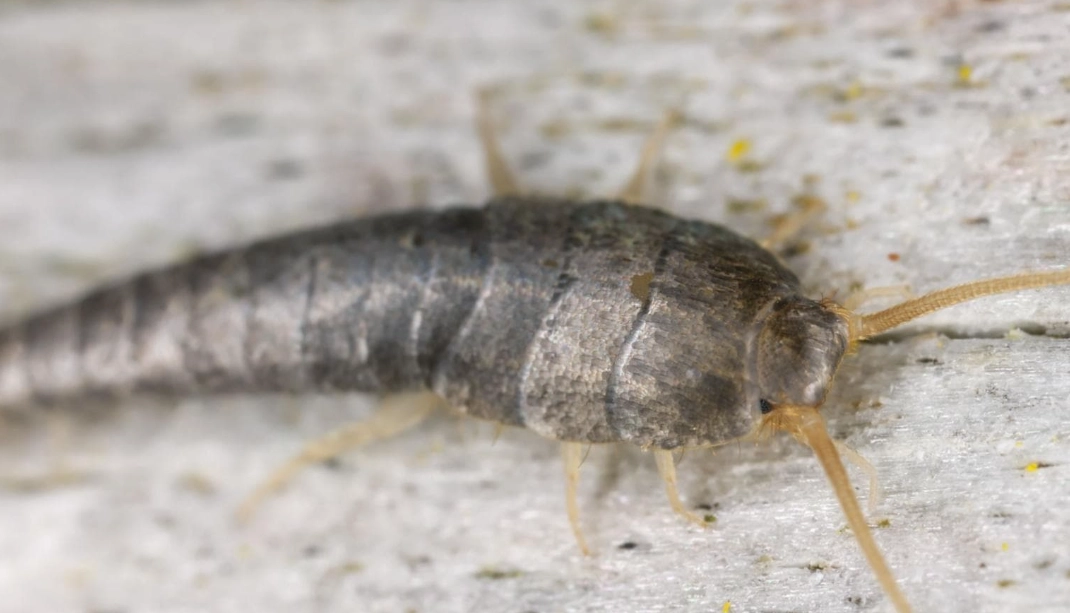
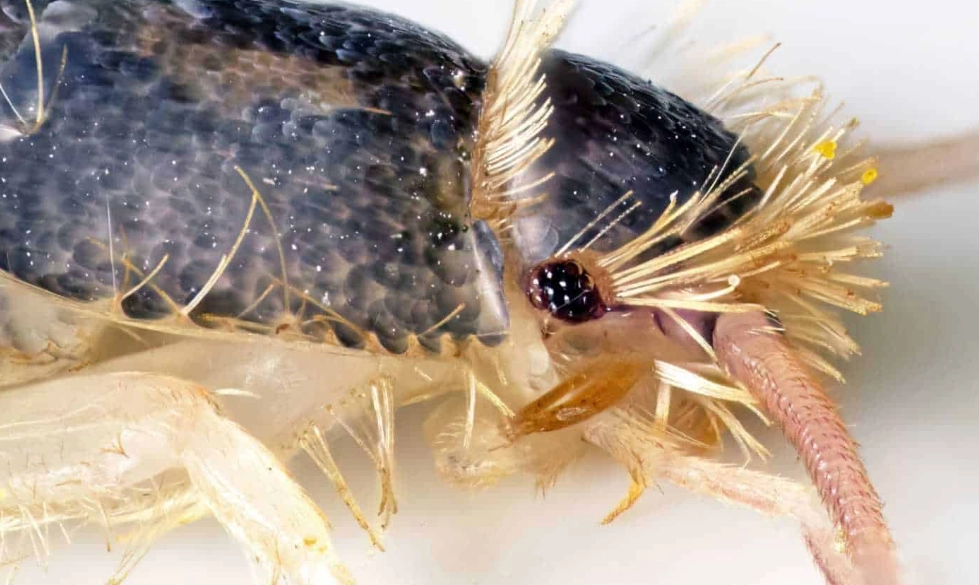
Forget artistic renditions. A live silverfish is about 1/2 to 3/4 inch long. The metallic, silvery-gray scales are the most obvious feature, but they can look more brownish if they've recently molted. They have three long, tail-like appendages at the rear and two long antennae at the front. Their bodies are carrot-shaped, tapering from head to tail.
Behavior & Habitat: Where You'll Find Them
Silverfish are nocturnal and photophobic (they hate light). Turn on a bathroom light at night, and you might see one scurry under the baseboard. They crave two things most homes provide in abundance: moisture and starch.
Prime real estate for silverfish includes:
- Bathrooms: Under sinks, around tubs, inside damp cabinets. Humidity levels here are often perfect.
- Basements and Crawl Spaces: Especially if there's any mustiness, water seepage, or old cardboard boxes stored.
- Kitchens: Behind appliances (fridge, dishwasher) where condensation builds up.
- Attics and Closets: Near old books, papers, stored clothing, or boxes of photos.
Diet: What Do Silverfish Eat?
This is critical for prevention. They're not picky. Their diet reads like a list of common household items:
- Carbohydrates & Starches: Glue in book bindings, wallpaper paste, paper, photographs, cereal, flour, pet food.
- Proteins: Dead insects, their own shed skins.
- Fibers: Cotton, linen, silk, and even synthetic fibers if stained with food or body oils.
- Mold and Mildew: They'll feed on the fungi growing in damp areas.
That yellow stain you find on clothing or paper? That's caused by their feces.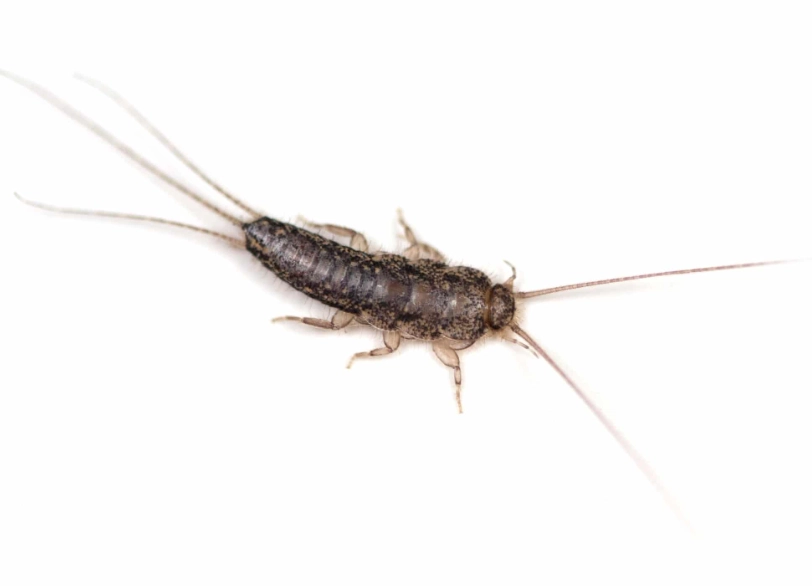
How to Get Rid of Silverfish: A Realistic Action Plan
Spraying a can of insecticide where you saw one is a temporary fix. You need a multi-pronged strategy that addresses the population and the conditions that support it. Here's the sequence I follow.
Step 1: Thorough Inspection and Identification
Grab a flashlight. Check the high-moisture, high-clutter zones listed above. Look for live bugs, shed skins (tiny, translucent husks), feces (black pepper-like specks), or damage to materials. Confirm they are silverfish and not another pest (see section below).
Step 2: Reduce Humidity (The Most Important Step)
This is non-negotiable. Silverfish need 75% relative humidity or higher to thrive. Drop it below 50%, and they struggle to survive.
- Use Dehumidifiers: Run one in the basement, bathroom, or any damp area. Empty it regularly.
- Improve Ventilation: Use exhaust fans in bathrooms and kitchens for at least 20-30 minutes after showering or cooking.
- Fix Leaks: Check under sinks, around toilets, and in the basement for any plumbing leaks or condensation on pipes. Insulate cold water pipes.
- Direct Water Away: Ensure gutters are clean and downspouts direct water at least 5 feet away from your foundation.
Step 3: Eliminate Hiding Places and Food Sources
Declutter with purpose. This removes their harborage and breeding grounds.
- Seal Cracks and Crevices: Use caulk to seal gaps around baseboards, pipes, windows, and in foundations. Pay special attention to where walls meet floors.
- Store Smartly: Get rid of old cardboard boxes. Store papers, books, clothes, and photos in sealed plastic bins, not cardboard. This is a game-changer.
- Vacuum Thoroughly: Vacuum corners, under furniture, and in closets to remove eggs, skins, and food debris.
Step 4: Apply Targeted Treatments
Now you can attack the population. Avoid broad-spectrum sprays; they scatter bugs and are less effective against hidden eggs.
- Diatomaceous Earth (DE): My go-to for a low-toxicity option. Food-grade DE is a fine powder that damages the waxy coating on insects, causing them to dehydrate. Lightly puff it into wall voids, under appliances, and along baseboards. Key tip: It must stay dry to work. Don't use it in actively wet areas.
- Boric Acid or Borax: An old-school stomach poison. You can dust it lightly in cracks and crevices (away from pets and children) or make a simple bait by mixing it with a bit of flour and sugar. They eat it and die.
- Insecticide Dusts: Products containing silica aerogel (like CimeXa) are highly effective and have a long residual. They work similarly to DE but are often more potent. Apply with a duster to out-of-reach voids.
- Silverfish Traps: Sticky traps, like those used for cockroaches, are great for monitoring. Place them in corners of bathrooms, basements, and closets. They won't solve an infestation but will show you if your other efforts are working.
I'm not a fan of ultrasonic repellents. Studies, like those reviewed by University of Minnesota Extension, show they are largely ineffective.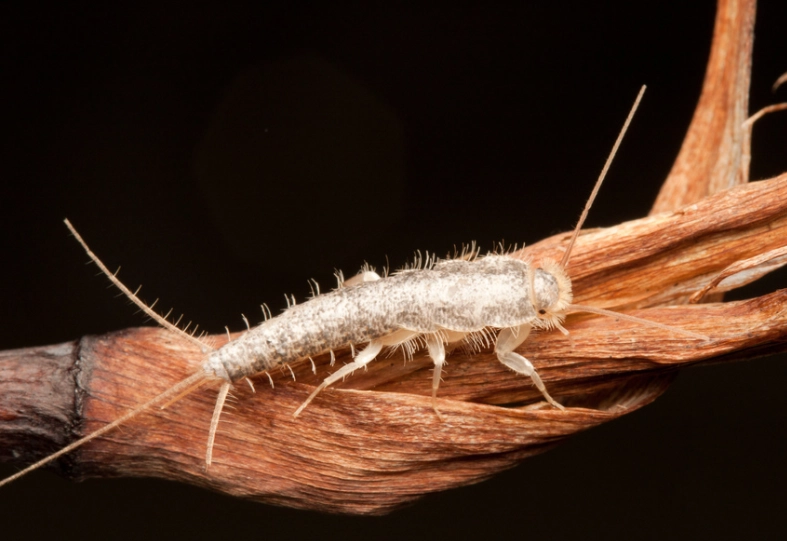
Silverfish Prevention Strategies That Actually Work
Getting rid of them is one battle; keeping them out is the war. Prevention is cheaper and less stressful.
- Maintain Low Humidity: Keep that dehumidifier running in problem seasons (spring, summer). Make it a habit.
- Store Collectibles Properly: If you have a library, rare books, or vintage clothing, consider a climate-controlled space or sealed containers with silica gel packets to control moisture.
- Landscape for Dryness: Keep mulch and vegetation away from your home's foundation to reduce ground moisture.
- Inspect Incoming Items: Check used books, cardboard boxes, or old furniture before bringing them inside. These are common hitchhikers.
- Regular Vacuuming: Don't let dust, crumbs, and shed skin accumulate. It's a buffet for silverfish.
Silverfish vs. Other Common Bugs: Don't Misidentify
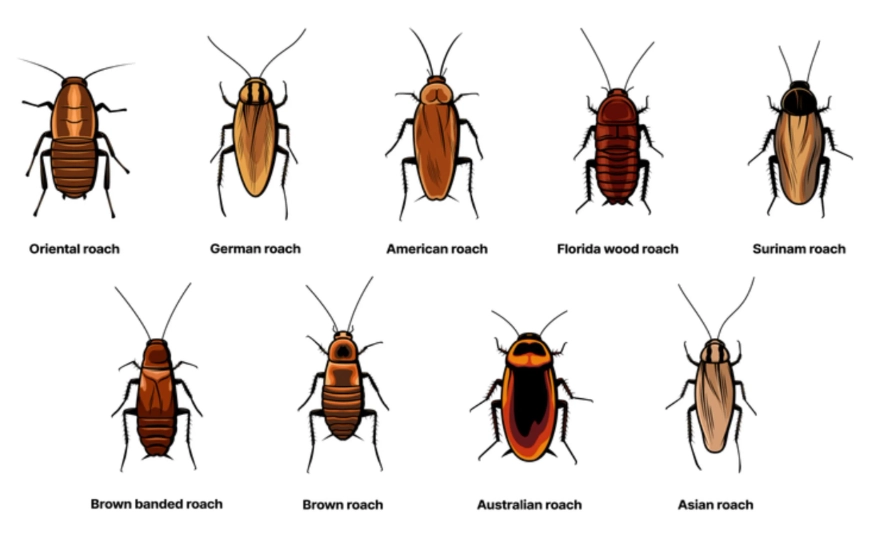
Mistaking another bug for a silverfish means you'll use the wrong control method. Here's a quick comparison.
| Bug | Key Differences from Silverfish | Why It Matters |
|---|---|---|
| Firebrat | Very similar shape but mottled gray/brown. Prefers VERY high heat (90°F+), often found near furnaces, boilers, insulation. | Control focuses on cooling the area, not just dehumidifying. |
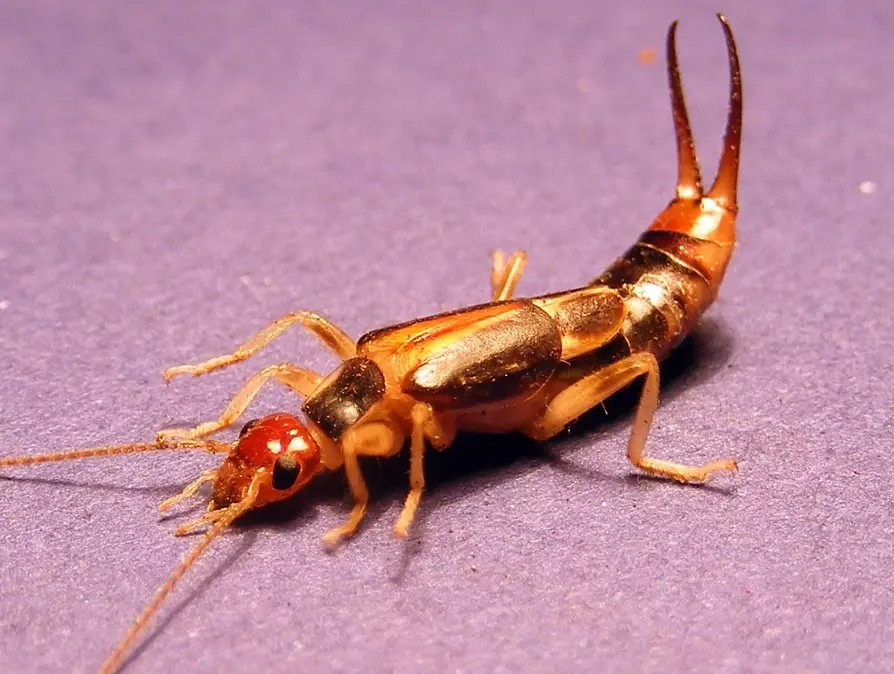
| Earwig | Dark brown/black, with prominent pincer-like cerci at the rear. More likely found in moist soil/leaf litter; occasionally wanders indoors. | Earwigs are primarily outdoor pests. Sealing entry points is the main fix. |
| Carpet Beetle Larvae | Small, hairy, caterpillar-like. They damage wool, fur, feathers but NOT paper or glue. | Treatment involves deep cleaning fabrics, not addressing humidity. |
| Booklice (Psocids) | Tiny (1-2mm), soft-bodied, often pale. They feed on mold and mildew on damp paper/books. | Their presence is a sure sign of a chronic moisture problem. Fix the dampness. |


Comments