That large, gray, papery football hanging from a tree branch or tucked under your eaves isn't just a natural curiosity—it's the fortress of one of North America's most defensive and potentially dangerous stinging insects: the bald-faced hornet. Unlike the common yellowjacket, these black and white insects command respect. A single sting is memorably painful, but a provoked colony can deliver dozens in seconds. This guide cuts through the fear and misinformation. We'll show you exactly how to identify them, assess the real risk to your family, and walk through your options for safe, effective bald-faced hornet nest removal, whether you choose to DIY or call in the pros.
What You'll Find in This Guide
- What Are Bald-Faced Hornets, Really?
- How to Spot a Bald-Faced Hornet Nest (And the Hornets Themselves)
- Understanding the Real Danger of a Bald-Faced Hornet Sting
- How to Get Rid of a Bald-Faced Hornet Nest Safely
- DIY Bald-Faced Hornet Removal vs. Hiring a Professional
- Smart Strategies to Prevent Nests Around Your Property
- Your Bald-Faced Hornet Questions, Answered
What Are Bald-Faced Hornets, Really?
First, let's clear up a major point of confusion. Despite the name, the bald-faced hornet (Dolichovespula maculata) isn't a true hornet. It's actually a type of yellowjacket wasp. This isn't just trivia—it matters because their behavior and biology align more with aggressive, social yellowjackets than with, say, the European hornet. They are apex aerial nest builders in their ecosystem.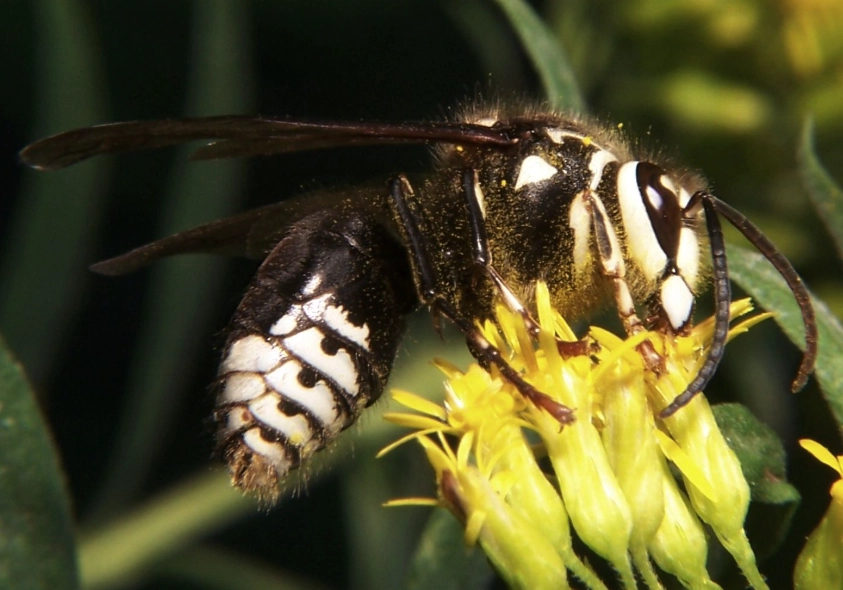
Each spring, a single, fertilized queen emerges from hibernation, finds a suitable spot, and begins constructing the initial cells of what will become a massive, layered paper nest. She does this all alone, chewing wood fibers mixed with her saliva. By late summer, that nest can house 400 to 700 workers, all fiercely dedicated to protecting their queen and larvae.
How to Spot a Bald-Faced Hornet Nest (And the Hornets Themselves)
Knowing what you're looking for is half the battle. Misidentifying a less aggressive paper wasp nest for a bald-faced hornet colony can lead to unnecessary panic—or worse, underestimating a real threat.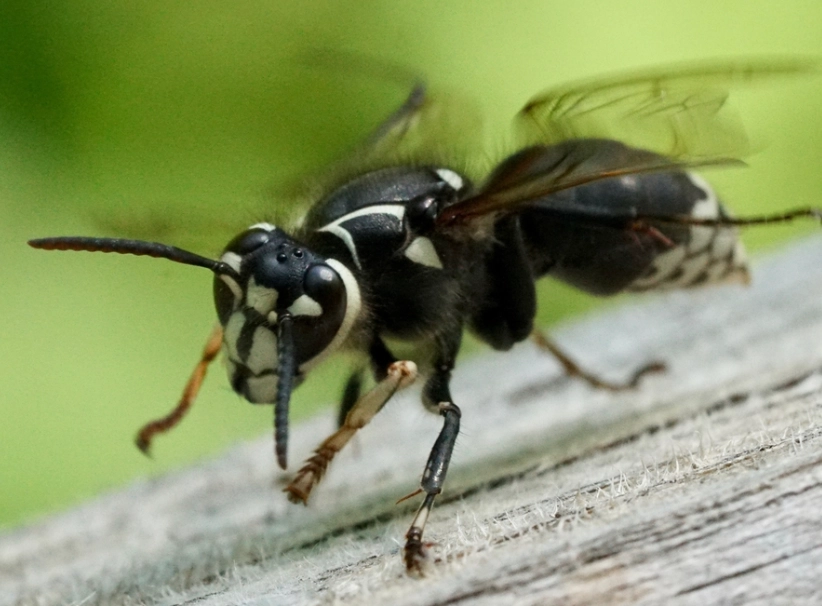
Key Identification Features of the Insect
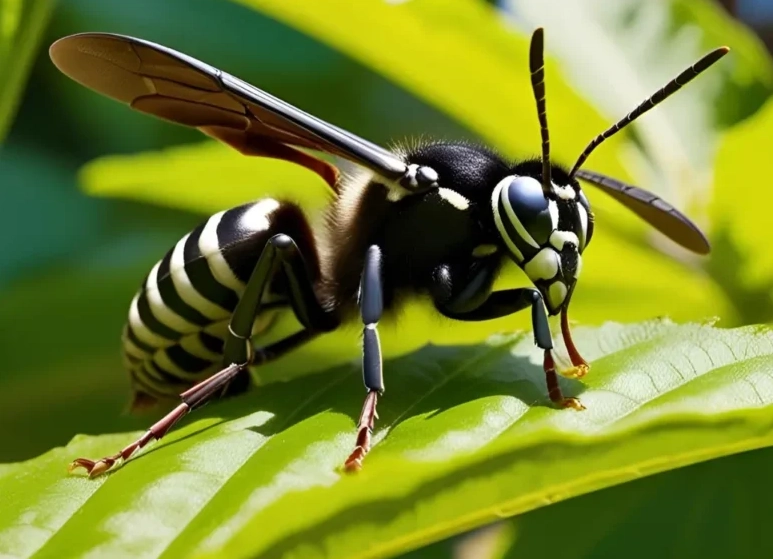
Size & Color: They are large, about 1/2 to 5/8 of an inch long. Their bodies are primarily black. Look for the stark, off-white or ivory-colored patterns on their face and the tip of their abdomen. The white "football stripes" on the abdomen are a dead giveaway.
Flight Pattern: They have a distinctive, slower, more deliberate flight compared to the frantic darting of yellowjackets. You'll often see them flying directly in and out of their nest's single entrance hole at the bottom.
Recognizing Their Nest
This is where they truly stand out. A mature bald-faced hornet nest is an architectural marvel, but a problematic one.
- Shape & Size: The classic shape is a teardrop or football, often reaching the size of a basketball or larger. I've seen them as big as a beach ball in wooded areas.
- Material & Color: It's made of a papery substance, typically a gray or light brown color. The surface has a swirled, layered appearance, like papier-mâché.
- Location: They prefer aerial locations. Common spots include tree branches (high and low), shrubs, under roof overhangs, in soffits, on utility poles, and sometimes attached to the sides of buildings. They rarely nest in the ground.
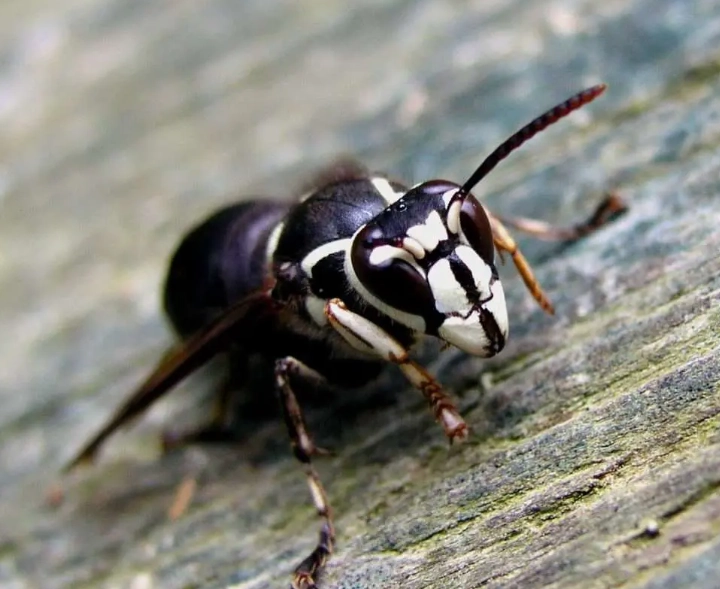
A common mistake is confusing their nest with a paper wasp nest. Paper wasp nests are smaller, open-comb structures that look like an upside-down umbrella with visible cells. There's no outer envelope. If you see a closed, football-shaped nest, you're almost certainly looking at bald-faced hornets or their relatives.
Understanding the Real Danger of a Bald-Faced Hornet Sting
Let's talk about the sting. It's bad. On the Schmidt Sting Pain Index, entomologist Justin Schmidt rated it around a 2.0, describing it as "Rich, hearty, slightly crunchy. Similar to getting your hand mashed in a revolving door." The pain is immediate, sharp, and burns intensely for several minutes before fading to a deep, throbbing ache that can last a day or two.
But the real risk isn't just the pain of one sting. It's the colony's defensive response. Bald-faced hornets release alarm pheromones when threatened. This chemical signal puts the entire colony on high alert, triggering a mass attack on the perceived threat. Unlike bees, their smooth stingers allow them to sting repeatedly.
So, when is a nest a "problem"? Not every nest needs to be destroyed. If it's high in a tree at the back of your property and no one goes near it, you can often let it be. The colony will die off naturally after the first hard frost, and the queen will abandon it. The problems arise when the nest is in a high-traffic area: over a doorway, near a playground, close to a patio, or inside a soffit where they could chew into your attic.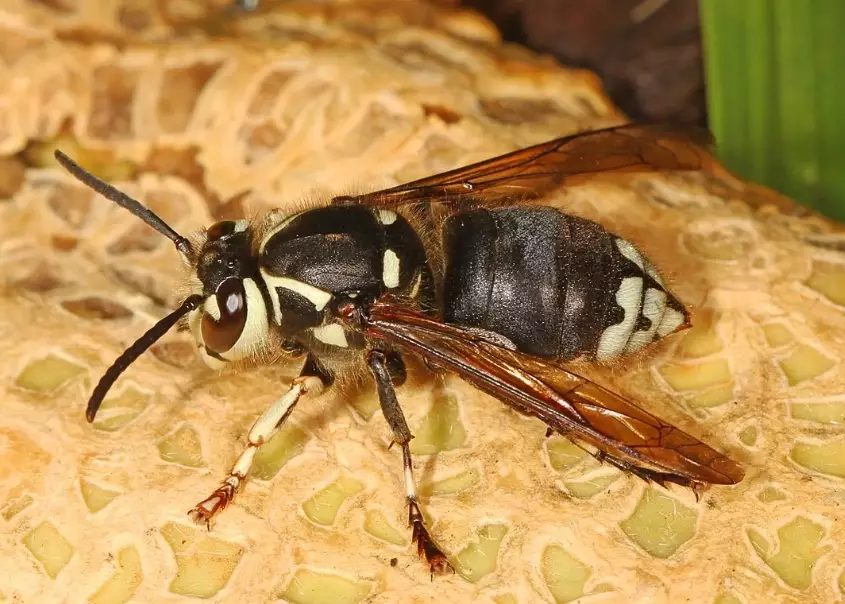
How to Get Rid of a Bald-Faced Hornet Nest Safely
This is the core of what most people are searching for. Removal strategy depends entirely on the nest's size, location, and time of year. Let's break it down with a specific scenario.
Scenario: You discover a medium-sized (soccer ball) nest under the eave of your two-story house, about 15 feet off the ground, near a bedroom window.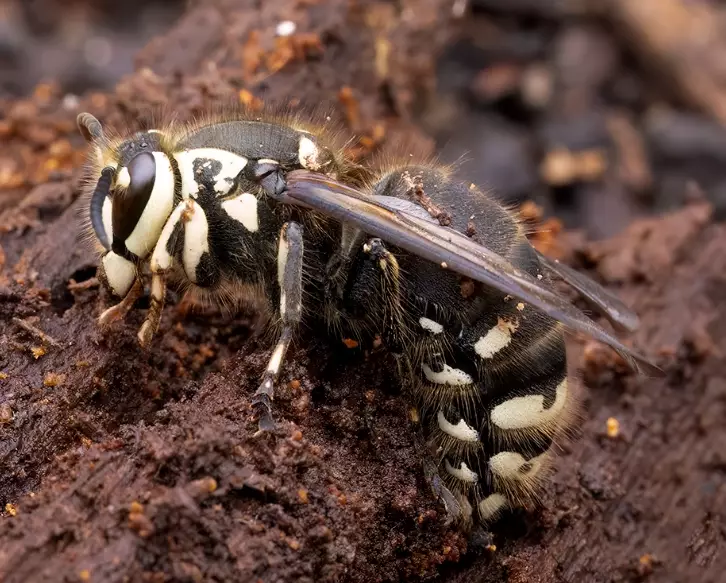
Step-by-Step Assessment & Action Plan
- Observe from a Distance: For 10-15 minutes during the day, watch the flight traffic. Is there a steady stream? This indicates a strong, active colony. Fewer insects might mean it's early or late season.
- Plan Your Attack Time: This is the expert tip most DIYers miss. Do not attempt removal during the day when all foragers are active. The best time is just after dusk or just before dawn, when all the hornets are inside the nest and are less active due to cooler temperatures. I prefer dusk because you can still see what you're doing with a headlamp (with a red filter if possible, as insects see red light poorly).
- Gear Up Like Your Life Depends on It: Because it might. This is non-negotiable.
- A bee suit or thick, light-colored coveralls sealed at wrists and ankles with duct tape.
- A sealed hat with a veiled hood.
- Thick leather gloves.
- Sturdy boots.
- Choose Your Weapon (Insecticide): You need a jet-stream or cone-spray aerosol wasp and hornet killer designed to shoot at least 20 feet. Products containing pyrethroids (like cyfluthrin or tetramethrin) work quickly. Read the label carefully.
- The Execution (At Dusk):
- Approach quietly and calmly. Avoid vibrations.
- Shake the can well. Aim the spray stream directly into the nest's entrance hole at the bottom. Soak the entrance and the surrounding area. Do this for the duration recommended on the can (usually 10-15 seconds).
- Immediately and calmly walk away. Do not run, as this can trigger a chase response. Go inside and wait at least 24 hours.
- Post-Treatment & Nest Removal: After 24-48 hours, observe the nest during the day. If there is no activity for two consecutive days, you can remove it. Knock it down into a heavy-duty garbage bag using a long pole, seal the bag, and dispose of it in an outdoor trash can. Still wear protective gear for this step.
DIY Bald-Faced Hornet Removal vs. Hiring a Professional
This decision is crucial. Getting it wrong can mean a trip to the emergency room or significant property damage. Here’s a blunt comparison to help you decide.
| Factor | DIY Removal | Professional Pest Control |
|---|---|---|
| Cost | Low ($20-$50 for insecticide & gear). | Higher ($150-$500+, depending on location/access). |
| Risk | Very High. Direct exposure to stings, potential falls from ladders, improper chemical use. | Very Low. Pros have experience, commercial-grade PPE, and insurance. |
| Best For | Small, newly established nests (softball-sized or smaller) that are easily reachable from the ground. | Any nest over 10 ft high, near structural openings, large (basketball+), or if you have allergies/aversion to risk. |
| Guarantee | None. If it fails, the colony may become more aggressive. | Most companies offer a service guarantee for re-treatment if needed. |
| Hidden Benefit | The personal satisfaction of handling it yourself. | They often identify and seal potential future entry points, preventing recurrence. |
My personal rule after a few close calls: If the nest requires a ladder taller than a standard 6-foot step ladder, or if it's attached to my house's structure, I call a pro. The cost is worth the peace of mind and safety.
Smart Strategies to Prevent Nests Around Your Property
An ounce of prevention is worth a pound of cure, especially with stinging insects. You can't stop a queen from flying through your yard, but you can make your property far less appealing for her to settle down.
- Early Spring Scouting & Knockdown: In early to mid-spring, regularly check under eaves, porch ceilings, and in sheds. A queen's starter nest is tiny—often the size of a golf ball. At this stage, you can simply knock it down with a broom at night and she will likely relocate. This is the single most effective prevention tactic.
- Reduce Attractants: Keep trash cans tightly sealed. Clean up fallen fruit from trees. Consider using wasp traps away from seating areas in early summer to catch foraging queens and workers (though traps are less effective against established colonies).
- Seal Entry Points: In late fall or winter (after colonies are dead), inspect and seal cracks, gaps, and openings in your home's siding, soffits, and roof vents with caulk or screen mesh. This prevents future queens from seeking shelter inside.
- Use Decoy Nests: This is a debated but harmless strategy. Commercial or homemade paper bag nests, which resemble rival hornet nests, can sometimes deter a queen from building nearby, as they are territorial. It's not foolproof, but it's cheap and easy to try.
Your Bald-Faced Hornet Questions, Answered
The key with bald-faced hornets is respect, not terror. By accurately identifying them, understanding their behavior, and making smart, safety-first decisions about nest removal, you can protect your home and family without unnecessary panic. When in doubt about tackling a nest yourself, the best tool in your arsenal is the phone number of a licensed pest management professional.





Comments