Finding a bed bug is bad enough. Finding their larvae is your critical early warning sign. Most people miss it. They see a tiny, pale, almost translucent speck and think it's a crumb or a piece of lint. By the time they notice the dark, blood-filled adults, the infestation is already established, and the battle gets ten times harder. Spotting and dealing with bed bug larvae—technically called nymphs—is the single most effective way to stop an infestation in its tracks. I've spent years dealing with this, and the difference between catching them early and fighting a full-blown colony is thousands of dollars and months of stress.
What You'll Find in This Guide
What Do Bed Bug Larvae Look Like? (The Key Identifiers)
Let's get the terminology straight first. "Larvae" is the common term, but entomologists call them nymphs. They're not like caterpillar larvae; they hatch from eggs looking like miniature, pale versions of the adults. This is your primary visual clue.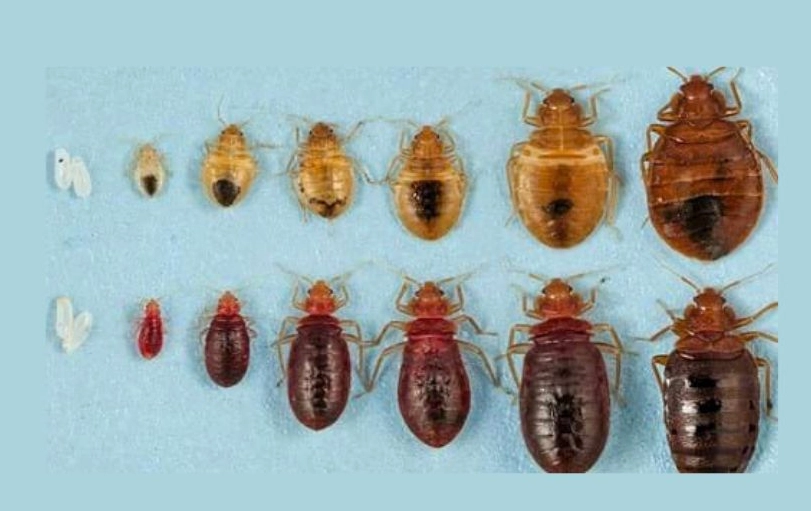
Size and Color: Why They're So Easy to Miss
A newly hatched bed bug nymph is about 1 millimeter long. That's roughly the size of a poppy seed or the tip of a ballpoint pen. It's translucent or pale yellow-white. This is the biggest trap. Against a light-colored mattress seam or sheet, they're virtually invisible. You don't see the bug itself; you might see a tiny, moving speck of nothing. After its first blood meal, the nymph's abdomen becomes a bright, reddish-brown because you can see the digested blood inside its still-translucent body. As it grows and molts through five stages, it darkens to the rusty brown of an adult, but it's always smaller.
Shape and Features: The Devil's in the Details
Get a magnifying glass or use your phone's macro camera. You'll see the same oval, flattened body as an adult, just miniature. They have six legs, antennae, and the same beak-like mouthpart (proboscis) used for feeding. They cannot fly or jump. A key detail most guides skip: before feeding, they are so flat they look like a tiny apple seed husk. After feeding, they become elongated and swollen, like a miniature red capsule.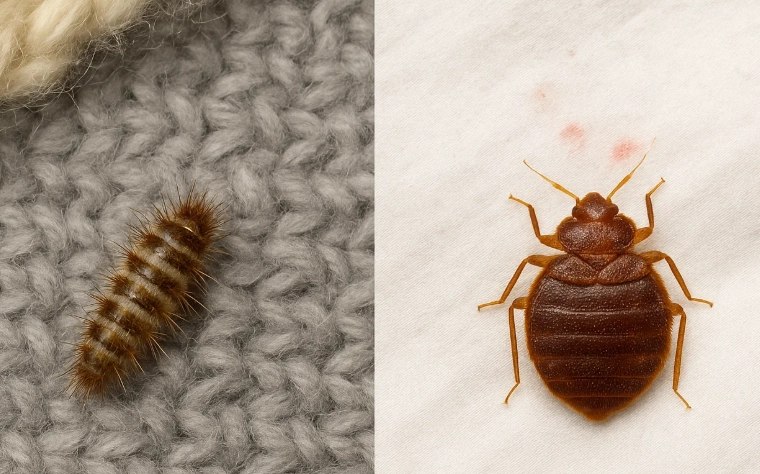
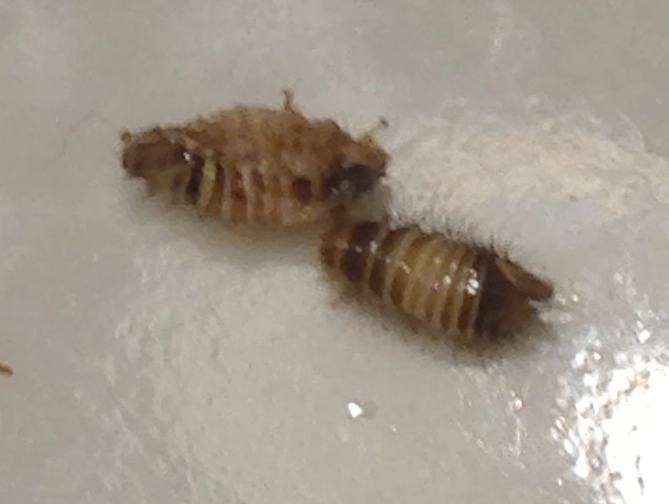
Pro Tip: The "translucent" factor is your best diagnostic tool. If you find a small brown bug, it could be a beetle or a tick nymph. But if you find a tiny, see-through or pale yellow bug that turns red after crushing it (that's your blood), you've almost certainly found a bed bug nymph.
Bed Bug Larvae vs. Adult: A Quick Comparison
| Feature | Bed Bug Larvae (Nymphs) | Adult Bed Bugs |
|---|---|---|
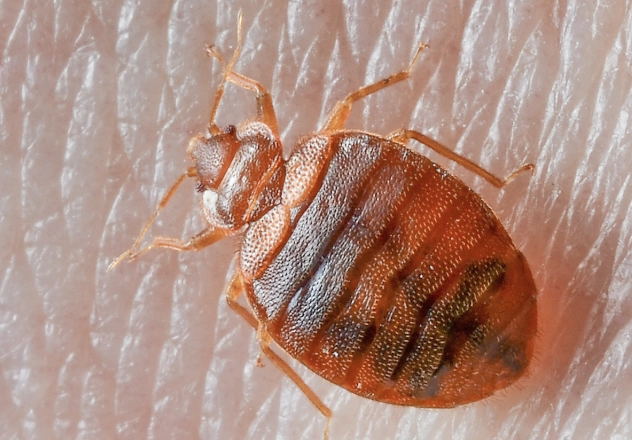
| Size | 1mm to 4.5mm (poppy seed to apple seed) | 5mm to 7mm (apple seed to lentil) |
| Color | Translucent/white → reddish-brown after feeding → gradually darkens | Uniform rusty, mahogany brown. Redder after feeding. |
| Visibility | Extremely difficult to see on light surfaces. | Easier to spot due to size and dark color. |
| What to Look For | Tiny pale specks that move. Minute blood stains (fecal spots) nearby. | Dark bugs, clusters of eggs (pearly white, ~1mm), larger fecal stains. |
Where to Find Bed Bug Larvae: Their Favorite Hiding Spots
Nymphs stick close to the food source—that's you. But they're less adventurous than adults. They lack the hard, dark exoskeleton that protects adults from drying out, so they stay in tight, protected harborage areas very near where people sleep or rest for long periods.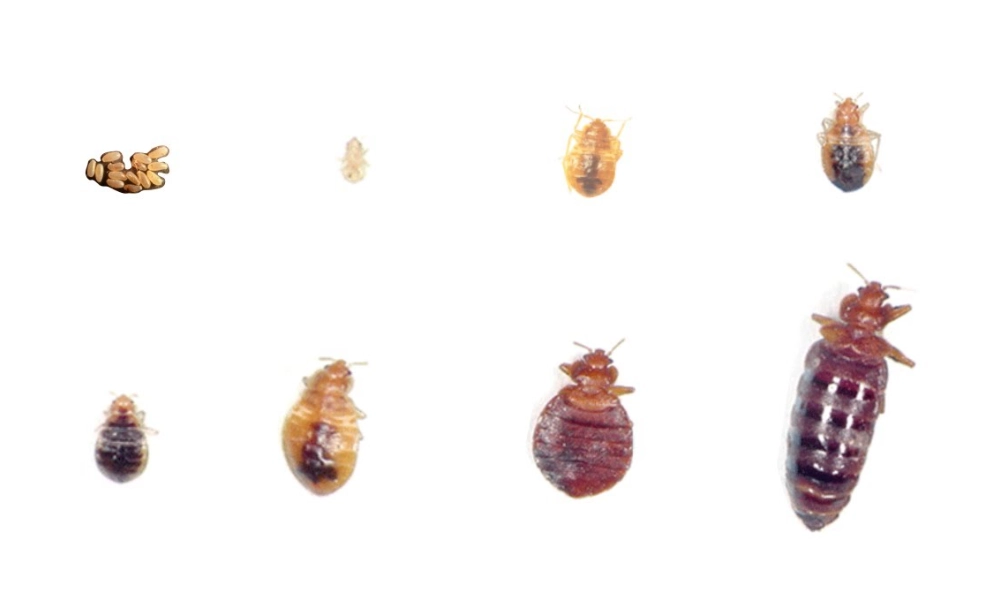
The Primary Zone (The Bed):
- Mattress Seams and Tags: Run your fingernail along every stitch line, especially the top and sides near the pillow. Peel back the fabric around the tag.
- Box Spring Interior: Turn the bed over. Examine the fabric underside (the dust cover). Tear it off if you have to. The interior wooden frame and fabric layers are a prime nursery.
- Bed Frame Joints and Screw Holes: Check where the headboard attaches, any recessed bolts, and hollow tubing.
Secondary Zones (Within 5-10 feet of the bed):
- Behind the Headboard: Lift it off the wall. You'll often find nymphs, eggs, and adults clustered here.
- In Nightstand Drawers: Not just inside, but empty them and check the underside of the drawer and the interior corners of the cabinet.
- Along Baseboards and Carpet Edges: Focus on the wall directly behind the bed and nightstands. Use a flashlight at a low angle to see shadows in the carpet fibers.
- In Electrical Outlets and Switch Plates: They love the warmth and tight space. Turn off the breaker and carefully remove the faceplate.
A Real-Life Scenario: A client swore they only had a few bugs. We found the main harborage wasn't in the bed but inside the hollow metal legs of their sofa, where dozens of nymphs were clustered. They spent hours there watching TV, providing regular meals. Always inspect where people are stationary.
How to Get Rid of Bed Bug Larvae: A Step-by-Step Action Plan
Finding nymphs means you've caught it relatively early. Your goal is to kill every nymph and egg to break the lifecycle. Adults are tough, but a nymph's softer cuticle makes it slightly more vulnerable—though don't get complacent.
Step 1: Confirm and Contain
Capture a specimen in clear tape for positive ID if needed. Immediately strip all bedding and place it directly into a sealed plastic bag for washing. Do not carry linens through the house loosely—you'll trail nymphs and eggs. Keep the infested room isolated if possible.
Step 2: The Deep Clean and Physical Removal
This is non-negotiable. You must physically remove and kill what you can.
- Vacuum Meticulously: Use a crevice tool on every seam, crack, and joint mentioned above. Vacuum the bed frame, baseboards, furniture joints. Immediately after, remove the vacuum bag or empty the canister into a sealed plastic bag and dispose of it outside.
- Steam is Your Best Friend: A high-temperature steamer (delivering steam over 130°F/54°C) will kill nymphs and eggs on contact. Slowly pass the steam head over mattress seams, fabric, and wood joints. The heat penetrates where chemicals can't. This is the most effective DIY tool.
- Wash and Heat-Dry: All bedding, clothing, and curtains from the area must go through a hot wash followed by at least 30 minutes on a high-heat dryer cycle.
Step 3: Targeted Treatment
Cleaning alone won't get the ones deep inside walls or furniture frames. You need an insecticide strategy.
- Desiccants (The Expert's Choice): Products like CimeXa (silica gel) or diatomaceous earth are powders that scratch the waxy layer of a nymph's exoskeleton, causing it to dry out and die. They have no chemical resistance. Apply a light, invisible dust in voids, behind outlet plates, and along baseboards. They remain effective for years if kept dry. This is often more effective on nymphs than many sprays.
- Insect Growth Regulators (IGRs): Products like Gentrol prevent nymphs from maturing into reproducing adults. They're often used in combination with other insecticides for a long-term knockout.
- Contact Insecticides: If using sprays, look for ones specifically labeled for bed bugs and effective against eggs. Pyrethroids are common but resistance is widespread. Always follow the label to the letter. Treat harborage areas, not broad surfaces.
Step 4: Monitor and Prevent Reinfestation
Place climb-up interceptor traps under each leg of the bed and furniture. These will trap any remaining nymphs trying to reach you to feed, confirming if your treatment worked. Keep the bed isolated from walls and bedding off the floor. Stay vigilant for 2-3 weeks, which is the egg-hatching cycle.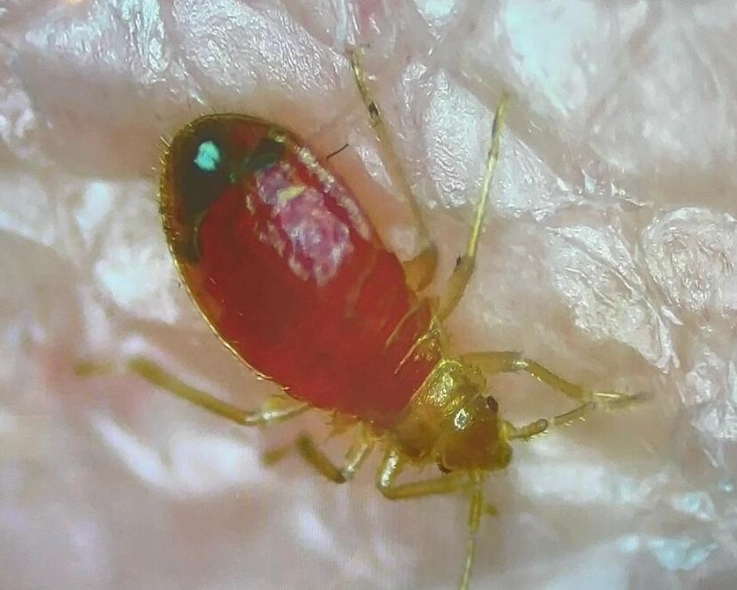
Common Mistakes When Dealing with Bed Bug Larvae
I've seen these errors set people back weeks.
- Mistake 1: Assuming "Small" Means "Harmless." Each nymph will molt five times, requiring a blood meal before each molt. That's five to seven bites per bug before it even becomes an adult. A few dozen nymphs mean hundreds of bites in your near future.
- Mistake 2: Spot-Treating Only Where You See Them. Nymphs and eggs are masters of dispersal. If you see one on the mattress, there are absolutely more in the box spring, frame, and nearby furniture. You must treat the entire environment.
- Mistake 3: Relying Solely on Bug Bombs (Foggers). Total waste of money for bed bugs. The mist doesn't penetrate the harborage areas where nymphs and eggs hide. It can actually scatter them deeper into walls, making the problem worse.
- Mistake 4: Not Preparing the Room for Treatment. Failing to declutter, remove items from drawers, or take down pictures from walls gives them endless refuges. Treatment success is 90% preparation.
Your Bed Bug Larvae Questions Answered
Can bed bug larvae live on your body or in your hair?
No, they cannot. Unlike lice or scabies, bed bug nymphs do not live on people. They are nest parasites. They hide in the environment, come out to feed for 5-10 minutes, and then retreat back to their harborages. You won't find them crawling on you during the day.
How fast do bed bug larvae grow into adults?
Under ideal conditions (regular access to a blood meal and room temperature), they can mature from egg to adult in as little as 5-6 weeks. At cooler temperatures or with infrequent feeding, it can take several months. This is why consistent, repeated monitoring is crucial—you're waiting for any missed eggs to hatch.
Do bed bug larvae bite more than adults?
They can seem to. Their mouthparts are smaller and sometimes less efficient, so a nymph might "probe" multiple times before finding a capillary, leading to a cluster of small, itchy bites. An adult's bite is typically more singular and pronounced. But both are equally capable of feeding.
I only found one tiny, pale bug. Could it be a lone larva?
It's possible but statistically unlikely. Bed bugs are excellent hitchhikers, so a single nymph could have been brought in on a bag. However, for every nymph you see, there are almost certainly more hiding, plus eggs. Assume it's an early infestation and conduct a thorough inspection immediately. Treating for a "lone bug" is far cheaper than waiting.
Are DIY methods enough to kill bed bug larvae and eggs?
For a very early, isolated infestation caught in a single piece of furniture, a rigorous combo of steam, vacuuming, desiccant dust, and encasements can work. For anything more widespread or in multi-unit housing, professional help is strongly recommended. Professionals have access to more effective tools and know where to look that most homeowners miss. The cost of a pro is often less than the repeated cost of failed DIY treatments and new furniture.
The key takeaway is this: bed bug larvae are your alarm bell. They represent the most vulnerable stage of the infestation, both for the bug and for your chances of easy eradication. Ignoring them because they're small or hard to see is the worst thing you can do. Use their distinctive appearance—tiny, pale, and translucent—as your guide. Inspect meticulously, act comprehensively with heat, physical removal, and targeted products, and monitor relentlessly. Catching them at this stage turns a potential nightmare into a manageable, if annoying, cleanup job.


Comments