You're gardening, or maybe cleaning out the garage, and you feel a sharp pinch on your arm. You look down and see a small, fuzzy spider with big, curious eyes scuttling away. Your heart skips a beat. A jumping spider bite? Your mind races with images of necrotic flesh and venomous creatures. Stop right there. Let's reset. I've kept and observed these little acrobats for years, and the story you've been told about their danger is almost entirely wrong. The truth is, a jumping spider bite is, in the vast majority of cases, a minor event less concerning than a mosquito bite. This guide will walk you through exactly what to expect, how to handle it, and why you can (and should) appreciate these spiders rather than fear them.
Quick Guide: What's Inside
- The Surprising Truth About Jumping Spider Bites
- How to Identify a Jumping Spider Bite: Symptoms & Timeline
- Immediate Treatment: Your Step-by-Step First Aid Plan
- Common Mistakes & Misconceptions You Need to Avoid
- When to Actually Worry: Signs of an Allergic Reaction
- Living Alongside Jumpers: Prevention Without Paranoia
- Your Questions, Answered by Experience
The Surprising Truth About Jumping Spider Bites
First, let's get this straight: jumping spiders are not out to get you. They are visual hunters, focused on insects. You are a giant, terrifying landscape to them. A bite is almost always a defensive reaction, not an attack. Think of it like this: you accidentally trap one against your skin while putting on a glove, and it bites because it's scared for its life.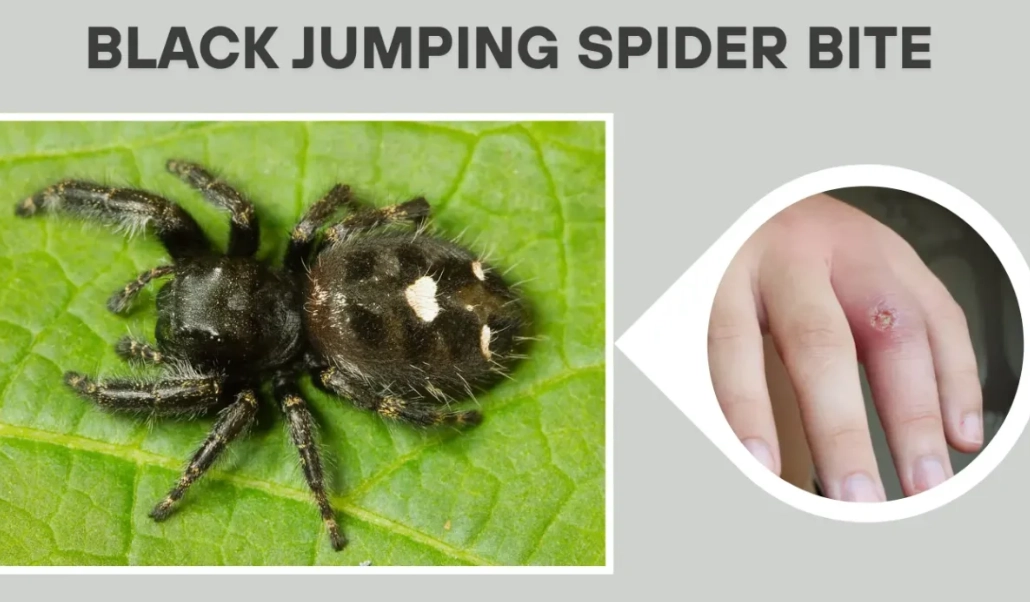
Their venom is designed for small prey like flies and crickets. According to entomological resources from institutions like the University of California's Statewide Integrated Pest Management Program, jumping spider venom is not considered medically significant to humans. It lacks the complex compounds that cause tissue death (necrosis) associated with dangerous spiders like brown recluses.
Here's a perspective most articles miss: the biggest risk from a jumping spider bite isn't the venom. It's secondary infection from bacteria under your fingernails when you scratch the itchy bite, or from improper cleaning. We'll fix that later.
How to Identify a Jumping Spider Bite: Symptoms & Timeline
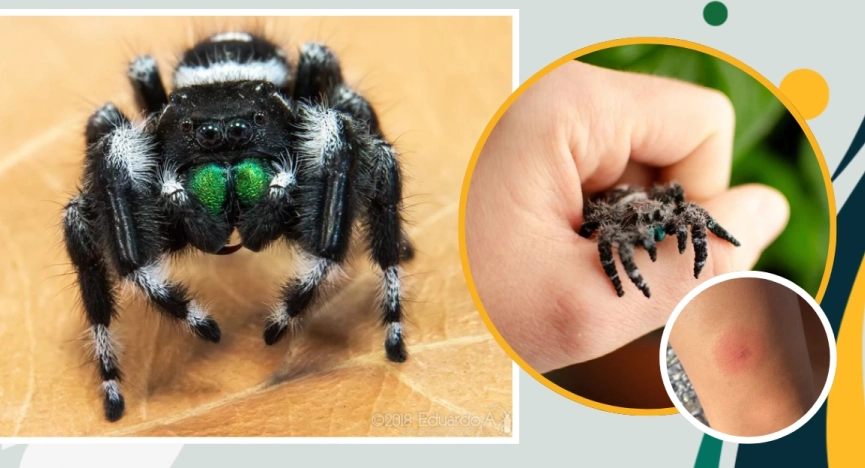
So what does a jumping spider bite look and feel like? It's pretty unremarkable, which is why it's often confused with other insect bites.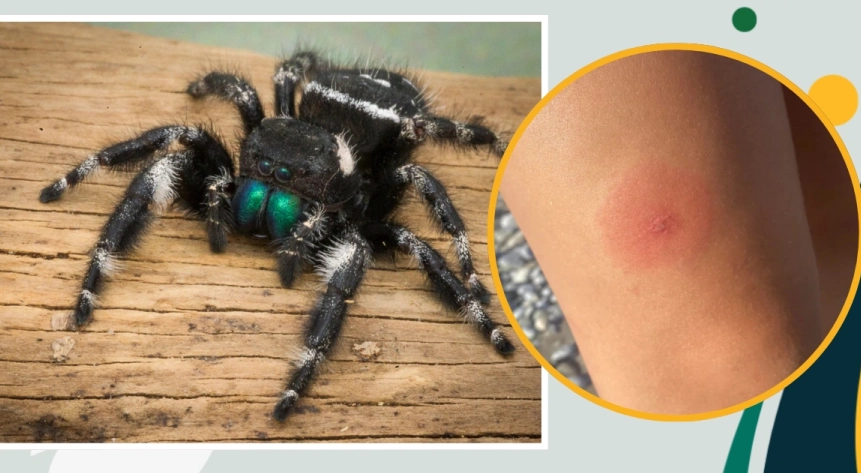
- Immediate Sensation: A sharp pinch or stinging feeling at the moment of the bite. It might surprise you more than hurt.
- Localized Reaction: Within minutes to an hour, you'll likely see a small, red bump. It might be slightly raised, similar to a pimple or chigger bite.
- Itchiness & Mild Pain: This is the most common symptom. It can be annoyingly itchy or have a mild, throbbing ache for a day or two.
- Minimal Swelling: The area around the bite may swell slightly, but it usually stays confined to a small area (less than 1-2 inches in diameter).
I've compiled a quick comparison table because context is everything. Seeing how a jumping spider bite stacks up against more serious bites helps eliminate fear.
| Bite Type | Initial Pain | Appearance (Within 24hrs) | Key Distinguishing Feature | Progression |
|---|---|---|---|---|
| Jumping Spider | Sharp pinch, mild sting | Small red bump, minor localized swelling | Intense itchiness is primary symptom | Improves after 1-3 days, no spreading |
| Mosquito | Often unnoticed | Puffy, round red bump | Very itchy, center sometimes pale | Fades in a few days |
| Bee/Wasp Sting | Immediate, sharp burning pain | White center with red halo, significant swelling | Possible stinger left behind (bee) | Pain subsides, itch may follow |
| Brown Recluse (Dangerous) | May be mild or feel like a pinch | Redness, may develop a pale "bullseye" | Pain intensifies over hours, ulcer forms | Necrotic tissue develops over days/weeks |
| Black Widow (Dangerous) | Sharp pinprick, may become dull ache | Two faint puncture marks, minor local redness | Systemic symptoms: muscle cramps, nausea, sweating | Systemic symptoms spread, local bite may look mild |
The timeline is straightforward. Day 1: Bite, redness, itch. Day 2: Itch peaks, swelling starts to go down. Day 3-4: Symptoms are fading noticeably. If your "bite" is spreading, forming ulcers, or causing symptoms away from the site, it's not a jumping spider. You need to consider other culprits and possibly see a doctor.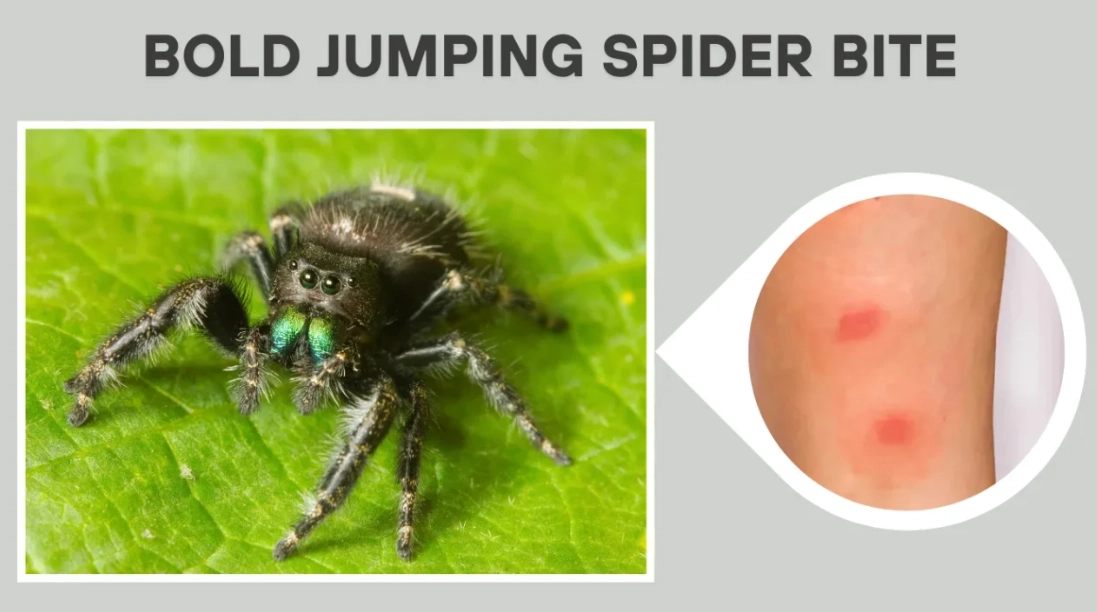
Immediate Treatment: Your Step-by-Step First Aid Plan
Okay, you've been bitten. Here's exactly what to do, in order. This isn't just generic advice; it's the sequence that minimizes discomfort and prevents that secondary infection I mentioned.
- Stay Calm and Move Away. Gently brush the spider off if it's still on you. Don't crush it—that's unnecessary. Remember, it was defending itself.
- Wash the Area Thoroughly. This is the most critical step. Use soap and warm water. Lather it up and rinse well. You're washing away any surface bacteria and traces of venom. Do this for at least 30 seconds.
- Apply a Cold Compress. Grab an ice pack wrapped in a thin cloth, or a bag of frozen peas. Apply it to the bite for 10-15 minutes at a time, with breaks in between. This reduces swelling, numbs the area, and slows the inflammatory response. Do this several times in the first few hours.
- Use an Over-the-Counter Remedy.
- For itch: An antihistamine cream (like diphenhydramine/Benadryl cream) or calamine lotion works wonders.
- For pain/swelling: Take an oral anti-inflammatory like ibuprofen (Advil) or naproxen (Aleve), following package directions.
- A hydrocortisone cream (1%) can also reduce both itch and inflammation.
- Leave it Alone. Do not scratch. I know it's hard. Scratching breaks the skin, letting bacteria in. If you must, tap or slap the area around the bite—it can confuse the nerve signals and relieve itch temporarily.
- Monitor. Keep an eye on it for the next 24-48 hours. It should start looking better, not worse.
Common Mistakes & Misconceptions You Need to Avoid
Here's where experience talks. After years in the hobby and talking to people who've been bitten, I see the same errors repeated.
Mistake #1: Assuming all small, fuzzy spiders are jumpers. Many other harmless spiders look similar to the untrained eye. You might be blaming the wrong guy. Jumpers have a distinctive, compact body, short legs, and those famous large front eyes that seem to look right at you.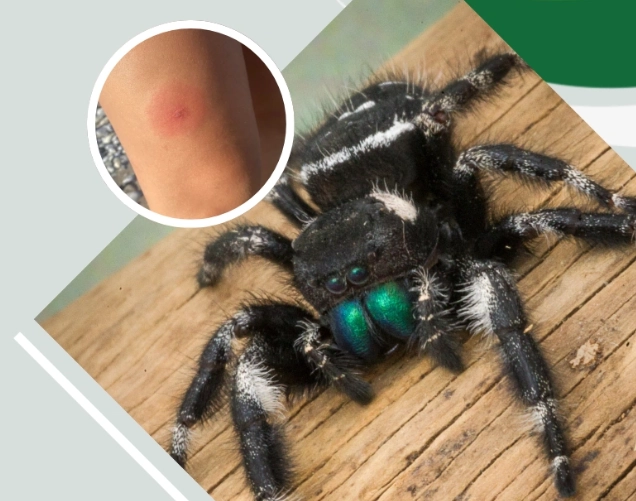
Mistake #2: Applying questionable home remedies. Do not put vinegar, bleach, or meat tenderizer on the bite. These are internet myths that can irritate your skin further. Stick to the scientifically-backed steps above.
Mistake #3: Panicking and going to the ER unnecessarily. Unless you're experiencing the systemic signs we'll discuss next, a jumping spider bite does not require emergency care. You're taking up resources and likely to be told exactly what's in this article. It's a waste of time and money.
Mistake #4: Killing every jumping spider you see out of fear. This is the saddest one. These spiders are beneficial predators that control pests like flies, moths, and even other spiders in your home and garden. They are not a threat.
When to Actually Worry: Signs of an Allergic Reaction
This is the crucial part. While the venom isn't toxic, anyone can have an allergic reaction to any insect or spider bite, just like some people react severely to bee stings. This is rare with jumpers, but you must know the signs.
- Difficulty breathing, wheezing, or tightness in the throat.
- Swelling of the lips, tongue, or face.
- Dizziness, lightheadedness, or a rapid heartbeat.
- Hives or a rash that spreads far beyond the bite site.
- Nausea, vomiting, or severe abdominal cramping.
Also, see a doctor if the bite site shows signs of a serious infection: increasing redness that spreads, pus, red streaks leading from the bite, or fever. Again, this is an infection from bacteria, not the spider's venom, and needs antibiotics.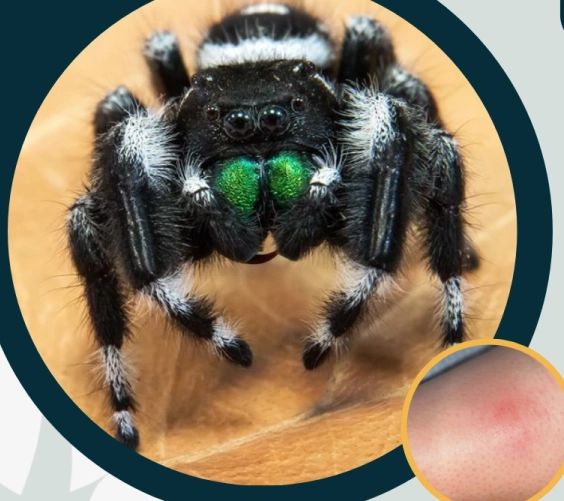
Living Alongside Jumpers: Prevention Without Paranoia
Prevention is simple because jumping spiders aren't seeking you out. To minimize the already tiny chance of a bite:
- Shake Out Gloves and Shoes: Before putting on gardening gloves, boots, or shoes that have been sitting in the garage or shed, give them a good shake. Spiders like dark, enclosed spaces.
- Be Mindful When Moving Debris: When moving piles of wood, rocks, or old boxes outdoors, wear gloves. You're disturbing their habitat.
- Use a Glass and Paper: If one is indoors and you want it out, use the classic catch-and-release method. Place a glass over it, slide a stiff piece of paper underneath, and carry it outside. It's humane and effective.
- Appreciate Them: Honestly, jumping spiders are some of the most fascinating creatures. Watch one for a minute. They turn their heads to look at you, plan their jumps, and are incredibly curious. Changing your mindset from "kill it" to "observe it" removes all the fear.
Your Questions, Answered by Experience
Can a jumping spider bite cause a scar?
It's extremely unlikely from the bite itself. The puncture is tiny and superficial. The only way a scar could form is if you scratched the bite so aggressively that you caused significant damage to your own skin, which then healed poorly. Proper treatment to avoid scratching prevents this.
My bite has two tiny red dots. Is that the fang marks?
Possibly, but don't rely on that to identify the spider. Many insect bites can cause twin marks due to the structure of their mouthparts. More importantly, the presence or absence of two dots doesn't indicate danger. Focus on the overall symptom progression from the table above, not just the initial mark.
Are jumping spiders poisonous to dogs or cats?
The same logic applies. Their venom is not considered medically significant to pets. A curious pet might get a nip on the nose if they bother one, leading to minor local irritation. The bigger risk to pets is from insecticides used to kill spiders, not the spiders themselves. If your pet is excessively pawing at its face or seems in distress after an encounter, consult your vet, but blame the interaction, not assumed toxicity.
I have a jumping spider bite that's still itchy after a week. What's wrong?
Some people have more sensitive skin or a slightly heightened immune response. Persistent itch for 7-10 days, while annoying, isn't uncommon if the initial inflammation was more pronounced. Continue using anti-itch cream. However, if the area is growing, becoming more painful, or looks infected (pus, hot to the touch), it's time to see a doctor to rule out a bacterial infection or a misidentified bite.
How can I tell the difference between a jumping spider and a dangerous spider?
Jumping spiders are daytime hunters, often seen moving in quick, jerky hops. They have a compact, "chunky" body, relatively short legs, and those prominent front eyes that give them almost mammal-like expressions. Compare that to a brown recluse, which is a uniform color with long, slender legs and a distinctive dark violin shape on its back, or a black widow with its shiny black, round abdomen and red hourglass. Habitat matters too—jumpers are found everywhere, often in sunny spots, while recluses prefer dark, undisturbed clutter. When in doubt, take a clear photo (from a safe distance) and use a reputable insect identification app or contact a local university extension service.

Comments