You wake up with a cluster of itchy, red welts. Your mind races—is it bed bugs, fleas, or something else? This moment of panic is incredibly common. I've been in the pest management field for over a decade, and the confusion between bed bug bites and flea bites is one of the top concerns I hear. The truth is, while both are a nuisance from parasitic insects, telling them apart is your first and most critical step toward a solution. Misidentifying the culprit can lead to weeks of ineffective treatment and unnecessary stress. Let's cut through the confusion.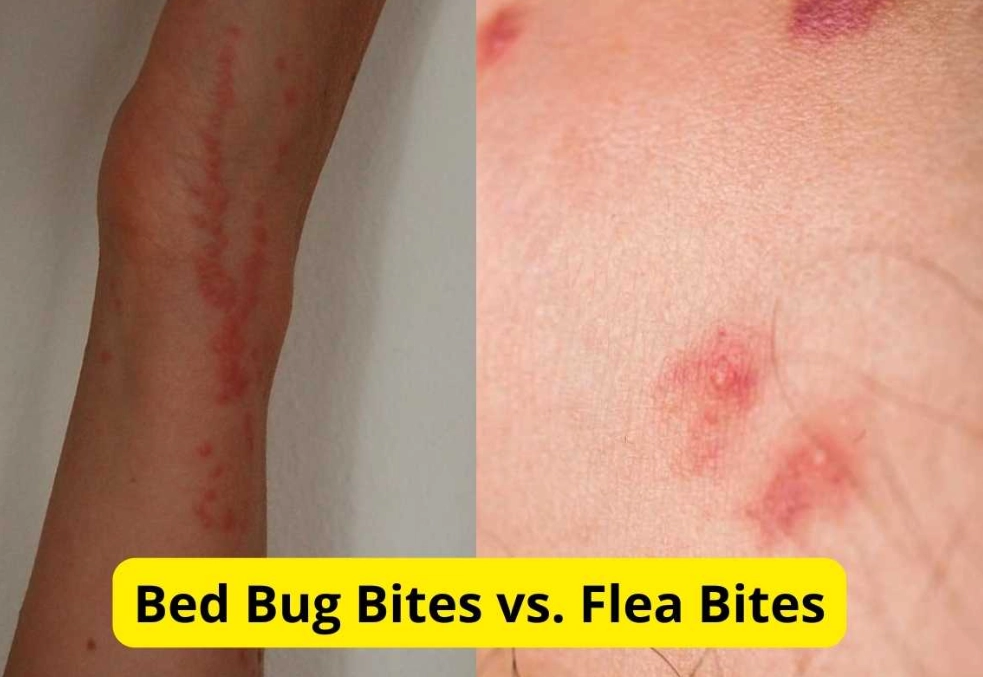
What's Inside This Guide
How to Tell Bed Bug Bites from Flea Bites: A Visual Guide
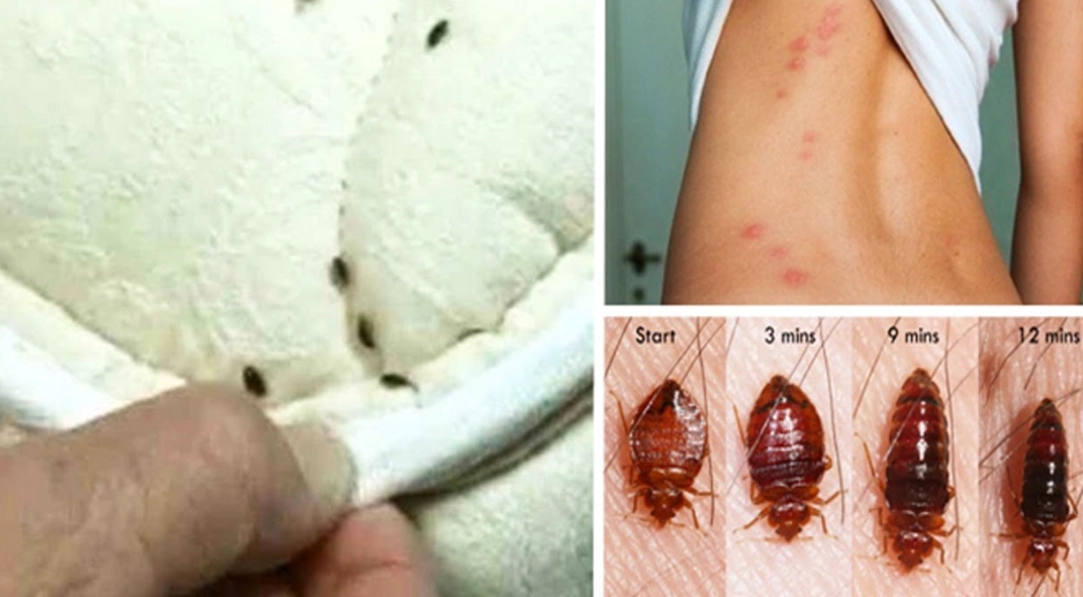
Looking at the bites alone isn't a perfect science—individual reactions vary wildly. Some people have no reaction at all, while others develop large, painful welts. But by combining bite patterns with other evidence, you can get a solid answer.
Here’s a breakdown I use with clients to pinpoint the source.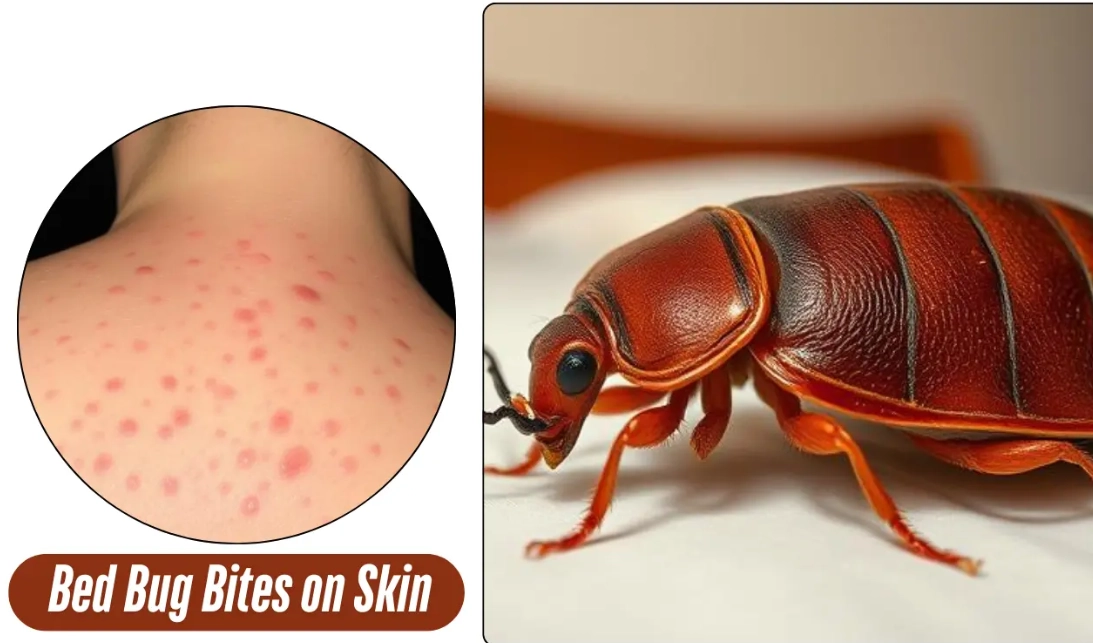
| Feature | Bed Bug Bites | Flea Bites |
|---|---|---|
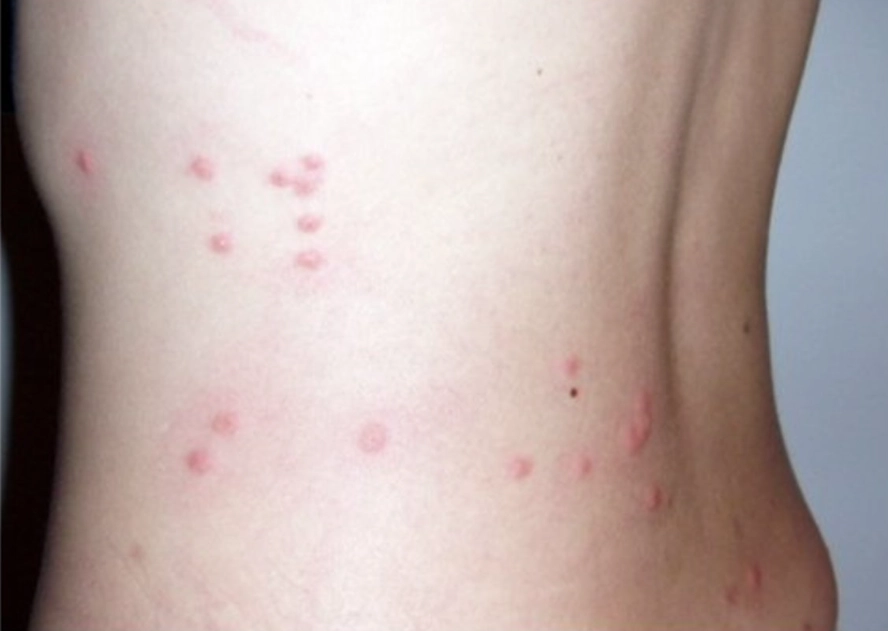
| Typical Pattern | Often appear in a line, cluster, or zigzag ("breakfast, lunch, and dinner"). | Often appear in small clusters or a straight line, commonly around ankles/legs. |
| Common Locations | Areas exposed while sleeping: face, neck, arms, hands, back. | Lower body: ankles, feet, legs. Can be on waist, armpits if fleas are on clothing. |
| Bite Appearance | Raised, flat, or slightly swollen red bumps, often with a darker red center. | Small red bumps surrounded by a reddish "halo." May have a central puncture point. |
| Itch & Timing | Itchiness can be delayed, appearing hours or days after the bite. | Intense itching usually begins almost immediately. |
| Key Non-Bite Evidence | Tiny rust-colored stains on sheets (crushed bugs), black fecal spots, shed skins, a sweet musty odor in severe cases. | Seeing small, fast-jumping insects on pets, carpets, or your socks. "Flea dirt" (black specks that turn red when wet) on pet bedding. |
One subtle mistake I see all the time: people assume a "line" of bites guarantees bed bugs. Fleas can also bite in a line as they move. The location is a bigger clue. If the bites are primarily from the waist down, think fleas first. If they're on your upper body and you found strange spots on your pillowcase, the evidence tilts heavily toward bed bugs.
Beyond the Bites: The Environmental Hunt
You need to become a detective. For bed bugs, grab a flashlight and a credit card. Check the seams, tags, and piping of your mattress and box spring. Look behind headboards, inside nightstand drawers, and along baseboards. Those tiny black fecal spots are a dead giveaway.
For fleas, put on white socks and walk slowly around carpeted areas, especially where pets sleep. Then, check the socks. You might see tiny dark specks or even the fleas themselves. Run a fine-toothed flea comb through your pet's fur over a white paper towel. The "flea dirt" that falls out will leave reddish streaks when wet—that's digested blood.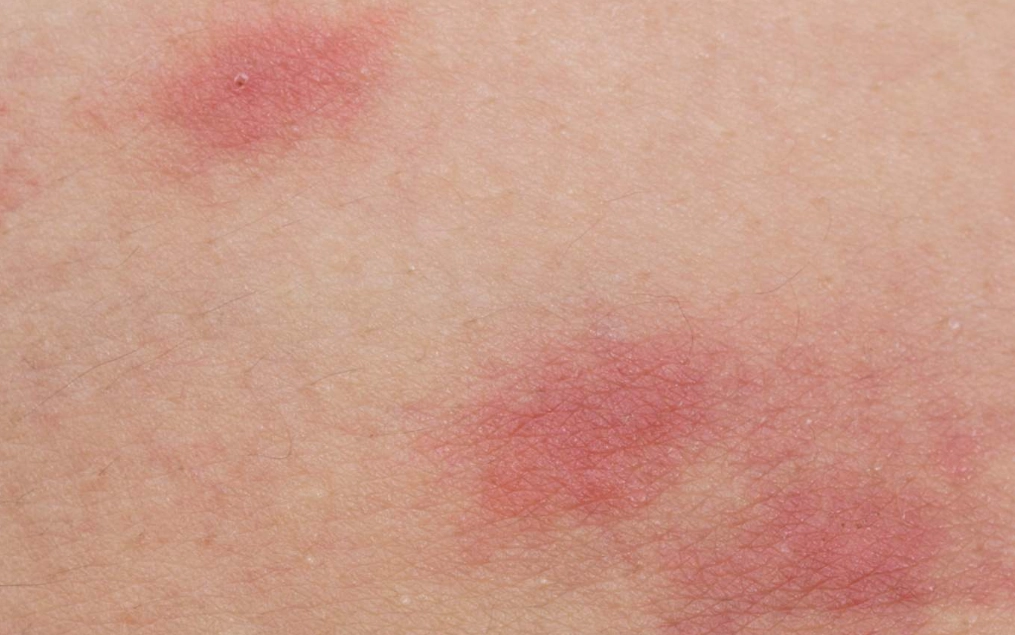
How to Treat Bed Bug and Flea Bites for Fast Relief
The treatment for the bites themselves is similar, regardless of the pest. The goal is to stop the itch, prevent infection, and reduce inflammation. The real difference in strategy lies in treating the source, which we'll get to next.
Step 1: Don't Scratch. I know it's easier said than done, but scratching breaks the skin and opens the door for bacterial infections like impetigo or cellulitis. Keep nails short and clean.
Step 2: Initial Wash and Soothing. Wash the bites gently with soap and cool water. Apply a cool compress for 10-15 minutes to reduce swelling and numb the itch.
Step 3: Choose Your Topical Treatment.
Over-the-counter hydrocortisone cream (1%) is the gold standard for reducing inflammation and itch. Apply a thin layer up to 3-4 times a day.
Calamine lotion or menthol-based gels provide a cooling sensation that can distract from the itch.
Oral antihistamines like cetirizine (Zyrtec) or loratadine (Claritin) can help control the body's allergic response, especially if bites are widespread or you're having trouble sleeping due to itching.
A home remedy that often works: A paste made from baking soda and a little water. Apply it, let it dry, and rinse off. It can help neutralize the pH and soothe the skin.
If bites show signs of infection—increasing redness, warmth, swelling, pus, or red streaks—see a doctor immediately. You may need prescription antibiotics.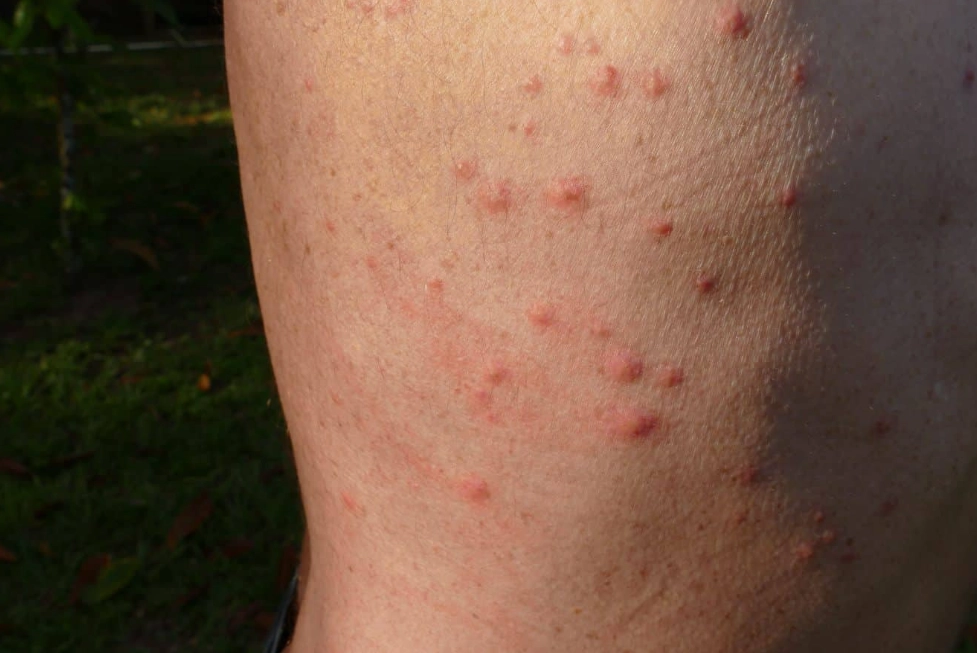
Treating the Infestation: Two Different Battles
This is where people waste the most time and money by using the wrong approach.
For Fleas: You must treat the pet, the home, and the yard simultaneously. A single missed step means they'll bounce back. Use a veterinarian-recommended flea treatment on your pet (topical or oral). Wash all pet bedding and soft furnishings in hot water. Vacuum carpets, rugs, and upholstery thoroughly, and immediately dispose of the vacuum bag or canister contents in a sealed bag outside. The Environmental Protection Agency (EPA) registers insect growth regulators (IGRs) that are highly effective in breaking the flea life cycle; these are often found in household foggers or sprays.
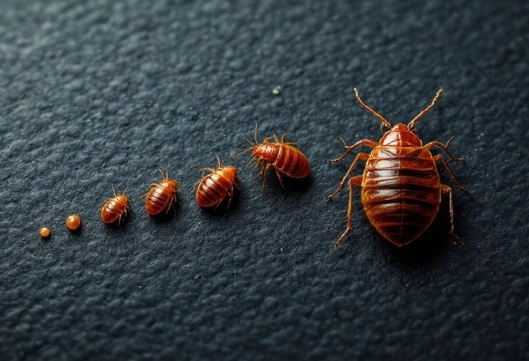
For Bed Bugs: This is almost always a job for a professional. DIY sprays from the store rarely penetrate deep enough into harborages. Professionals use a combination of methods: targeted chemical applications, whole-room heat treatments (which kill all life stages in a day), and steam. A critical, often overlooked step is preparation—clutter removal and laundering all fabrics is essential for treatment success. The Centers for Disease Control and Prevention (CDC) also notes that simply discarding infested furniture can spread bed bugs to other areas of your building if not done carefully.
Your Prevention Strategy: Stopping an Infestation Before It Starts
Prevention is far cheaper and less traumatic than eradication.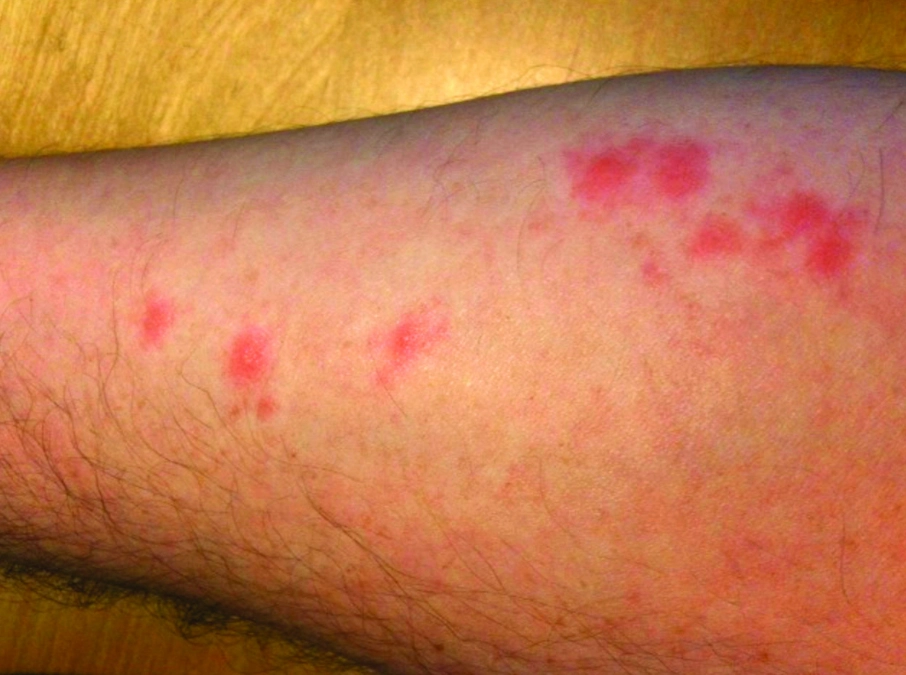
To Prevent Fleas:
- Keep your pets on a year-round preventative medication, even if they are indoor-only.
- Vacuum high-traffic areas and pet zones at least once a week.
- Regularly wash pet bedding.
- Keep your yard trimmed and avoid overgrown areas where wildlife (common flea carriers) might nest.
To Prevent Bed Bugs:
Bed bugs are hitchhikers. They don't care about cleanliness; they care about access to blood.
- When traveling, inspect the hotel room before unpacking. Check the mattress seams, headboard, and behind pictures. Keep your luggage on a luggage rack or in the bathroom, not on the bed or floor.
- Upon returning home, unpack directly into the washing machine and dry all clothing on high heat for at least 30 minutes. The dryer's heat is lethal.
- Consider protective, bed bug-proof encasements for your mattress and box spring. They trap any existing bugs inside and prevent new ones from establishing harborages.
- Be cautious with secondhand furniture. Inspect it meticulously before bringing it indoors.
I think the biggest misconception is that these pests are a sign of a dirty home. It's just not true. They are equal-opportunity invaders. The stigma makes people hesitant to seek help, allowing the problem to grow.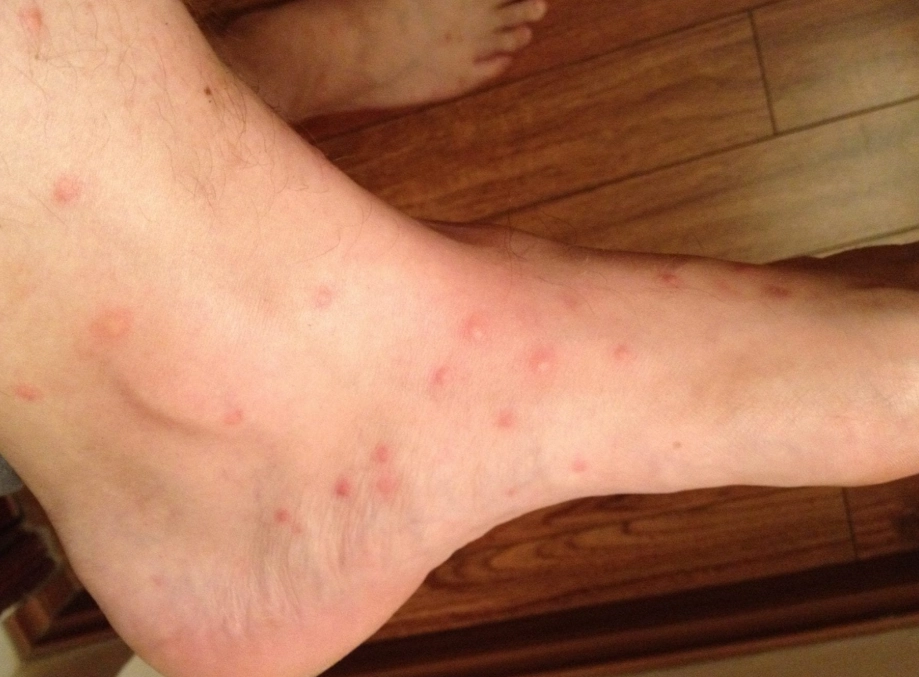
Expert Answers to Your Burning Questions
 If I don't have pets, can I still get fleas?
Comments