That faint scratching in the wall at 2 AM isn't your imagination. The tiny, dark droppings behind the microwave aren't spilled pepper. You have mice. It's a gut-sinking feeling, a violation of your personal space that brings equal parts disgust and anxiety. I've dealt with it in an old apartment, and later, in my own home. The internet is full of generic advice, but most of it misses the nuanced, strategic approach that actually works. This guide cuts through the noise. We'll cover how to confirm you have mice, the non-negotiable steps to keep them out, and the smartest ways to get rid of them for good.
What You'll Find in This Guide
First, Confirm It's Really Mice
Before you declare war, make sure your enemy is correctly identified. Mice leave a distinct set of calling cards. Squirrels or rats need different tactics.
The Top Signs You Have a Mouse Infestation
Look for these clues. You usually find a combination, not just one.
- Droppings: This is the most common sign. Mouse droppings are small (1/8 to 1/4 inch), dark, and shaped like grains of rice with pointed ends. Fresh ones are dark and soft; old ones become gray and crumbly. You'll find them along walls, in cupboards, under sinks, and near food sources.
- Sounds: Listen for scratching, gnawing, or scurrying noises inside walls, ceilings, or under floors, especially at night when they're most active. It's often a light, rapid pitter-patter, not a heavy thump.
- Gnaw Marks: Mice need to constantly chew to keep their incisors from overgrowing. Look for small, rough holes in food packaging, cardboard boxes, wood, plastic, and even wiring (a major fire hazard). Fresh gnaw marks are light-colored; older ones darken.
- Grease Marks: Mice have oily fur. As they repeatedly travel along baseboards and through holes, they leave dark, greasy smudges.
- Nests: Mice shred soft materials like paper, insulation, fabric, and dried plant matter to build nests. These are often hidden in secluded areas like behind appliances, in attic insulation, or inside stored boxes.
- The Actual Mouse: Seeing one mouse during the day often means the population is high enough that some are forced to forage outside normal nocturnal hours.
Mouse vs. Roach Droppings: People often confuse them. Roach droppings are smaller, have blunt ends, and may have ridges. They're also more likely to be found in high-moisture areas like bathrooms. Mouse droppings are consistently rice-shaped and found along runways.
Why a Few Mice Are a Big Problem
It's easy to think "it's just one little mouse." That's a dangerous underestimation. A single pregnant female can have 5-10 litters per year, with 5-6 pups per litter. The math is terrifying. Beyond the ick factor, they pose real risks.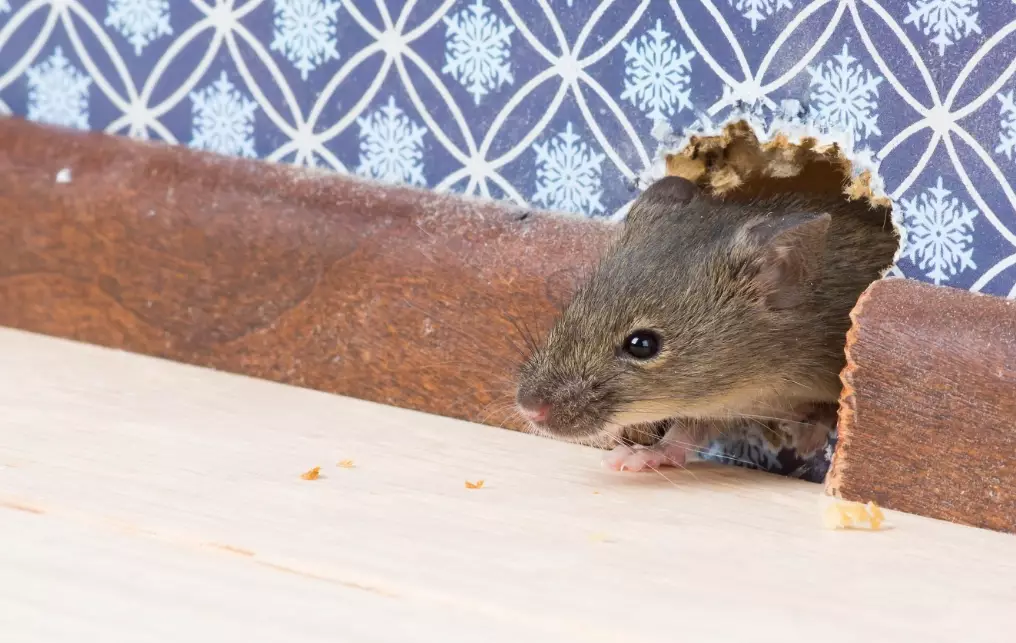
Health Risks: Mice can contaminate food and surfaces with their urine, droppings, and saliva, spreading bacteria like Salmonella. They can also carry parasites like mites and ticks. Hantavirus, while rare, is a serious respiratory disease associated with inhaling dust contaminated with mouse droppings (primarily from deer mice, but caution is universal).
Property Damage: Their constant gnawing is destructive. I've seen them shred important documents, ruin sentimental items in storage, and, most dangerously, chew through electrical wiring. The National Fire Protection Association notes that rodents are a documented cause of electrical fires.
Psychological Toll: Don't underestimate this. The feeling of your home being invaded, the anxiety of hearing noises at night, and the constant vigilance wear you down. Solving the problem brings immense peace of mind.
How to Stop Mice From Getting In: The Exclusion Method
Killing or trapping mice without sealing their entry points is a futile, endless game. Think of it as bailing water out of a leaking boat. Exclusion is the most important and most often skipped step. You have to find and seal the holes.
Where to Look for Entry Points
Mice can squeeze through a hole the size of a dime (about 1/4 inch). Go outside with a flashlight and inspect your foundation. Look for gaps where utility pipes (gas, water, cable) enter the house. Check under doors, around window frames, and where the siding meets the foundation. Vents for dryers and crawl spaces are common entryways if not properly screened.
Inside, check under kitchen and bathroom sinks, around pipes under the vanity, and in the basement or crawl space along the top of the foundation wall.
What to Use to Seal Holes (And What to Avoid)
Not all materials work. Mice can chew through almost anything soft.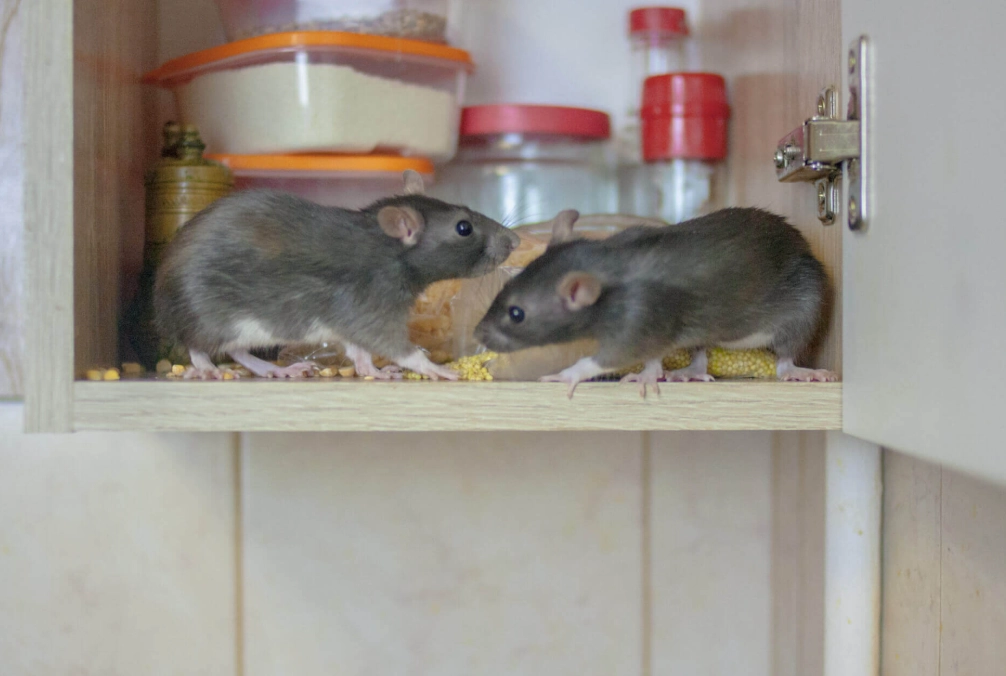
- Copper Mesh (Stuf-Fit) or Heavy-Gauge Steel Wool: This is your first line of defense. Pack it tightly into the hole. The metal fibers are too hard for them to chew through. Critical tip: You MUST then seal over it with a permanent material. On its own, they can sometimes pull it out.
- Hardware Cloth (1/4 inch mesh): Excellent for covering larger openings like vents or crawl space accesses. Secure it firmly with screws or heavy-duty staples.
- Sealants: Use a high-quality silicone caulk or, even better, a specialty pest-block expanding foam like "Great Stuff Pestblock" over the packed copper mesh for small gaps. For larger gaps in foundations, use a mortar mix or hydraulic cement.
The Big Mistake: Using spray foam or caulk alone. Mice will gnaw right through it in a night. I made this error the first time. I filled a hole with great, yellow expanding foam, feeling accomplished. Two days later, it was a hollowed-out tunnel with fresh droppings inside. Always use a physical barrier (copper mesh/steel wool) first, then seal.
How to Get Rid of Mice Already Inside
Once you've sealed the major exterior holes (do this first to prevent more from coming in), it's time to deal with the current residents. Your goal is to be effective and strategic, not just to place traps randomly.
Choosing and Baiting Traps
Snap traps are still the gold standard for immediate control. Glue traps are inhumane and can cause prolonged suffering; poison baits pose risks to pets, children, and wildlife, and can lead to mice dying in walls, causing odor problems.
Baiting Strategy: Forget the cartoon image of cheese. Better baits are peanut butter, chocolate hazelnut spread, or a small piece of sticky fruit like raisin or date. Secure a tiny amount so the mouse has to work the trigger mechanism to get it.
Placement is Everything: Mice are neophobic (afraid of new objects) and travel along walls, using their whiskers for guidance. Don't just put a trap in the middle of the floor. Set traps perpendicular to the wall, with the trigger end facing the baseboard. Place them in areas where you've seen droppings or grease marks. Use multiple traps—at least 4-6 for a suspected small infestation.
The Two-Phase Trapping Plan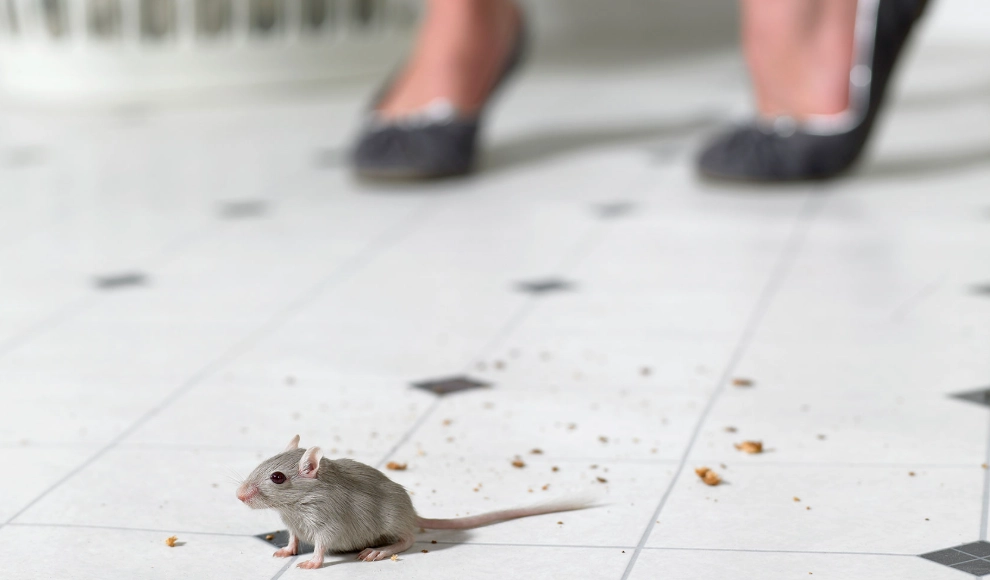
Here's a method I developed that increases success rates dramatically.
Phase 1: The Pre-Bait (2-3 nights). Set traps but do not set the trigger. Bait them with your chosen food. This lets the mice get used to the traps as a safe food source. You'll see the bait get eaten.
Phase 2: The Strike (Next night). Now, re-bait and set all the triggers. The mice's guard is down, and you'll catch multiple mice quickly. Check traps daily. Wear gloves when handling dead mice or traps.
Keep trapping for at least a week after you catch the last mouse. If you go a full week with no catches and no new signs, you've likely solved the immediate problem.
Your Mouse Control Questions Answered
How do I know if the mice are gone for good?
You need evidence of absence, not just absence of evidence. After your trapping phase, monitor for two full weeks. No new droppings, no gnawing sounds, no bait taken from unset traps, and no sightings. The most reliable sign is a sustained period with multiple set traps remaining completely undisturbed. If you sealed entry points well, a clean two-week period is a very good sign.
What's the one spot everyone forgets to check for entry holes?
Under the lip of the garage door. The weather stripping often gets worn or torn, leaving a gap along the entire width of the door. Mice run right under it. Get on your hands and knees and look for light coming through. Also, the gap where the garage door frame meets the concrete slab often cracks and gets ignored.
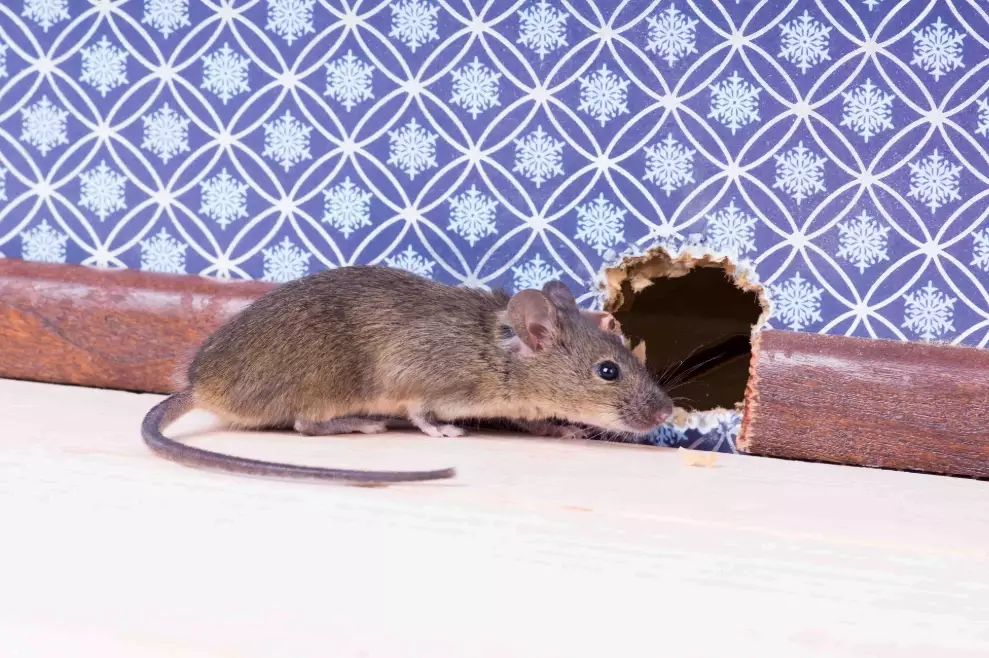 I keep my kitchen clean. Why do I still have mice?
Mice need very little food to survive. A few crumbs under the toaster, pet food left out overnight, or even the residual grease on a stove vent are feasts for them. They also seek water—a dripping pipe under the sink or a pet's water bowl provides it. Cleanliness helps, but it's not a forcefield. They are primarily seeking shelter and warmth. Your house is a perfect, safe habitat regardless of a few crumbs.
Are ultrasonic repellent devices effective?
The scientific consensus, including studies from universities like the University of Nebraska-Lincoln, is that these devices are not reliably effective. Mice may initially avoid the area, but they quickly habituate to the sound. They also don't penetrate walls or furniture well. I've never met a professional exterminator who recommends them as a standalone solution. Your money is better spent on sealant materials and quality traps.
 What should I do if I find a nest with baby mice?
This is a tough situation. The most humane and practical course is to dispose of the entire nest quickly. It sounds harsh, but the babies cannot survive without their mother, and leaving them will lead to suffering and death. Wear gloves, place the nest in a sealed plastic bag, and put it in the outdoor trash. Thoroughly clean and disinfect the area afterward.
When is it time to call a professional exterminator?
If you've diligently tried the exclusion and trapping methods for 2-3 weeks and signs (droppings, noises) persist or increase, you likely have a larger or more entrenched infestation. Also, call a pro if the activity is in hard-to-reach areas like deep inside walls or ductwork, or if you're simply uncomfortable dealing with it yourself. A good pro will do a thorough inspection, identify all entry points, and use a combination of sealing and targeted bait stations (which are safer than consumer versions).


Comments