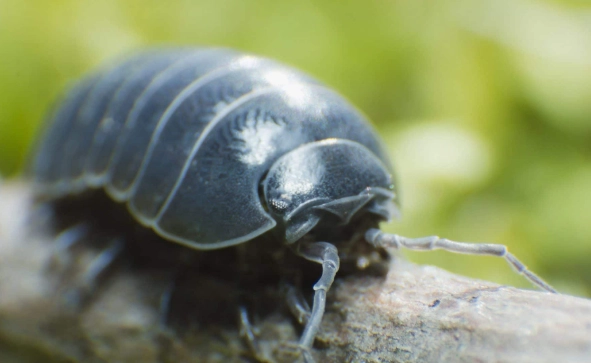
If you've ever lifted a damp flowerpot or turned over a log, you've seen them—those little grey, segmented critters that curl into a perfect ball when you touch them. Pill bugs, also called roly-polies or woodlice. Most of us assume they're just harmless bugs munching on dirt. But ask any gardener who's found their young seedlings chewed down to nubs, and you'll get a different story. So, what's the real deal? What do pill bugs actually eat?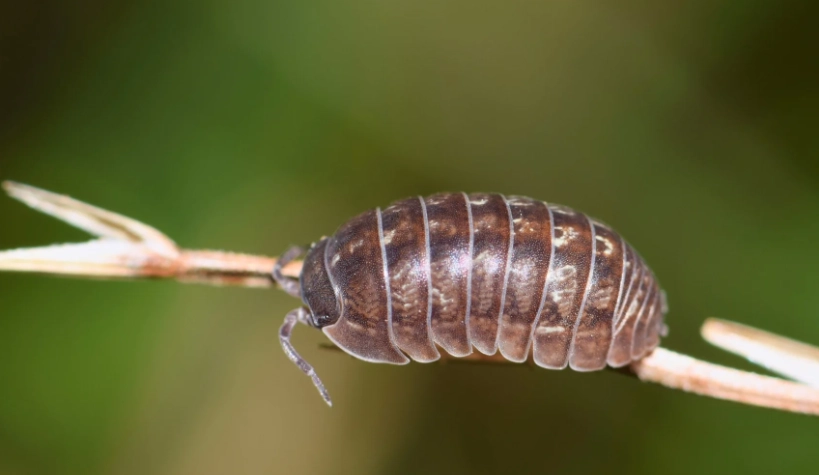
Let's cut straight to it: Pill bugs are primarily detritivores. Their main job in nature is to consume decaying organic matter. Think rotting leaves, dead wood, and fallen fruit. They're the cleanup crew, breaking down waste and returning nutrients to the soil. However—and this is a big however—when their preferred food is scarce, or conditions are just right (or wrong, from our perspective), they won't hesitate to sample tender, living plant material. Understanding this dual nature is the key to managing them in your garden, whether you see them as pests or partners.
Quick Guide to Pill Bug Diets
What Exactly Are Pill Bugs?
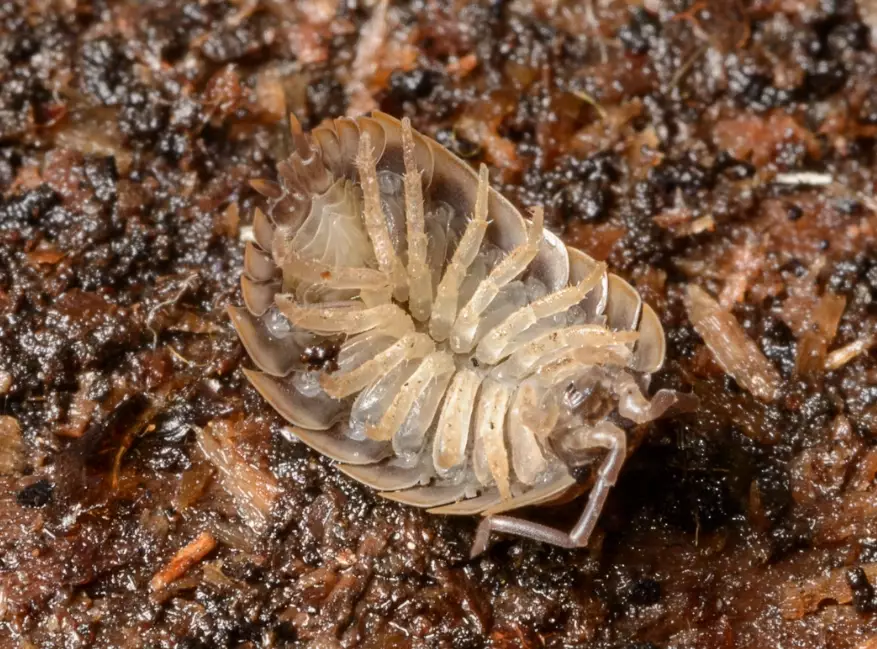
First, a quick correction we need to get out of the way. Pill bugs aren't insects. They're terrestrial crustaceans, more closely related to shrimp and crabs than to beetles or ants. This is why they need moist environments—they breathe through gill-like structures. That detail matters because it explains their habitat and, indirectly, their diet. They stick to damp, hidden places rich in the decaying stuff they love.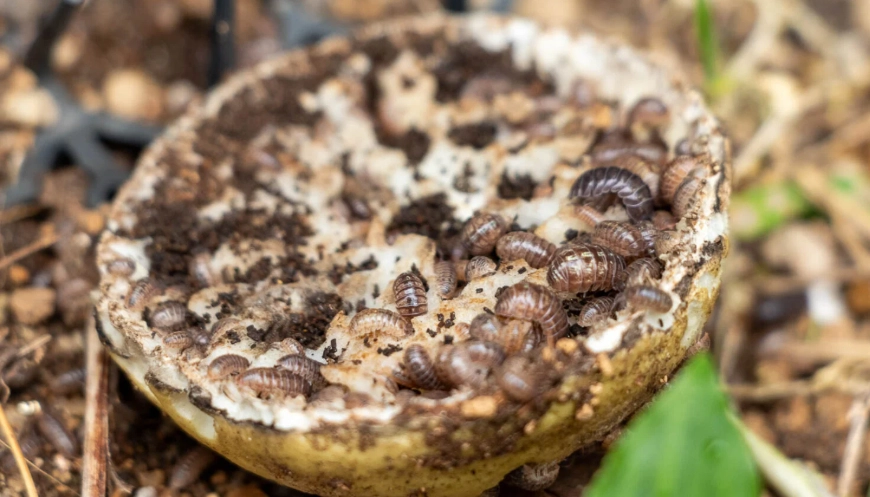
Their Primary Diet: The Decomposer's Menu
In a balanced ecosystem, pill bugs are beneficial. They're nature's recyclers. Here’s a breakdown of what makes up their ideal meal plan:
The Staples (What They Prefer)
Decaying Plant Matter: This is their bread and butter. Fallen leaves, grass clippings, dead stems, and rotting wood. They have a particular fondness for cellulose, which they break down with the help of microbes in their gut. A pile of last autumn's leaves is a five-star restaurant for them.
Fungi and Mold: They actively seek out and consume fungi growing on dead wood and damp soil. This includes mildew and various molds. In my own compost bin, I've watched them congregate on patches of white mold on watermelon rinds.
Dead Animals: It's not pretty, but they will consume the soft tissues of dead insects, snails, and other small creatures. This is a crucial cleanup service.
The Occasional Treats (When Staples Are Low)
This is where they get into trouble with gardeners. When populations are high, moisture is abundant, and decaying material is limited, they expand their menu.
Tender Seedlings: Newly sprouted beans, squash, cucumbers, and lettuces are especially vulnerable. The stems are soft and succulent. They often eat the stem right at soil level, toppling the plant.
Soft Fruits and Vegetables: Strawberries, melons, cucumbers, and tomatoes touching damp soil can be nibbled. They create small, shallow pits on the surface.
Root Hairs and Fine Roots: While not major root feeders like some grubs, they can damage the delicate root systems of young plants in search of moisture.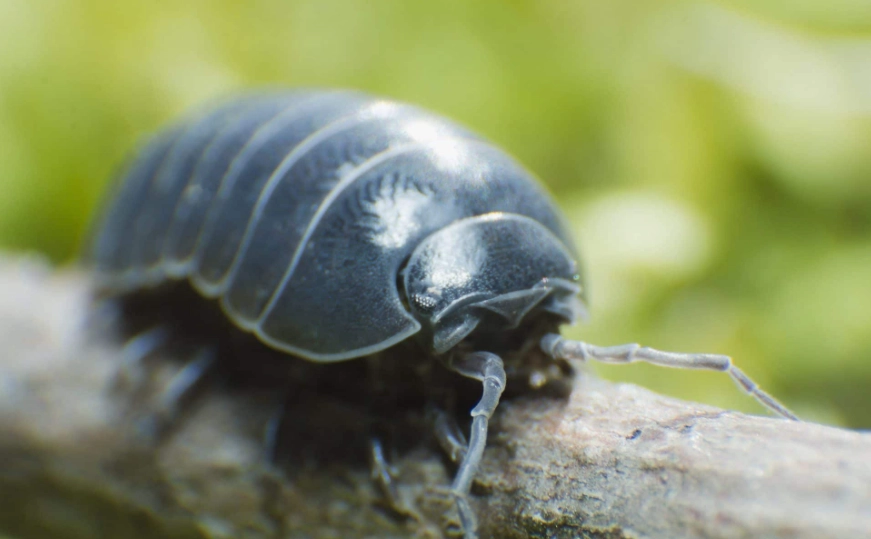
| Food Type | How Often They Eat It | Garden Impact |
|---|---|---|
| Decaying Leaves/Wood | Constantly (Primary Food) | Very Positive (Composting) |
| Fungi & Mold | Very Often | Positive (Disease Control) |
| Dead Insects/Snails | When Available | Positive (Cleanup) |
| Tender Seedlings | Occasionally (When Crowded/Damp) | Negative (Can Destroy Plants) |
| Soft Fruits on Ground | Occasionally | Mildly Negative (Cosmetic Damage) |
Pill Bugs in Your Garden: Friend or Foe?
The answer is: It depends entirely on context. Labeling them universally as "good" or "bad" is a mistake. I've seen gardens where they're never a problem and others where they wreak havoc. The difference usually boils down to three factors: moisture, shelter, and alternative food.
Let me give you a scenario from a few years back. A friend's raised bed, packed with rich, moist compost, was perfect for starting seeds. She planted dozens of zucchini and cucumber seeds. They sprouted beautifully, and then overnight, about 70% were gone—just stems chewed through. The culprit? A massive population of pill bugs thriving in the moist, uncomposted wood chips she'd used as mulch. The decaying wood fed them, but the tender seedlings were an irresistible bonus. They weren't "attacking" the garden; they were taking advantage of an abundant, easy food source in their habitat.
In contrast, in my established compost pile, they're heroes. They help break down material faster and I never see them in my drier, mulched perennial beds. They stay where the food (decaying stuff) is.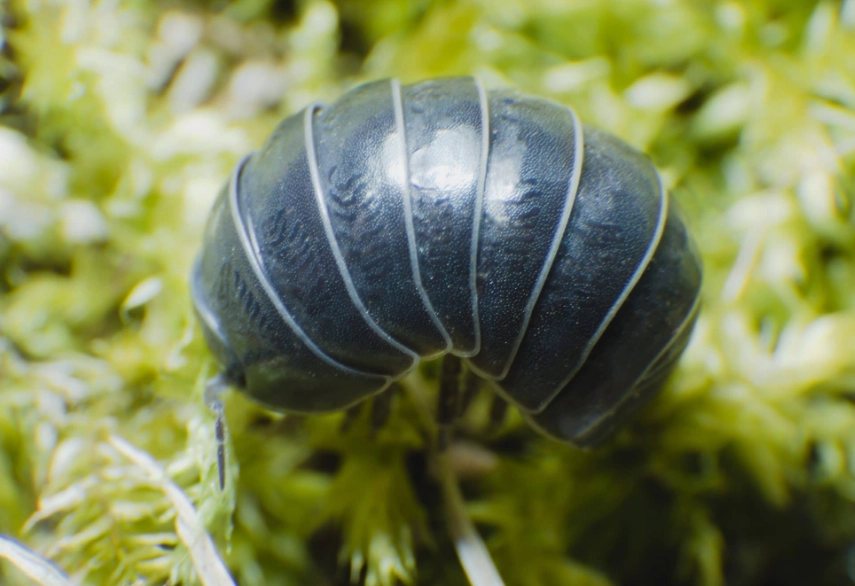
How to Manage Pill Bug Populations Naturally
You don't need harsh chemicals. Management is about making your garden less of an all-you-can-eat buffet for them.
1. Reduce Moisture and Shelter: This is the most effective step. Let the soil surface dry out between waterings. Remove boards, stones, thick layers of moist mulch, and decaying vegetation right near seedling beds. Water in the morning so the surface isn't damp all night when they're most active.
2. Provide Alternative Food (Trap Them): If you have a lot of them, trap them away from your plants. Place damp, rolled-up newspaper, cardboard, or half a potato (cut side down) near problem areas. Check it in the morning—you'll find dozens congregated underneath. Relocate them to your compost pile.
3. Create Physical Barriers: For direct-sown seeds or seedlings, a simple barrier works wonders. I cut the top and bottom off plastic cups and press them into the soil around individual plants. It creates a little collar they can't easily cross.
4. Encourage Natural Predators: Birds, toads, frogs, and some ground beetles eat pill bugs. A toad house or a bird-friendly garden helps keep the balance.
5. Use Diatomaceous Earth (DE): Food-grade DE, sprinkled in a dry ring around plants, can deter them. It's sharp on a microscopic level and damages their exoskeletons. But it only works when bone dry and must be reapplied after rain or watering. I find it useful for protecting specific plants, not whole gardens.
Common Mistakes Gardeners Make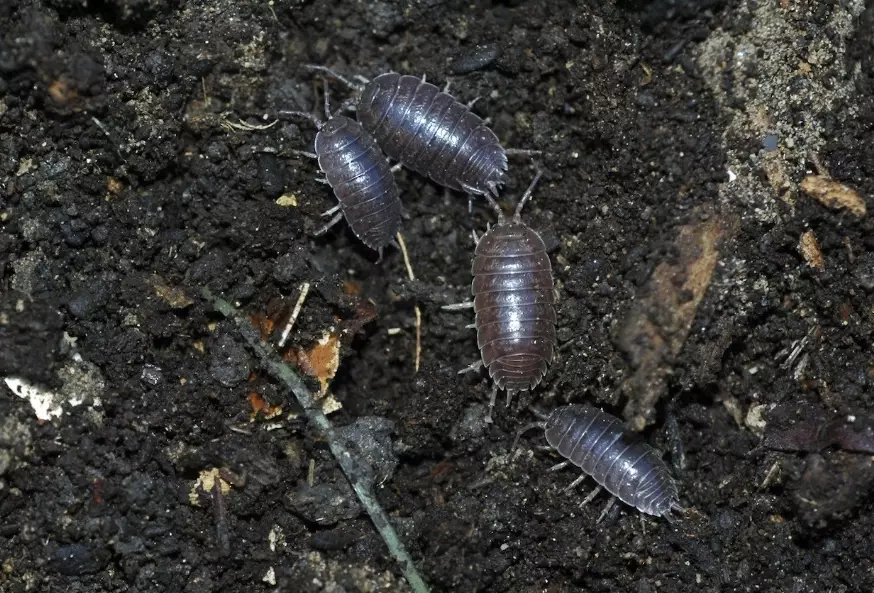
Here’s where that "10 years of experience" perspective comes in. I see the same errors repeatedly.
Mistake 1: Over-mulching seed beds. A thick, moist layer of straw or wood chips right next to emerging seedlings is an invitation. Wait to mulch until plants are established and the weather is drier.
Mistake 2: Blaming pill bugs for all seedling loss. Cutworms, slugs, and even birds can do similar damage. Look for the culprit. Pill bug damage is usually very low to the ground, and you'll often find them hiding in the soil right near the damaged stem during the day.
Mistake 3: Trying to eradicate them completely. This is futile and counterproductive. A healthy population in your compost or flower beds is beneficial. Focus on managing them in your vegetable seedling area.
Your Pill Bug Questions Answered
 Are pill bugs actually good for my compost pile?

Comments