Let's cut right to the chase. No, ticks do not fly. They don't have wings. They can't jump like fleas. The persistent image of a tick soaring through the air to land on you is a complete myth, and believing it might be putting you at greater risk. I've spent over a decade studying vector ecology, and this misconception is one of the biggest reasons people get caught off guard. They're looking up, worried about airborne attackers, while the real threat is methodically climbing up from the ground. Understanding how ticks actually move is the first, most critical step in effective prevention. If you think they fly, your defense strategy is fundamentally flawed.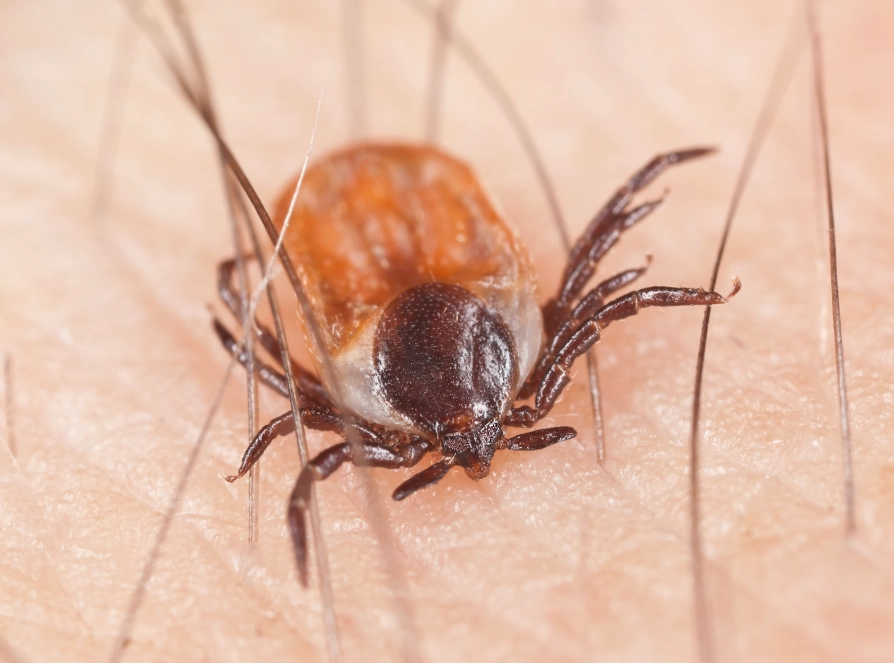
In This Guide: What You'll Learn
Why the "Flying Tick" Myth Persists
I get it. You're walking through the woods, and later you find a tick on your neck or scalp. It feels like it must have fallen from a tree or flown there. The logic seems sound. But here's the biological reality check.
Ticks are arachnids, related to spiders and mites. Their body plan doesn't include wings, and they've never evolved the ability to fly. The confusion usually stems from a few specific scenarios.
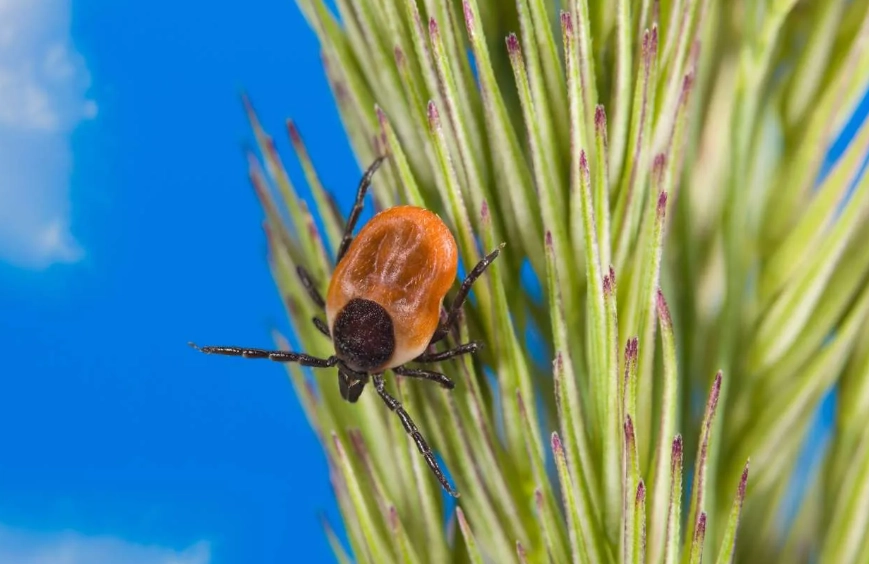
The "Drop-Down" Deception: Some tick species, like the black-legged (deer) tick, practice a behavior called "questing." They climb to the top of a blade of grass, a shrub, or yes, sometimes low-hanging vegetation. They extend their front legs, waiting to latch onto a passing host—a deer, a dog, or you. When you brush past, they grab on. It feels like they dropped from above, but they started their climb from the ground. They aren't tree-dwellers; they're ground-up climbers with a serious patience game.
Another source of confusion? People often mistake other small, biting insects for ticks. Gnats, black flies, or even small beetles can land and bite, creating the false memory of a "flying tick." A true tick moves deliberately, it doesn't buzz, and its bite is often painless initially.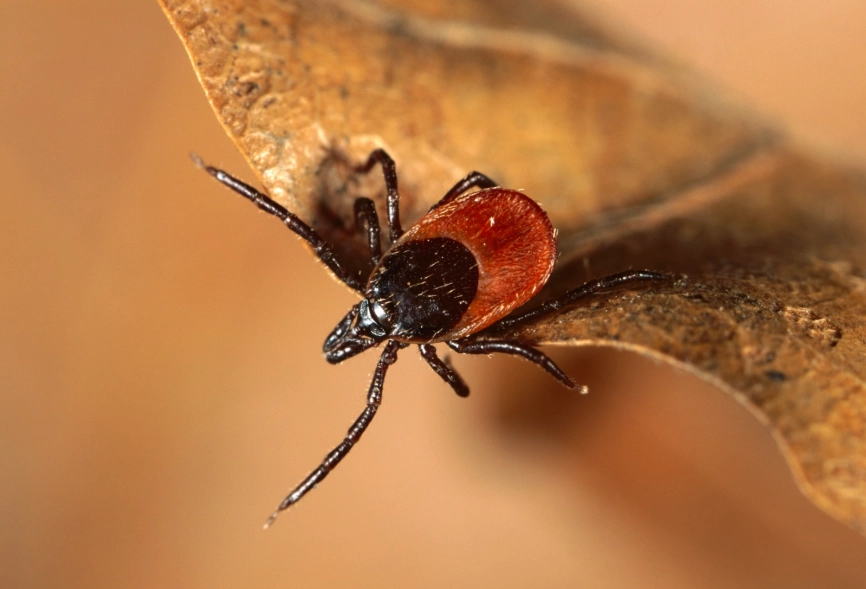
How Do Ticks Travel and Find You?
Since flight is off the table, ticks rely on two main strategies: passive questing and active hunting (though "active" is a generous term for creatures that move so slowly).
The Questing Strategy: A Patient Ambush
This is their signature move. A tick will climb to a height that matches its intended host. For humans, that's usually knee-high or waist-high vegetation. It holds on with its back legs and stretches its front legs out, equipped with hook-like structures. It can sense carbon dioxide, body heat, and vibrations. When you walk by, it simply reaches out and grabs hold. It's less like being attacked and more like you accidentally picked up a tiny, parasitic hitchhiker.
Direct Crawling: The Ground Game
Ticks also crawl. If you sit on a log, lay on the grass, or if your pet lies down in an infested area, ticks can directly crawl onto you from the leaf litter or soil. This is a major pathway that the "flying" myth completely obscures. Your pant legs, shoes, and the underside of your gear are primary entry points, not your hair from a sky-borne assault.
Tick Habitat Hotspots: Where the Risk is Real
Knowing they can't fly reframes where you need to be vigilant. You're not scanning the air; you're scanning the interface between the ground and about three feet up. Focus your attention here: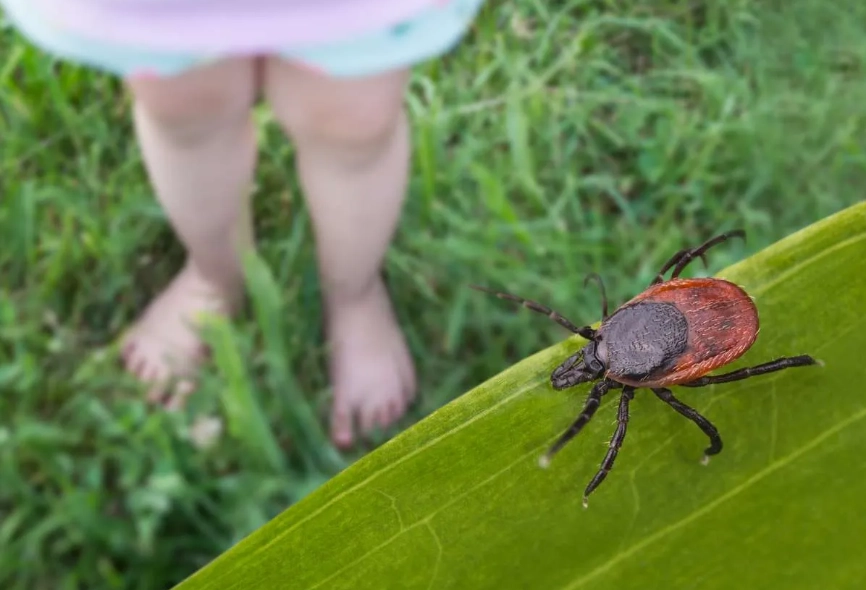
- The Edge Zone: The most dangerous place is often the boundary between a manicured lawn and a wooded area, or along a trail edge. Ticks thrive in this transitional, brushy space.
- Tall Grasses and Meadows: Unmown fields are perfect questing platforms. Every blade of grass is a potential tick launchpad.
- Leaf Litter and Woodpiles: This is tick headquarters—moist, shaded, and protected. It's where they overwinter and crawl out from.
- Stone Walls and Downed Logs: Rodents that carry ticks love these structures, creating localized high-density tick zones.
I tell people to imagine a "tick zone" that extends from the ground to your thigh. That's your engagement area.
Your Actionable Tick Protection Plan
Forget magical force fields. Prevention is a layered, practical process based on their true behavior.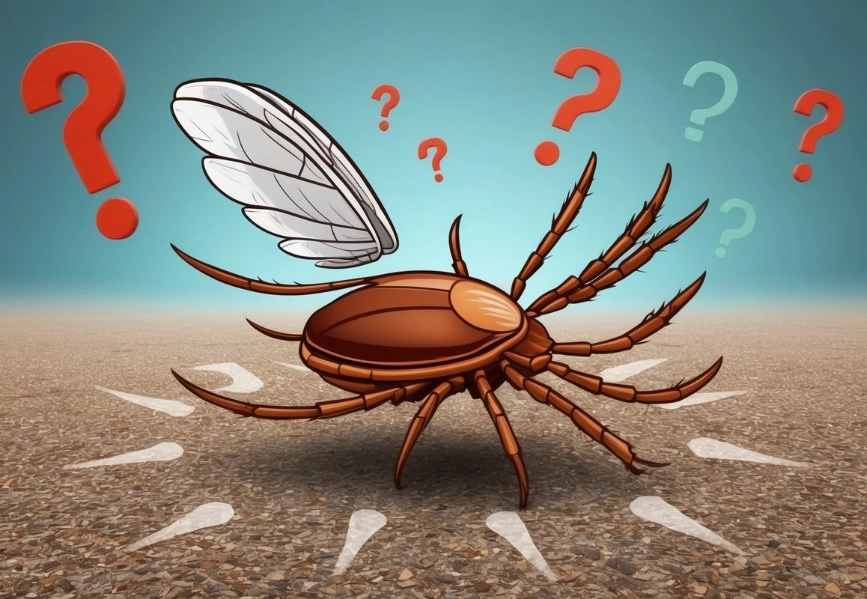
1. Dress Like You Mean It
Light-colored clothing (to spot dark ticks), long pants tucked into your socks. It looks dorky. It works. The goal is to create a physical barrier to their crawling. A hat helps for any that make it to upper branches, but remember, the main assault is low.
2. Use the Right Repellent (And Use It Correctly)
This is where most people mess up. They spray their chest and call it a day. You need to treat your clothes, especially below the waist.
| Repellent Type | Best For | Key Ingredient | Pro Tip |
|---|---|---|---|
| Permethrin Spray | Treating clothing, gear, boots | Permethrin | Spray clothes 24 hours before wearing. It binds to fibers and survives multiple washes. Do NOT apply to skin. |
| DEET Spray/Lotion | Exposed skin (ankles, wrists, neck) | DEET (20-30%) | Concentrate on cuffs, collars, and sock lines—where ticks try to cross from clothing to skin. |
| Picaridin Spray | A skin-friendly alternative to DEET | Picaridin | Equally effective for ticks, often more pleasant smell and feel. Apply as you would DEET. |
3. The Post-Adventure Ritual
This is non-negotiable. When you come inside:
Dry your clothes on high heat for 10 minutes before washing. Ticks despise dry heat. A quick wash on cold might not kill them.
Shower immediately. This can wash off unattached ticks and gives you a chance to do a full-body check.
Do the tick check. Use a mirror. Key areas: behind knees, groin, armpits, around ears, belly button, and scalp. Ticks crawl upward and seek warm, hidden folds.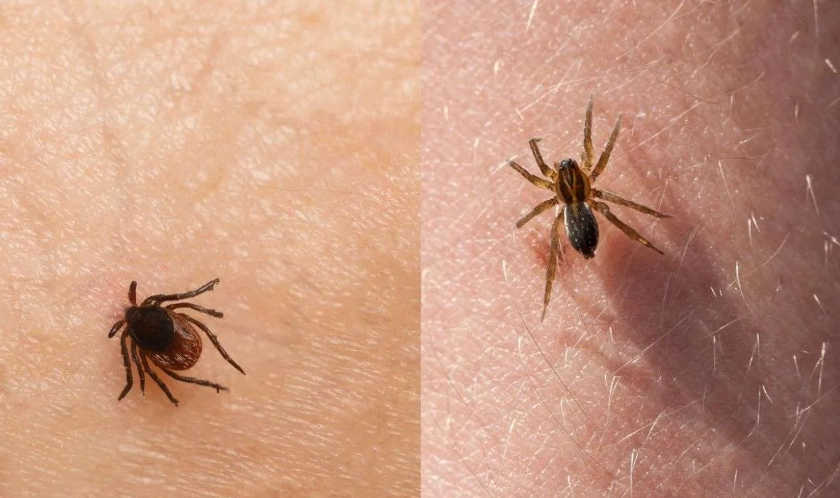
Don't Forget Your Gear: Your backpack, picnic blanket, and even your dog's leash can harbor a tick. Give them a visual inspection and a shake outside.
The Right Way to Remove a Tick (And the Mistakes You're Making)
You found one. It's attached. Panic sets in. Here's what to do, and more importantly, what to avoid. The goal is to remove it cleanly and quickly, not to "suffocate" it or anger it.
- Use Fine-Tipped Tweezers. Not your fingers, not a match, not Vaseline. Those old methods increase the risk of the tick regurgitating pathogens into you.
- Grasp the tick as close to the skin's surface as possible. Aim for the head/mouthparts, not the engorged body.
- Pull upward with steady, even pressure. Don't twist or jerk. You want to pull the mouthparts straight out.
- Clean the bite area and your hands with rubbing alcohol or soap and water.
- Dispose of the tick by flushing it, putting it in alcohol, or sealing it in tape. Don't crush it with your fingers.
The biggest mistake I see? People obsess over getting "every part" out. If the head breaks off and remains in the skin, just leave it. Your body will expel it like a splinter. Digging around with a needle to get a microscopic mouthpart causes more tissue damage and infection risk than the leftover part itself. Clean it and monitor the site.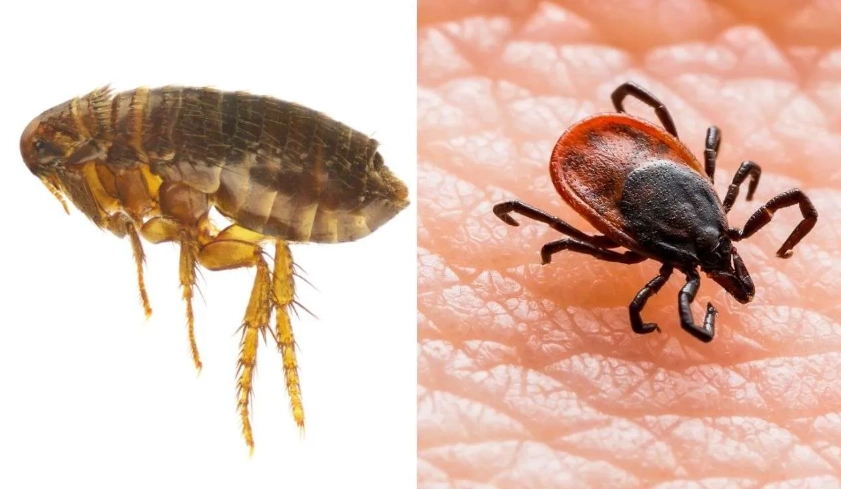
Your Tick Questions, Answered
 What's one piece of tick advice you think is widely neglected?
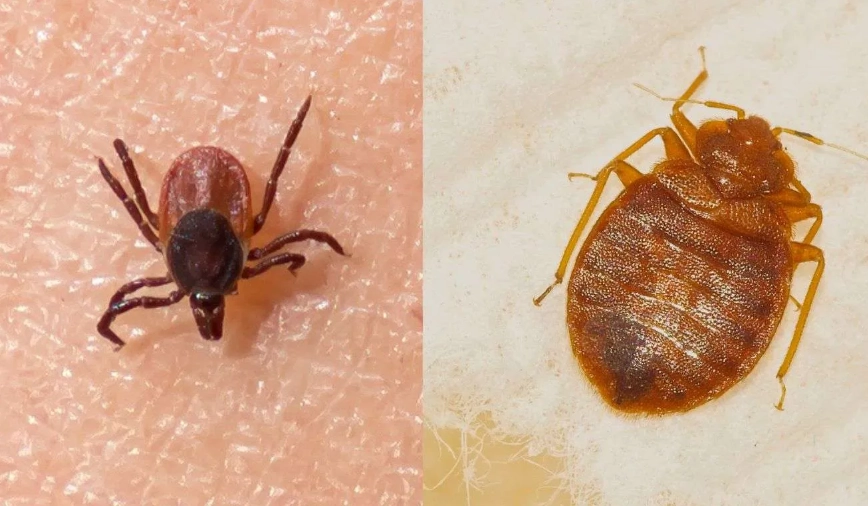 The bottom line is simple: ticks are a ground-level threat. Ditching the "flying tick" myth lets you build a smarter, more effective defense. Dress strategically, use repellents correctly, perform meticulous tick checks, and know how to remove one properly. It's not about fear; it's about informed awareness. You can enjoy the outdoors fully by understanding the real behavior of these tiny hitchhikers and taking the proven steps to stop them in their tracks—before they ever start their climb.



Comments