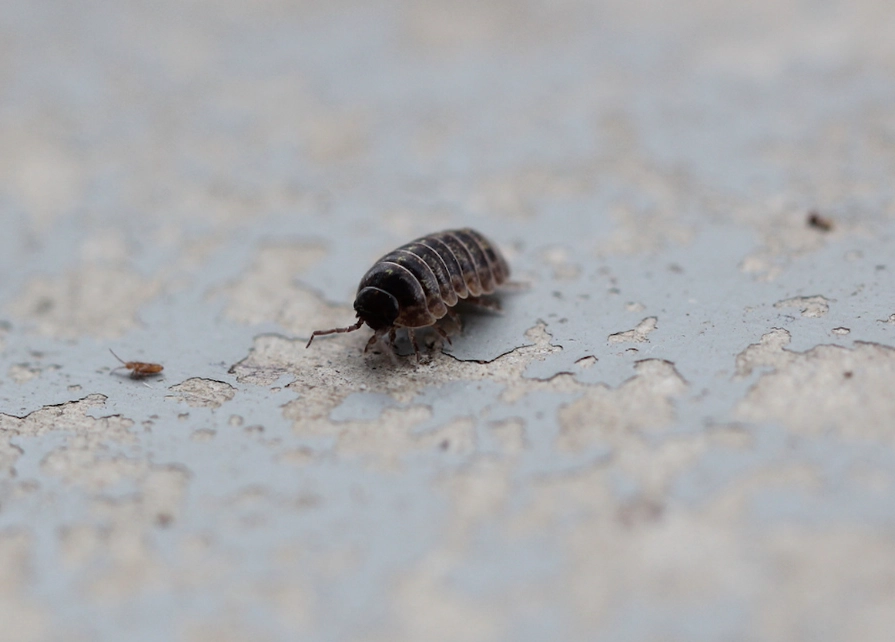
You lift a pot, turn over a stone, or dig in a damp flowerbed, and there they are: little grey armored bugs that instantly curl into perfect balls. Rollie pollie bugs, also called pill bugs, woodlice, or by their scientific name Armadillidium vulgare, are one of the most recognizable backyard critters. But what are they really doing in your garden? Are they secret helpers or hidden destroyers? Most articles give you the basic textbook answer and stop there. After years of gardening and dealing with every soil-dweller imaginable, I've found the truth about pill bugs is more nuanced, and the common advice often misses the mark.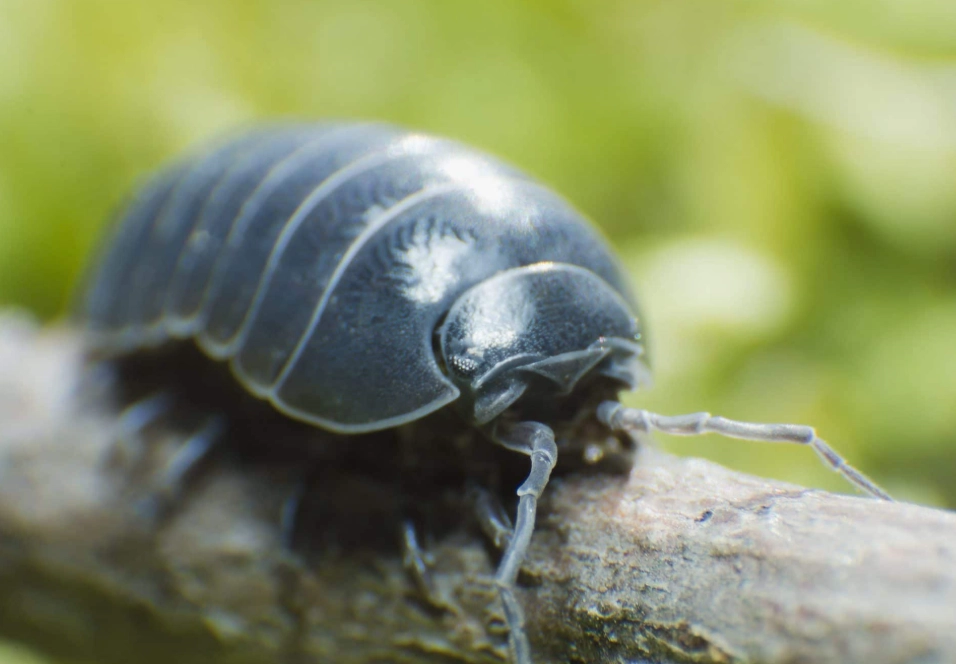
Let's cut to the chase. In most cases, rollie pollies are beneficial decomposers. But under specific, often overlooked conditions, they can switch from recyclers to munchers and damage young plants. The key isn't in blanket eradication, but in understanding why they become a problem and managing your garden's environment. This guide will walk you through exactly how to tell if they're friend or foe, and what to do about it.
Quick Navigation: What You'll Learn
What Exactly Are Rollie Pollie Bugs? (Hint: Not a Bug)
First, a fundamental mix-up. Calling them "bugs" is our first mistake. Rollie pollies are terrestrial crustaceans, related to shrimp and crabs, not insects. This fact explains almost everything about them. They have gills, which is why they need constant moisture to breathe. They can't retain water like insects can. Find a dry area, and you simply won't find pill bugs.
Their primary job in the ecosystem is that of a detritivore. They eat decaying organic matter—fallen leaves, dead grass, rotting wood, even dead animal matter. Think of them as the cleanup crew and composters of the soil surface. A healthy population is a sign of active nutrient cycling. Research from institutions like the University of California Statewide Integrated Pest Management Program notes their role in breaking down organic material and improving soil structure.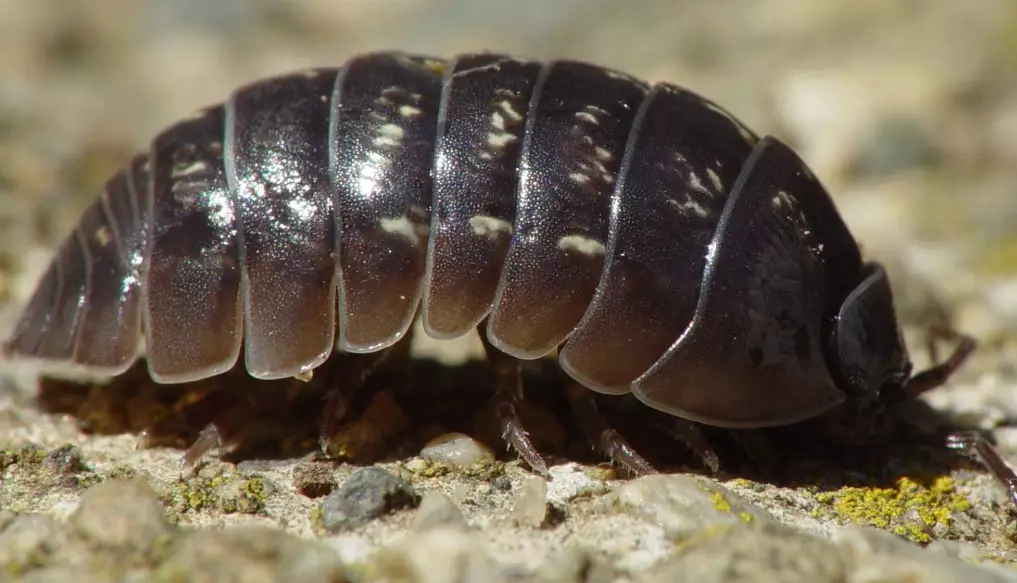
Fun Fact: They aren't just grey. I've seen them in slate blue, dark brown, and even with yellow mottling. The color often depends on their age and environment.
They're also a fantastic food source for birds, toads, spiders, and centipedes. If you're trying to build a balanced garden ecosystem, having some pill bugs around is a good thing. They're part of the web.
Garden Friend or Foe? The Critical Difference
Here's where most advice gets too black-and-white. Pill bugs are not inherently plant pests. But they are opportunistic. The shift from helpful to harmful hinges on two factors: food availability and population density.
The Friend Scenario: Your garden has plenty of mulch, leaf litter, and decaying matter. The pill bug population is balanced. They munch on the decaying stuff, aerate the soil slightly, and leave your living plants alone. I've watched them ignore healthy spinach leaves right next to a decaying strawberry.
The Foe Scenario: The environment is out of whack. This usually happens in early spring or in very moist, heavily mulched gardens. There's a ton of moisture (their gills are happy), but the fresh, tender organic matter they prefer—like decaying stuff—is scarce. At the same time, you've just planted vulnerable, succulent seedlings like beans, squash, cucumbers, or lettuce. To a pill bug, that tender stem is just another soft, moist, organic meal. They don't eat the mature, tough leaves; they chew on stems at the soil line or feed on fruits resting on damp soil, like strawberries or melons.
The Big Misconception: Many gardeners blame pill bugs for holes in mature plant leaves. That's almost certainly slugs, snails, or caterpillars. Pill bug damage is almost always at ground level or on produce touching soil.
How to Spot a Real Pill Bug Problem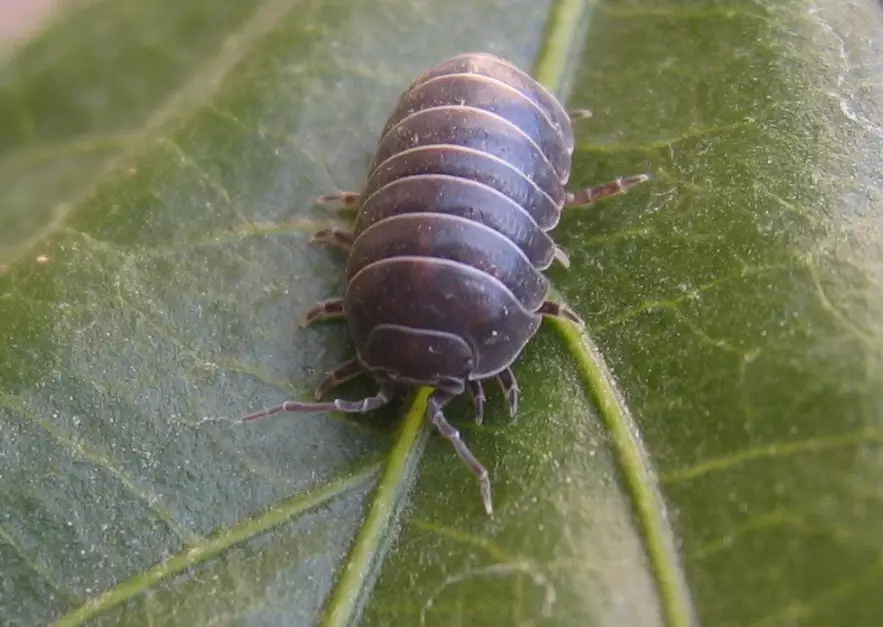
Don't just assume they're the culprits. Do some detective work. Go out at night with a flashlight or check early in the morning when it's still damp. Look for the bugs themselves congregating around the base of damaged plants. A classic sign is a seedling that looks like it's been "cut" at the stem, but unlike cutworm damage, you might find the little grey culprits hiding under a leaf or bit of mulch right nearby.
Another test: the potato trap. Cut a potato in half, scoop out a little hollow, and place it cut-side down near the affected plants. Check it in 24 hours. If you lift it and find a dozen pill bugs underneath, you've confirmed high localized activity.
Safe & Effective Control Methods (Ranked from Least to Most Involved)
If you've confirmed they're damaging plants, the goal is to reduce their numbers in that specific area, not to wipe them out. Start with the simplest, most environmentally friendly methods first.
| Method | How It Works | Best For | My Notes & Drawbacks |
|---|---|---|---|
| 1. Environmental Adjustment | Remove their habitat and food sources. Let the soil surface dry out between waterings. Pull mulch back 2-3 inches from plant stems. Clear away excess decaying plant matter. | Long-term prevention and mild infestations. The most effective strategy overall. | This is 80% of the solution. It's not instant, but it fixes the root cause. Over-mulching is a common gardener mistake that creates pill bug paradise. |
| 2. Trapping | Use hollowed-out potatoes, orange halves, or rolled-up damp newspaper placed on the soil overnight. Collect and relocate the bugs in the morning. | Immediate reduction of numbers around specific plants (like seedlings). | The potato trick works shockingly well. It's non-toxic and gives you a clear idea of the population size. Just be consistent for a few nights. |
| 3. Diatomaceous Earth (DE) | Sprinkle food-grade DE in a thin ring around plant stems. The microscopic sharp edges damage the bugs' exoskeletons, causing them to dehydrate. | Creating a protective barrier for individual plants. | It only works when dry. Reapply after rain or watering. It can also harm beneficial insects, so use it sparingly and precisely, not as a broadcast treatment. |
| 4. Iron Phosphate Baits | Use commercial slug & snail baits containing iron phosphate (e.g., Sluggo). Pill bugs eat it, stop feeding, and die within days. | Severe infestations where other methods aren't enough. | This is the safest pesticide option. Iron phosphate is non-toxic to pets, wildlife, and earthworms. It's my last-resort chemical choice, but it's highly effective. |
Avoid broad-spectrum insecticides. They'll kill everything—the pill bugs, the predators that eat them, and the pollinators you need. You'll wreck your garden's ecosystem for a problem that's usually manageable with simpler fixes.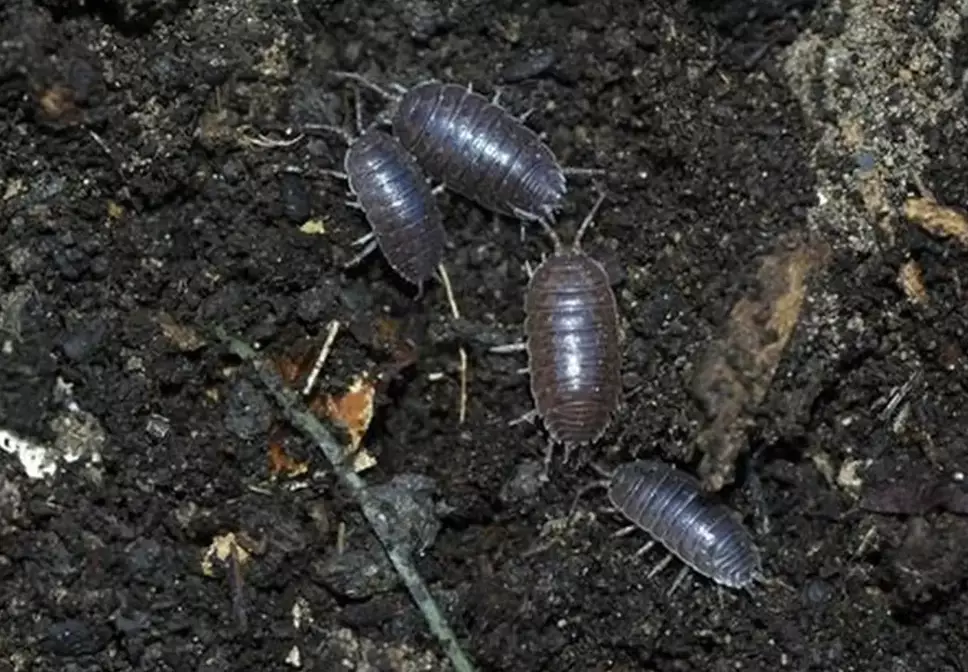
Your Top Rollie Pollie Questions Answered
 The bottom line with rollie pollie bugs is to see them as indicators. A few here and there mean your soil is alive. A swarm on your seedlings is a message that your garden's moisture and organic matter balance is off. Listen to that message, adjust your gardening practices, and you'll rarely need to "fight" them. You'll just coexist, with you growing the plants and them handling the cleanup—which is how it's supposed to work.
Comments