You're probably looking at this because you saw a weird, gangly bug with a pointy nose in your flower bed and thought, "What on earth is that? Should I squash it?" Let me stop you right there. That's likely an assassin beetle, and it's one of the best friends your garden will ever have. I've spent over a decade observing insects in home gardens, and the number of people who mistake these beneficial predators for pests is staggering. This guide will flip your perspective, turning that initial alarm into appreciation.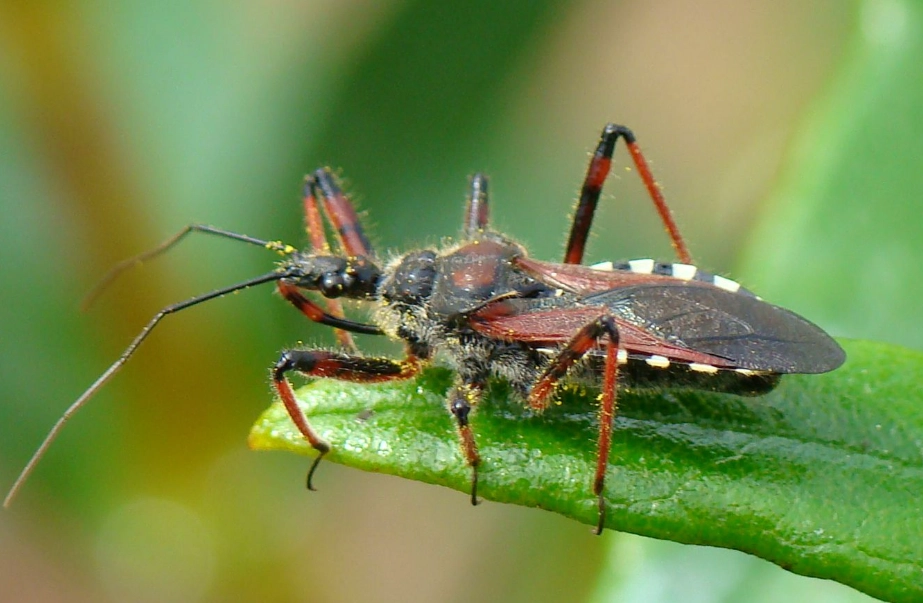
What You'll Find in This Guide
- What Exactly Is an Assassin Beetle?
- Assassin Bug vs. Assassin Beetle: Spot the Difference
- How Assassin Beetles Hunt: Nature's Precision Strike
- Why Your Garden Desperately Needs Them
- How to Attract and Keep Assassin Beetles
- Common Mistakes Gardeners Make (And How to Avoid Them)
- Your Assassin Beetle Questions Answered
What Exactly Is an Assassin Beetle?
First, a bit of clarity. The term "assassin beetle" often colloquially refers to insects in the family Reduviidae, which are technically assassin bugs. True beetles (order Coleoptera) are different. But in gardening circles, when people say "assassin beetle," they're almost always talking about the predatory assassin bug. For the sake of this guide and what you're searching for, we'll focus on these incredible hunters.
They're not here to bother you or your plants. They're here for the bugs that are bothering your plants. Think of them as the special forces of your garden's ecosystem—silent, efficient, and deadly to their targets.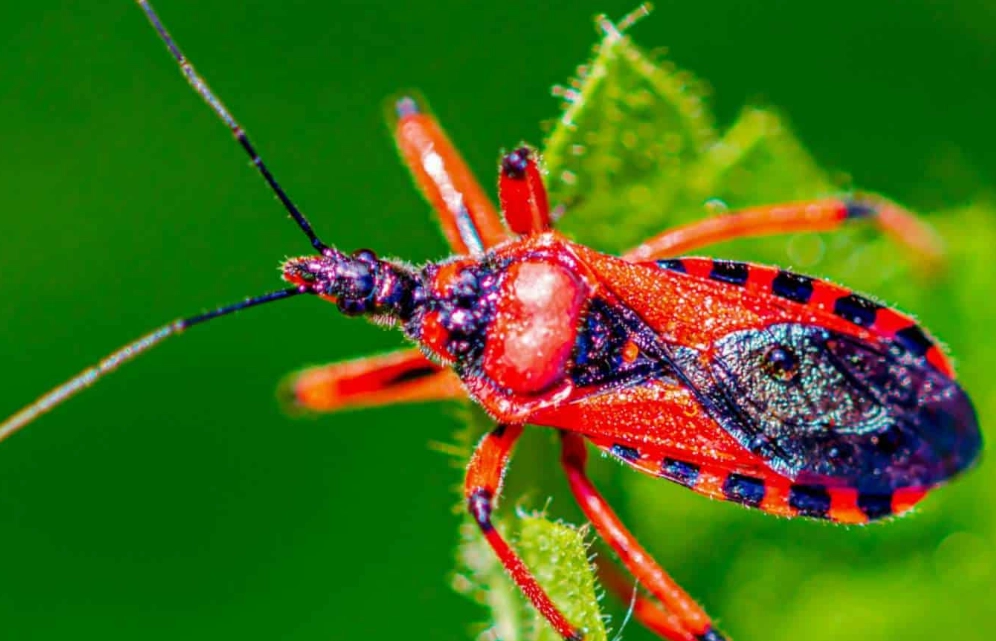
Key Takeaway: An assassin beetle (bug) is a predatory insect that uses a needle-like beak (rostrum) to inject paralyzing venom into its prey, which includes aphids, caterpillars, and even larger pests like Japanese beetles.
Assassin Bug vs. Assassin Beetle: Spot the Difference
This confusion causes a lot of unnecessary panic. Let's break it down simply.
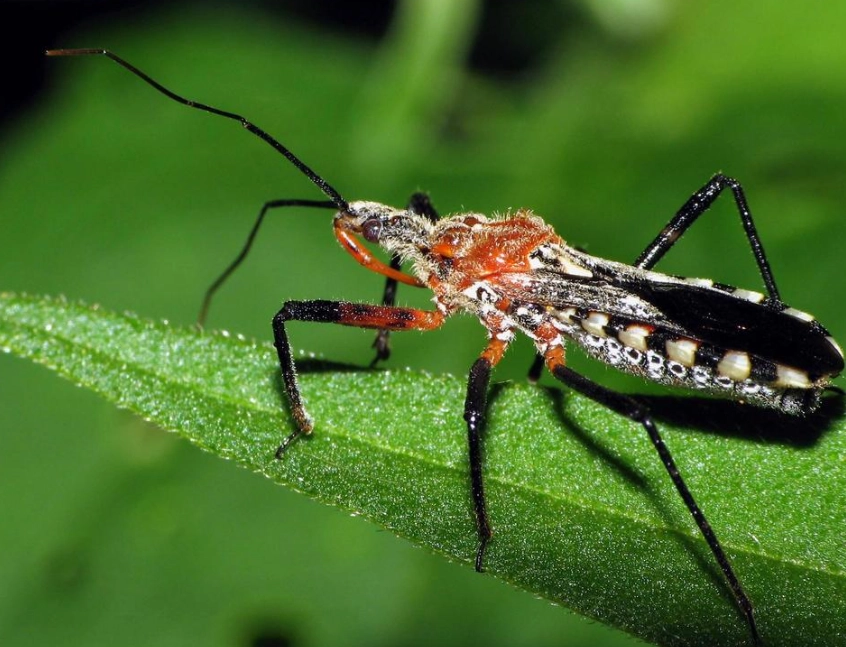
Assassin Bugs (What we're talking about): Order Hemiptera (true bugs). They have a distinctive, curved, needle-like beak that tucks under their head when not in use. Their wings, if present, are half leathery and half membranous. They are often lean, with long legs for grabbing.
True Beetles: Order Coleoptera. They have chewing mouthparts (mandibles) that move side-to-side. Their front wings are hardened into shell-like covers called elytra. Think ladybugs or Japanese beetles—more rounded and armored.
If the bug you see has a obvious, sharp "snout," it's an assassin bug, your garden ally. If it has little pincers near its mouth, it's something else.
How Assassin Beetles Hunt: Nature's Precision Strike
Their method is brutally efficient. I've watched them for hours. They don't chase. They ambush.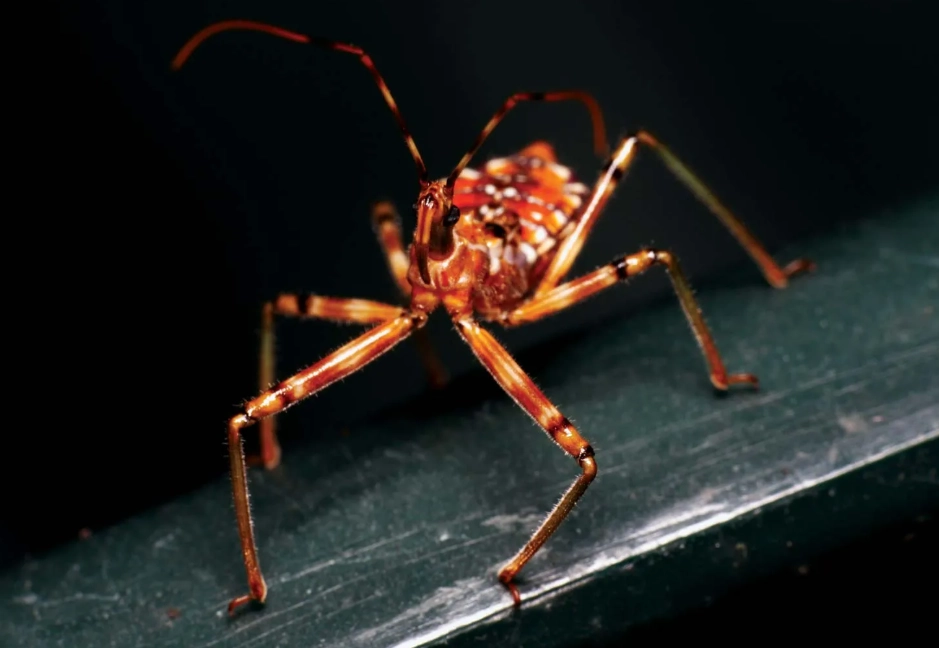
The Two-Stage Attack
First, they use their front legs, which are often stronger and sometimes covered in sticky hairs, to snare their prey in a split second. It's faster than you can blink.
Then, the business end comes out. They extend their rostrum and stab it into the prey's body. They're not just biting; they're injecting a potent cocktail of enzymes that paralyzes the victim and begins digesting its insides. The assassin bug then sucks out the liquefied contents. Gruesome? Absolutely. Effective? Unbelievably so.
Why Your Garden Desperately Needs Them
Forget expensive, harsh sprays. A population of assassin bugs is a self-replenishing pest control army. Their diet reads like a most-wanted list for gardeners: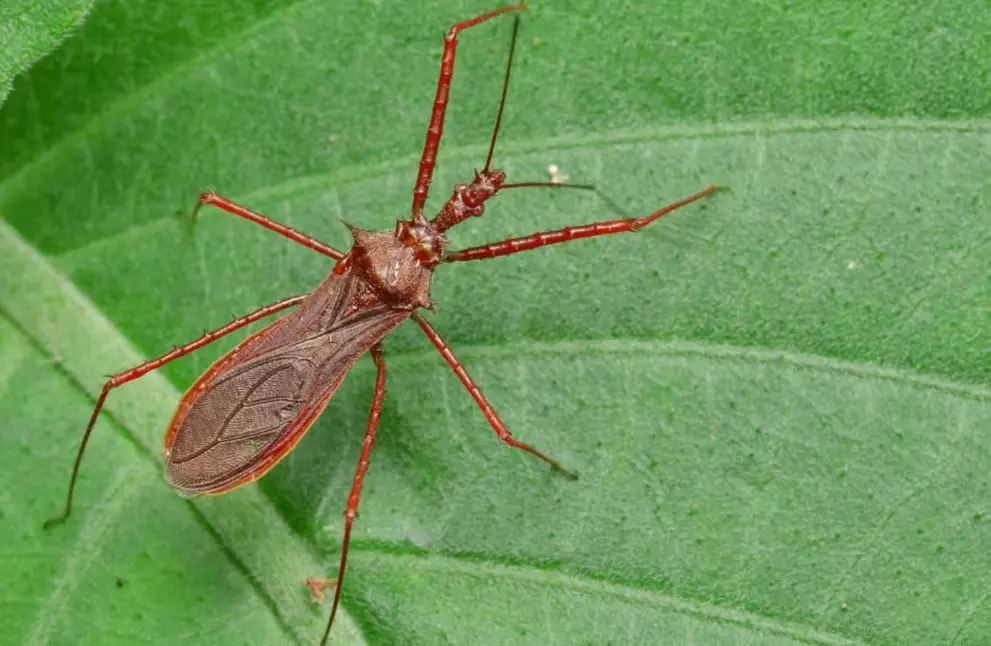
- Aphids: They can clear a colony in no time.
- Caterpillars: Including cabbage loopers and tomato hornworms.
- Leafhoppers & Thrips: Small, sucking pests that spread disease.
- Colorado Potato Beetle Larvae: A major agricultural pest.
- Even larger prey: Some larger species will take on Japanese beetles or squash bugs.
I remember a client's rose bush was absolutely shrouded in aphids. She was ready to spray. I pointed out three assassin bug nymphs hiding on the stems. We waited a week. The aphid population was reduced by 80%, with zero human intervention. That's the power you're dealing with.
How to Attract and Keep Assassin Beetles
You can't buy them at a garden center. You have to make your garden a welcoming five-star hotel for them.
1. Stop the Broad-Spectrum Insecticides
This is non-negotiable. Sprays that kill "all bugs" will kill your assassins too. You're nuking your own defenses.
2. Provide Shelter and Hunting Grounds
They love dense, slightly messy areas.
- Let a corner of your garden grow wild with native grasses and flowers.
- Use mulch (straw, wood chips) which provides hiding spots for them and their prey.
- Plant closely-spaced perennials and shrubs to create a complex canopy.
3. Ensure a Water Source
A shallow dish with pebbles and water, or a damp area of soil, helps them thrive, especially in dry spells.
4. Plant for Their Prey (Indirectly)
Having plants that attract aphids early in the season, like nasturtiums or milkweed, can provide an initial food source to draw in assassin bugs. They'll stick around when the buffet moves to your veggies.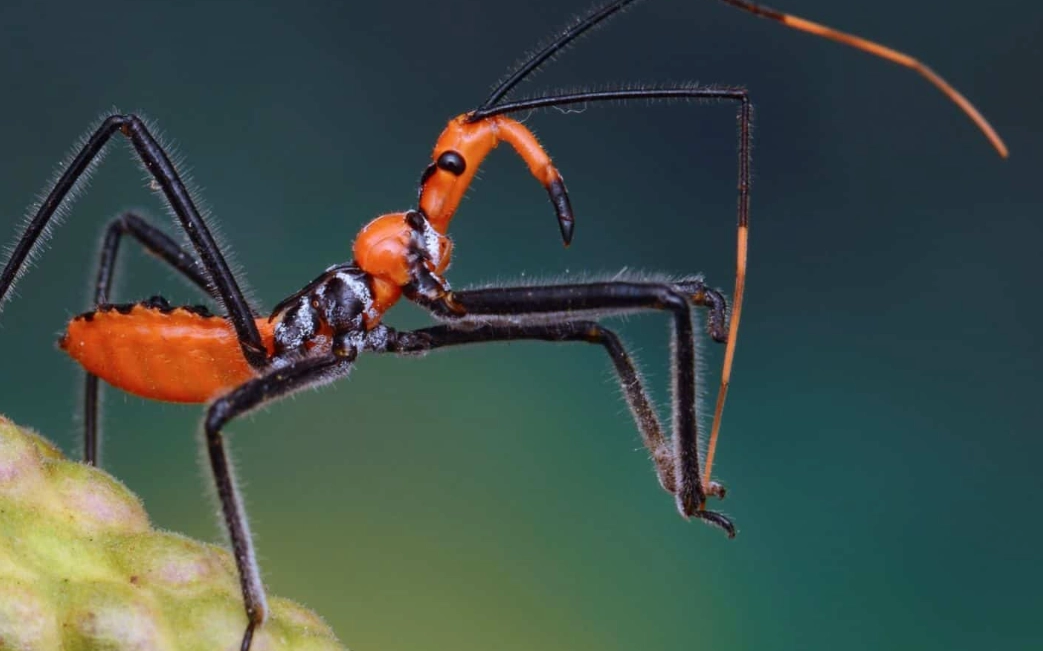
Common Mistakes Gardeners Make (And How to Avoid Them)
Here's the insider knowledge from seeing things go wrong.
Mistake #1: Killing the nymphs. The babies (nymphs) look nothing like the adults. They're often small, brightly colored (red or orange), and wingless. People see a cluster of tiny red bugs and panic. Those are juvenile assassins! Leave them be.
Mistake #2: Over-tidying. A pristine, bare-soil garden is a desert for beneficial insects. A little leaf litter and some spent plant stems are bug condos.
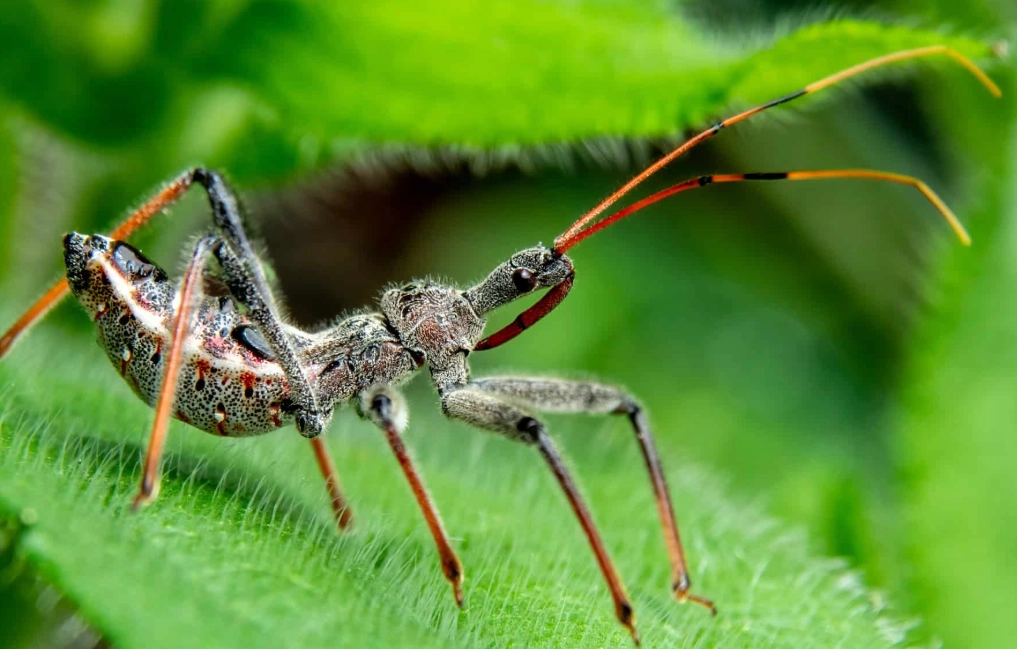
Mistake #3: Misidentifying the wheel bug. The wheel bug (Arilus cristatus) is a common, large assassin bug with a cog-like crest on its back. It can deliver a painful bite if handled. Admire it from a distance—it's still a fantastic predator. This is the one case where you don't want to get hands-on.
Your Assassin Beetle Questions Answered
 How can I tell assassin bug eggs from pest eggs?
 Embracing assassin bugs requires a shift from a mindset of control to one of collaboration. You're not eliminating all insects; you're recruiting the right ones. By providing habitat and stepping back, you allow a natural, resilient system to flourish. Your reward is a healthier garden with less work and more life. Start by just watching that strange bug for a while before you decide its fate—you might be looking at your new head of security.
For further scientific classification and details on specific species, resources from institutions like the University of Kentucky Entomology Department or the BugGuide network are invaluable.

Comments