You see a cluster of winged insects by your window or a few scattered on the floor. Your heart skips a beat. Is it termites? Or just harmless flying ants? Getting this wrong isn't just academic—it's the difference between ignoring a seasonal nuisance and facing a repair bill that can run into the tens of thousands. I've seen too many homeowners make the expensive mistake of assuming all winged bugs are the same. Let's cut through the confusion. The core difference is this: termites are silent destroyers that eat the wood holding your house up, while flying ants are mostly just a temporary, annoying guest. This guide will give you the tools to tell them apart in seconds and a clear action plan for what to do next.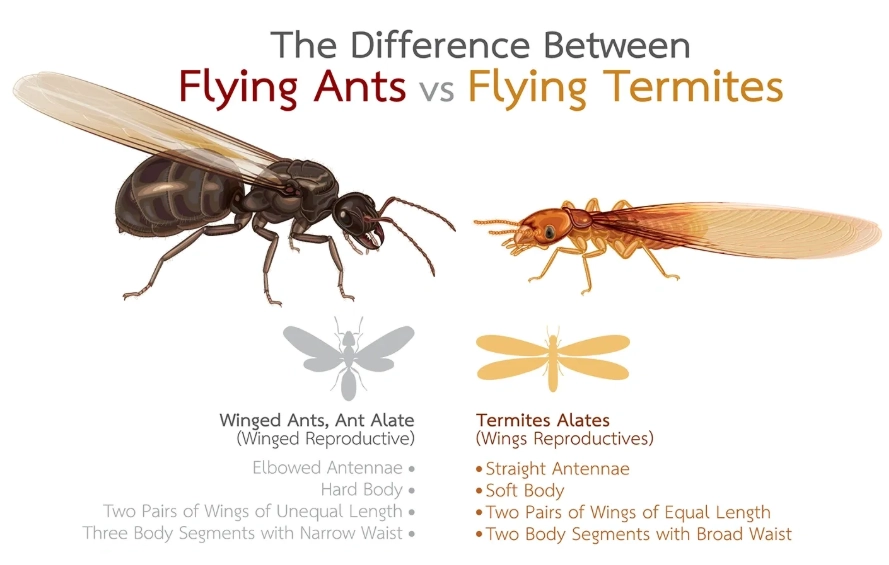
What You'll Find Inside
Why Getting It Right Matters (The Cost of Confusion)
This isn't just bug trivia. Misidentifying termite swarmers (that's what the winged ones are called) as flying ants is one of the most common and costly errors in home maintenance. Here's the breakdown.
Termites are a five-alarm fire for your property. They feed on cellulose, the main component of wood. A mature colony works 24/7, eating the structural timbers, floor joists, window frames, and even wallpaper in your home. The National Pest Management Association estimates termites cause over $5 billion in property damage annually in the U.S. alone. The kicker? Most homeowner's insurance policies do not cover termite damage. That repair bill comes straight out of your pocket.
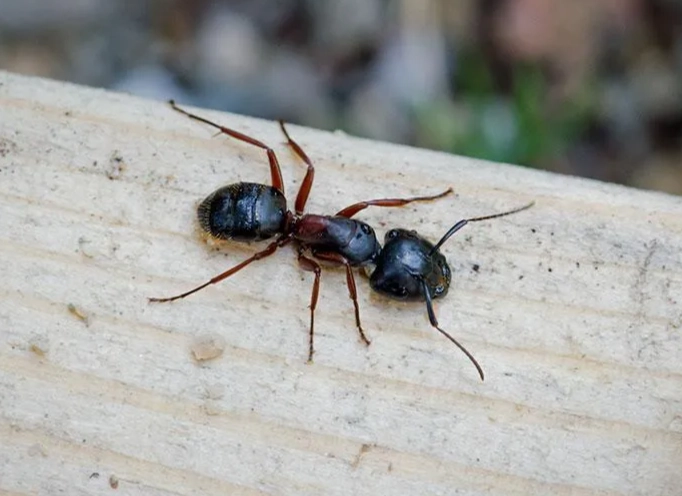
Flying Ants, on the other hand, are reproductive members of an ant colony. They swarm to mate and start new nests. While carpenter ants (which also have winged swarmers) can excavate wood to create nests, they don't eat it. The damage is usually less severe and progresses slower than termite damage. Most other ant species are just a nuisance—they might raid your pantry but won't compromise your home's structure.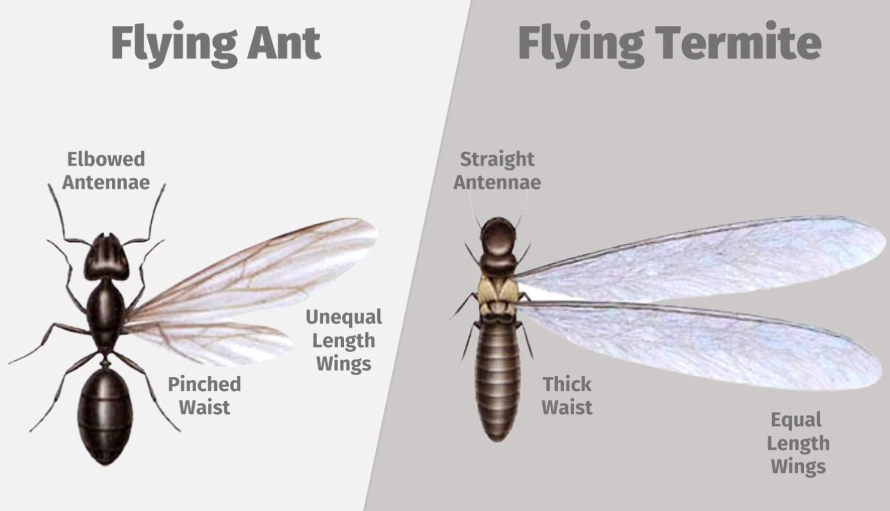
How to Tell Termites and Flying Ants Apart: A Visual Cheat Sheet
Forget complex biology. You can identify them with a quick visual check. Grab a magnifying glass if you have one, or just get a close look. The three key areas are the body, the wings, and the antennae.
| Feature | Termite Swarmer | Flying Ant |
|---|---|---|
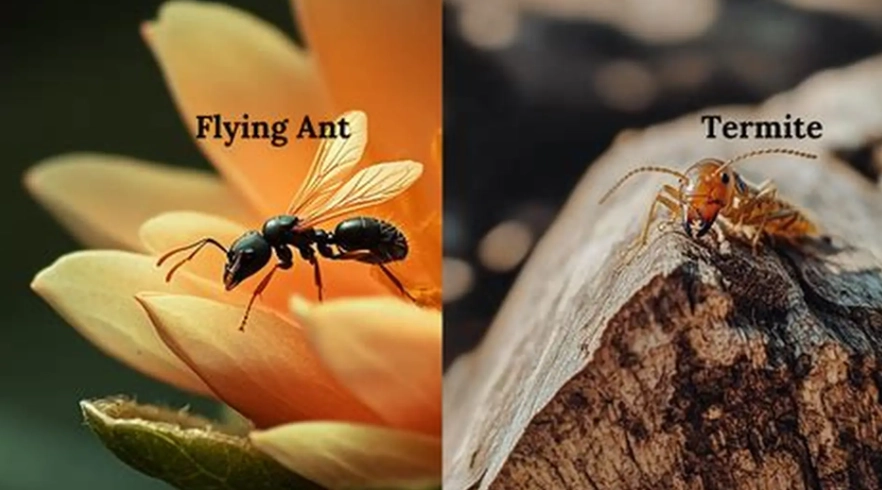
| Body Shape | Rectangular, uniform. No obvious waist. The thorax and abdomen blend together, giving it a straight-sided, "tube-like" appearance. | Pinched waist. Clearly defined three-part body: head, thorax, and abdomen. The connection between thorax and abdomen is narrow and constricted. |
| Wings | Two pairs of equal length that are much longer than the body. They are translucent, often with a milky or grayish hue, and have a simple, veiny pattern. They are fragile and shed easily. | Two pairs of unequal length. The front wings are noticeably longer than the hind wings. They are usually clear or tinted brown and appear more sturdy. |
| Antennae | Straight and beaded, like a tiny string of pearls. They do not bend. | Elbowed (bent). The antennae have a distinct angle or "elbow" joint, like a carpenter's square. |
| Color | Typically uniform black, dark brown, or a pale, creamy color (for some species like Formosan termites). | Color varies by species (black, red, brown). Often a combination, like a black abdomen with a reddish thorax. |
The waist is the fastest visual check. No waist? High probability it's a termite. Clear pinched waist? You're likely looking at an ant.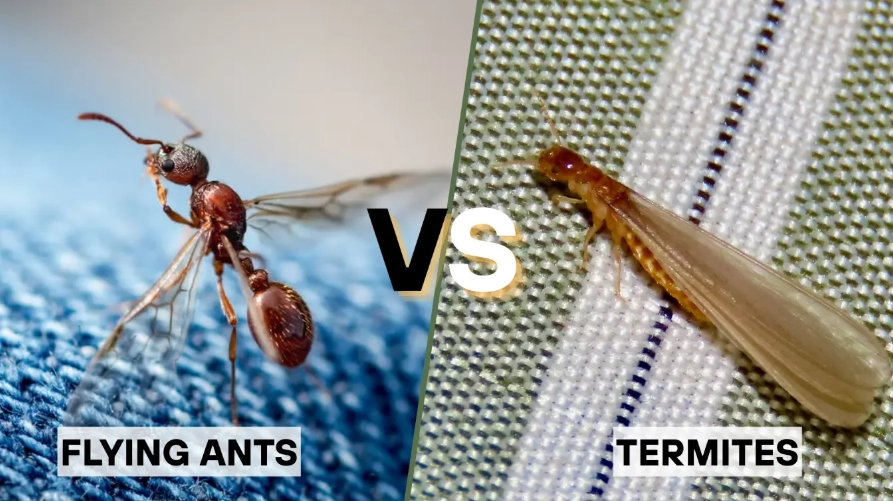
Beyond the Bug: Looking for Supporting Evidence
Identification isn't just about the insect itself. Look around where you found them.
Signs Pointing to Termites:
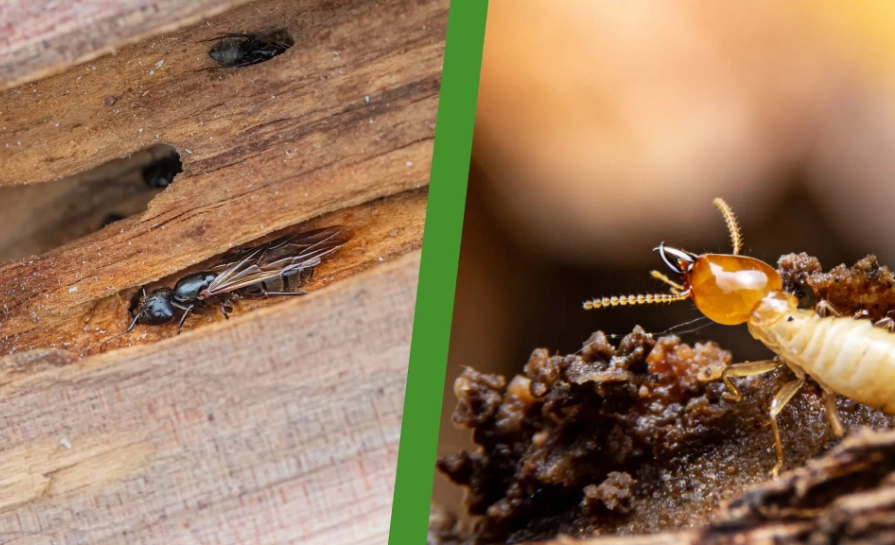
- Mud Tubes: Pencil-thin, muddy tunnels running along foundation walls, in crawl spaces, or on piers. These are termite highways connecting their underground colony to your wood. This is a smoking gun.
- Frass: This is termite droppings. For drywood termites, it looks like tiny, six-sided wood-colored pellets that they push out of "kick-out" holes, often accumulating in small piles.
- Hollow-sounding Wood: Tap on wood beams, skirting boards, or window frames. If it sounds hollow or papery, or if a screwdriver easily punctures the surface, you may have internal damage.
- Swarm Timing: Subterranean termites often swarm on warm, calm days after a rain in spring. But don't rely on season—they can swarm indoors any time if conditions are right.
Signs Pointing to Ants:
- Visible Ant Trails: You'll see worker ants (wingless) marching in a line to and from a food source.
- Nest Debris: Carpenter ants push out a coarse sawdust-like material called "frass" that contains insect parts and wood shavings, unlike the uniform pellets of drywood termites.
- The swarmers themselves are often found near windows trying to get outside, as their goal is to disperse.
What to Do If You Find Them: Your Step-by-Step Action Plan
Okay, you've found some winged insects. Don't panic, but do act methodically. Here's your playbook.
Step 1: Immediate Containment and Collection
First, vacuum up any live or dead insects and wings. This gives you a sample and prevents them from scattering. Seal the vacuum bag and take it outside. Now, try to calmly capture a few intact specimens in a small jar or zip-top bag. This is crucial for accurate ID. If they're alive, you can pop them in the freezer for an hour—it's a humane way to preserve them for examination.
Step 2: Perform the Identification Check
Use the table above. Examine your captured specimens. Check the waist, wings, and antennae. What's your preliminary verdict? While you do this, do a quick 10-minute inspection of the immediate area. Look for mud tubes, frass, or other signs mentioned earlier.
Step 3: Decide Your Course of Action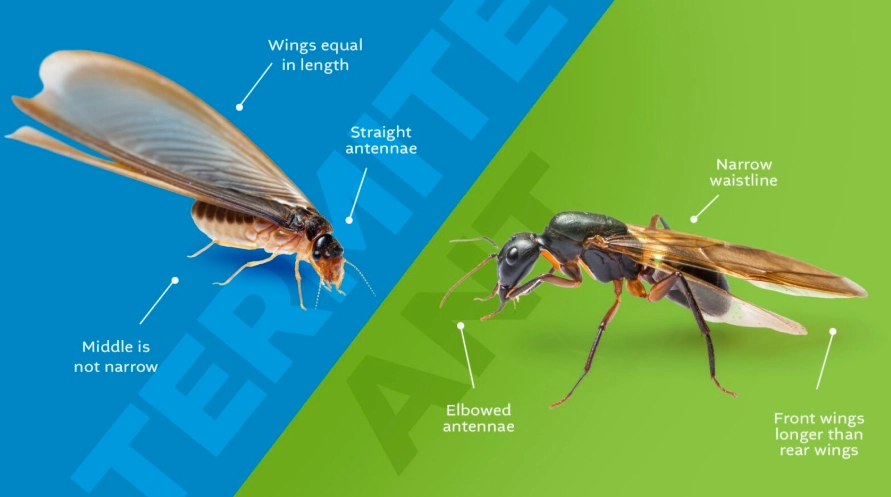
This is the fork in the road.
If you suspect or confirm FLYING ANTS:
You can often handle this yourself. The swarm is temporary, usually lasting only a few hours to a day. Focus on exclusion and cleaning.
- Find and seal their entry point. Check around windows, doors, utility lines, and foundation cracks.
- Use a vacuum to clean them up as they appear.
- If you see subsequent worker ant trails, use bait stations (like those containing borax) placed along their trails. The workers take the bait back to the nest, eliminating the colony at the source. Sprays often just scatter the problem.
- If the swarm is massive or you suspect carpenter ants (evidenced by sawdust-like frass), then calling a pro is wise to locate and treat the nest.
If you suspect or confirm TERMITES:
This is the time to call a professional. DIY termite control is almost always a losing battle. The colony is hidden, often deep underground or within walls. Over-the-counter sprays only kill what you see on the surface.
- Get quotes from at least 2-3 licensed and insured pest control companies with specific termite expertise. Ask about their inspection process.
- A thorough inspector will look for mud tubes, damage, and use moisture meters and tapping tools. They should provide a detailed report.
- Discuss treatment options. The current gold standard for subterranean termites is termite baiting systems (like Sentricon) or liquid soil treatments with non-repellent termiticides. For drywood termites, localized treatments or whole-structure fumigation might be necessary. The U.S. Environmental Protection Agency (EPA) provides excellent resources on termite control methods to help you understand your options.
- Ask about warranties and what they cover. A reputable company will offer a renewable warranty that covers re-treatment if termites return.
Let me be blunt: the few hundred dollars for a professional inspection and potential treatment is an investment that can save you literally tens of thousands in structural repairs down the line. I've consulted on homes where delayed action turned a $1,500 treatment into a $45,000 repair job.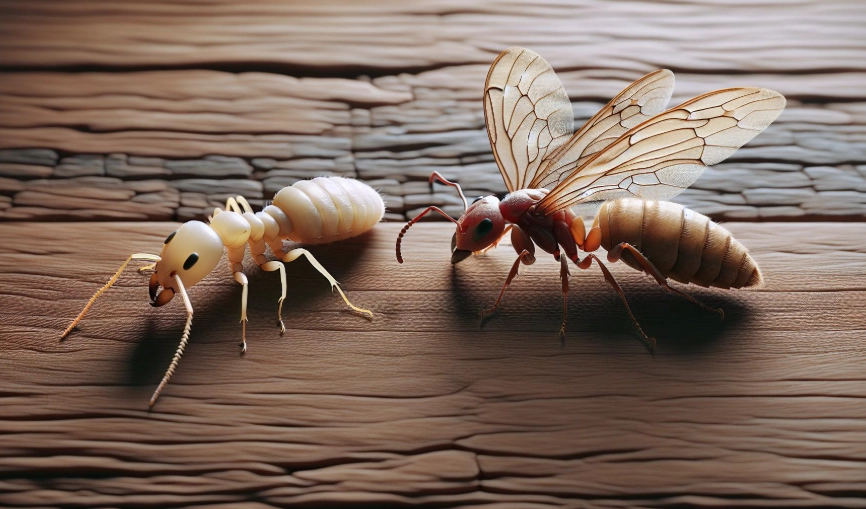
Your Questions, Answered
 I see these swarms every spring around my yard, but never inside. Am I safe?
The bottom line is simple. When you see winged insects indoors, your first job is to play detective. That quick check of the waistline, wings, and antennae empowers you to make a decision that protects your biggest investment. When in doubt, especially with termites, err on the side of calling a professional. The peace of mind—and the savings on future repairs—is worth far more than the cost of the inspection.



Comments