You wake up with a line of itchy, red bumps on your arm. Mosquitoes? Maybe. A rash? Could be. But that nagging thought creeps in—could it be bedbugs? That question alone is enough to ruin your day. I've been there. A few years back, a single business trip brought home more than souvenirs. The experience of dealing with bedbug bites and the underlying infestation was a crash course in entomology, dermatology, and stress management. This guide is what I wish I'd had: a clear, step-by-step map from confusion to resolution.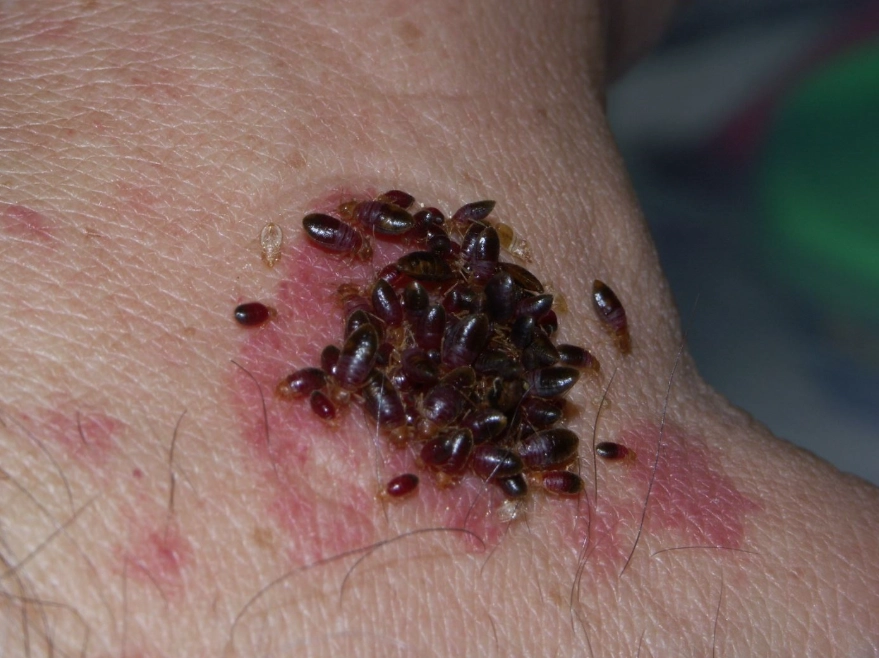
What You'll Find in This Guide
Spot the Bites: The Telltale Signs Everyone Misses
Let's cut through the vague descriptions. Bedbug bites have a specific signature, but here's the kicker—not everyone reacts to them. Some people show no marks at all, which is why one person in a bed can be covered in welts while the other is fine. This often leads to misdiagnosis or doubt. If you do react, here's what to look for.
The Classic Pattern: Breakfast, Lunch, and Dinner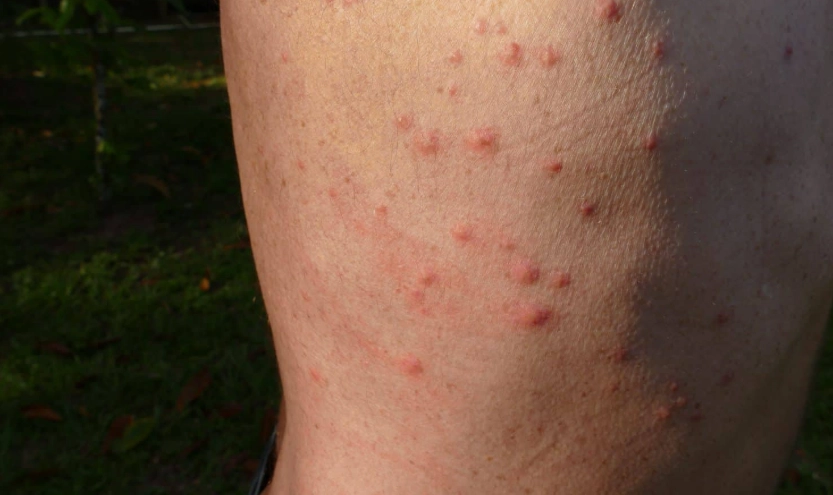
Bedbugs often feed in a pattern called "breakfast, lunch, and dinner." You'll see bites in a line or a loose cluster, usually on exposed skin while sleeping: arms, shoulders, neck, face, and legs. A random, single bite is less likely. They're drawn to the carbon dioxide you exhale and body heat, not dirt.
Appearance and Timeline
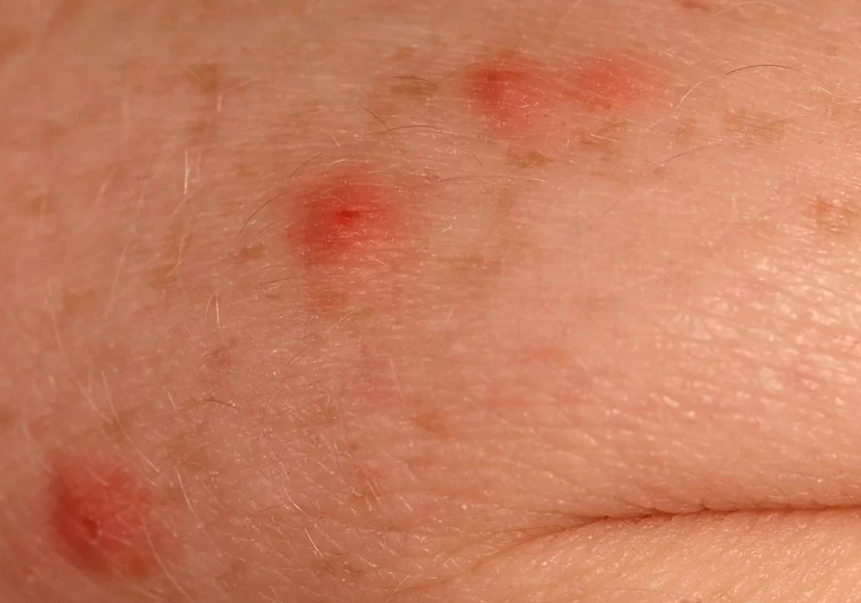
The bites themselves are small, raised, red welts. They're intensely itchy. A common mistake is expecting an immediate reaction. The itch and redness can take several days to appear, making it hard to pin down where you got them. They can last for a week or two.
Key Differentiator: Unlike flea bites which are often around the ankles, or spider bites which might be a single painful lesion, bedbug bites favor the upper body and appear in groupings.
| Bite Type | Typical Pattern | Common Location | Onset of Itching |
|---|---|---|---|
| Bedbug Bites | Linear or clustered groups of 3-5 | Arms, shoulders, neck, face | Delayed (1-3 days) |
| Mosquito Bites | Random, singular bumps | Any exposed skin | Immediate to a few hours |
| Flea Bites | Random clusters | Ankles, lower legs | Immediate |
| Spider Bites | Single, sometimes with two puncture marks | Wherever contact occurred | Often painful, not just itchy |
Stop the Itch: Immediate Relief That Actually Works
The itch is maddening. Scratching feels good for a second but risks infection and makes the bites last longer. Here’s a two-tier approach: stuff you likely have at home, and when to escalate.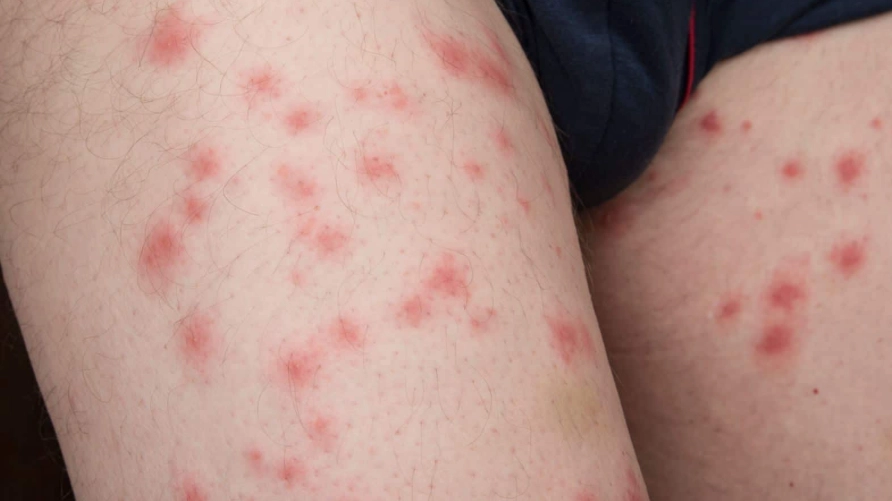
First-Line Defense (Your Medicine Cabinet)
1. Oral Antihistamines: A non-drowsy one like cetirizine (Zyrtec) or loratadine (Claritin) during the day. At night, an older one like diphenhydramine (Benadryl) can help with sleep and itching, but it will make you groggy.
2. Topical Creams: Hydrocortisone cream (1%) is the go-to. Apply a thin layer. Calamine lotion can also soothe. The trick is to apply consistently, not just once.
3. The Cold Compress: Simple, free, and effective. Wrap ice in a cloth and hold it on the bites for 10-15 minutes. It numbs the area and reduces inflammation.
Avoid This Mistake: Don't use topical antihistamine creams (like Benadryl cream) on broken skin from scratching. It can cause a contact dermatitis reaction, making everything worse. Stick to hydrocortisone for broken skin.
When to See a Doctor
If over-the-counter methods don't cut it, see a doctor. They can prescribe stronger steroid creams or oral steroids for severe reactions. See a doctor immediately if bites show signs of infection: increasing redness, warmth, pus, or red streaks leading from the bite.
Find the Source: The Bedbug Hunt (It's Not Just the Bed)
Treating the bites is half the battle. If you don't find and eliminate the source, you're just putting band-aids on a leaking pipe. Bedbugs are masters of hide-and-seek.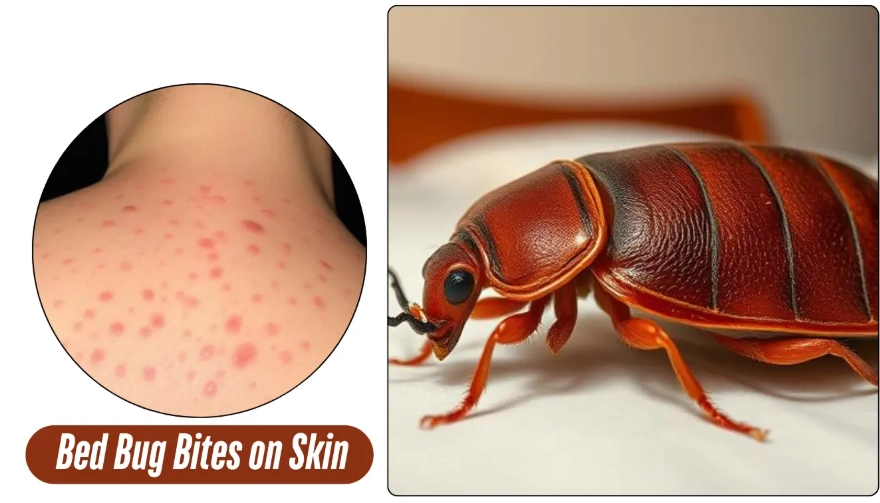
Where to Look (The Usual and Unusual Suspects)
Start by stripping your bed. Check every seam, fold, and tag on your mattress and box spring. Use a flashlight and a credit card to scrape along seams—you're looking for live bugs (apple-seed sized, brown, flat if hungry, reddish and swollen if fed), tiny white eggs, or black fecal spots (like a marker dot).
Now, think bigger. They don't just live in beds.
- Bed frame and headboard: Screw holes, joints, cracks in wood.
- Nightstands and furniture: Drawer joints, underneath, behind.
- Baseboards and carpet edges: Where the wall meets the floor.
- Electrical outlets and picture frames: Seriously. They love these dark, undisturbed voids.
- Couches and chairs: Especially seams and underneath cushions.
I missed the ones living inside my bedside lamp socket. They were there, tucked away. A pro found them.
Eliminate for Good: DIY vs. Pro Strategies
This is the crossroads. A minor, early infestation you caught in one room? You might have a DIY shot. Anything widespread, or if you're unsure, calling a professional is the smartest money you'll ever spend.
The High-Effort DIY Route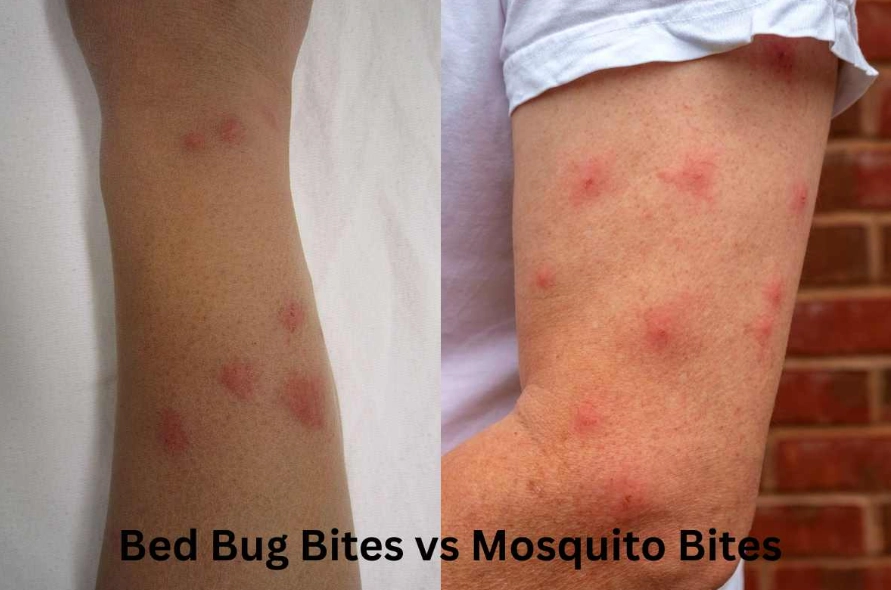
If you go DIY, commitment is key. Half-measures fail.
Step 1: Contain and Isolate. Get high-quality mattress and box spring encasements (bedbug-proof, with a zipper). This traps any bugs inside and starves them. It also makes future inspections easy.
Step 2: Heat is Your Best Friend. Wash and dry all bedding, clothes, and fabrics on the highest heat settings the fabric can tolerate. Dry for at least 45 minutes. For items that can't be washed, use a clothes dryer on high heat for 30 minutes, or consider a portable heater designed for this purpose.
Step 3: Vacuum Like a Pro. Vacuum every surface—mattress seams, furniture, baseboards. Use the crevice tool. Immediately seal the vacuum bag in a plastic bag and dispose of it outside.
Step 4: Apply Insecticides Cautiously. Look for EPA-registered products labeled for bedbugs (e.g., those with pyrethroids). Treat cracks, crevices, and voids. Never spray the top of mattresses or surfaces you contact. Consider dust formulations (like diatomaceous earth or CimeXa) for wall voids and outlets—they work slowly but are long-lasting.
Why Professional Extermination Often Wins
Pros have tools and methods that are off-limits to consumers. The most effective approach today is Integrated Pest Management (IPM), which combines multiple tactics.
- Steam Treatment: Professional steamers deliver high-temperature steam that kills all life stages on contact in furniture and seams.
- Targeted Insecticides: They have access to more potent, longer-lasting products and know exactly where to apply them.
- Whole-Room Heat Treatments: They tent your room or home and use heaters to raise the temperature to a level lethal to bedbugs (around 120°F/49°C). This is highly effective but costly.
- Follow-up: Reputable companies schedule follow-up visits to ensure the job is done. Bedbug eggs hatch in 6-10 days, so a second treatment is often necessary.
The cost of a pro can range from a few hundred to several thousand dollars, depending on infestation size. Weigh that against the cost of repeated DIY treatments, new furniture, and your sanity.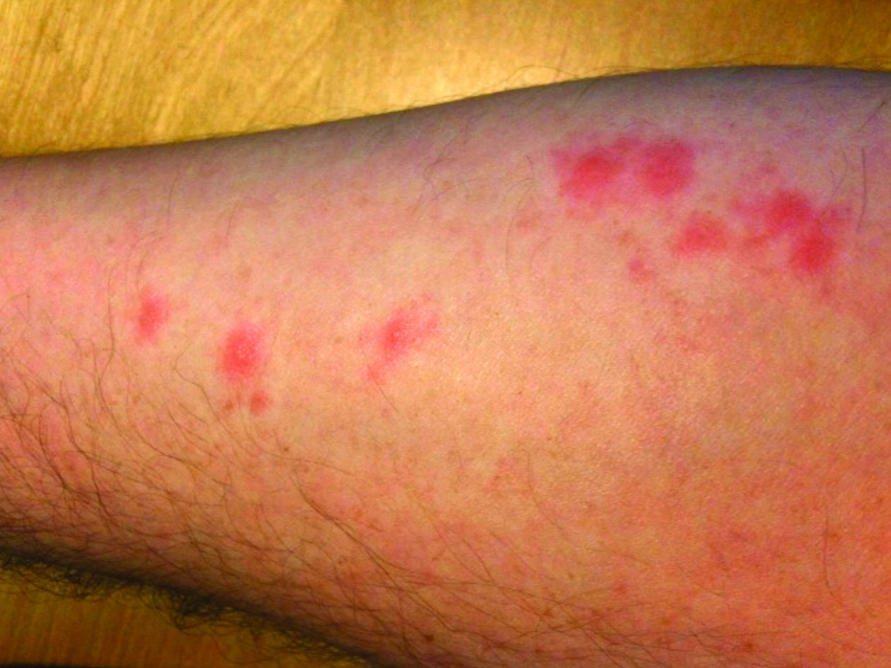
Your Burning Questions, Answered
 Can I just throw out my mattress to solve the problem?
Comments