That scratching in the wall at night? The droppings in the garage? It’s probably a rat. But not all rats are the same. Knowing exactly which type of rat you're dealing with is the first, and most critical, step to getting rid of them for good. Most people just grab a trap and hope for the best, but if you misidentify the species, you're wasting time and money. This guide cuts through the noise. We'll cover the common rat species you'll encounter, some surprising exotic ones, and most importantly, how to tailor your control strategy based on their unique behaviors.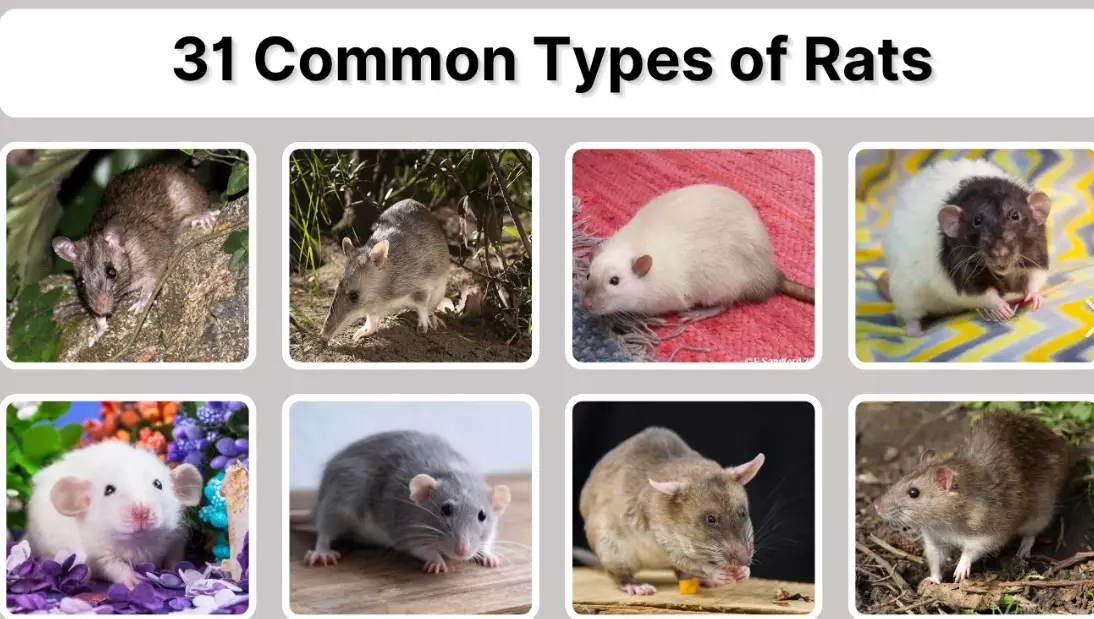
What You'll Find in This Guide
The Two Most Common Rat Species (And How to Tell Them Apart)
Over 90% of rat problems in urban and suburban settings involve one of two species: the Norway rat or the Roof rat. They're rivals, and where one dominates, the other usually isn't far away. Getting them confused is a classic beginner mistake.
Norway Rat (Rattus norvegicus)
Don't let the name fool you; this rat is thought to have originated in Asia. It's the burrower, the ground dweller. You'll find them under concrete slabs, along building foundations, in crawl spaces, and in overgrown vegetation. They're stocky and powerful.
Key Identifiers:
- Body: Heavy, thick-bodied. They look like they lift weights.
- Head: Blunt muzzle, small ears that look furry and don't reach the eyes if pulled forward.
- Tail: Shorter than the body and head combined, thick, scaly, and bi-colored (pinkish on bottom).
- Droppings: Capsule-shaped, about ¾ inch long, with blunt ends.
- Behavior: Prefers ground level. If they get inside, they stick to basements and lower floors. They are excellent swimmers, often entering properties via sewer lines—a point many homeowners overlook.

Roof Rat (Rattus rattus)
The acrobat. Also called the black rat or ship rat. This species is sleeker and built for climbing. They love attics, voids in walls, ceiling spaces, and dense trees (especially palm trees in warmer climates).
Key Identifiers:
- Body: Slender, agile, almost graceful compared to the Norway rat.
- Head: Pointed muzzle, large thin ears that reach the eyes if pulled forward.
- Tail: Longer than the body and head combined, thin, uniformly dark, and very scaly.
- Droppings: Spindle-shaped, about ½ inch long, with pointed ends.
- Behavior: Arboreal and aerial. Look for rub marks along beams and wires in the attic, and listen for noises above you at night. They gnaw on wires relentlessly, a major fire hazard.
| Feature | Norway Rat | Roof Rat |
|---|---|---|
| Primary Habitat | Burrows in ground, lower floors | Nests above ground, attics, trees |
| Body Shape | Stocky, heavy | Slender, lightweight |
| Tail Length | Shorter than body + head | Longer than body + head |
| Head & Ears | Blunt nose, small furry ears | Pointed nose, large thin ears |
| Dropping Shape | Blunt, capsule-like | Pointed, spindle-like |
| Common Entry Points | Cracks in foundation, sewer pipes | Overhanging tree limbs, roof vents |
Other Notable Rat Species You Might Encounter
While less common in homes, these species are important in specific contexts. Knowing about them prevents misidentification in regional or niche situations.
Pack Rat (Woodrat): Common in arid western US regions. They're notable collectors, building large stick nests (middens) and hoarding shiny objects. They're less associated with human disease but can cause significant property damage and chew vehicle wiring. Their droppings are darker and more oval than Norway rat droppings.
Cotton Rat (Sigmodon spp.): Primarily an agricultural and field pest in southern North America. They rarely invade homes but are significant for carrying diseases like hantavirus. They are smaller with grizzled fur.
Polynesian Rat (Rattus exulans): A major invasive species in Pacific islands, threatening native birds and plants. It's smaller than the common rats and has a more pointed snout.
Fancy Rats: These are domesticated brown rats (Rattus norvegicus), bred as pets. They are the same species as the wild Norway rat but are behaviorally and often physically distinct due to selective breeding. This is a crucial point—never assume a escaped pet rat is harmless; it can still carry zoonotic risks and revert to wild behaviors.
How to Identify Common Rat Species: A Step-by-Step Approach
You don't always see the rat. You see the evidence. Here’s how to play detective.
Step 1: Locate and Examine Droppings. This is your best clue. Fresh droppings are soft, dark, and shiny; old ones are gray and crumbly. Use the shape (blunt vs. pointed) and size from the table above. Roof rat droppings are often scattered along their aerial runways, while Norway rat droppings are concentrated near burrow entrances or along walls.
Step 2: Look for Runways and Rub Marks. Rats are creatures of habit. Norway rats create smooth, packed-down paths along walls or through grass. Look for dark, greasy rub marks on beams, pipes, or walls where their oily fur repeatedly brushes. Roof rats leave these marks on vertical pipes and attic beams.
Step 3: Listen and Locate the Noise. Is the scratching coming from under the floor or above the ceiling? Ground-level noise points to Norway rats. Ceiling and wall-top noise screams Roof rats. Gnawing sounds are louder and more consistent than squirrel noises, which are more sporadic.
Step 4: Check for Entry Points. Inspect your foundation for gaps larger than ½ inch—a Norway rat highway. Look at your roofline, vents, and where tree branches touch the house. A Roof rat can squeeze through a hole the size of a quarter.
Step 5: Consider Your Geography and Property. Do you have palm trees or a dense canopy of oaks? Roof rat risk is higher. Is your yard cluttered with lumber or have a cracked foundation slab? That’s Norway rat paradise.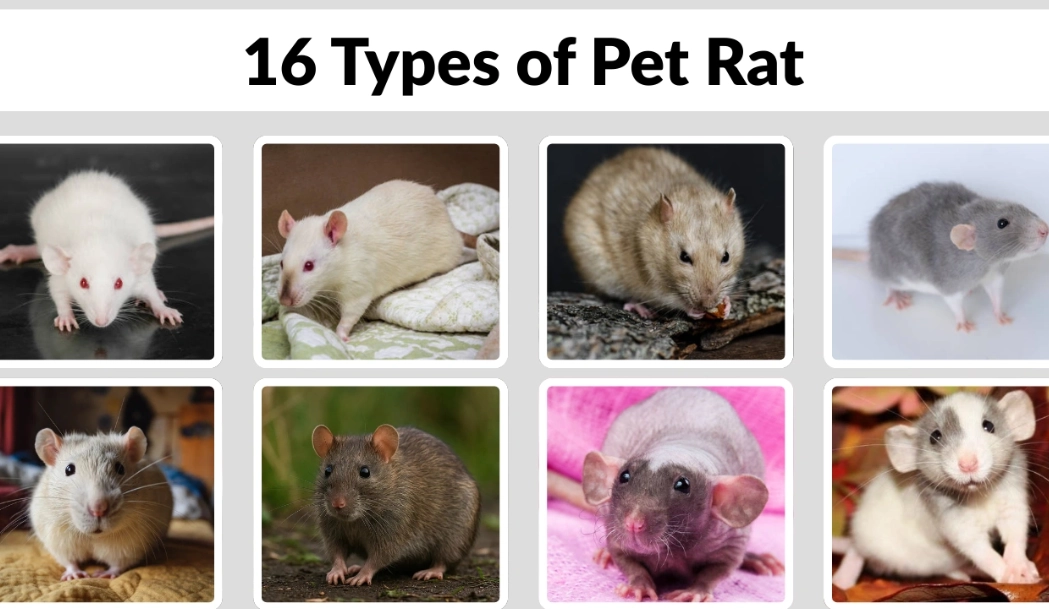
How to Get Rid of Rats Based on Their Type
Generic advice fails here. The strategy must match the species.
For Norway Rats (The Burrowers):
The goal is to make the ground inhospitable. Traps are effective, but placement is everything. Don't put them in the middle of a room. Place snap traps perpendicular to walls, with the trigger plate facing the wall, right along their runway. Use bait like peanut butter or pet food. For burrows outdoors, consider safe rodenticide baits placed in tamper-proof bait stations. The non-negotiable step is exclusion: seal every crack in the foundation with steel wool and caulk or hardware cloth. Pay special attention to where utility pipes enter the home.
For Roof Rats (The Climbers):
You have to think vertically. Snap traps work but need to be placed in their aerial pathways—along attic beams, on top of wall plates, or securely fastened to tree branches. I’ve had great success with tree-mounted traps for controlling colonies in palms. Bait stations must be placed off the ground in secure locations. The single most effective action is trimming tree branches to keep them at least 4 feet away from the roofline. Seal all roof vents with rodent-proof mesh and cap chimneys.
A common but subtle mistake is using the wrong bait. Norway rats are more opportunistic and go for protein-based baits. Roof rats, perhaps due to their ancestral diet in fruit-growing regions, often show a slight preference for sweet, sugary baits or fresh fruit. Try a piece of dried fruit or a nut butter with jam on a Roof rat trap.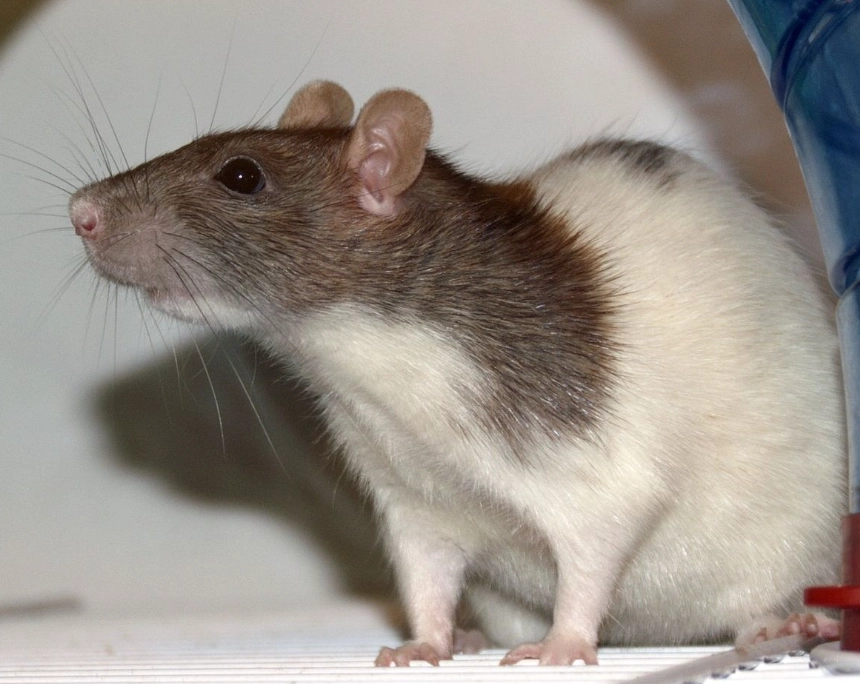
Your Rat Identification Questions Answered
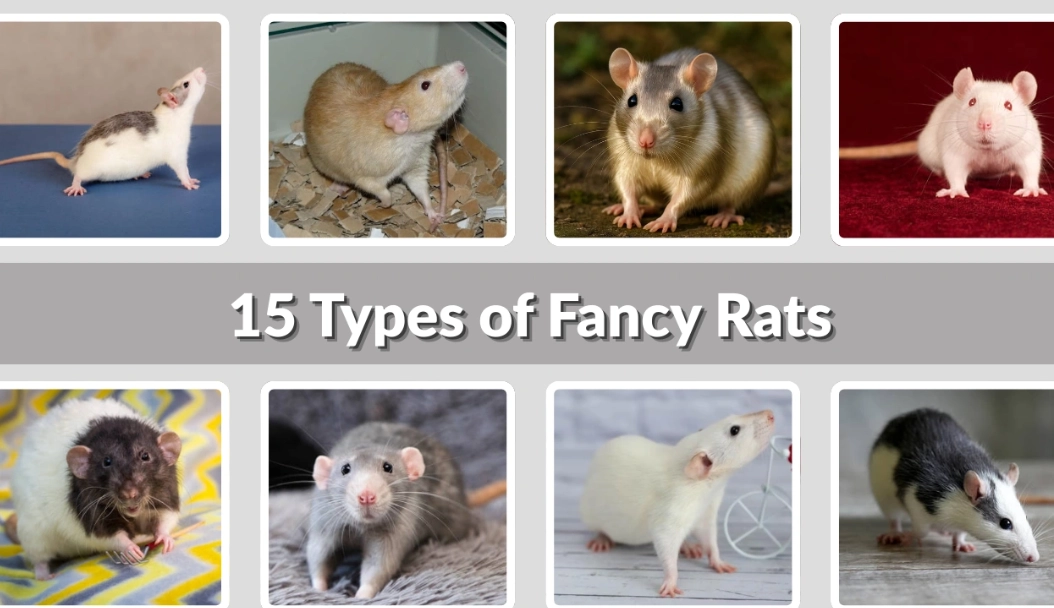 Are black rats always Roof rats and brown rats always Norway rats?
 Identifying the type of rat is more than academic—it's the cornerstone of effective control. Mistaking a Roof rat for a Norway rat means you'll be looking at the ground while they're thriving above your head. Start with the evidence: the droppings, the noises, the rub marks. Match it to the species profile. Then, and only then, deploy a targeted strategy that exploits their specific habits and weaknesses. For ongoing, science-based information on rodent-borne diseases, always refer to authoritative sources like the CDC's rodent page. Remember, the goal isn't just to kill a few rats; it's to understand them well enough to keep them out for good.



Comments