You hear that low buzz before you see it. A fly lands on your kitchen counter, then your fruit bowl, then your arm. You swat, it dodges. It feels like a personal invasion. I get it. I’ve been there, and over years of dealing with everything from tiny fruit flies to aggressive cluster flies, I’ve learned that most advice misses the mark. The secret isn't just killing the flies you see; it's understanding why they're there and systematically removing their reasons to stay. This guide cuts through the noise.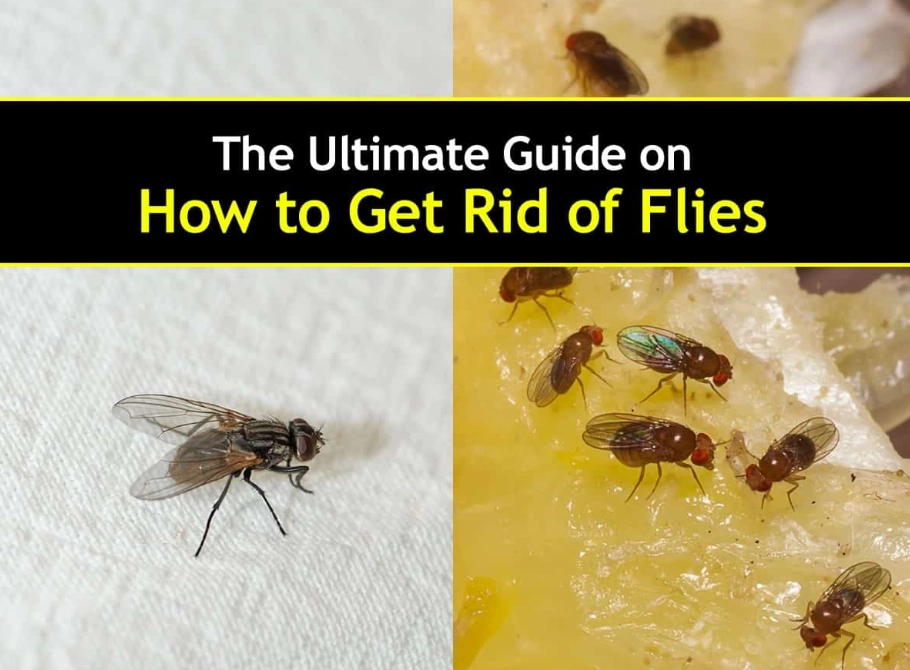
What’s Inside This Guide
Know Your Enemy: Identifying Common Fly Types
Spraying blindly at every buzzing thing is a waste of effort. Different flies have different motives. Treating a drain fly infestation like a housefly problem is like using a hammer on a screw.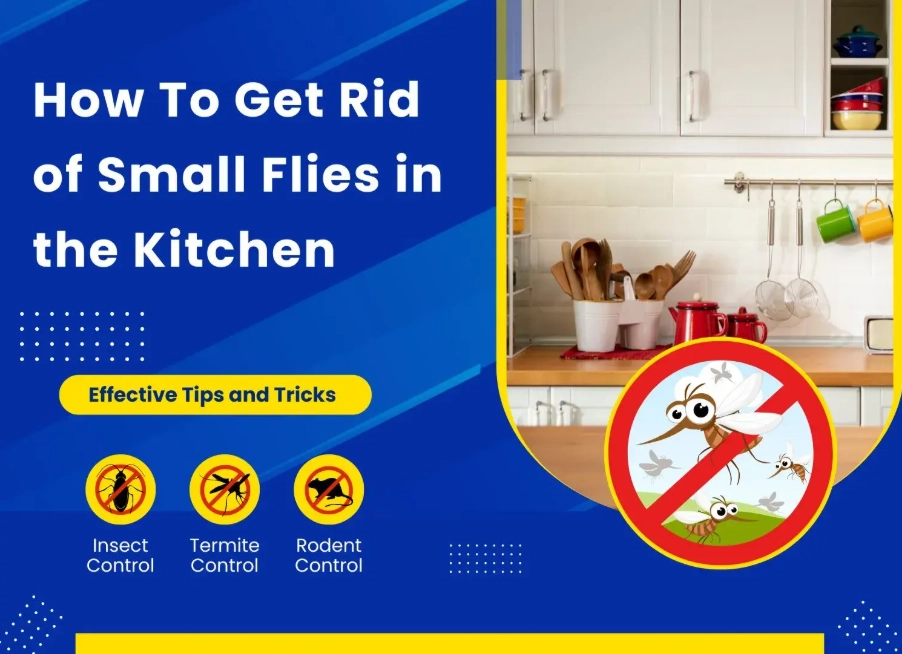
House Flies: The classic grey nuisance. They’re after decaying organic matter—food scraps, pet waste, garbage. They can carry over 100 pathogens, according to research from institutions like Penn State University's Department of Entomology. Spot them by their size and lazy, looping flight.
Fruit Flies: Tiny, tan, and obsessed with fermenting sugars. That overripe banana? A pint of craft beer left on the counter? That’s their five-star resort. Their lifecycle is incredibly fast—eggs to adults in about a week—which is why an infestation seems to explode overnight.
Drain Flies (a.k.a. Moth Flies): These look like tiny, fuzzy moths. If you see them, the problem is almost always inside your drains or pipes, feeding on the gelatinous gunk (biofilm) that builds up. Pouring bleach down the drain often just scratches the surface.
Cluster Flies: Larger, slower, and appear in fall. They don’t want your food; they want to hibernate in your wall voids and attics. They’re a structural pest, not a sanitation one.
| Fly Type | Key Identifier | Primary Attraction | Common Breeding Site |
|---|---|---|---|
| House Fly | Medium, grey, 4 black stripes on thorax | Decaying organic waste, manure | Overflowing trash bins, compost piles, pet areas |
| Fruit Fly | Very small (3mm), tan/red eyes | Fermenting fruit, vegetables, alcohol | Kitchen counters, recycling bins, bar areas |
| Drain Fly | Small, fuzzy, moth-like wings | Moist, organic sludge | Inside sink, shower, and floor drains |
| Cluster Fly | Large, dark grey, golden hairs | Warmth for hibernation | Wall voids, attics, behind siding |
Immediate Action: How to Trap and Kill Flies Fast
Let's deal with the adults buzzing around first. This gives you breathing room to execute the long-term plan.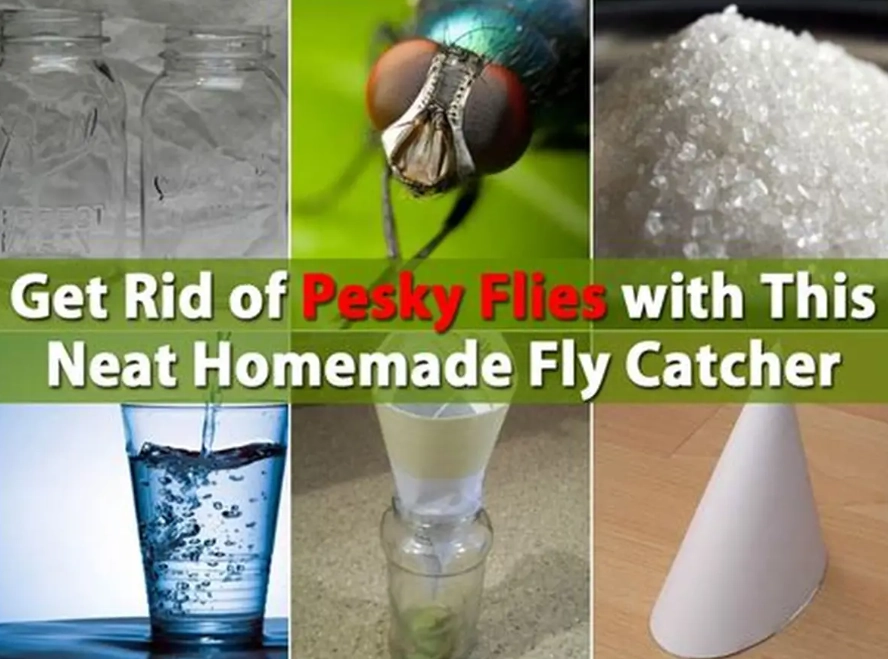
DIY Traps That Outperform Store-Bought Ones
Forget those weak, decorative traps. A mason jar is your best friend.
The Apple Cider Vinegar & Dish Soap Trap (for Fruit Flies): This is the gold standard. Pour an inch of apple cider vinegar into a jar. Add a drop of dish soap and swirl. The soap breaks the surface tension, so they sink and drown. Cover the top with plastic wrap, poke small holes. I’ve caught hundreds in a weekend with this. The mistake people make? Using white vinegar. Apple cider vinegar mimics the smell of rotting fruit they crave.
The Sugar-Water Funnel Trap (for House Flies): Mix sugar and water in a bowl. Place a paper funnel (small hole at the bottom) into the jar neck. Flies go down for the sugar but can’t navigate back out the small hole. Position it near your trash can but away from food prep areas.
Strategic Use of Fly Swatters and Zappers
A good old-fashioned swatter is underrated. It’s immediate, chemical-free, and oddly satisfying. The trick is to aim slightly behind them—they jump forward to take off. Electric fly zappers (the blue-light ones) work best outdoors, placed 20-30 feet away from your patio to draw them away from you. Indoors, they can spatter insect parts, which is gross.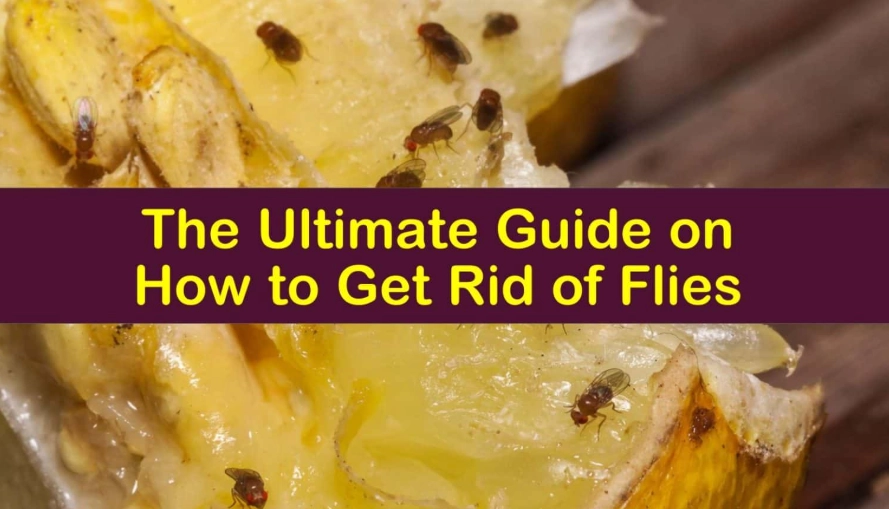
The Real Fix: A Sanitation and Exclusion Battleplan
Killing flies is a temporary victory. Eliminating their breeding grounds is how you win the war. This is the part most blogs gloss over.
Kitchen Forensic Clean: This goes beyond wiping counters. Pull out your fridge and stove. Check for spilled food, onion skins, or a rogue potato that rolled into the abyss. Fruit flies can breed in the damp mop head under your sink. Clean your garbage disposal with ice cubes and citrus peels, then follow with a baking soda and vinegar flush.
Trcan Protocol: Use a can with a tight-sealing lid. Line it with a bag. Rinse your recyclables. That beer can with a few drops left is a fruit fly nursery. Take the trash out nightly during an active infestation, even if it’s not full.
Pet Area Management: If you have pets, this is critical. Scoop litter boxes daily. Pick up dog waste from the yard immediately. Don’t leave wet pet food sitting out for hours. Flies lay eggs in it within minutes.
Seal the Entry Points: Install fine mesh screens (18x16 mesh or finer) on all windows and doors. Check for gaps around utility lines, vents, and siding. A fly can squeeze through a crack the width of a pencil tip. Use silicone caulk or weather stripping to seal them.
Building Your Outdoor Defense Perimeter
Your yard is the front line. Manage it well, and you stop flies before they ever reach your door.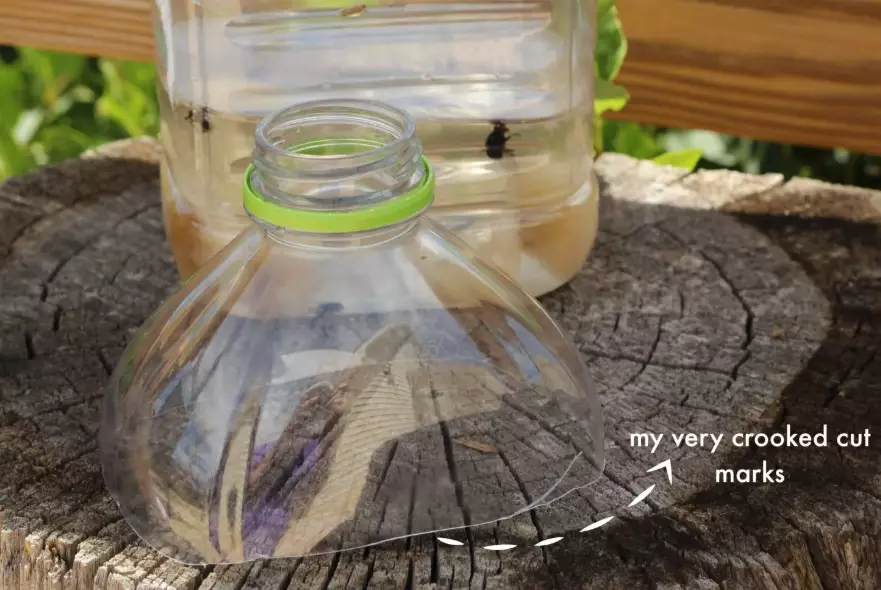
- Compost Smartly: Use a sealed compost bin. Never add meat, dairy, or oils to an open pile. Turn it regularly to generate heat, which kills fly larvae.
- Manage Moisture: Fix leaky outdoor faucets. Clean gutters so they don’t hold stagnant, leafy water. Ensure downspouts direct water away from your foundation.
- Natural Repellents: Plant basil, mint, lavender, or marigolds near doorways. Flies dislike their scent. It’s not a forcefield, but it helps. I keep a pot of basil by my back door and swear it reduces traffic.
- Keep It Tidy: Don’t leave fallen fruit from trees rotting on the ground. Keep grill areas clean of grease and food debris. Keep trash and recycling bins clean and latched.
When to Call the Pros: Signs You Need Expert Help
Sometimes, the problem is bigger than DIY. There’s no shame in it. I’ve called pest control myself for cluster flies.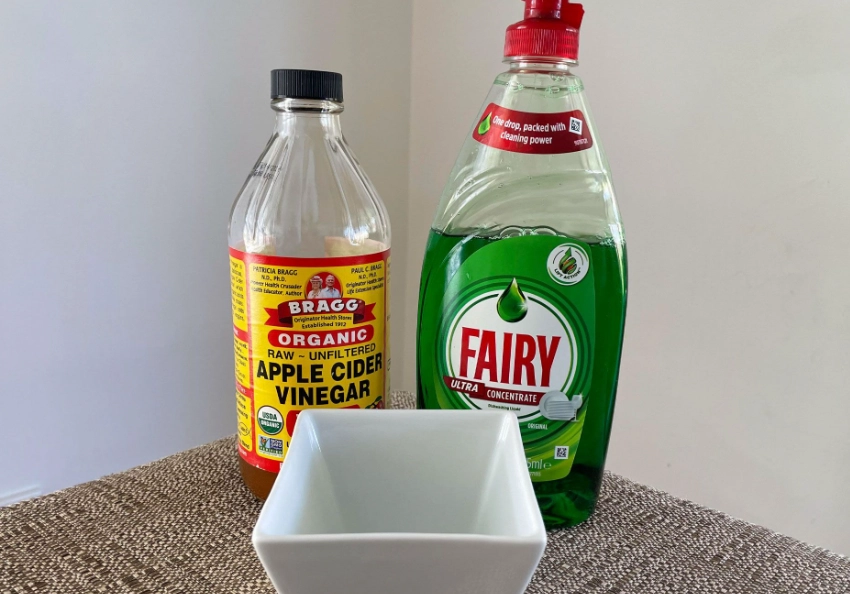
Call a licensed pest control professional if:
- You’ve executed a perfect sanitation plan but still see a constant, high number of flies. This suggests a hidden breeding site inside a wall, under the floor, or in a crawl space.
- You suspect a dead animal (like a rodent) in your walls or attic. The smell is a giveaway. This requires removal and sanitization.
- You have a persistent drain fly issue that mechanical cleaning won’t solve. Pros can use specialized bio-gel treatments or pipe cameras to find the source.
- The infestation is cluster flies or blow flies, which often indicate a structural entry point that needs professional sealing and possibly a residual insecticide application to exterior surfaces in the fall.
Your Fly Control Questions, Answered
Why are there so many flies in my house all of a sudden?
A sudden influx usually means a new, potent breeding source has become available nearby. Check for forgotten food spills under appliances, a bag of potatoes or onions starting to rot in a pantry corner, or a garbage can that wasn't sealed after disposal day. Outdoor conditions like warm, humid weather after rain can also trigger a hatch of eggs laid earlier.
What is the one mistake everyone makes when trying to get rid of flies?
Focusing only on the adults and ignoring the larvae. You can kill 100 flies today, but if you don't find and eliminate the moist, organic matter where they laid eggs (the maggots), you'll have 200 more in a week. The lifecycle is the target, not the individual insect.
 Do ultrasonic pest repellers or essential oils really work on flies?
The evidence is shaky at best. Studies, including those reviewed by authorities like the Federal Trade Commission, have found ultrasonic devices largely ineffective against pests like flies. Essential oils like lemongrass or eucalyptus can have a mild repellent effect in high concentrations in a lab, but the diffused amount in your home is unlikely to create a reliable barrier. They might mask odors briefly, but they won't solve an infestation.
I clean constantly but still have fruit flies. Where are they coming from?
Look beyond the obvious. They can breed in the drip tray under your refrigerator, in the overflow hole of a sink, in a rarely-used floor drain (pour a gallon of water down unused drains monthly), or even in the soil of an overwatered houseplant. They also hitchhike in on grocery store produce. Wash fruits and vegetables as soon as you bring them home, and store ripe fruit in the fridge.
Is it safe to use fly spray or foggers indoors?
I generally advise against it for a routine problem. They leave chemical residues on surfaces and only kill flies present at that moment. They do nothing for eggs or larvae. For a severe, immediate swarm, a targeted aerosol spray can be a tool, but it must be paired with the sanitation steps. Always follow the label instructions to the letter, ventilate the area thoroughly, and cover or remove food and dishes. For long-term control, exclusion and sanitation are safer and more effective.

Comments