You're sweeping the basement and see a few tiny, pale insects near a damp corner. Or maybe you find a small pile of what looks like coarse coffee grounds by a window sill. Your mind races. Are those termites? What do termites even look like, anyway? Most people's mental image is fuzzy at best. I've been in pest management for over a decade, and I can tell you that misidentification is the rule, not the exception. Homeowners often waste time and money treating for the wrong bug or, worse, ignore the early signs of a termite infestation because they didn't recognize what they were seeing. Let's fix that. This guide will show you exactly what to look for, down to the antennae and wing veins.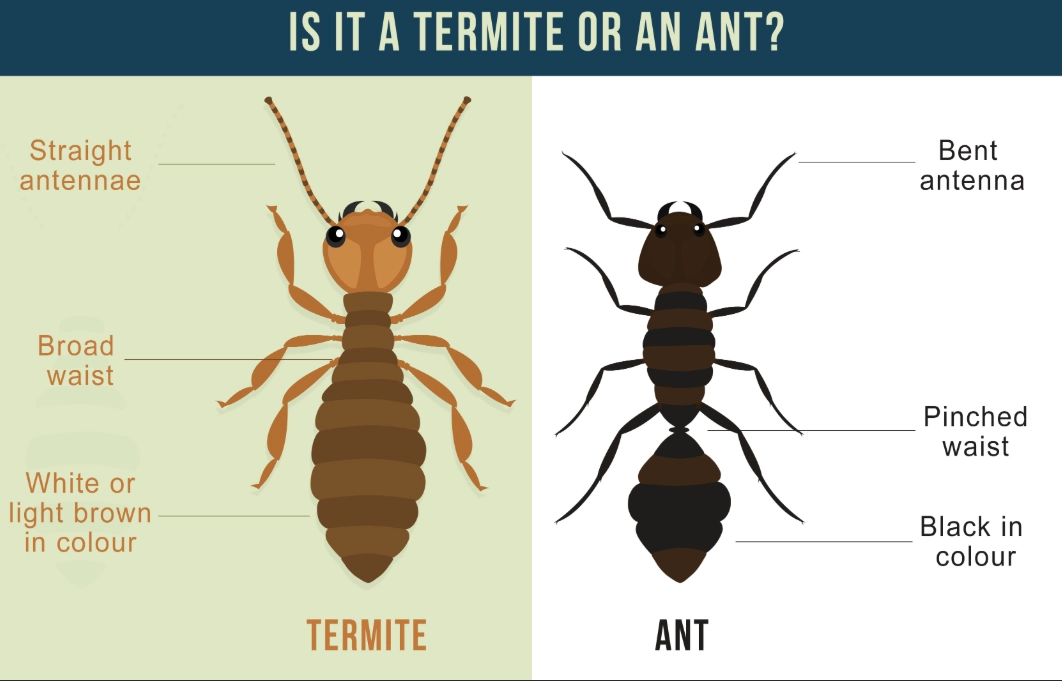
What’s Inside This Guide?
- What Do Termites Look Like? The Core Anatomy
- The 3 Main Types of Termites and What They Look Like
- How to Tell Termites Apart from Ants: The #1 Mistake Homeowners Make
- Where to Look for Termites (And What You'll Find)
- What to Do If You Think You've Found Termites
- Your Termite Identification Questions Answered
What Do Termites Look Like? The Core Anatomy
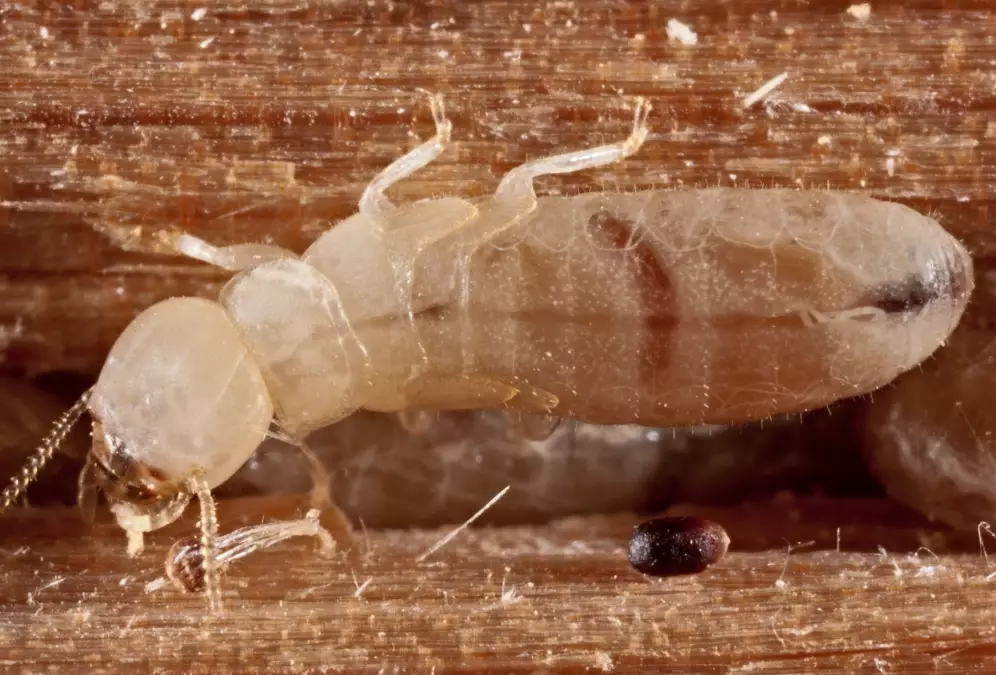
Forget the monster movie versions. Termites are small. Most worker termites, the ones doing the eating, are about 1/4 inch long (6 mm)—roughly the size of a grain of rice. Their bodies are soft, not hard like a beetle's. The color is key. Worker termites are almost always a pale, creamy white, sometimes with a hint of yellow or tan. They avoid light, so their lack of pigment makes sense. If you see a dark or reddish insect, it's probably not a worker termite.
Now, look closer. A termite's body isn't pinched in the middle like a wasp. It's more or less rectangular, a straight tube from head to rear. The head is darker than the body, often a yellowish-brown, with a pair of straight, bead-like antennae. This is a critical detail. Their antennae look like a tiny string of pearls—straight and beaded. No elbows, no bends.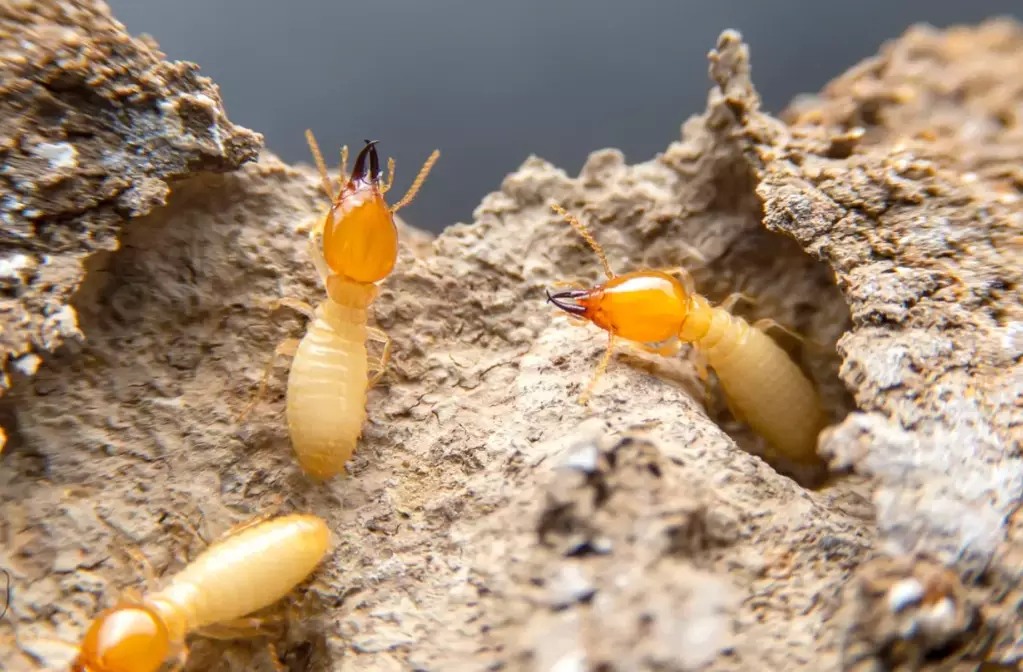
Pro Tip from the Field: Don't just look at color. I've seen countless panic calls over fat, white ant larvae or pale booklice. The straight, beaded antennae and the thick, uniform waist are your dead giveaways for a termite. If the waist is skinny, you're looking at something else.
The 3 Main Types of Termites and What They Look Like
Not all termites are identical. In North America, you're dealing with three main culprits, and their looks and habits vary. Knowing which one you might be facing changes everything.
1. Subterranean Termites
These are the big bad wolves, causing over 95% of termite damage in the U.S. according to the National Pest Management Association (NPMA). They live in massive colonies underground and build mud tubes to reach your house.
- Workers/Soldiers: Classic creamy white color. Soldiers have large, rectangular, orange-brown heads with big pincer-like mandibles for defense.
- Swarmers (Alates): This is what most people see. They're the reproductive termites. They are black or dark brown, about 1/4 to 3/8 inch long, with two pairs of long, milky-white wings of equal size. After they swarm, they shed these wings, leaving piles of delicate wings as a major clue.
2. Drywood Termites
These guys don't need contact with soil. They live inside the wood they eat, often in attic frames, furniture, or window sills. Their colonies are smaller but can be numerous.
- Workers/Soldiers: Similar creamy color to subterraneans. Drywood soldier heads are darker, more reddish-brown, and their mandibles have teeth, unlike the smoother jaws of subterranean soldiers.
- Swarmers: Larger than subterranean swarmers, often over 1/2 inch long. Their bodies are a reddish-brown to dark brown, and their wings are translucent with a slight smoky tint, not milky-white.
- Key Sign: Their fecal pellets, called frass. They kick these hard, six-sided pellets out of tiny "kick-out holes." The piles look like fine, gritty sand or coffee grounds.
3. Dampwood Termites
As the name says, they love wet, decaying wood. You'll find them in old stumps, leaky roof timbers, or wood touching damp soil. They're less common in structures unless there's a chronic moisture issue.
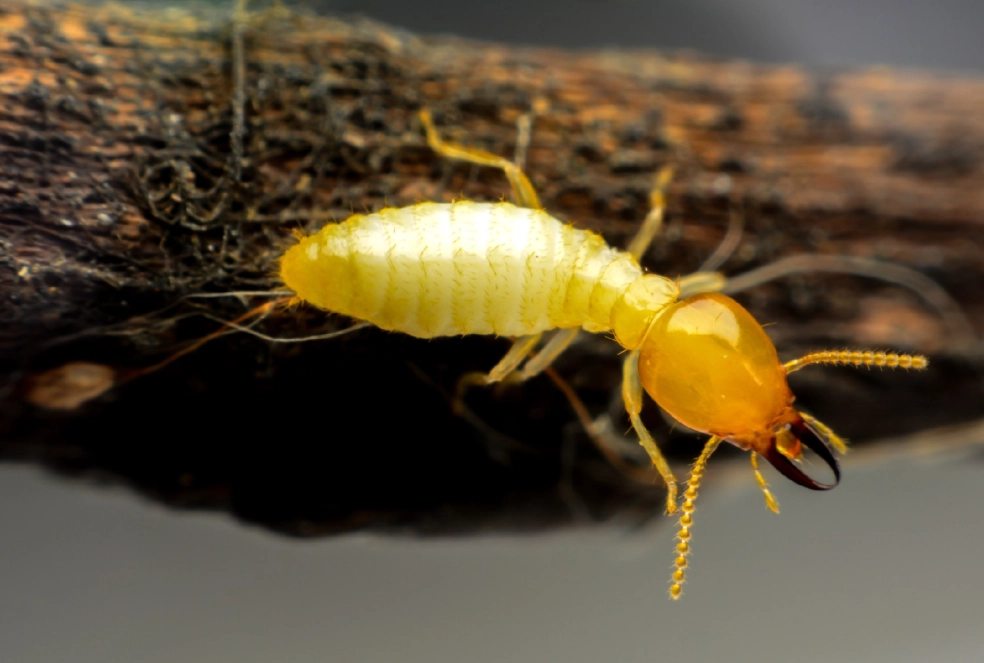
- Size & Color: They are the giants. Workers and soldiers can be up to 3/4 inch long. Their color is usually a lighter, more golden brown compared to other termites.
- Soldiers: Have massive, dark brown heads with large, serrated mandibles.
How to Tell Termites Apart from Ants: The #1 Mistake Homeowners Make
This is where everyone gets tripped up, especially with swarming insects. Carpenter ants also swarm, are dark, and have wings. But confusing them could mean ignoring a termite problem or wrongly treating for carpenter ants. Let's break it down visually.
| Feature | Termite Swarmer | Carpenter Ant Swarmer |
|---|---|---|
| Body Shape | Rectangular, thick waist. Body is a straight tube. | Clearly defined, pinched waist (like a wasp). |
| Antennae | Straight and beaded (like a tiny pearl necklace). | Elbowed (bent at a sharp angle). |
| Wings | Two pairs of equal length, long, milky or translucent. Wings are much longer than the body. | Two pairs of unequal length. The front wings are noticeably longer than the hind wings. |
| Wing Shedding | Wings detach easily, leaving piles of intact, discarded wings. | Wings are less likely to be found in large, neat piles. |
| Color | Uniformly black, dark brown, or reddish-brown. | Typically black, sometimes dark brown. |
See the wings? That's the fastest check. Equal length wings = potential termite. Unequal length wings = ant. Carpenter ants excavate wood to nest but don't eat it. Termites consume cellulose for nutrition. The damage patterns differ, but the first step is knowing which insect you have.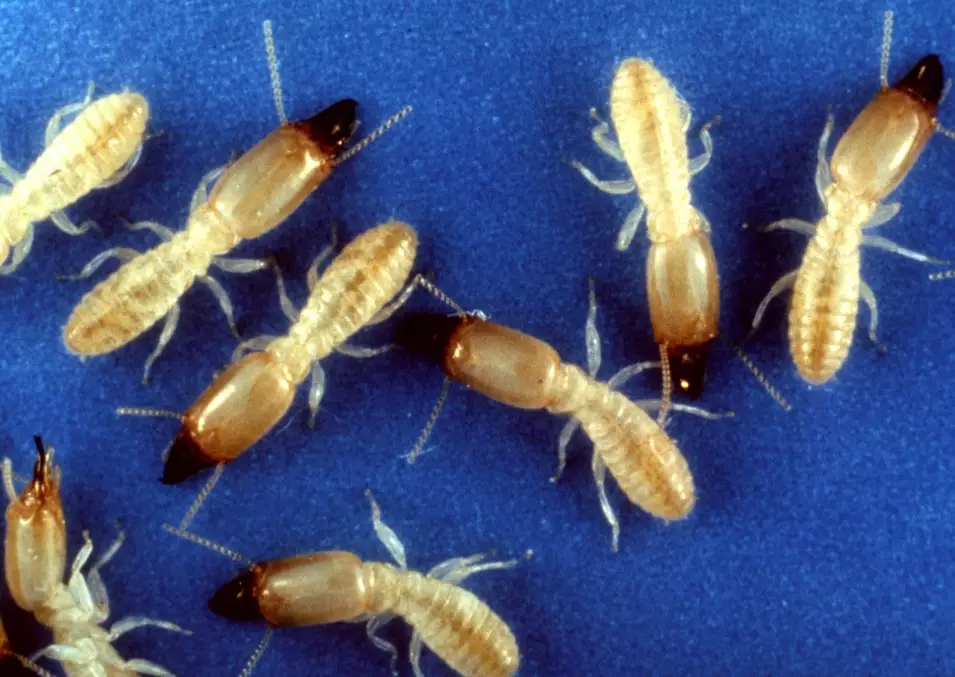
Where to Look for Termites (And What You'll Find)
You won't often see the workers. They're hidden. You see the evidence. Here’s a practical home inspection checklist based on thousands of service calls.
Foundation & Exterior: Scan the perimeter for mud tubes. These are pencil-width tunnels of soil and saliva on foundation walls, piers, or crawl space supports. They feel gritty. Break one open. If it's active, you'll see those creamy white workers scurrying inside within minutes.
Interior - Basement & Crawl Spaces: This is ground zero for subterranean termites. Look for mud tubes on pipes, along floor joists, or coming from the soil. Tap on wood with a screwdriver handle. A hollow sound or papery feel means damage. Probe suspicious wood; if the tool sinks in easily, you've got a problem.
Interior - Living Areas & Attic: For drywood termites, focus upward. Check windowsills, door frames, and attic rafters for tiny holes (less than 1/16 inch) and piles of granular frass. The frass piles up directly below the holes. Peel back loose wallpaper or check behind baseboards. Blistered or darkening paint on wood can indicate tunneling just beneath the surface.
I remember one call where the homeowner was convinced they had a dust problem. They kept vacuuming up "sand" from their bay window seat. It was classic drywood termite frass. The damage inside the window frame was extensive because it was dismissed for months.
What to Do If You Think You've Found Termites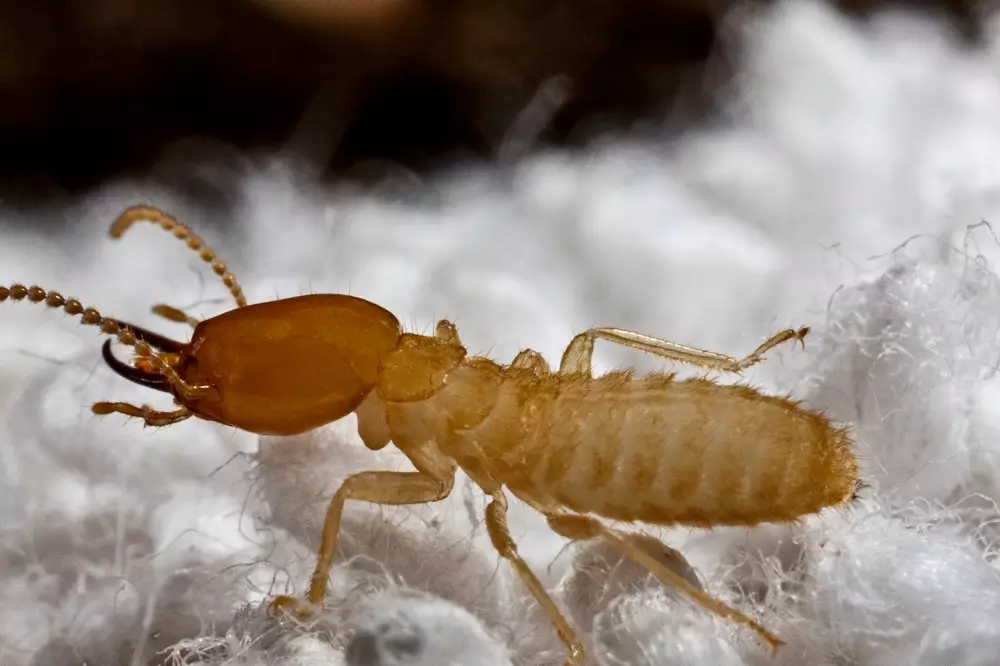
Don't panic, but don't wait. Termites work 24/7.
- Confirm: Use the guide above. Try to safely collect a few specimens in a sealed plastic bag or jar. A clear photo with good macro focus on the antennae and wings can help a professional ID it remotely.
- Do NOT Disturb: Avoid spraying insecticides or cleaning up frass/mud tubes extensively. You might just push the colony deeper or make it harder for a pro to assess the activity.
- Call a Professional: Termite control is complex. Get a thorough inspection from a licensed pest management company. Ask them to show you what they found. A good technician will point out the evidence and explain your options. Treatments like soil barriers or bait systems are jobs for experts.
Your Termite Identification Questions Answered
I found winged insects in my house. Are they termites or flying ants?
Grab one if you can. Look at the wings first. If both pairs are identical in size and shape, and the body has a thick waist with straight antennae, you're likely holding a termite swarmer. If the wings are different sizes and the body has a sharply pinched waist, it's an ant. The piles of discarded wings are a huge clue for termites.
Can termites be black?
Yes, but only the swarmers (reproductives). The workers and soldiers that do the damage are almost never black. If you see a black insect with a thick waist and equal-length wings, it's a termite swarmer. If it's black with a thin waist, it's almost certainly an ant. This nuance trips up so many people.
 What do termite eggs look like?
You'll almost never see them. They are tiny, white, jellybean-shaped ovals, typically buried deep in the nest chamber or central gallery of the colony. Finding them during a DIY inspection is highly unlikely. Focusing on workers, swarmers, frass, and mud tubes is far more practical.
I see tiny white bugs in my mulch. Are they termites?
Probably not. Mulch is full of decomposers like springtails, psocids (booklice), and soil mites. These are often white and tiny. The giveaway again is the body shape and antennae. Termites have that distinct straight waist and beaded antennae. Other soil bugs have more segmented bodies or different antennae. Mulch can attract termites, but the bugs living in it are usually harmless.
How fast can termites destroy a house?
It's a marathon, not a sprint, but they don't take breaks. A mature subterranean termite colony can eat about a foot of a 2x4 piece of wood in 5-6 months. The real danger is that they often go undetected for years. By the time you see sagging floors or crumbling wood, the structural damage has been accumulating for a long time. This is why annual professional inspections are worth their weight in gold.


Comments