Let's be honest. Finding a cockroach scurrying across your kitchen floor at night is a uniquely awful feeling. It's not just the ick factor—it's the immediate worry about an infestation, the fear for your family's health, and the frustration of not knowing where to start. You're not dealing with just a "bug"; you're facing a member of the Blattidae family, a group of insects that have perfected the art of survival for over 300 million years. This guide cuts through the noise. We'll move past generic advice and dive into the specific biology, behavior, and control strategies for the common Blattidae cockroaches that invade our spaces. By understanding your opponent, you can build a defense that actually works.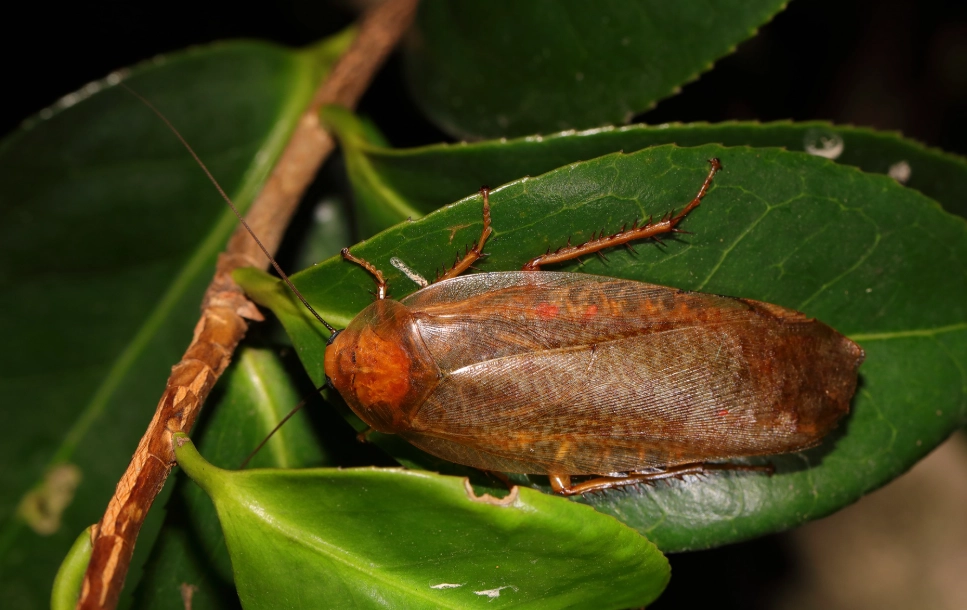
What You'll Learn in This Guide
Know Your Enemy: Identifying Common Blattidae Species
Not all cockroaches are created equal. Spraying blindly at a dark shape is a waste of time and product. Effective control starts with knowing which of the common domestic Blattidae species you're up against. Their habits, preferred hiding spots, and even reproductive rates differ.
Here’s a quick breakdown of the usual suspects. Look for these key features.
| Species (Common Name) | Key Identifying Features | Preferred Habitat & Behavior | Reproduction Rate (Egg Cases/Year) |
|---|---|---|---|
| German Cockroach (Blattella germanica) |
Small (13-16 mm), light brown to tan, with two distinct dark parallel stripes running from the head to the base of the wings. Nymphs are darker with a single light stripe. | #1 indoor pest worldwide. Loves warmth, moisture, and food residue. Found in kitchens, bathrooms, appliances (fridge motors, toasters), and electrical outlets. Highly social, clusters in harborage sites. | Extremely High (4-8 oothecae, each with 30-40 eggs). This is why infestations explode. |
| American Cockroach (Periplaneta americana) |
Large (35-40 mm), reddish-brown with a yellowish figure-8 pattern on the back of the head. Both adults and nymphs can fly in warm conditions. | Prefers dark, damp, and cool areas like basements, sewers, drains, and crawl spaces. Often enters homes from the sewer system or foundation cracks. More of a "commuter" pest than a permanent indoor resident. | Moderate (up to 90 egg cases in a lifetime, each with about 16 eggs). |
| Oriental Cockroach (Blatta orientalis) |
Medium-sized (20-25 mm), glossy dark brown or black. Females have very short, non-functional wing pads; males have wings covering about 3/4 of their abdomen. They cannot fly. | Often called "water bugs." Drawn to decaying organic matter and cool, extremely damp locations. Common in damp basements, floor drains, under sinks, and under mulch or leaf litter outside. Moves slower than other species. | Lower (about 8 oothecae, each with 16 eggs). Slower population growth but harder to dislodge from damp areas. |
I once misidentified a small Oriental cockroach nymph as a German roach. I used a gel bait meant for Germans, which they love. It failed completely. Orientals have different feeding preferences and often ignore sweet, grease-based German cockroach baits. That mistake cost me two weeks. The correct approach was a perimeter spray and granular bait in the damp basement corner they were coming from. Identification matters.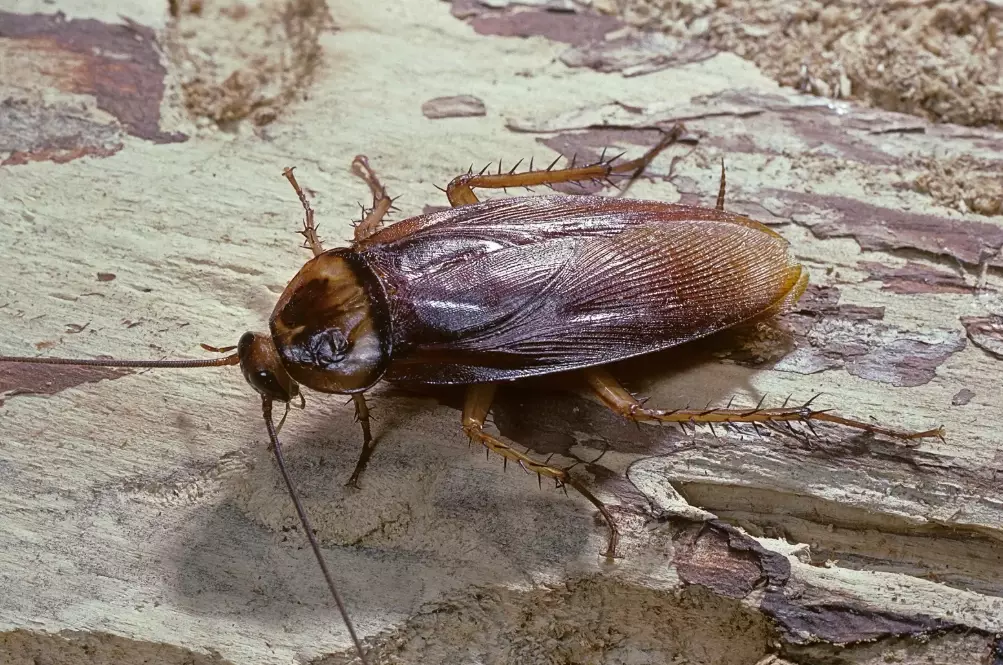
Where to Look for Signs (It's Not Just Live Bugs)
You might not see the cockroaches themselves, especially German roaches which are nocturnal and shy. Look for these telltale signs:
Fecal Matter: German roach feces look like coarse black pepper or coffee grounds, often concentrated in corners, drawers, or under appliances. American roach droppings are larger, ridged, and blunt-ended.
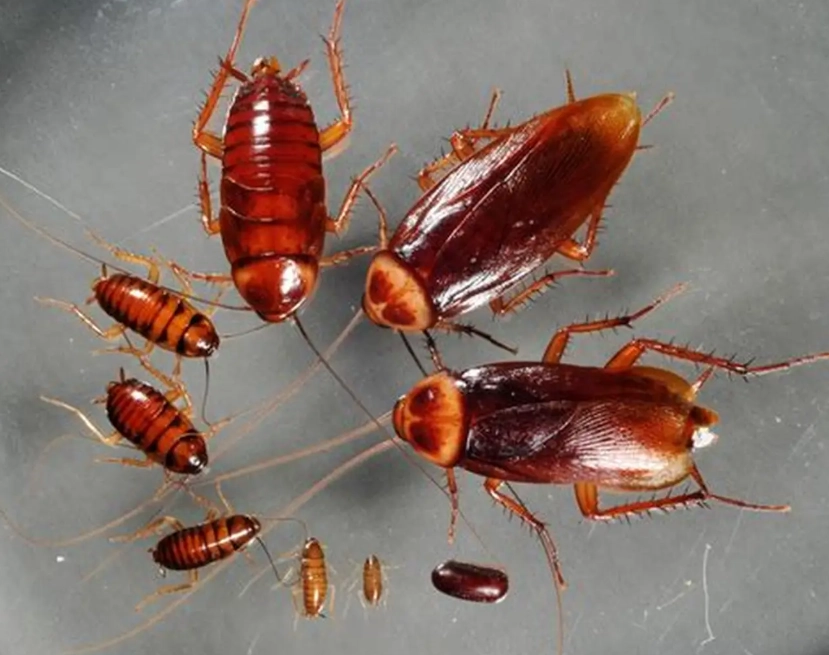
Egg Cases (Oothecae): German oothecae are light brown, pill-shaped, and about 6-9 mm long. You'll often find them glued to surfaces near harborage. American roach oothecae are dark brown and look like dried kidney beans.
Shed Skins: Nymphs molt 5-7 times before adulthood. These pale, crinkly exoskeletons accumulate in hiding spots.
A Musty, Oily Odor: A persistent, unpleasant smell in a cabinet or near an appliance can indicate a large, established population. They produce aggregation pheromones in their feces that create this odor.
Why They Are a Problem Beyond the Creep Factor
It's easy to think the main issue is disgust. The real problems are invisible.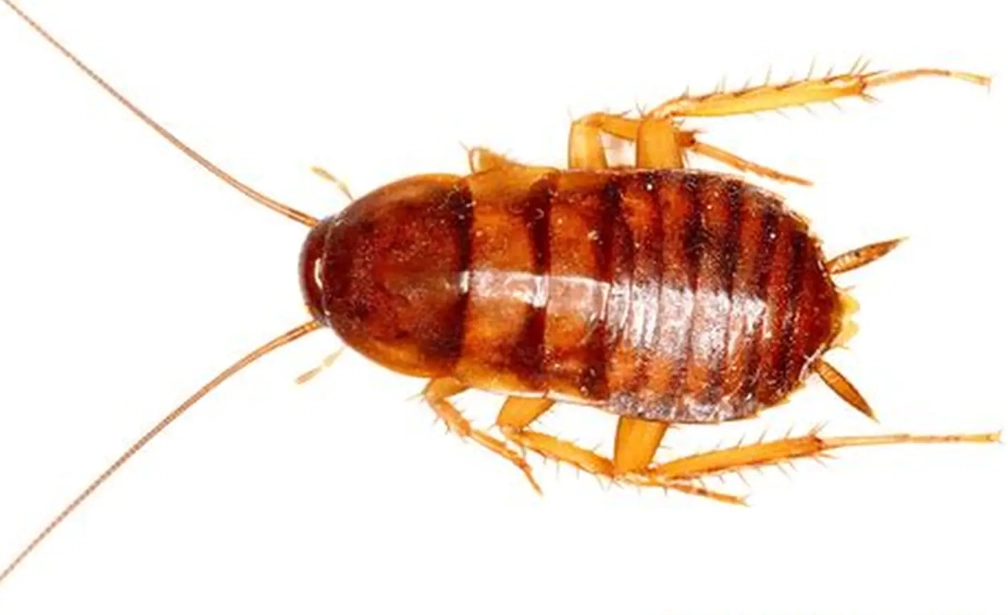
Disease and Allergen Spread: Cockroaches are scavengers. They feed on garbage, sewage, and decaying matter, then walk across your countertops, dishes, and food. They can mechanically transmit bacteria like Salmonella and E. coli. More insidiously, their saliva, feces, and shed body parts are potent allergens. The U.S. Environmental Protection Agency and studies from institutions like the National Institutes of Health note that cockroach allergens are a major trigger for asthma attacks, especially in children living in densely populated urban areas.
Property Damage: They'll chew on book bindings, wallpaper glue, and even electrical wiring, which poses a fire risk. I've seen small electronics short out due to roach activity inside.
How to Get Rid of Blattidae Cockroaches: A Step-by-Step Plan
Forget the single spray-and-pray method. Cockroach control is a campaign, not a battle. You need a multi-pronged strategy known as Integrated Pest Management (IPM). Here’s how to execute it.
Phase 1: Inspection and Sanitation (The Foundation)
This is the most skipped and most critical step. You must remove the why.
- Pull out appliances. Look behind the fridge, stove, and dishwasher.
- Empty kitchen cabinets, especially lower ones. Check corners and seams.
- Seal all food in airtight containers. This includes pet food.
- Fix leaky faucets and pipes. Cockroaches need water more than food.
- Take out trash nightly and use bins with tight-fitting lids.
- Vacuum thoroughly, especially in corners and under edges. Dispose of the vacuum bag outside immediately.
Phase 2: Targeted Chemical Control (The Tools)
With sanitation in place, now deploy your weapons intelligently. Match the product to the species and location.
Gel Baits: The gold standard for German cockroaches. They contain a slow-acting insecticide mixed with an attractive food matrix. The roach eats it, returns to the harborage, and dies, then other roaches cannibalize the corpse and are poisoned in turn (secondary kill). Place tiny pea-sized dots in areas of activity—under sink edges, inside cabinet corners, near appliance motors. Do not spray near baits, as the repellent spray will deter them from eating it.
Insect Growth Regulators (IGRs): Products like hydroprene or pyriproxyfen. They mimic insect hormones, disrupting the roach's life cycle. Nymphs cannot mature, and adults produce sterile egg cases. IGRs have no immediate knockdown but are fantastic for long-term population collapse. Use them as a spray or aerosol in harborage areas alongside baits.
Residual Insecticide Sprays/Dusts: Use these for perimeter defense and in void spaces. Apply a residual spray (like those containing lambda-cyhalothrin or bifenthrin) along baseboards, around pipe penetrations, and in cracks in the basement. Insecticidal dusts (like diatomaceous earth or silica aerogel) are excellent for wall voids, behind electrical outlets, and under appliances. They work by desiccating the waxy coating on the roach's exoskeleton.
Phase 3: Monitoring and Follow-up
Place sticky glue traps in strategic locations (along walls, under sinks). Don't use them for control—use them for intelligence. They tell you where activity is, if your treatment is working, and if a new infestation is starting. Check them weekly. You should see a sharp decline in catches, then zero. If numbers persist, you missed a harborage.
Prevention Is Key: Making Your Home a Fortress
Keeping them out is infinitely easier than evicting them.
Seal Entry Points: This is your first line of defense. Use caulk or sealant to fill cracks and gaps in walls, baseboards, and around pipes. Install door sweeps on exterior doors. Place fine mesh screens over drains and vents in basements.
Manage the Exterior: Keep mulch, leaf litter, and woodpiles away from your home's foundation. Trim vegetation so it doesn't touch the siding. Ensure gutters are clean and direct water away from the house.
Maintain a Clean Kitchen: Wipe down counters and stovetops every night. Don't leave dirty dishes soaking. Store ripe fruit in the fridge. The goal is to leave no food or grease film as a reward for scouts.
Think of it like this: a clean, dry, sealed home offers no invitation. A single roach wandering in will find no food, no water, and no cozy crack to nest in. It will likely die or move on.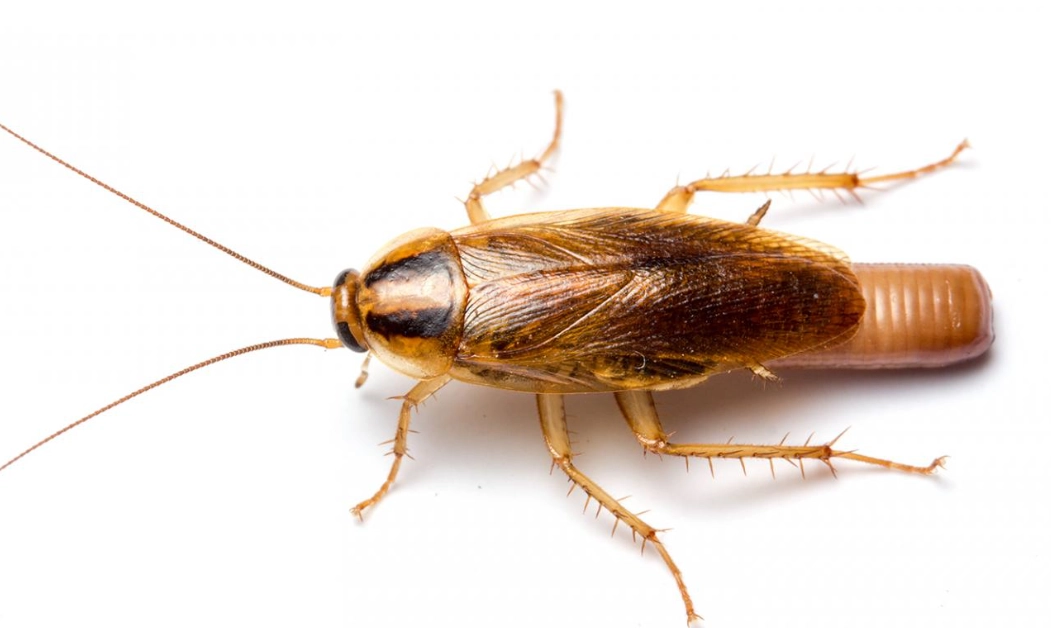
Your Cockroach Control Questions, Answered
 My landlord says pest control is my responsibility, but I live in an apartment. How can I deal with roaches that might be coming from neighbors?
 When should I call a professional exterminator?

Comments