You're gardening, maybe moving some old woodpiles, or just sitting on the porch at dusk. Then you feel it—a sharp, sudden pain that feels more like a stab than a typical mosquito bite. A few hours later, the spot is swollen, angry, and incredibly itchy. Chances are, you've just met an assassin bug. Most of the time, it's just a painful nuisance. But in some cases, particularly with the subset known as kissing bugs, it can be a doorway to a serious, lifelong illness called Chagas disease. Let's cut through the noise and get straight to what matters: identifying the bite, knowing exactly what to do, and most importantly, how to keep it from happening again.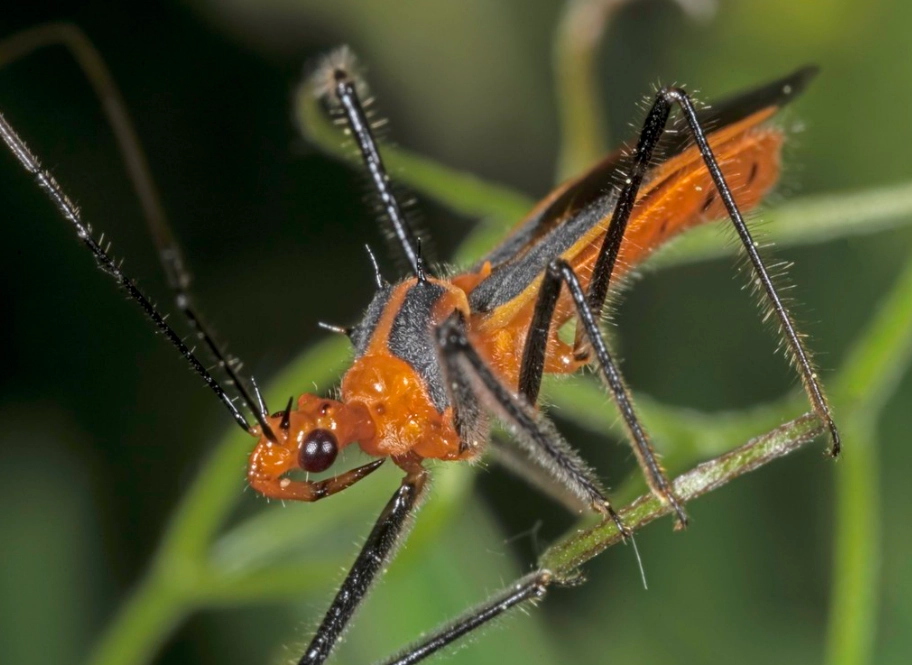
What's Inside: Your Quick Navigation
- What Exactly is an Assassin Bug (And Where Do They Lurk?)
- Assassin Bug Bite Symptoms: From Mild Annoyance to Medical Emergency
- Immediate Assassin Bug Bite Treatment: Your Step-by-Step Action Plan
- How to Prevent Assassin Bug Bites: Practical Strategies That Work
- The Chagas Disease Truth: Separating Fact from Fear
- Your Assassin Bug Bite Questions, Answered
What Exactly is an Assassin Bug (And Where Do They Lurk?)
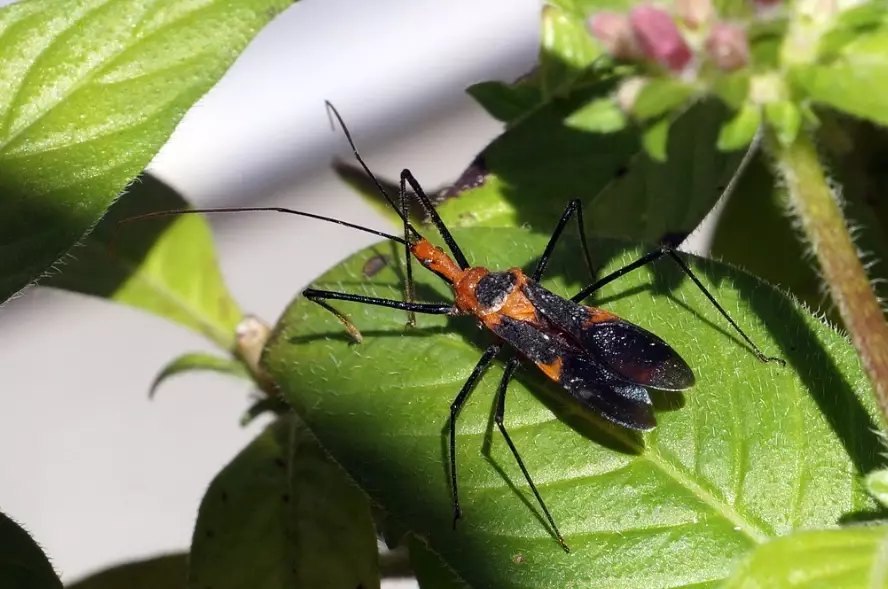
First off, "assassin bug" is a family name (Reduviidae), not a single species. There are over 7,000 kinds. Most are beneficial predators that eat garden pests. The problem children are the ones that feed on vertebrate blood, like the triatomine bugs, infamously called "kissing bugs."
They're not out for a fight. They're usually hiding during the day. Think dark, dry, and undisturbed.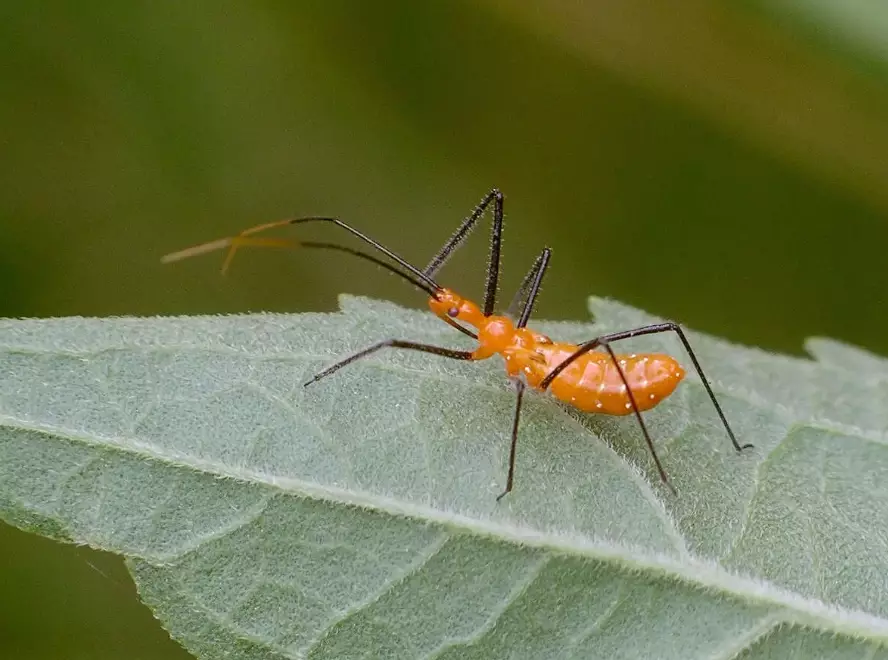
Their favorite real estate includes:
- Rodent Nests: Under woodpiles, in rock crevices, or abandoned burrows. If you have mice, you might attract their predators.
- Chicken Coops & Dog Kennels: These provide a steady food source (the animals) and shelter.
- Outdoor Sheds & Garages: Cluttered corners, behind stored tires, in toolboxes.
- Under Porches & Decking: The dark, sheltered space is perfect.
- Inside thatched or poorly-sealed homes: This is a major risk factor in endemic regions for Chagas disease.
They're attracted to lights at night and the carbon dioxide we exhale. So that bug on your screen door after dark? Could be one.
Assassin Bug Bite Symptoms: From Mild Annoyance to Medical Emergency
The bite itself is often described as more painful than a bee sting initially. It's their feeding mechanism. They use a sharp proboscis to stab and inject saliva that contains anesthetics (so you might not feel it at first) and anticoagulants (to keep your blood flowing). It's your body's reaction to this saliva that causes the trouble.
Here’s a breakdown of what to expect, from common to severe.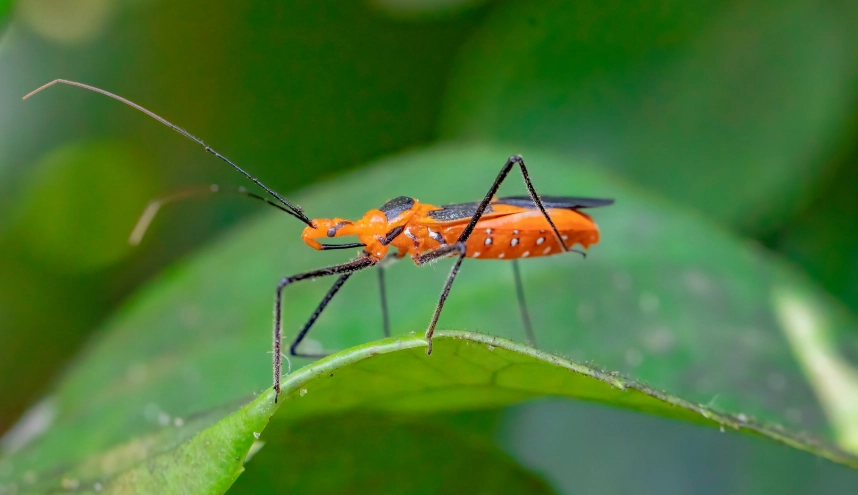
| Timeframe | Common Local Reaction (Most Bites) | Severe Allergic Reaction (Anaphylaxis - Rare) | Chagas Disease Risk (Kissing Bugs Only) |
|---|---|---|---|
| Immediate (0-2 hrs) | Sharp, burning pain. A raised, red welt appears. | Difficulty breathing, swelling of lips/tongue, dizziness, rapid heartbeat. | Often no immediate sign. The parasite (T. cruzi) enters through bug feces rubbed into the bite wound or eyes. |
| Short-term (2-48 hrs) | Intense itching. Swelling increases. The welt may develop a central blister or small ulcer. | This is a medical emergency. Symptoms worsen quickly. | Possible "Romaña's sign" – severe swelling of one eyelid if feces were rubbed into the eye. |
| Days Later | Itching subsides. May leave a dark, hyperpigmented spot that lasts weeks. | Requires emergency epinephrine and hospital care. | Acute phase: fever, fatigue, body aches, rash. Can be mild or mistaken for the flu. |
| Long-term | Usually heals completely with no lasting effect. | Follow-up with an allergist is crucial. | Chronic phase (decades later): 20-30% develop heart or digestive system damage. |
The biggest mistake people make is assuming all assassin bug bites are equal. A bite from a wheel bug in your garden is wildly different from a kissing bug bite in a Chagas-endemic area. Geography and species matter immensely.
Immediate Assassin Bug Bite Treatment: Your Step-by-Step Action Plan
Okay, you've been bitten. Don't panic. Follow these steps in order. I've seen too many well-meaning articles suggest things that can actually make it worse.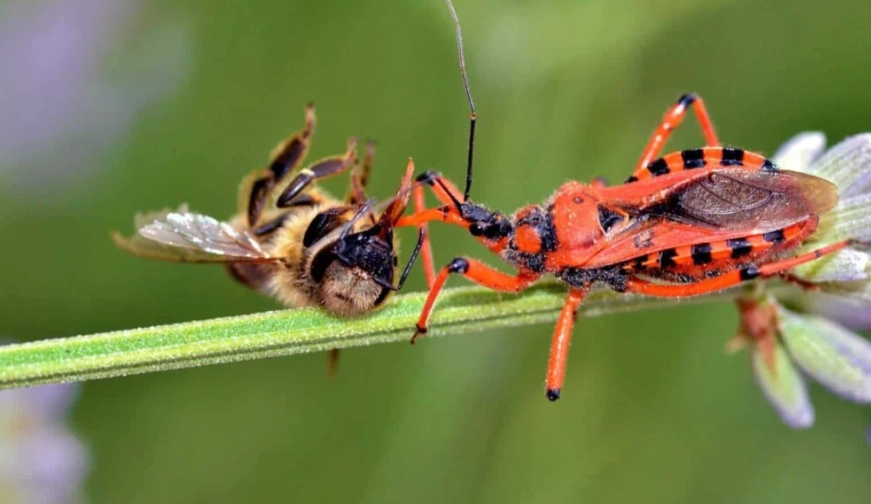
1. Wash the Area. Immediately.
Use soap and copious amounts of cool water. This isn't just about cleanliness. If it was a kissing bug, this physically removes any parasite-laden feces that might be near the bite before you accidentally rub them in. Be gentle—scrubbing can increase irritation.
2. Apply a Cold Compress.
15 minutes on, 15 minutes off. This reduces swelling, numbs the pain, and slows the spread of inflammatory agents. A bag of frozen peas works perfectly.
3. Resist the Itch. Seriously.
Scratching can break the skin, leading to a secondary bacterial infection (cellulitis). This is a more common reason for a doctor's visit than the bite itself. Trim your nails if you have to.
4. Use Topical Relief.
Over-the-counter hydrocortisone cream (1%) is your best friend for itching. Calamine lotion can also help. For pain, oral antihistamines like cetirizine or diphenhydramine can reduce the overall allergic response.
5. Monitor Closely.
Watch for signs of infection (increasing redness, warmth, pus, red streaks) or a severe allergic reaction. If the bite area keeps expanding dramatically after 24 hours, see a doctor.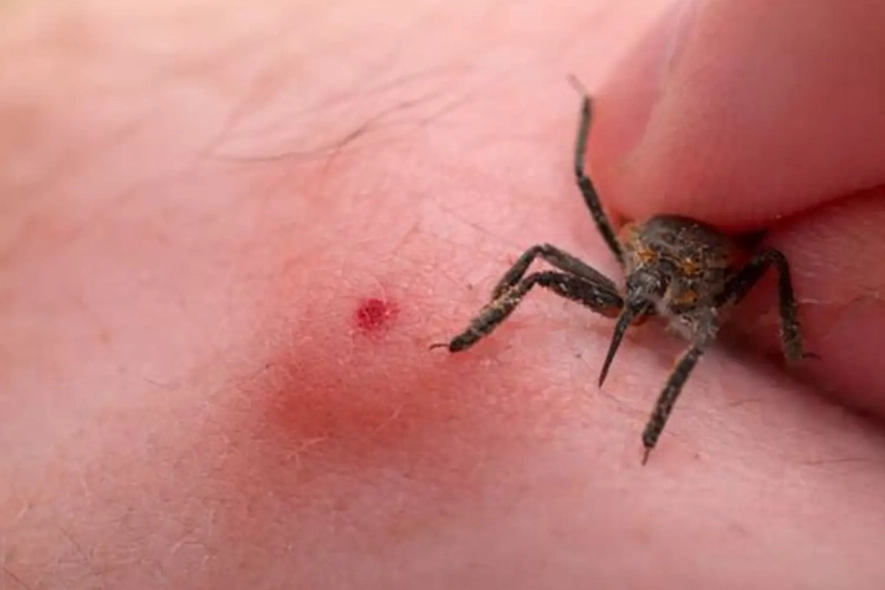
- Signs of anaphylaxis (trouble breathing, throat swelling).
- Signs of a systemic infection (fever, chills).
- The bite is on your face, especially near your eye.
- You know it was a kissing bug and you are in or have traveled to an area where Chagas disease is found (parts of the Americas, primarily Latin America but also the southern United States).
How to Prevent Assassin Bug Bites: Practical Strategies That Work
Prevention is infinitely better than treatment. This isn't about spraying toxic chemicals everywhere. It's about making your space less inviting.
Seal the Fortress (Your Home)
- Weather-strip doors and windows. Install tight-fitting screens and repair any tears.
- Seal cracks in foundations, around utility pipes, and in attics with caulk or steel wool.
- Keep firewood, lumber, and debris piles as far from the house as possible.
- Use yellow "bug" light bulbs for exterior lighting—they're less attractive to insects.
Manage the Yard
- Keep grass and shrubs trimmed back from the house.
- Remove rodent nesting sites (old logs, rock piles). Control rodent populations.
- Inspect and clean pet sleeping areas (dog houses, chicken coops) regularly.
Personal Protection
- Wear long sleeves, pants, and closed-toe shoes when working in likely habitats (gardening, cleaning sheds, camping).
- Use EPA-registered insect repellents containing DEET, picaridin, or oil of lemon eucalyptus on exposed skin.
- If camping in endemic areas, use a bed net treated with insecticide (like permethrin).
The Chagas Disease Truth: Separating Fact from Fear
This causes a lot of anxiety. Let's be precise. According to the Centers for Disease Control and Prevention (CDC), Chagas disease is caused by the parasite Trypanosoma cruzi, transmitted primarily by triatomine (kissing) bugs.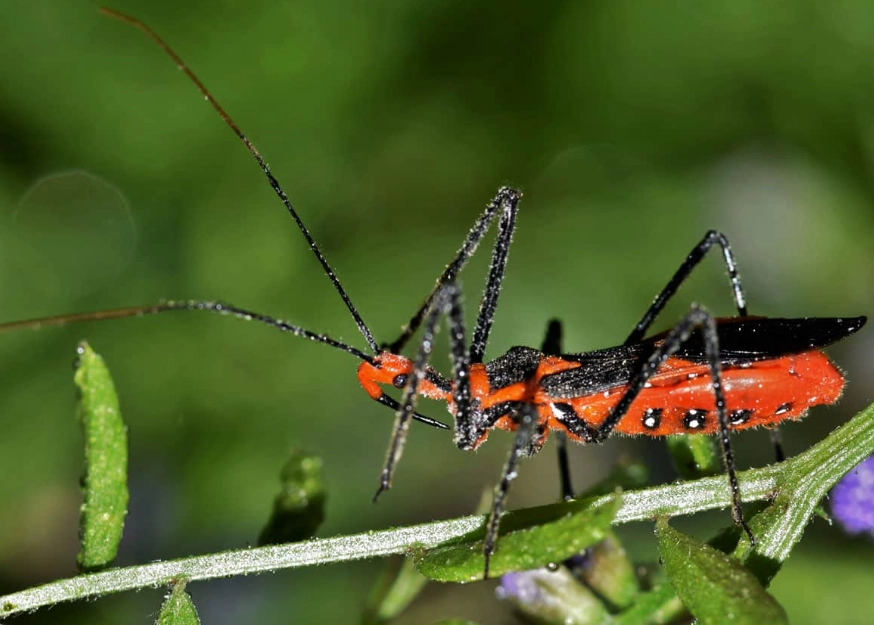
Key facts most people miss:
- Transmission is not straightforward. The bug doesn't inject the parasite with its bite. It defecates near the bite. You have to accidentally rub the feces into the bite wound, your eyes, or mouth. Simply washing the area drastically reduces risk.
- Not all kissing bugs carry the parasite. Infection rates vary widely by region.
- Acute illness is often silent. Many people never know they were infected until heart problems arise decades later.
- Testing and treatment exist. If you have reason to believe you were exposed, ask your doctor for a blood test. Antiparasitic drugs are most effective early in the infection.
The World Health Organization (WHO) classifies it as a neglected tropical disease. Awareness in non-endemic areas is low, which is why understanding the specific risk factors—like travel history and the type of bug—is critical.
Your Assassin Bug Bite Questions, Answered
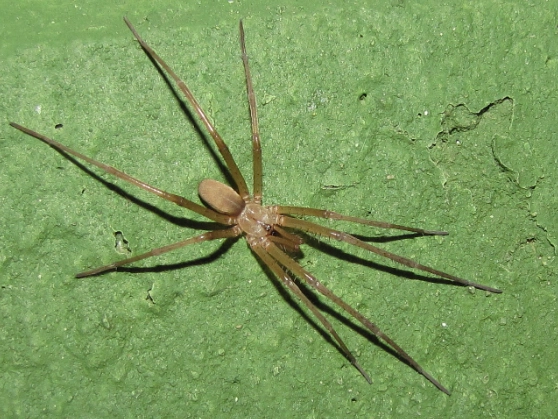
 What's the difference between an assassin bug bite and a spider bite?

Comments