You see a tiny dark speck dart across the counter. A week later, there are three. Then you notice a few more near the fruit bowl. It’s not your imagination—your kitchen has become a buffet for small bugs. The good news? You can take back control. This isn't about a one-time spray. It’s about understanding why they’re there and systematically removing the reasons. I’ve dealt with this in old apartments and new houses. The process is always the same: identify, eliminate, and outsmart them.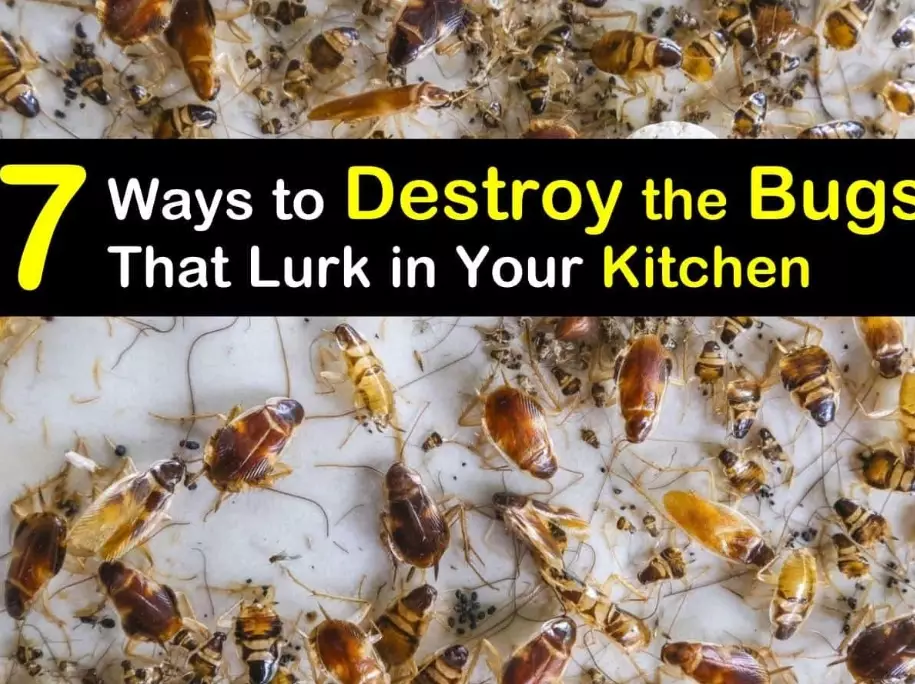
What’s Inside?
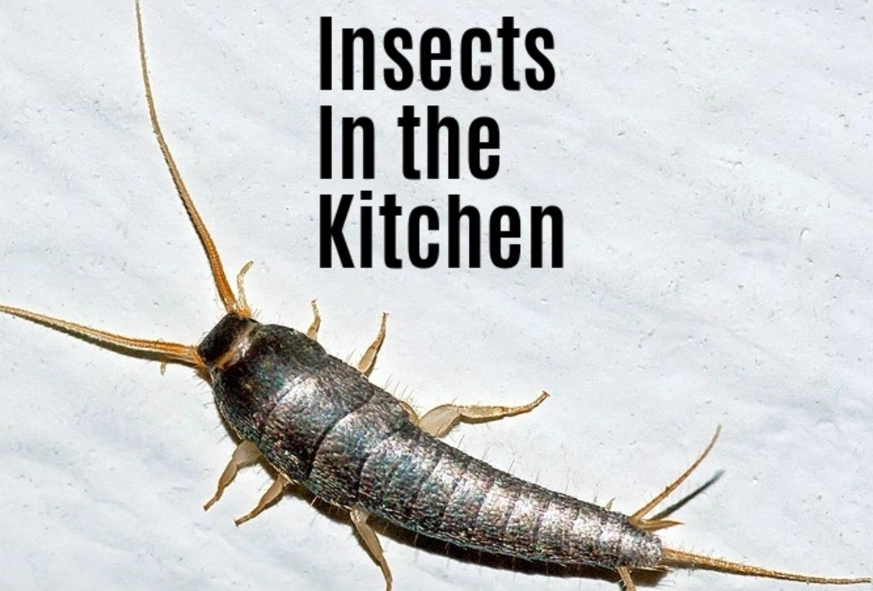
How to Identify Common Kitchen Bugs
You can’t fight what you don’t know. Throwing generic insecticide around is like using a sledgehammer to fix a watch—messy and ineffective. Each bug has a favorite food and a hiding spot. Find that, and you’re halfway to winning.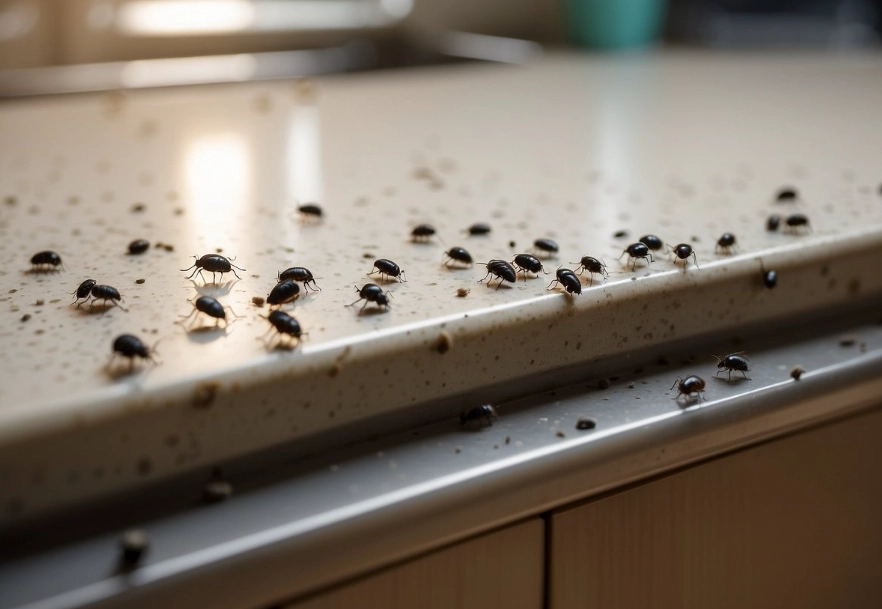
The Usual Suspects: A Quick Reference
| Bug | What They Look Like | Where You'll See Them | What Attracts Them |
|---|---|---|---|
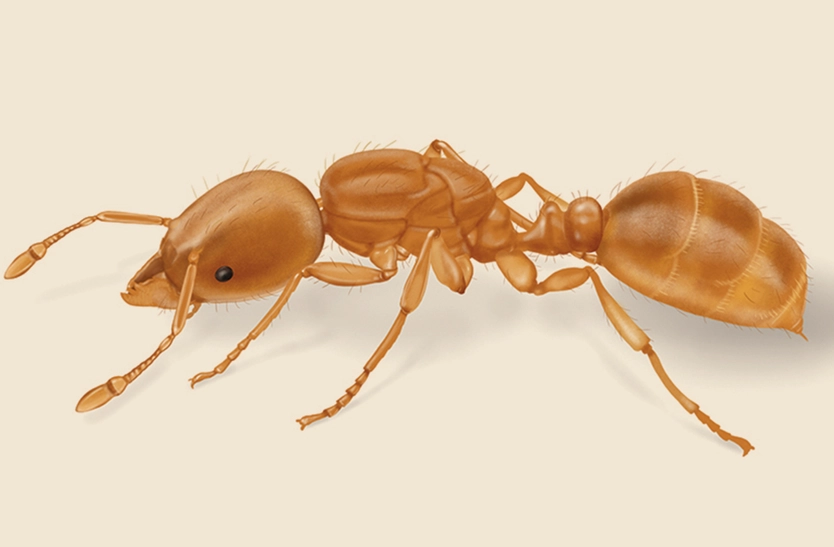
| Ants | Tiny, black, brown, or red. Move in a visible trail. | Countertops, floors, along baseboards, near sinks. | Sugars, syrups, crumbs, grease, pet food. |
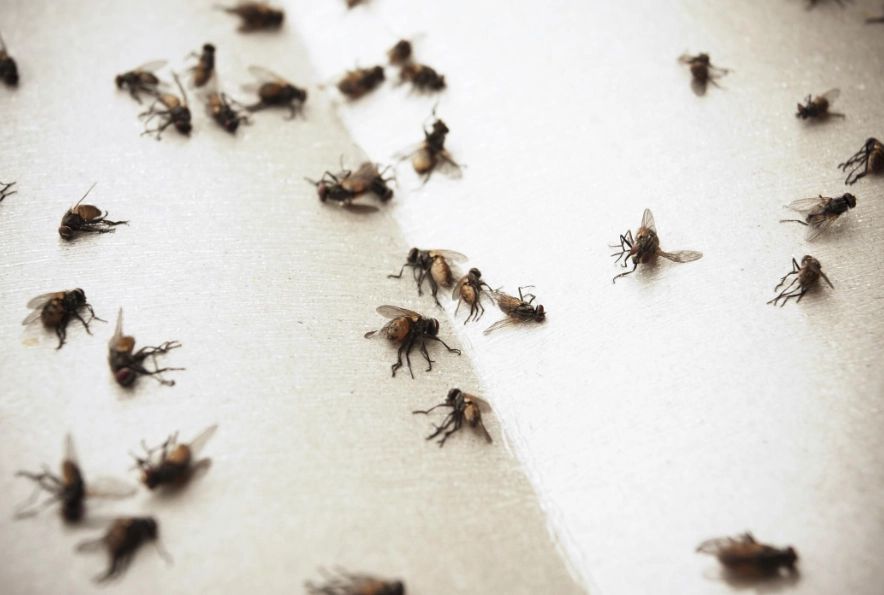
| Fruit Flies | Tiny, tan or brownish, with red eyes. Hover lazily. | Around ripe fruit, trash cans, drains, beer/wine bottles. | Fermenting fruits/vegetables, moist organic matter. |
| Flour & Pantry Moths | Small, grayish moths or tiny white worms/webbing in food. | Inside flour, cereal, rice, pasta, and pet food bags. | Dry, stored grains and cereals. |
| Drain Flies | Small, fuzzy, moth-like. Wings look heart-shaped. | Near sinks, drains, and on nearby walls. | The gelatinous gunk inside sink and floor drains. |
| Cockroaches (German) | Small (1/2 inch), light brown with two dark stripes. | Under appliances, in cracks, behind backsplashes, near motors. | Any food residue, grease, moisture, warmth. |
One mistake I see people make is confusing drain flies for fruit flies. They’re attracted to completely different things. Pouring fruit fly vinegar trap liquid down the drain for drain flies does nothing but feed the problem. You need to clean the drain biofilm.
The Sneaky Entry Points Everyone Misses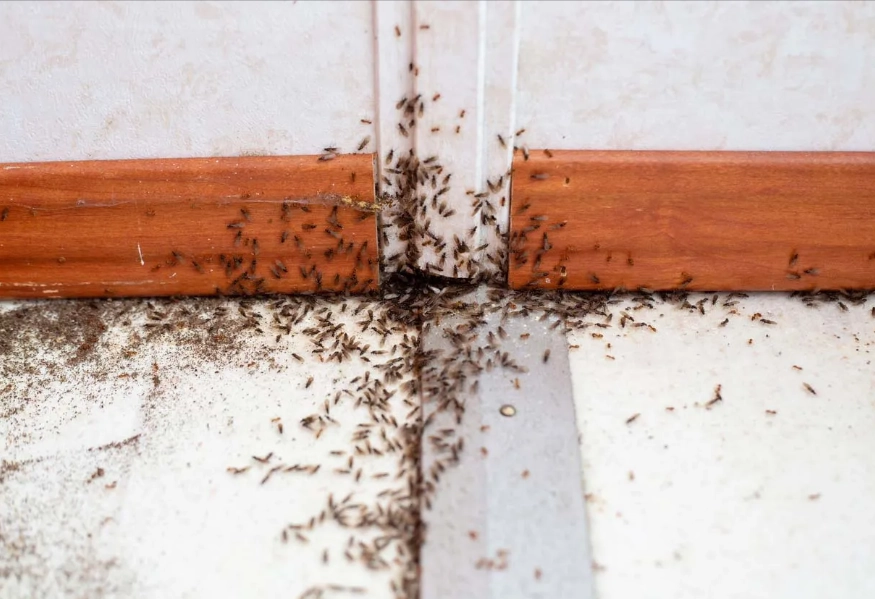
Bugs don’t materialize out of thin air. They come from somewhere. Check these spots, even if they look clean:
- Under the refrigerator drip pan. Pull the fridge out. That shallow pan at the back? It’s a spa for bugs if it’s never cleaned.
- The tiny gap between your stove and countertop. Crumbs and grease accumulate here like a secret landfill.
- Vents and exhaust fan covers. Grease filters in range hoods are a cockroach magnet if not degreased regularly.
- Cardboard boxes. Roaches and pantry moths love the glue and the shelter. Never store dry goods in their original cardboard in the pantry. Transfer to airtight containers immediately.
I learned the cardboard lesson the hard way. A box of expensive organic pasta became a moth nursery. Now, everything goes into glass or thick plastic the moment I get home from the store.
How to Get Rid of Kitchen Bugs for Good
Killing the bugs you see is a temporary fix. The goal is to make your kitchen so inhospitable that they can’t survive or return. This is the core of Integrated Pest Management—a strategy even the Environmental Protection Agency recommends. It’s about prevention first.
Phase 1: The Deep Clean (The Non-Negotiable Step)
Skip this, and everything else is a waste of time. This isn’t a surface wipe.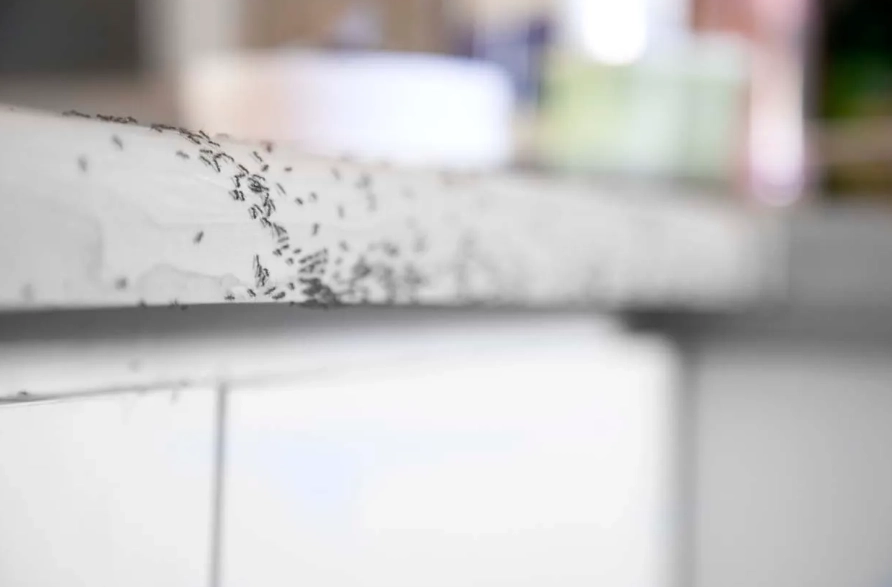
- Empty every cabinet and pantry shelf. Vacuum the corners and shelves. Wipe down with a vinegar or mild soap solution.
- Move major appliances. Pull out the stove, fridge, and dishwasher. Sweep and mop the apocalyptic scene you’ll likely find.
- Attack the drains. For fruit or drain flies, pour a mixture of baking soda, vinegar, and boiling water down drains nightly for a week to break up the sludge. A bacterial drain cleaner (like those containing enzymes) works better for long-term maintenance.
- Take out the trash and recycling daily. Rinse bottles and cans. Use a bin with a tight-sealing lid.
Phase 2: Cut Off the Food Supply
This is where you become ruthless.
- Airtight containers are your new best friend. Flour, sugar, cereal, rice, pasta, pet food—all of it. I use clear containers so I can see what’s inside and spot any contamination fast.
- Store fruits in the fridge. If you must keep them out, eat them quickly and don’t let anything overripen.
- Never leave dirty dishes overnight. Not even in a soapy sink. That’s an all-night diner for ants and roaches.
- Wipe down counters, stove, and tables after every meal. No exceptions. A crumb is a feast.
Phase 3: Strategic Elimination
Now you deal with the existing population. Choose your tools based on the bug.
For Ants: Use borax-based baits (like Terro liquid). The workers take the poisoned syrup back to the nest, killing the colony at the source. Placing bait where you see the trail is key. Don’t spray the trail—you’ll just scatter them.
For Fruit Flies: Make a trap. Apple cider vinegar with a drop of dish soap in a jar covered with plastic wrap (poke small holes). They fly in, can’t get out. Place it near where they congregate.
For Pantry Moths: Throw out any infested food immediately—in an outdoor trash can. Freeze new grains/flours for 4 days before storing to kill any unseen eggs.
For Cockroaches: This is tougher. Gel baits placed in cracks and under appliances are highly effective. Insect growth regulators (IGRs) can also be useful to disrupt their breeding cycle. For severe cases, professional help might be the most cost-effective long-term solution.
Phase 4: Seal Them Out
After cleaning up, stop new ones from coming in.
- Use caulk to seal cracks around baseboards, pipes, and windows.
- Install door sweeps.
- Fix leaky faucets. Moisture is a huge attractant.
- Check weather stripping.
It’s a process, not a single event. But once you establish this routine, the bugs lose. They go find an easier kitchen.
Your Kitchen Bug Questions Answered
 I found bugs in a sealed bag of flour. How did they get in there?

Comments