You see one scurry under the fridge. Then you find droppings in a drawer. That sinking feeling hits – you have cockroaches. It's a common problem, but one that feels uniquely violating. Most guides get the basics right but miss the nuanced, gritty details that make the difference between a temporary fix and a lasting solution. I've been dealing with this professionally and in my own homes for over a decade. The biggest mistake? Treating the symptom (the visible roaches) and ignoring the disease (the habitat that sustains them). Let's fix that.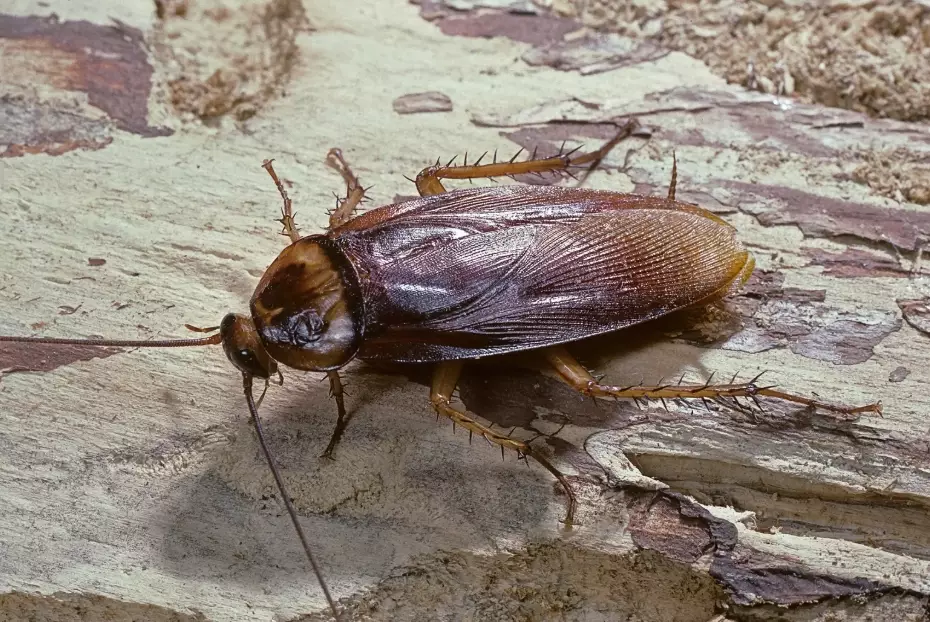
What You'll Find in This Guide
How to Identify Common Cockroach Species
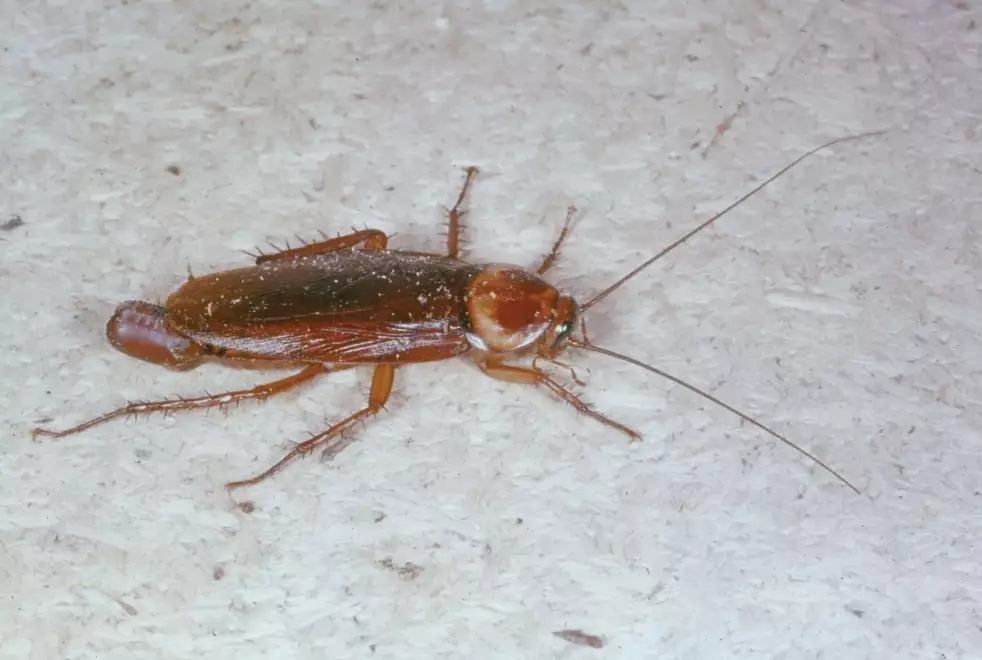
Not all roaches are equal. Knowing which one you're dealing with tells you where they're nesting, how fast they'll multiply, and the best way to hit them. The three main household culprits are the German, American, and Oriental cockroach. People often confuse young American roaches with German adults, leading to misguided treatment plans.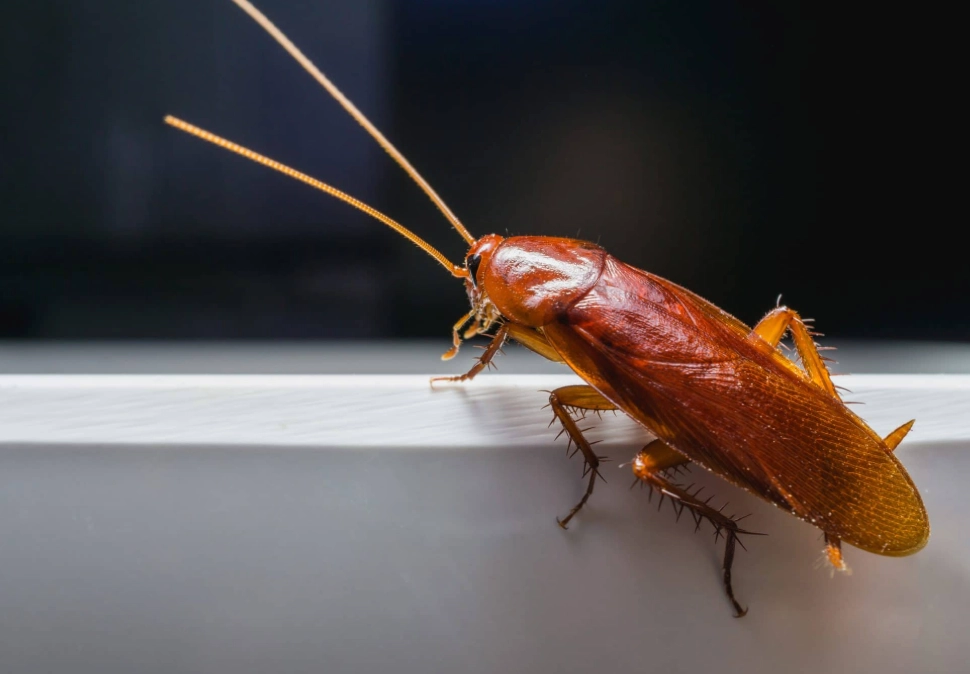
| Species | Size & Color | Key Identifying Feature | Preferred Habitat & Behavior | Why It Matters |
|---|---|---|---|---|
| German Cockroach | Small (1/2 to 5/8 inch), light brown with two dark stripes behind the head. | Carries its egg case (ootheca) until it's ready to hatch. You'll rarely see a dropped case. | Warm, humid areas near food/water. Inside only – kitchens, bathrooms, appliances. Fastest reproducer. | This is your worst-case scenario for indoor infestation. Requires aggressive, sustained indoor treatment. |
| American Cockroach | Large (1.5 inches+), reddish-brown with a yellowish figure-8 pattern behind the head. | Very fast flier (when warm). | Dark, damp, decaying organic matter. Sewers, drains, basements, mulch beds. Often comes inside from outside. | Seeing one or two might just be "visitors." Focus on sealing entry points and outdoor habitat reduction. |
| Oriental Cockroach | Medium (1 inch), glossy dark brown to black. | Slow moving, gives off a strong, musty odor. | Cool, very damp areas. Crawl spaces, basements, floor drains, under leaky sinks. Can survive outdoors in cool climates. | Points to a moisture problem. Fixing leaks and improving drainage is as crucial as pesticides. |
Pro Tip: Look for more than just live bugs. Evidence includes pepper-like droppings, smear marks on walls, shed skins, and a sweet, musty odor in severe infestations. Finding egg cases (small, dark, pill-shaped) is a sure sign of an established breeding population.
Cockroach Prevention: The Step Everyone Skips (And Regrets)
Spraying insecticide feels like action. Cleaning and sealing feels like chores. But I've seen a spotless, sealed apartment with zero pesticides stay roach-free in an infested building, while the neighbor who just sprays every month never gets ahead. Prevention is boring, but it's permanent.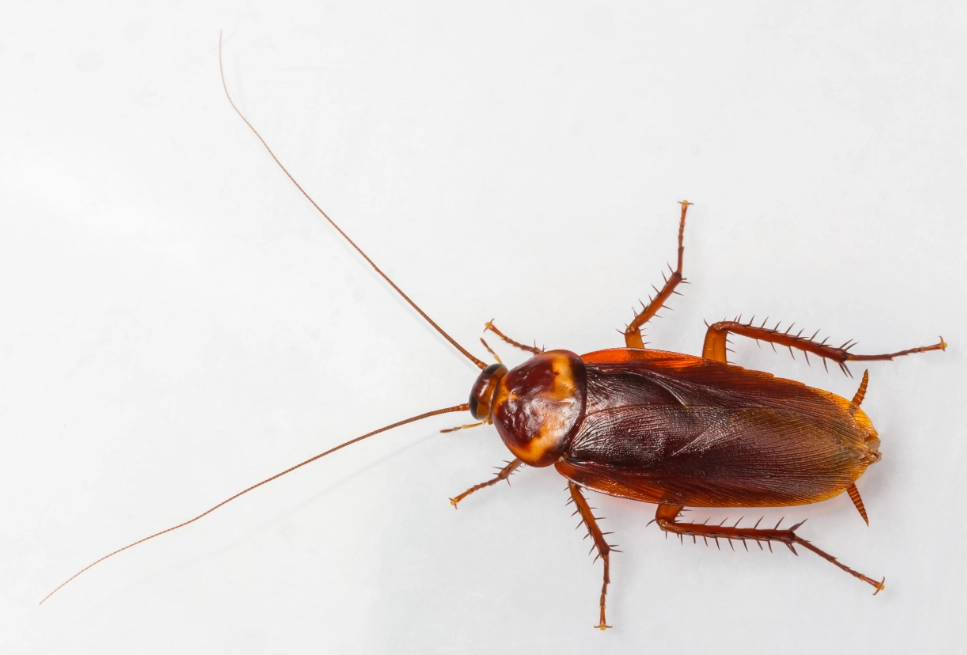
Deny Them Food, Water, and Shelter
This is the core of Integrated Pest Management (IPM), the industry gold standard. It's about making your home inhospitable.
- Food: Never leave dishes overnight. Store dry goods (pet food, cereals, flour) in airtight glass or hard plastic containers. Wipe down counters and stovetops every night. Take out the trash daily.
- Water: Fix dripping faucets immediately. Don't let water stand in sinks or trays. Check for condensation under the fridge and around pipes. Water is more critical to them than food.
- Shelter: This is where people get lazy. Caulk and seal every crack and crevice in baseboards, around pipes, and between cabinets. Use copper mesh or steel wool for larger gaps (they can't chew through it). Declutter – cardboard boxes are roach condos.
The Perimeter Defense
For American and Oriental roaches, your battle starts outside.
Move mulch and leaf litter away from your foundation. Keep firewood stored off the ground and far from the house. Ensure downspouts direct water away from the foundation. Install tight-fitting screens on vents and drains. I recommend a 12-18 inch gravel or bare-soil perimeter around the house – it's a barrier they dislike crossing.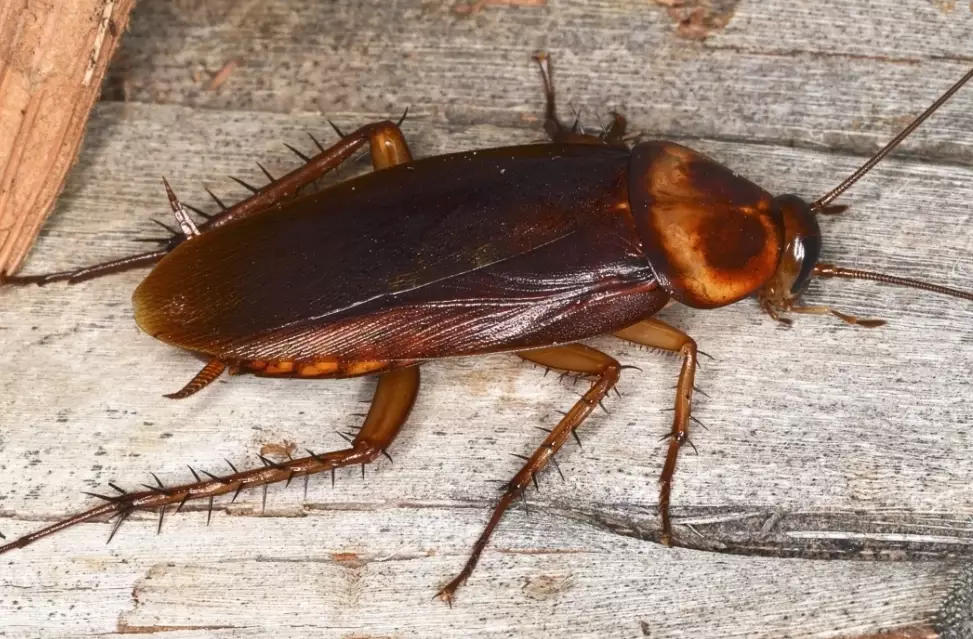
Common Oversight: Everyone checks doors and windows, but forgets the utility lines. Where pipes, cables, and conduits enter your home, there are often huge gaps. Seal these with expanding foam or cement. It's a major highway indoors.
How to Get Rid of Cockroaches: Effective Elimination Tactics
You've identified them and tightened up your home. Now for the counterattack. The goal isn't to kill the roach you see; it's to kill the ones you don't, and break the breeding cycle.
DIY Strategies That Actually Work
For light to moderate problems, you can handle this. The key is using the right products in the right places.
Gel Baits are your MVP. Roaches eat the bait, return to the nest, and die. Others eat their feces and corpses, causing secondary kill. Place tiny pea-sized drops in corners, under appliances, along cabinet hinges – not out in the open. Rotate bait brands every few months if resistance is suspected.
Insect Growth Regulators (IGRs) like hydroprene are unsung heroes. They don't kill adults but sterilize them and prevent nymphs from maturing. They break the cycle. Use them as a spray in hard-to-reach areas.
Diatomaceous Earth (Food Grade) is a physical desiccant. Dust it lightly in wall voids, behind outlets, under appliances. It's non-toxic but slow. It works by scratching their waxy outer layer, causing them to dehydrate. Useless if it gets wet.
Bug bombs or total-release foggers? I almost never recommend them. They drive roaches deeper into walls, create pesticide residue everywhere, and rarely reach the nest. They're more for your peace of mind than actual control.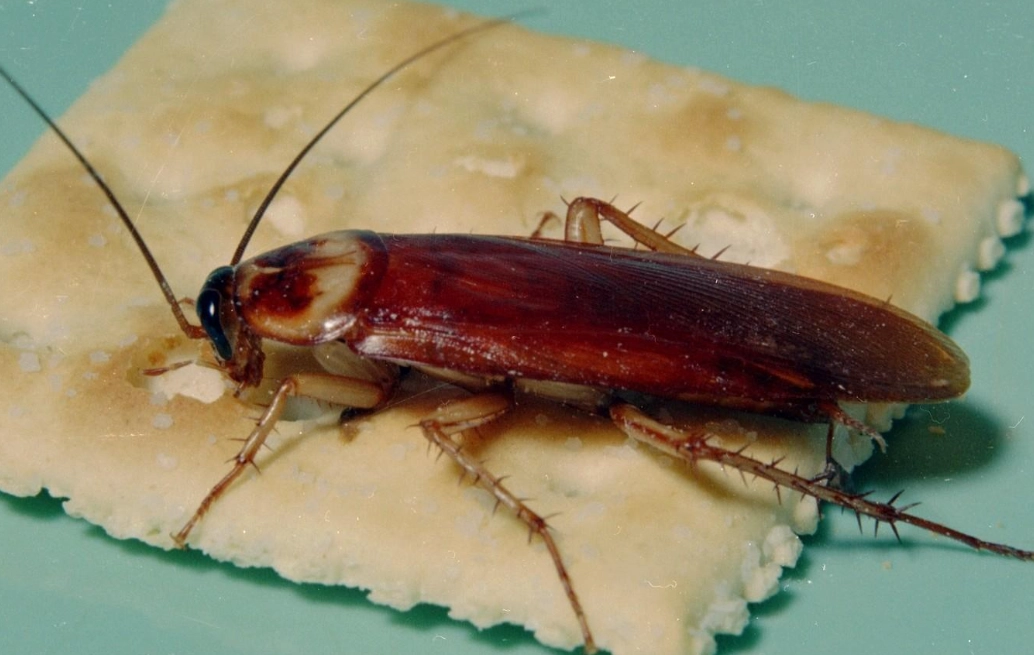
When to Call a Professional Exterminator
If you have a heavy German cockroach infestation, or if DIY efforts for 4-6 weeks show no reduction, call a pro. They have stronger, targeted tools.
A good pro will do a thorough inspection, not just spray. They might use crack-and-crevice injections, direct dust applications into wall voids, or advanced baiting systems. Ask them about their IPM approach. If their only answer is "we'll spray," consider calling someone else. Expect a multi-visit process for severe cases – anyone promising a one-time fix is selling fantasy.
According to a comprehensive guide from the University of Kentucky's Entomology Department, successful control often requires a combination of sanitation, exclusion, and carefully chosen insecticides, highlighting the importance of the integrated approach we've discussed.
Your Cockroach Control Questions Answered
 I used bait and saw more roaches for a few days. Did it make it worse?



Comments